11 hrs ago
Retail Sugar Prices Ease Ahead of Festive Season

Sugar became cheaper in shops over one week, but it still costs more than it did the month before.
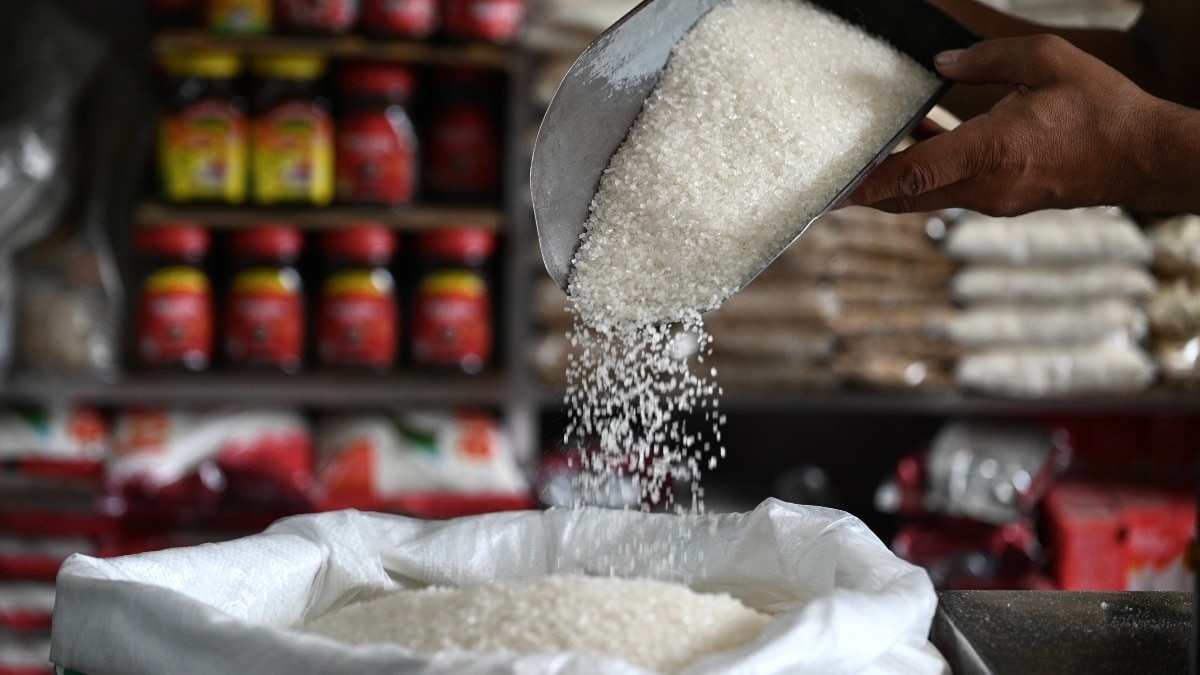
The average shop price fell to ₹62.57 per kilogram.
The average wholesale price, which is what businesses pay before selling to shoppers, also went down.
Shop prices may not fall immediately because retailers still have sugar bought at higher prices.
They may wait until that older sugar is sold before buying cheaper supplies.
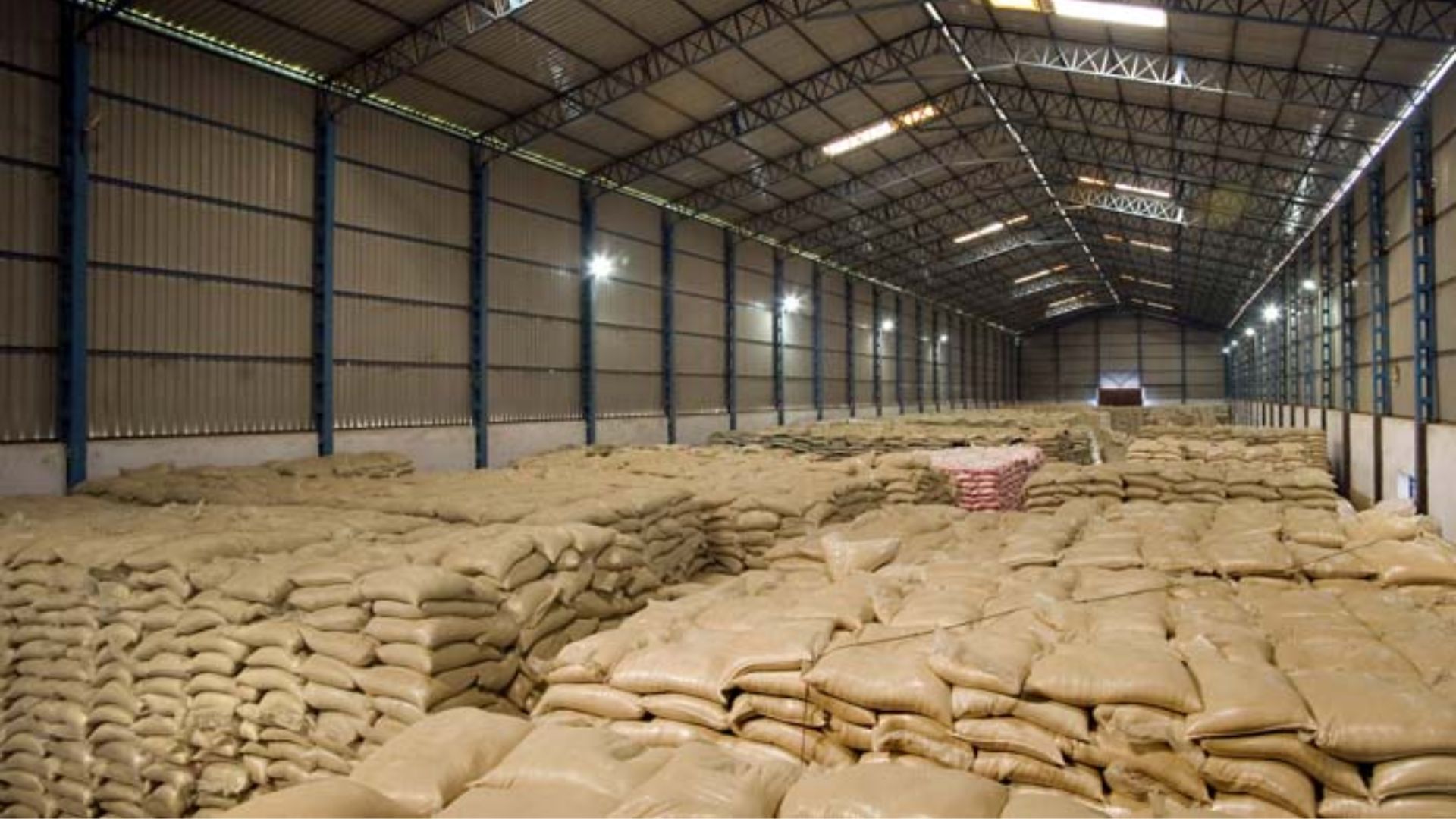
The government has allowed imports and limited how much sugar dealers can store.
These steps are meant to improve supplies before the festive season.
Sugar demand usually rises during this period because people make more sweets, foods, and drinks.

Average retail sugar prices fell 3.85% in a week to ₹62.57 per kg from ₹65.08.
Retail prices remain about 27% above the previous month’s average of ₹49.33 per kg.
Average wholesale sugar prices declined to ₹57.62 per kg from ₹60.39 per kg.
Retail prices may take at least 10 days to reflect lower wholesale costs as older inventories are sold.
The Centre banned exports, allowed 10 lakh tonnes of imports, and tightened dealer stock limits ahead of seasonal demand.
- Who
- The Centre, sugar mills, dealers, retailers, consumers, and industry sources are involved.
- What
- Indian retail and wholesale sugar prices declined, while the government introduced measures to improve supplies and limit stockholding.
- Where
- Across India.
- When
- Retail prices fell over the reported week; the stockholding limits apply from 15 September to 30 November, while festive demand typically rises from late August through January.
- Why
- Prices have risen amid stronger festive-season demand, lower production estimates, global supply concerns, and below-normal monsoon rainfall.
Government and Supply Measures
Industry and Market Pressures
Reason for high prices
Government and Supply Measures
The Centre blamed sugar mills for increasing prices and said India has ample sugar stocks.
Industry and Market Pressures
Market sources pointed to delayed retail adjustment, higher-priced existing inventories, festive demand, global supply strain, and weather-related risks.
Policy response
Government and Supply Measures
The Centre banned exports, permitted 10 lakh tonnes of imports, and tightened dealer stockholding rules to improve local availability.
Industry and Market Pressures
Retailers and industry sources indicated that these measures may take time to affect consumers because existing stocks were purchased at higher prices.
Future supply concerns
Government and Supply Measures
The government’s measures are intended to boost domestic supplies before seasonal demand increases.
Industry and Market Pressures
The revised production estimate, below-normal monsoon rainfall, possible El Niño effects, and sugarcane dependence on rainfall raised concerns about supply.
Key facts
- Retail price
- ₹62.57 per kg, down from ₹65.08 per kg in a week
- Monthly comparison
- The retail price remains 27% above ₹49.33 per kg recorded the previous month
- Wholesale price
- ₹57.62 per kg, down from ₹60.39 per kg a week earlier
- Retail adjustment
- Industry sources said lower wholesale prices may take at least 10 days to reach retail markets
- Import allowance
- The Centre allowed imports of 10 lakh tonnes of sugar
- Dealer stock limit
- The holding limit was reduced from 4,000 quintals to 2,000 quintals from 15 September to 30 November
- Production estimate
- The 2025-26 estimate was revised to 306 lakh tonnes from 343 lakh tonnes
- Domestic demand
- Annual demand is estimated at around 280-285 lakh tonnes
Quotes
Sources cited by PTI
Sources explaining why lower wholesale prices have not yet reached retail markets
“because retailers who bought stock at the earlier, higher rates are unwilling to sell at a loss and will continue pricing their existing inventory at the older rate until it is exhausted”
 livemint.com
“It takes at least 10 days to reflect changes in the retail price”
livemint.com
Sources
Related news

Sugar Prices Rise Again as Festival Demand Tests Government Measures

Indian Sugar Prices Rise Again Despite Government Measures

Sugar Mill Prices Continue Falling as Retail Rates Rise
Indian Sugar Prices Drop After Imports, Hoarding Curbs

India Notifies One Nation, One Time Rules for Infrastructure
Sugar Industry Rejects Shortage Fears Ahead Of Festive Season

Centre Expands Rs 35 Onion Sales to 19 Cities

India Cuts Sugar Dealers’ Stock Limit Ahead of Festive Season