

1 day ago
India’s Economy Stays Strong, but Risks Mount Ahead
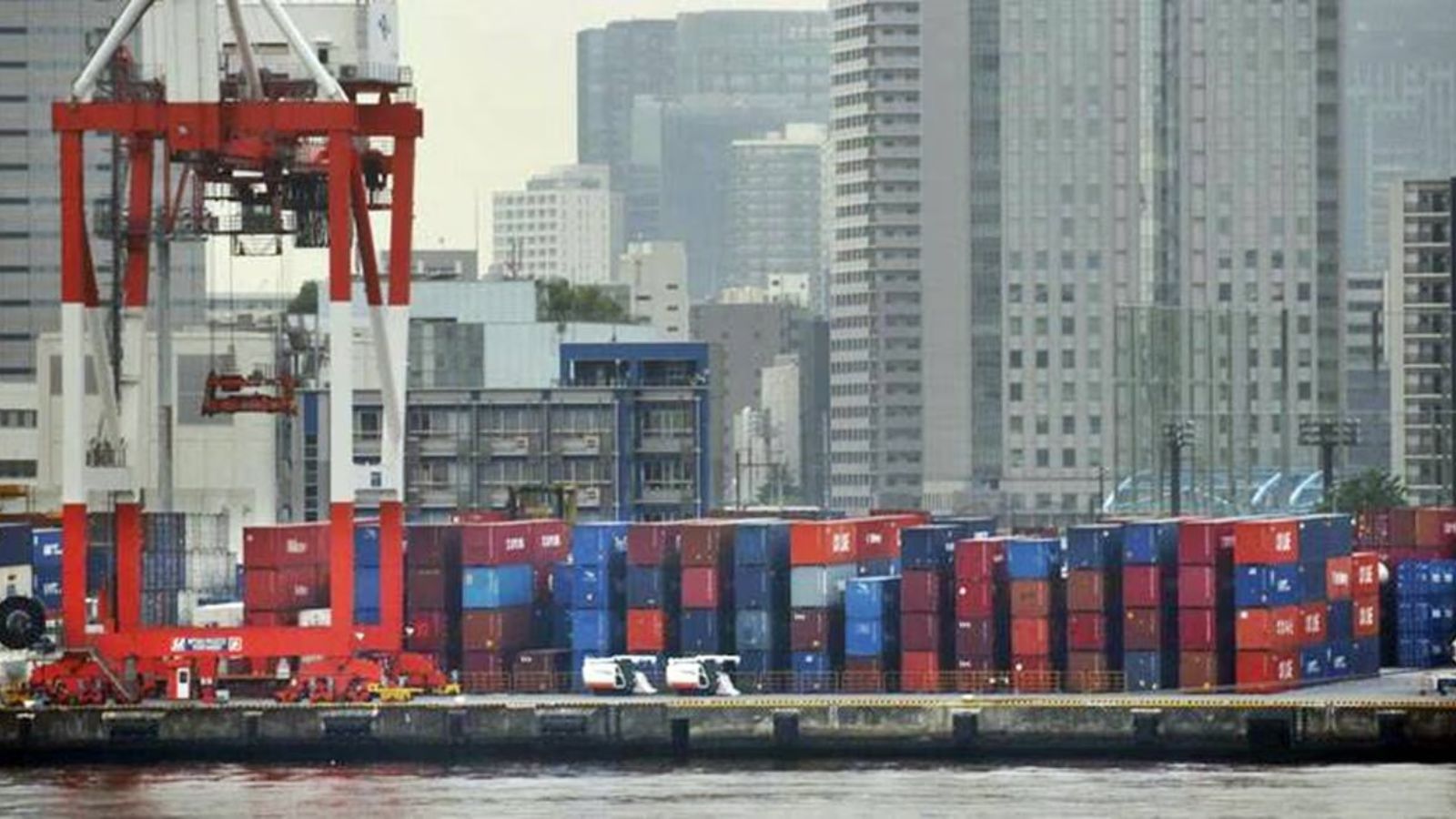
India’s economy grew faster than experts expected in the first quarter.
People bought more goods, factories produced more, exports were strong and the government invested more.
Tax relief, cash transfers and lower prices for some products also helped families spend.
However, the economy may slow later in the year.
Conflict in West Asia could make fuel, shipping and other supplies more expensive.
Weak rainfall could also hurt crops and raise food prices.
Higher oil prices can make inflation worse and reduce economic growth.
CRISIL expects growth of 7 per cent and inflation of 5.1 per cent for 2026-27.
India has strong reserves and healthy banks and companies, but it still needs reforms to keep growing.

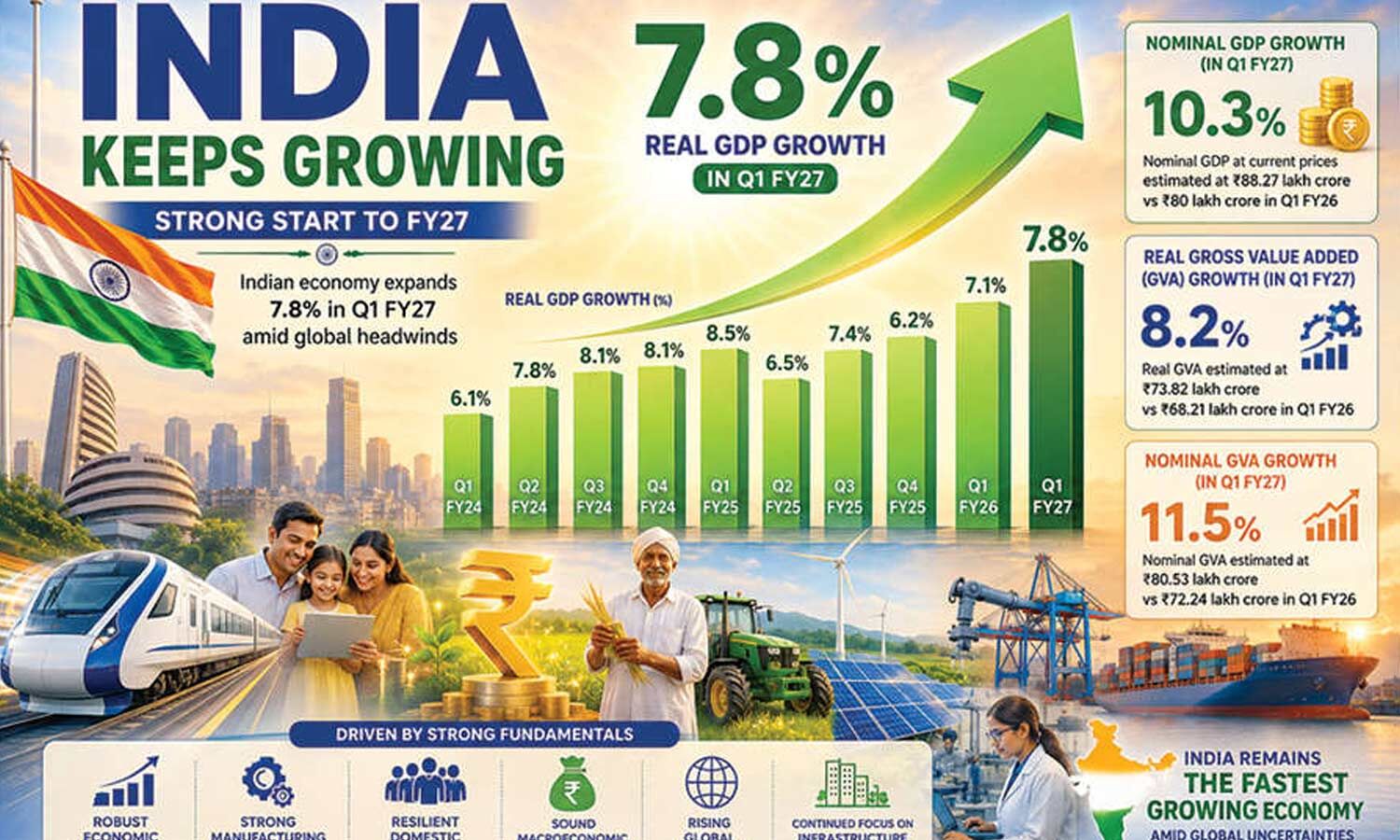
India’s GDP grew 7.8 per cent in the first quarter, exceeding forecasts and the Reserve Bank of India’s projection.
Industrial activity, consumption, goods exports, government investment and policy support drove the strong performance.
CRISIL expects growth to moderate to 7 per cent while inflation rises to 5.1 per cent in 2026-27.
West Asia conflict, unresolved United States tariff issues, weaker rainfall and higher crude prices threaten future growth.
Strong foreign-exchange reserves and healthy corporate and banking balance sheets provide important economic buffers.
- Who
- India’s economy, households, businesses, the government, the Reserve Bank of India and CRISIL are central to the assessment.
- What
- GDP growth reached 7.8 per cent in the first quarter, but growth is expected to moderate as inflation and external risks increase.
- Where
- India, with risks also arising from conflict in West Asia and unresolved tariff issues with the United States.
- When
- The strong growth occurred in the first quarter; the outlook covers the remainder of fiscal year 2026-27.
- Why
- Growth was supported by domestic demand, industrial activity, exports, public investment and policy measures, while future risks include oil-price volatility, weak rainfall, supply disruptions and a high base effect.
Resilience and Growth Support
Risks and Moderation
Economic momentum
Resilience and Growth Support
Strong domestic demand, industrial activity, exports, public investment and policy support show that India can continue growing despite global uncertainty.
Risks and Moderation
Growth is likely to moderate because of a challenging external environment, supply disruptions and a strong base effect in the second half.
Monsoon and food prices
Resilience and Growth Support
Higher irrigation coverage, large rice and wheat stocks and the growing role of non-crop agriculture could reduce the effects of weak rainfall.
Risks and Moderation
Deficient rainfall can still hurt vulnerable crops, perishable vegetables and future rabi production, creating risks for agricultural output and food inflation.
Monetary policy
Resilience and Growth Support
Benign core inflation, strong economic buffers and continued tax relief and public investment support continued activity.
Risks and Moderation
Rising input costs, oil-price volatility and persistent inflation could cause the Reserve Bank of India to consider raising interest rates after cutting them last year.
Key facts
- First-quarter GDP growth
- 7.8 per cent
- Professional forecasters’ median forecast
- 6.8 per cent
- Reserve Bank of India projection
- 7 per cent
- CRISIL growth forecast for 2026-27
- 7 per cent
- CRISIL inflation forecast for 2026-27
- 5.1 per cent
- July-August rainfall
- August rainfall was 16 per cent below the long-period average; cumulative rainfall was 14 per cent below average at the end of August.
- Expected current account deficit
- 1.5 per cent of GDP, with oil a key contributor
Sources
Related news
India Posts 7.8% Growth as CEA Flags External Risks
India’s GDP Growth Beats Expectations at 7.8% in First Quarter
India's Q1 GDP Growth Hits 7.8% Despite Global Turmoil
India’s GDP Grows 7.8% Despite West Asia Crisis
India’s Q1 FY27 Growth Beats Forecast Despite Iran War Fears
RBI Holds Rates, Keeps Neutral Stance Amid Inflation Risks
Auto Industry Urges Shift From Make to Create in India
India Passenger Vehicle Dispatches Reach Record August High

Maharashtra Leads Passenger, Commercial Vehicle Sales in Q1 FY27

Maharashtra Leads Cars, Commercial Vehicles; UP Tops Two-Wheelers
