2 hrs ago
IIT Bombay Suicides Renew Debate Over Student Mental Health
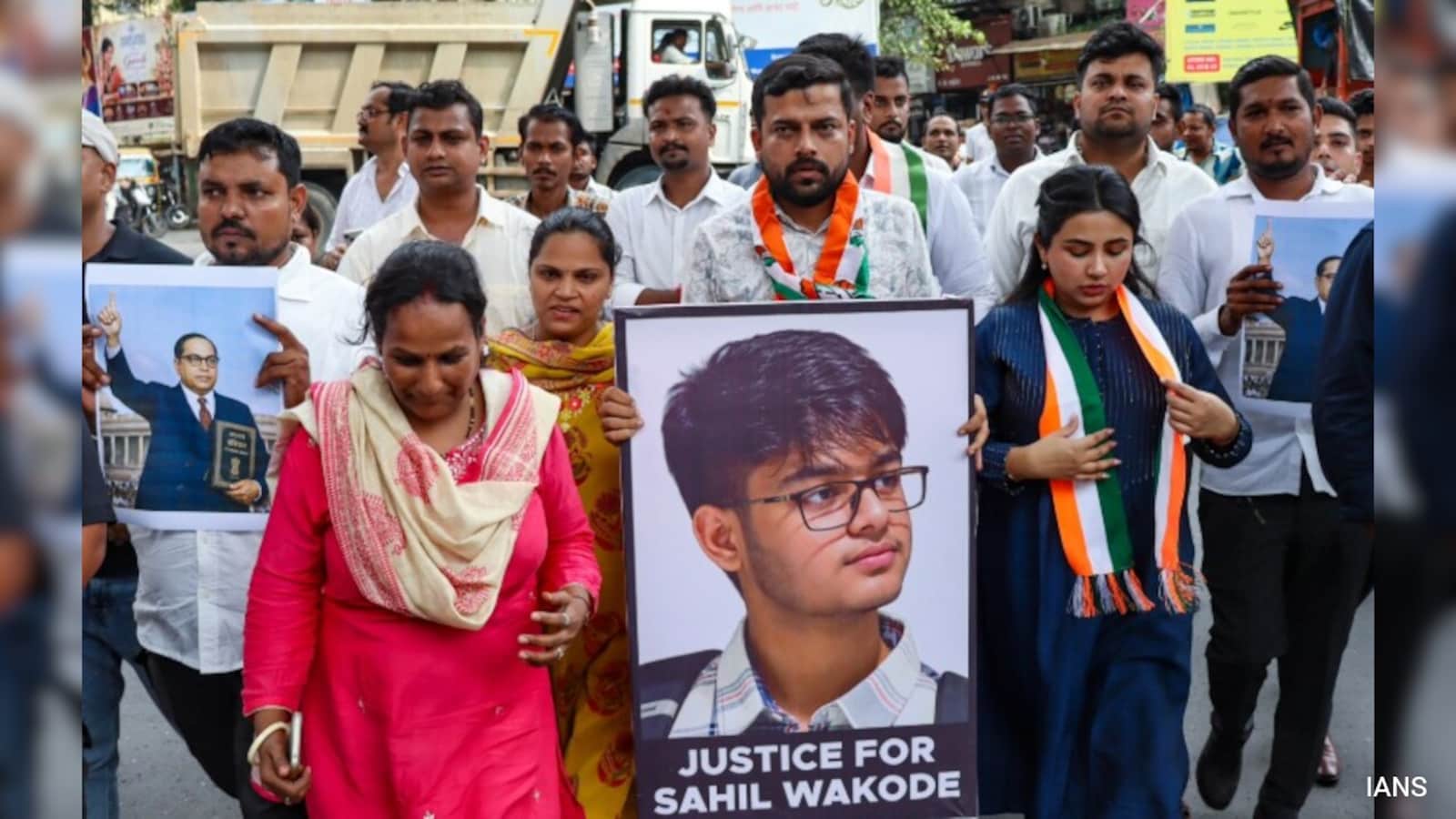
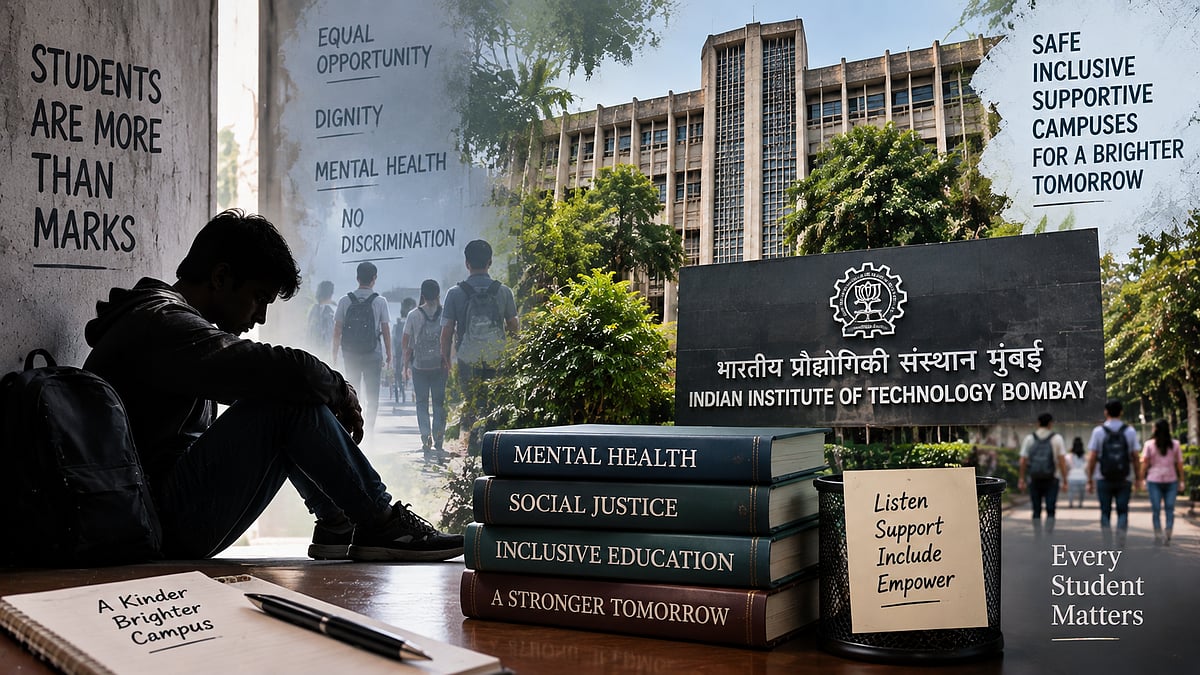
A student at IIT Bombay recently died, and the article says this was the third such death there in seven months.
It argues that this is not only a problem at one campus.
Many students feel that their marks and ranks decide their entire value.
When they struggle, they may feel ashamed or afraid to tell their families and teachers.
Some students also face loneliness, discrimination or difficult living and studying conditions.
The article says many colleges do not have enough mental-health professionals to help everyone.
It recommends making counselling easier to access and training teachers, wardens and older students to notice warning signs.
It also supports safer buildings and rules that reduce access to lethal means, but says those steps are not enough by themselves.
The larger goal is to help students understand that failure does not define their lives.

The latest student death at IIT Bombay is described as the third on campus in seven months.
An RTI-based compilation counted at least 171 IIT students who died by suicide or other unnatural causes between 2006 and September 2026.
The article links student distress to rank pressure, shame, discrimination, family expectations, demanding academic systems and inadequate support.
A Supreme Court task force found that about 65% of surveyed institutions lacked access to mental-health professionals and nearly three-quarters lacked a full-time counsellor.
The proposed response combines safer campus infrastructure with enforceable mental-health policies, trained staff, anti-discrimination measures and broader cultural change.
- Who
- Students at the Indian Institutes of Technology, particularly students at IIT Bombay, along with families, educators and administrators.
- What
- The latest IIT Bombay student death has renewed debate over student suicides, mental-health support and the pressures of elite education.
- Where
- IIT Bombay in Powai, India, and higher-education institutions across India.
- When
- The article refers to the latest death as the third at IIT Bombay in seven months and cites data through September 2026; it also discusses Supreme Court guidelines issued in July 2025 and January 2026.
- Why
- The article attributes the crisis to intense academic competition, shame, discrimination, family pressure, difficult campus conditions and insufficient mental-health support.
Administrative Response
Systemic Response
How to prevent immediate danger
Administrative Response
Administrators often focus on visible measures such as removing fixtures, sealing terraces and restricting access to potentially lethal means.
Systemic Response
The article says these measures can reduce immediate risk but cannot address the conditions that make students feel trapped.
What drives the crisis
Administrative Response
A campus-specific view treats the deaths mainly as an IIT Bombay or individual student problem requiring local intervention.
Systemic Response
The article presents the deaths as part of a wider national pattern linked to rank pressure, shame, discrimination, family expectations and inadequate support across educational institutions.
Role of counselling
Administrative Response
A counselling cell is a central institutional response to student distress.
Systemic Response
The article argues that counselling must be combined with trained gatekeepers, accessible services, enforceable policy, anti-discrimination systems and a culture that values students beyond grades.
Key facts
- Latest IIT Bombay deaths
- The article describes the latest death as the third on the campus in seven months.
- IIT deaths since 2006
- An RTI-based compilation counted at least 171 IIT students who died by suicide or other unnatural causes between 2006 and September 2026.
- Student suicides in 2022
- The National Crime Records Bureau recorded more than 13,000 student suicides in 2022.
- Mental-health access
- A Supreme Court National Task Force survey found that roughly 65% of surveyed institutions had no access to mental-health professionals.
- Full-time counsellors
- Nearly three-quarters of surveyed institutions had no full-time counsellor.
- Supreme Court guidelines
- The article says July 2025 guidelines require institutions to publish and annually review mental-health policies and engage qualified counsellors.
- Scholarship protections
- The article says a January 2026 Supreme Court directive barred institutions from removing students from hostels, classes or examinations when scholarships are delayed.
Sources
Related news

IIT Student Deaths Prompt Questions About Campus Wellbeing

IIT Bombay Death Renews Scrutiny of Student Suicide Crisis
Higher Education Needs Reform Beyond Ceiling Fan Replacements
IIT Bombay Student Suicide Renews Questions About Institutional Accountability
India Urged to Create Law Protecting Students in Higher Education
IIT Bombay Death Sparks Protest and Mental Health Concerns

Supreme Court Refers Election Commission Appointment Law to Larger Bench
Gyanesh Kumar Faces Election Panel Scrutiny Over Voter Roll Decisions
Supreme Court Hears Mamata Banerjee Challenge to TMC Symbol Freeze
Karnataka Auto Unions Challenge High Court Bike-Taxi Ruling