2 hrs ago
India Urged to Create Law Protecting Students in Higher Education
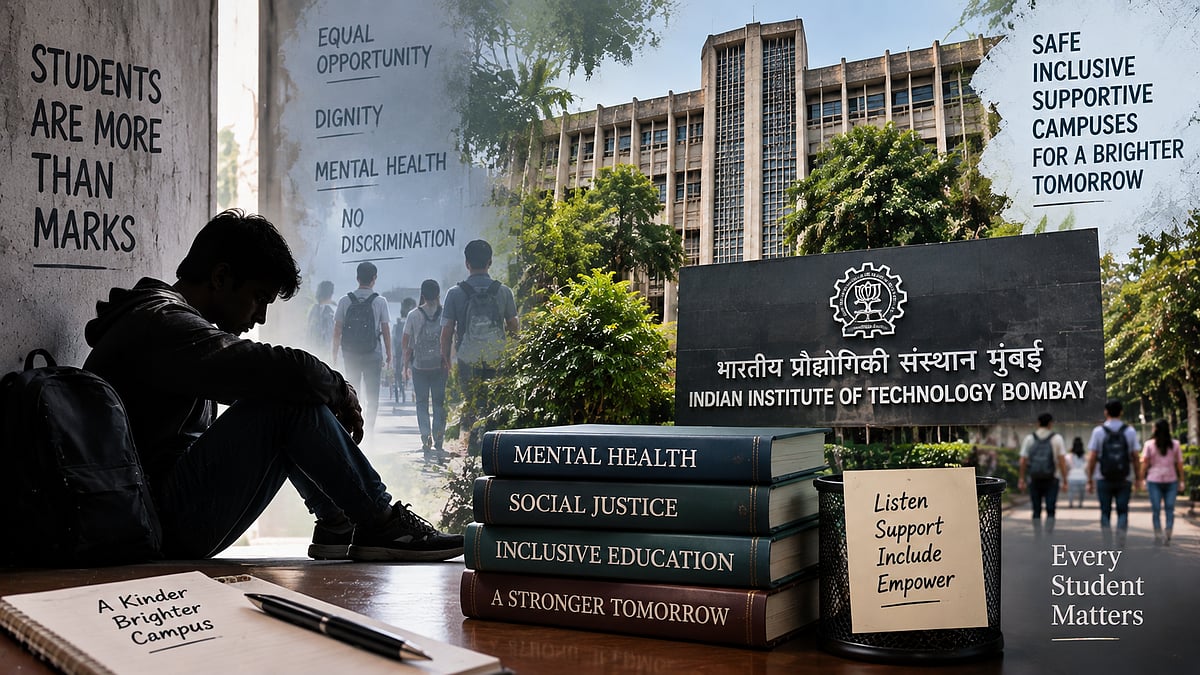
A student at IIT Bombay died by suicide, and this has renewed concern about student safety in India.
The article says students can face serious stress that schools may fail to address.
Wakode’s family alleged caste abuse and that faculty members contributed to his death.
Other accounts said he faced difficulty after allegedly acting unethically during a test.
These accounts give different explanations for what happened.
A Supreme Court Task Force has found problems such as social inequality, weak complaint systems, and limited mental-health support.
The article says these problems can especially affect disadvantaged students.
It argues that India should pass a special law requiring colleges to protect students and respond to distress.
The goal would be to make higher education safer and fairer.

The death of IIT Bombay student Sahil Wakode has renewed debate over student suicides and institutional responsibility.
A police FIR followed allegations by Wakode’s family of caste abuse and faculty abetment to suicide.
Other accounts reportedly linked the student’s difficulties to alleged unethical conduct during a test.
A Supreme Court Task Force has identified social inequality, weak grievance systems, and limited mental-health access as recurring problems.
The article calls for a distinct law requiring higher-education institutions to provide welfare, reporting, remedies, and mental-health safeguards.
- Who
- IIT Bombay student Sahil Wakode, his family, faculty members, higher-education institutions, the Supreme Court, and disadvantaged student communities.
- What
- The student’s death has renewed debate over student suicides, caste discrimination, institutional accountability, and the need for a student-welfare law.
- Where
- IIT Bombay and higher-educational institutions across India.
- When
- The article discusses the latest IIT Bombay case and cites student-suicide trends from 2013 onward, including a 65% rise over a decade.
- Why
- The article attributes the crisis to social inequality, structural disadvantage, weak grievance redressal, and barriers to mental-health services.
Structural Reform Advocates
Alternative Case Interpretations
What contributed to the death
Structural Reform Advocates
The article emphasizes caste discrimination, structural disadvantage, weak institutional support, and unaddressed distress as factors that can contribute to student suicides.
Alternative Case Interpretations
Some accounts reportedly emphasized the student’s alleged unethical conduct during a test as part of the circumstances surrounding the case.
Responsibility of institutions
Structural Reform Advocates
The article argues that higher-education institutions have a duty to provide grievance systems, mental-health support, remedies, and protection from discrimination.
Alternative Case Interpretations
The family’s allegations, which led to the FIR, remain allegations; the article does not establish that faculty members legally caused or abetted the death.
Policy response
Structural Reform Advocates
The article calls for a distinct law compelling all higher-education institutions to establish student-support and welfare structures.
Alternative Case Interpretations
The article notes that recommendations and remedial measures have already been issued by the Supreme Court Task Force and other forums, without presenting a separate case against new legislation.
Key facts
- Student involved
- Sahil Wakode, a student at IIT Bombay
- Police action
- A police FIR was registered following allegations by Wakode’s family
- Family allegations
- The family alleged caste abuse and faculty abetment to suicide
- Reported alternative account
- Some accounts said the student was placed in a difficult situation because of unethical conduct during a test
- Supreme Court finding
- Student suicides have become the second-highest cause of death for men aged 15–29 and the highest for women in that age group
- Trend cited
- Student suicides rose 65% in a decade from 2013
- Proposed response
- A distinct law requiring higher-education institutions to create student-welfare and protection systems
Sources
Related news
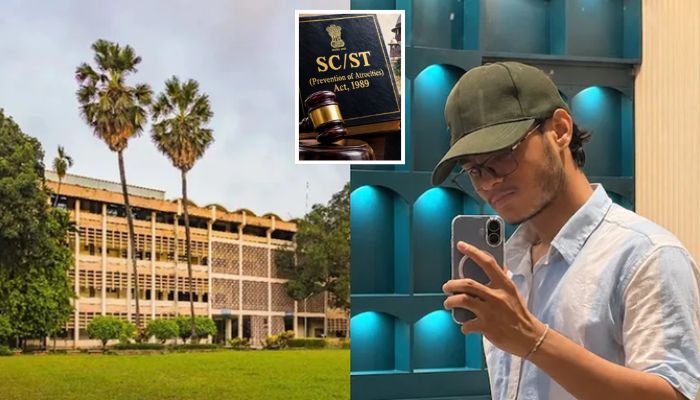
IIT Bombay Student Death Sparks Caste Discrimination Debate
IIT Bombay Death Sparks Protest and Mental Health Concerns
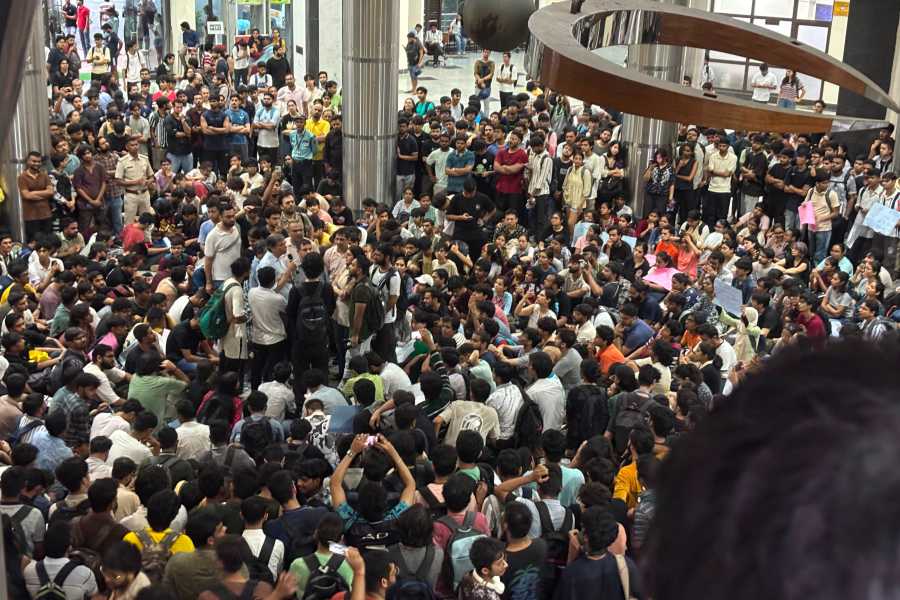
IIT-Delhi Student Death Sparks Protest Over Systemic Concerns
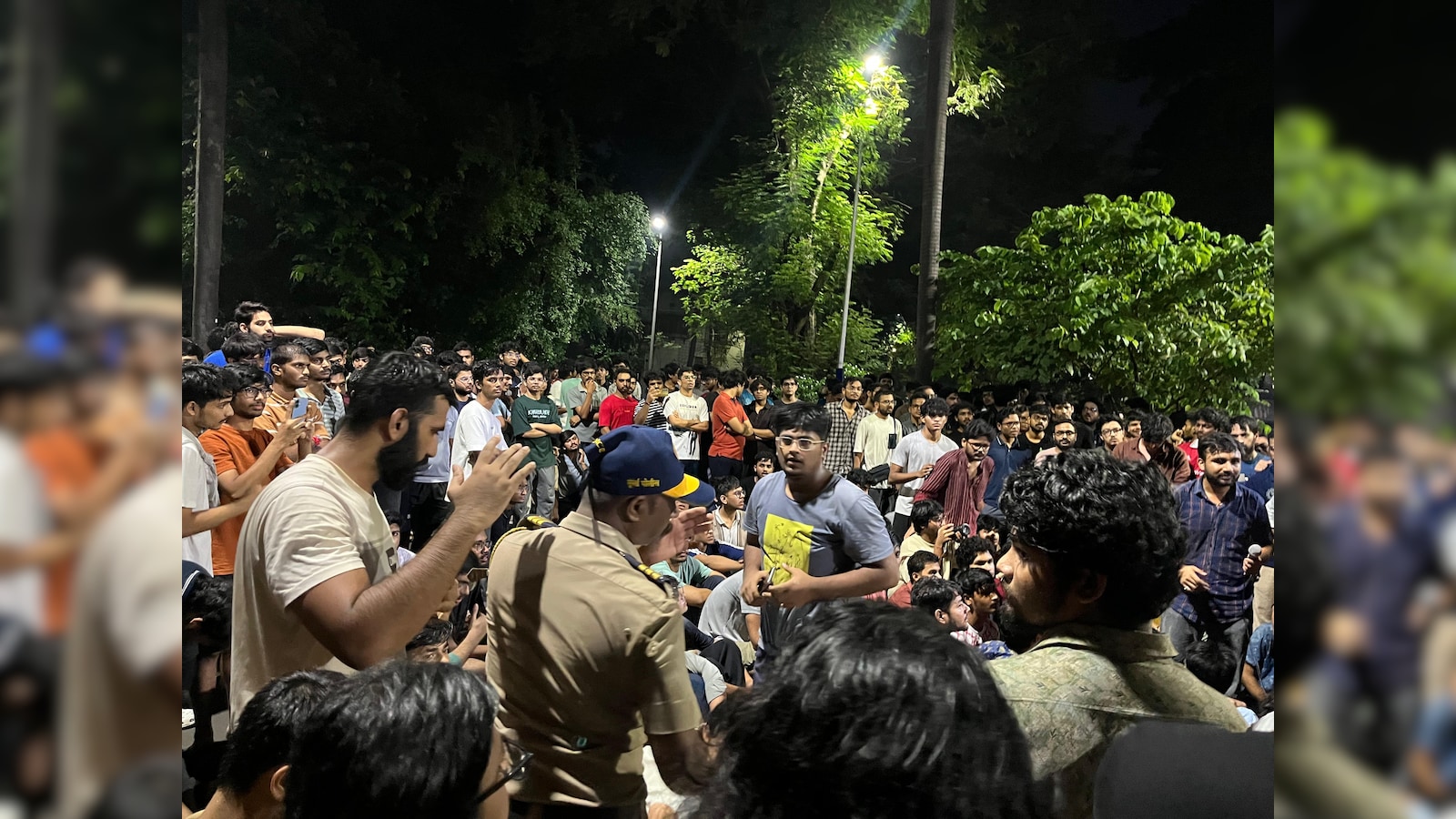
IIT Bombay Student Death Spurs Protests Over Accountability
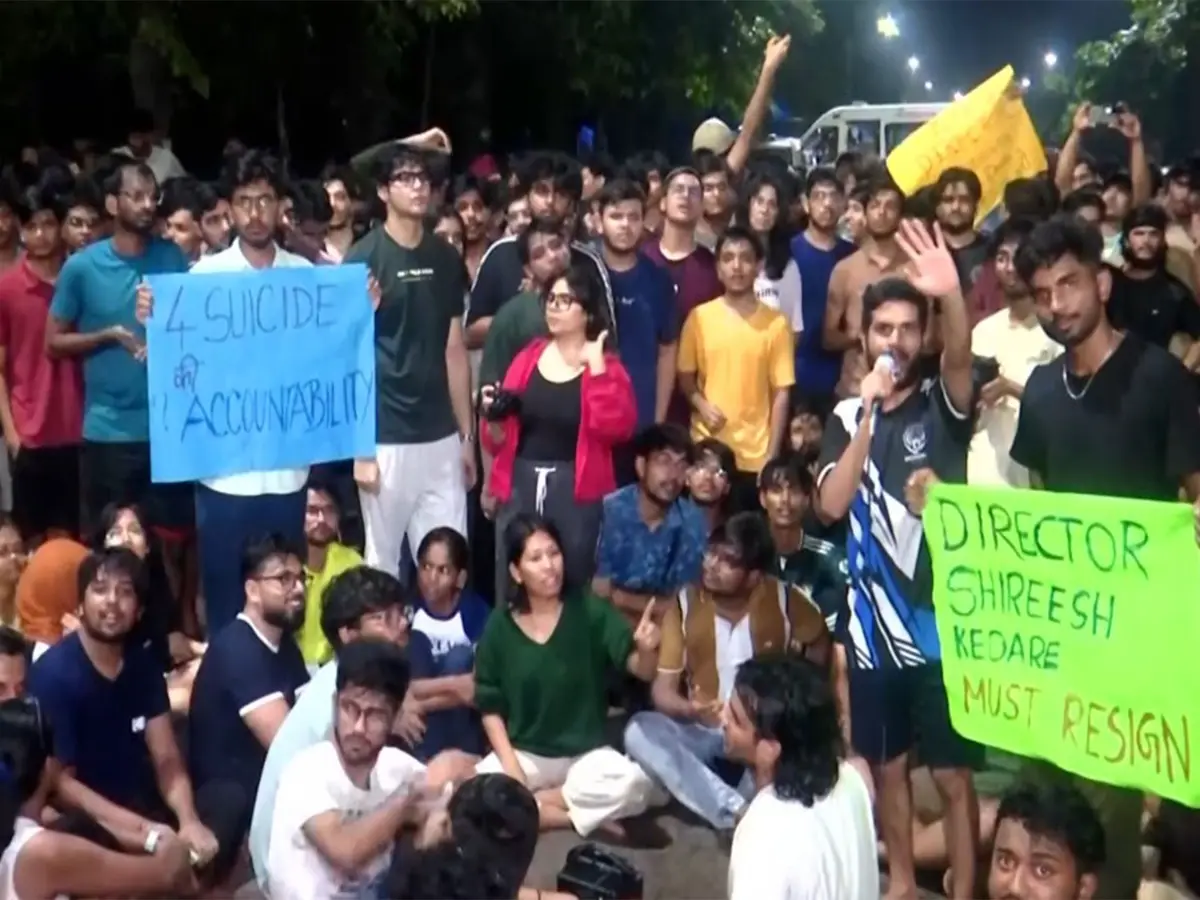
IIT Bombay Student Death Prompts FIR, Crime Branch Probe
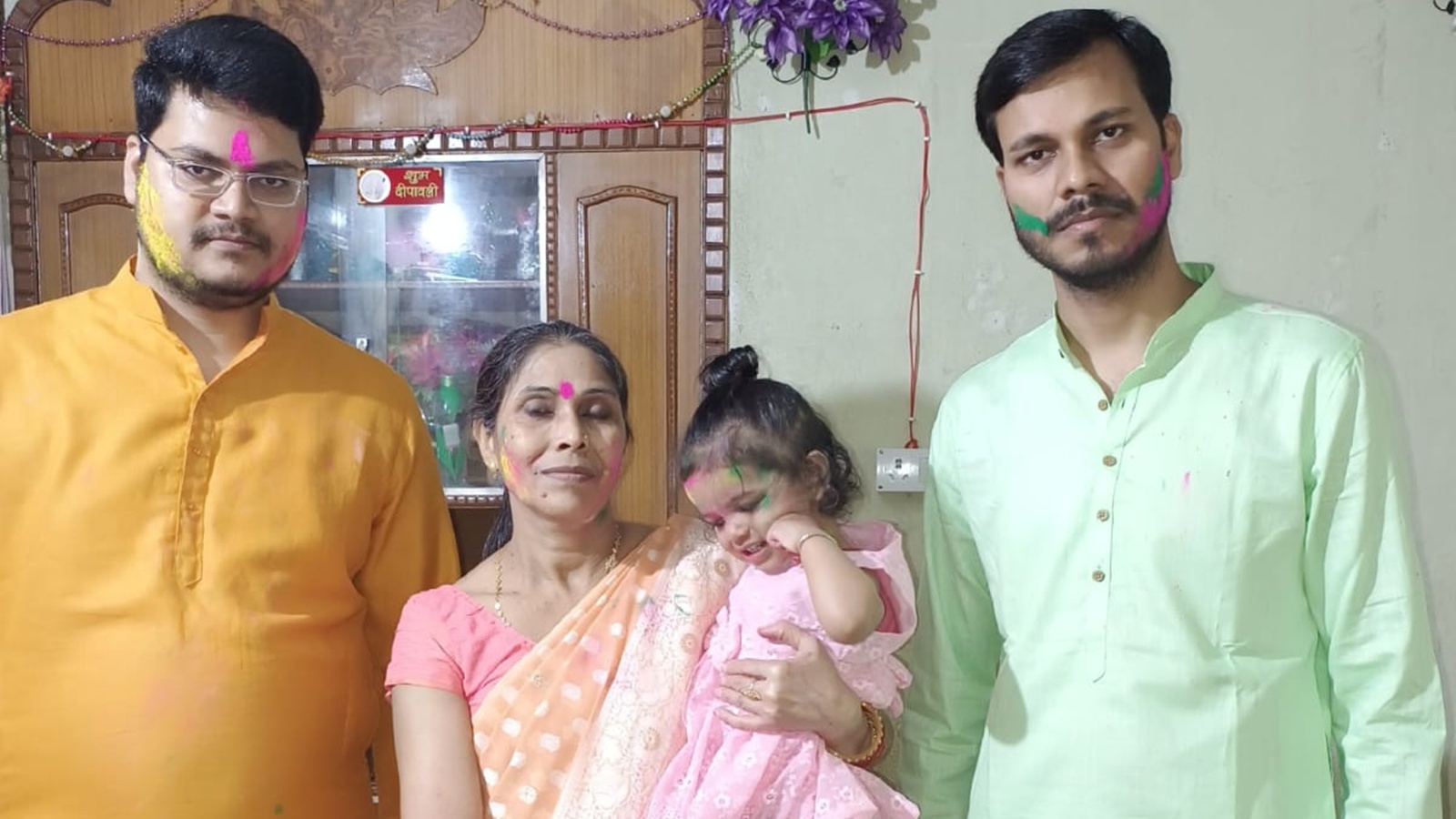
IIT Delhi Student Deaths Spur Protests Over Campus Stress

West Bengal By-Elections Draw Questions Over Electoral Fairness
Justice Nagarathna Calls Environmental Protection A Matter Of Global Regulation

Tata Trusts Challenge Chandrasekaran Reappointment as Court Battle Looms
Congress warns Aravallis face threat from proposed redefinition