2 hrs ago
Karnataka Auto Unions Challenge High Court Bike-Taxi Ruling
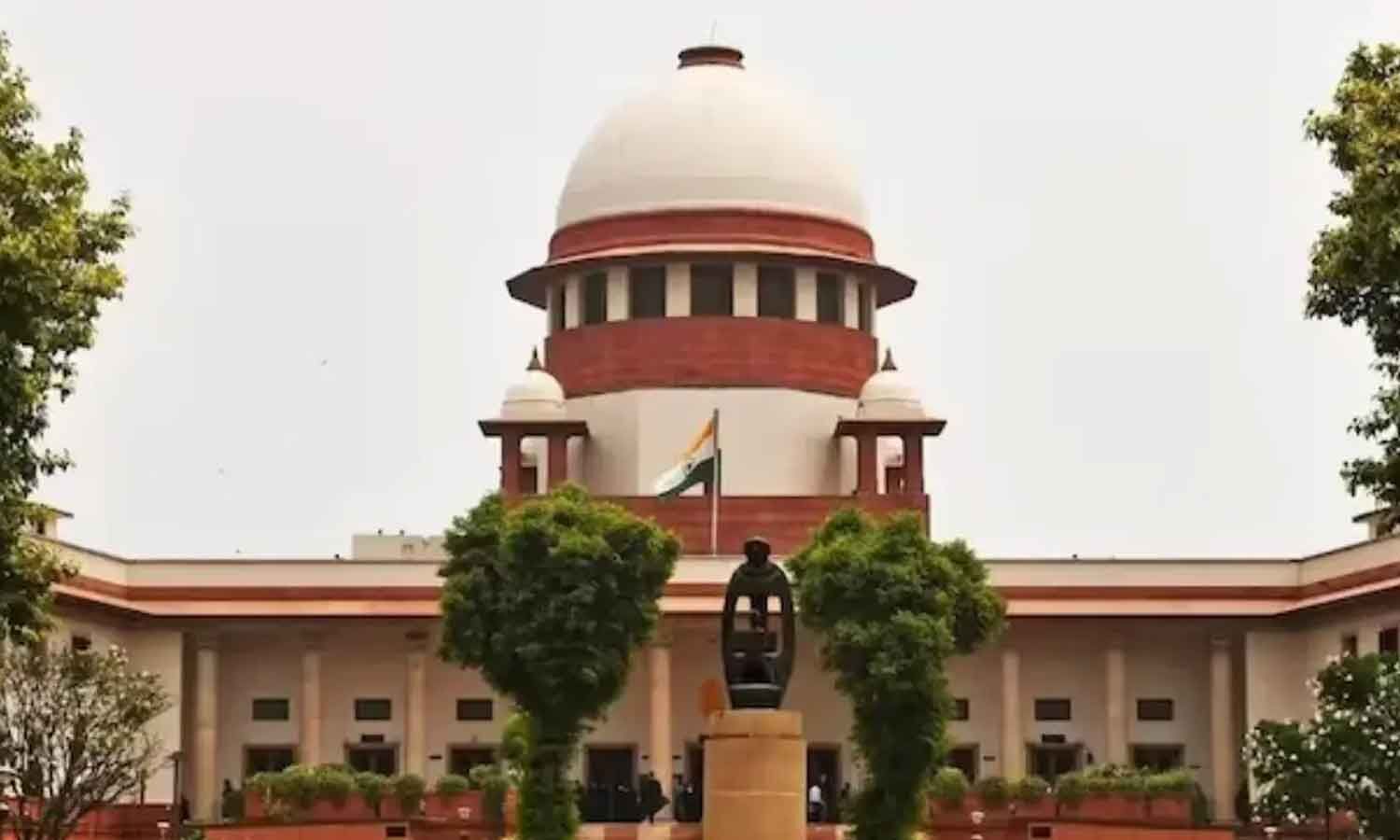
Five groups representing auto-rickshaw and taxi drivers in Karnataka have gone to the Supreme Court.
They disagree with a Karnataka High Court order about allowing bike taxis to operate.
The order told authorities to consider registering motorcycles as transport vehicles and giving them permits.
The unions say this could hurt the livelihoods of about 1.5 lakh existing transport operators.
They also say bike taxis should follow rules similar to those for autos and taxis.
Those rules include permits, insurance, vehicle checks, taxes, fares and driver licences.
The Karnataka government has also challenged the High Court decision.
Bike-taxi companies and riders want the service to receive legal recognition.
The Supreme Court will consider the arguments about regulation, safety, jobs and transport in cities.

Five Karnataka auto-rickshaw and taxi organisations have petitioned the Supreme Court against the High Court’s January 23 bike-taxi ruling.
The unions oppose directions to consider registering motorcycles as transport vehicles and granting them contract-carriage permits.
They say about 1.5 lakh regulated transport operators could face livelihood risks from bike-taxi competition.
The unions also cite concerns over regulatory parity, passenger safety, congestion, road space and pollution.
The Karnataka government has separately challenged the ruling, while aggregators and riders seek regulatory recognition for bike taxis.
- Who
- Five Karnataka auto-rickshaw and taxi organisations, the Karnataka government, app-based aggregators and riders are involved.
- What
- The unions and the state government are challenging a Karnataka High Court ruling that opened a regulatory path for bike taxis.
- Where
- Karnataka, particularly Bengaluru.
- When
- The challenged High Court order was issued on January 23; the dispute has continued through recent legal and enforcement actions.
- Why
- The challengers cite transport regulation, livelihoods, regulatory parity, passenger safety, congestion, pollution and insurance concerns.
Transport Unions and Government
Bike-Taxi Supporters
Regulatory authority
Transport Unions and Government
The unions and state government argue that transport policy and motorcycle permits belong to the government and statutory transport authorities, and that commercial passenger services must meet the legal framework.
Bike-Taxi Supporters
App-based aggregators and riders have sought regulatory recognition for bike-taxi operations, while the High Court held that bike taxis could be a legitimate form of transportation.
Competition and livelihoods
Transport Unions and Government
The unions say bike taxis could compete with thousands of existing auto-rickshaw and taxi operators without equivalent obligations, threatening livelihoods and regulatory parity.
Bike-Taxi Supporters
Bike-taxi supporters are seeking permission to operate as a recognized transport service, which would allow the disputed model to continue under an official framework.
Safety and urban impact
Transport Unions and Government
The unions and government cite passenger safety, congestion, pollution, road-space use and insurance concerns, referring to a 2019 expert committee report on bike taxis in Bengaluru.
Bike-Taxi Supporters
The High Court’s ruling created a route for applications to be considered, but the articles do not state specific safety or congestion arguments made by aggregators or riders.
Key facts
- Petitioners
- Nadaprabhu Kempegowda Auto Drivers’ Organisation, Karnataka Venkategowda Auto and Taxi Drivers’ Association, Greater Bengaluru Drivers’ Association, Karnataka Sarathigala Mahasangha and Jai Karnataka Sarathi Sena Trust.
- Challenged order
- The Karnataka High Court directed authorities to consider applications to register motorcycles as transport vehicles and issue contract-carriage permits.
- Potentially affected operators
- The unions estimate that around 1.5 lakh auto drivers, taxi permit holders and other regulated operators could be affected.
- Existing requirements
- Auto-rickshaws and taxis must meet rules involving permits, vehicle fitness, insurance, taxation, fares and driver licensing.
- Government position
- The Karnataka government says commercial passenger transport is regulated and bike taxis must comply with the applicable statutory framework.
- Additional concerns
- The petitions and appeals cite road safety, traffic congestion, road-space use, pollution and insurance.
- Current enforcement
- The state transport department has seized vehicles allegedly operating as bike taxis without required approvals.
Sources
Related news
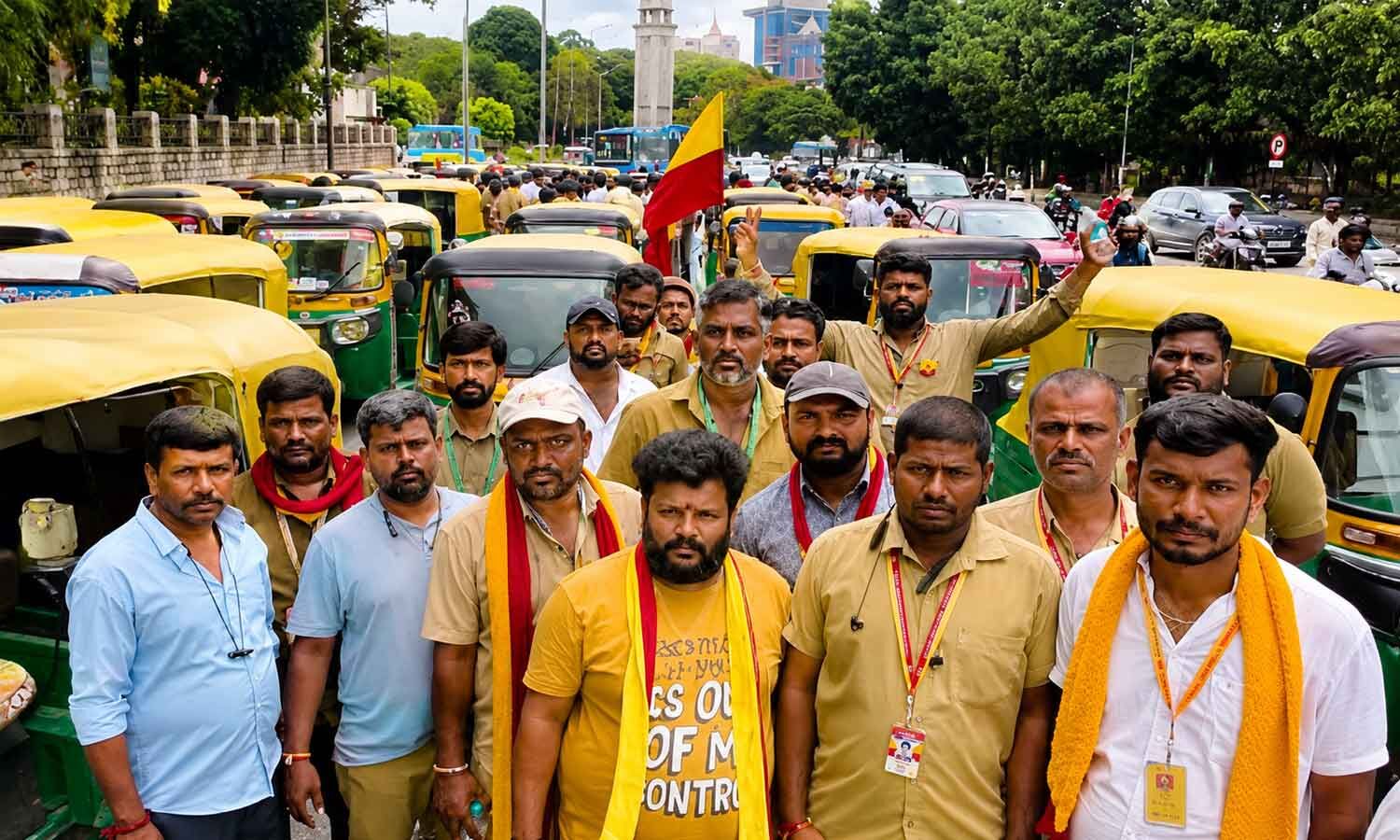
Bengaluru Transport Unions Give Government 15 Days To Act
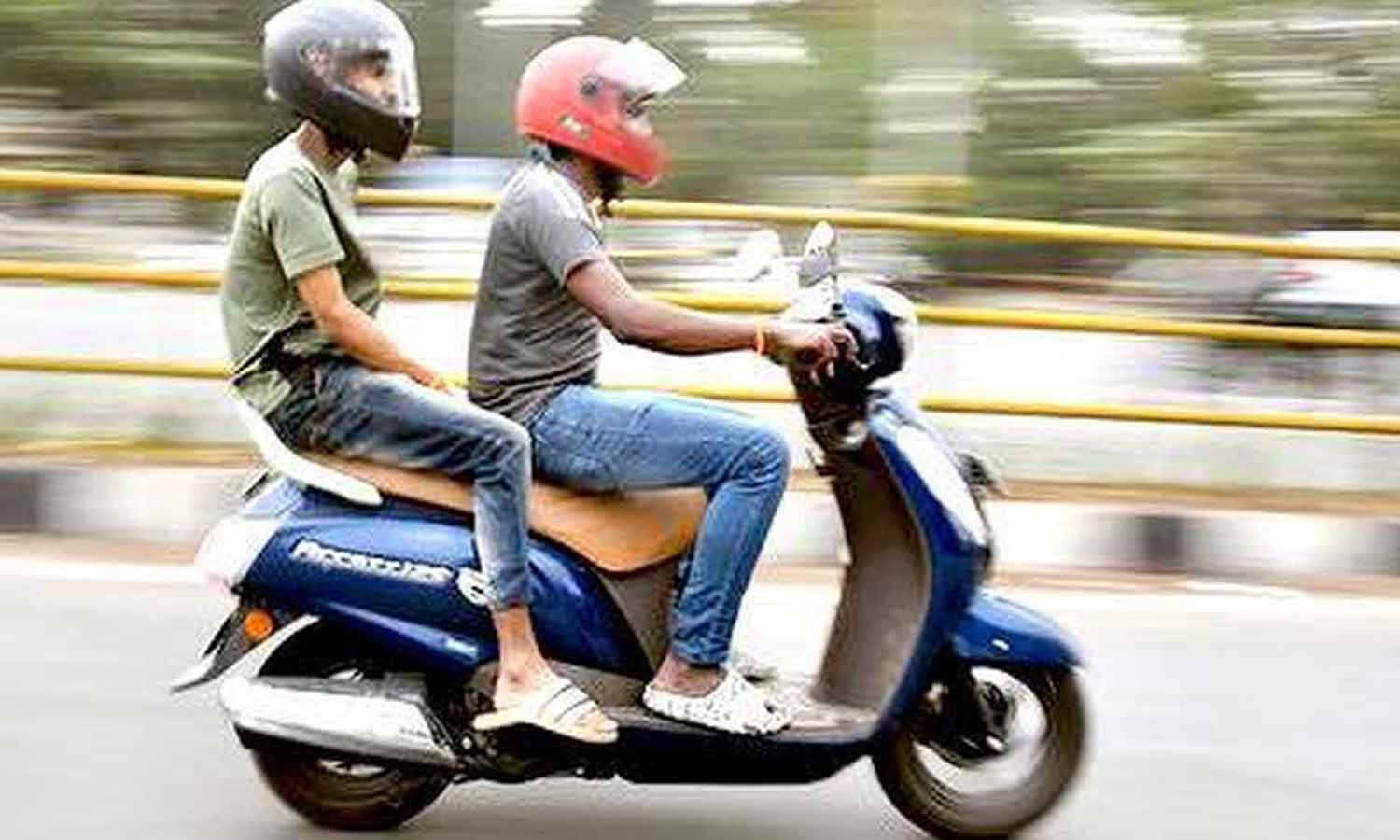
Gig Workers Demand Safety Rules for Private Bike Taxis

Bike Taxi Association Welcomes Gadkari's Push for Private Two-Wheeler Operations

Uber and Rapido Seek Approval for Pune E-Bike Taxis
Darjeeling Taxi Group Seeks Restriction on Plains Cabs' Sightseeing

Sarnaik Rebuts Raut’s Auto-Driver Criticism Over Bike Taxis

Supreme Court Refers Election Commission Appointment Law to Larger Bench
Gyanesh Kumar Faces Election Panel Scrutiny Over Voter Roll Decisions
IIT Bombay Suicides Renew Debate Over Student Mental Health

Supreme Court Hears Mamata Banerjee Challenge to TMC Symbol Freeze