2 hrs ago
IIT Bombay Student Suicide Renews Questions About Institutional Accountability
A student named Sahil Ravindra Wakode died at IIT Bombay on September 18.
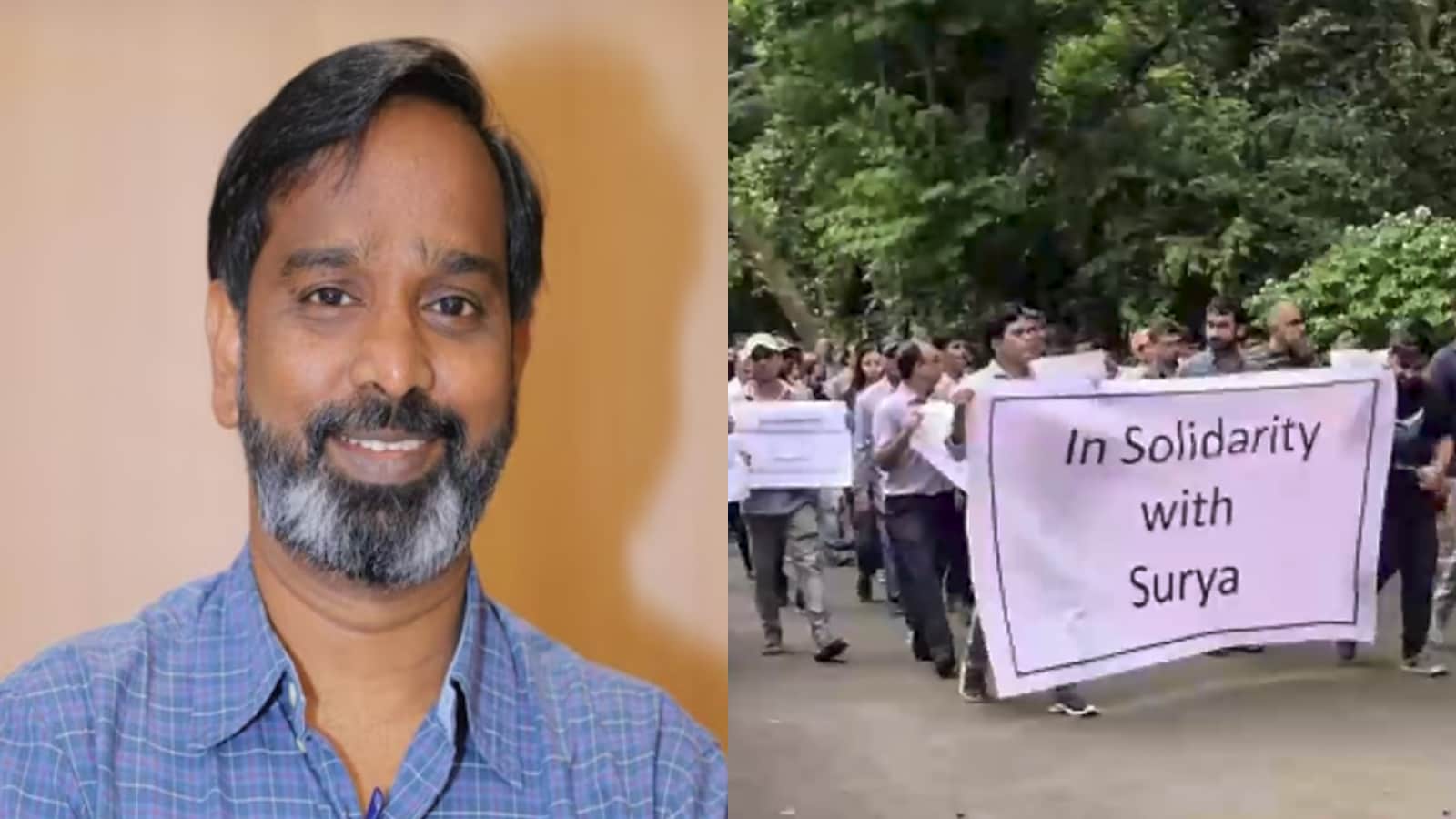
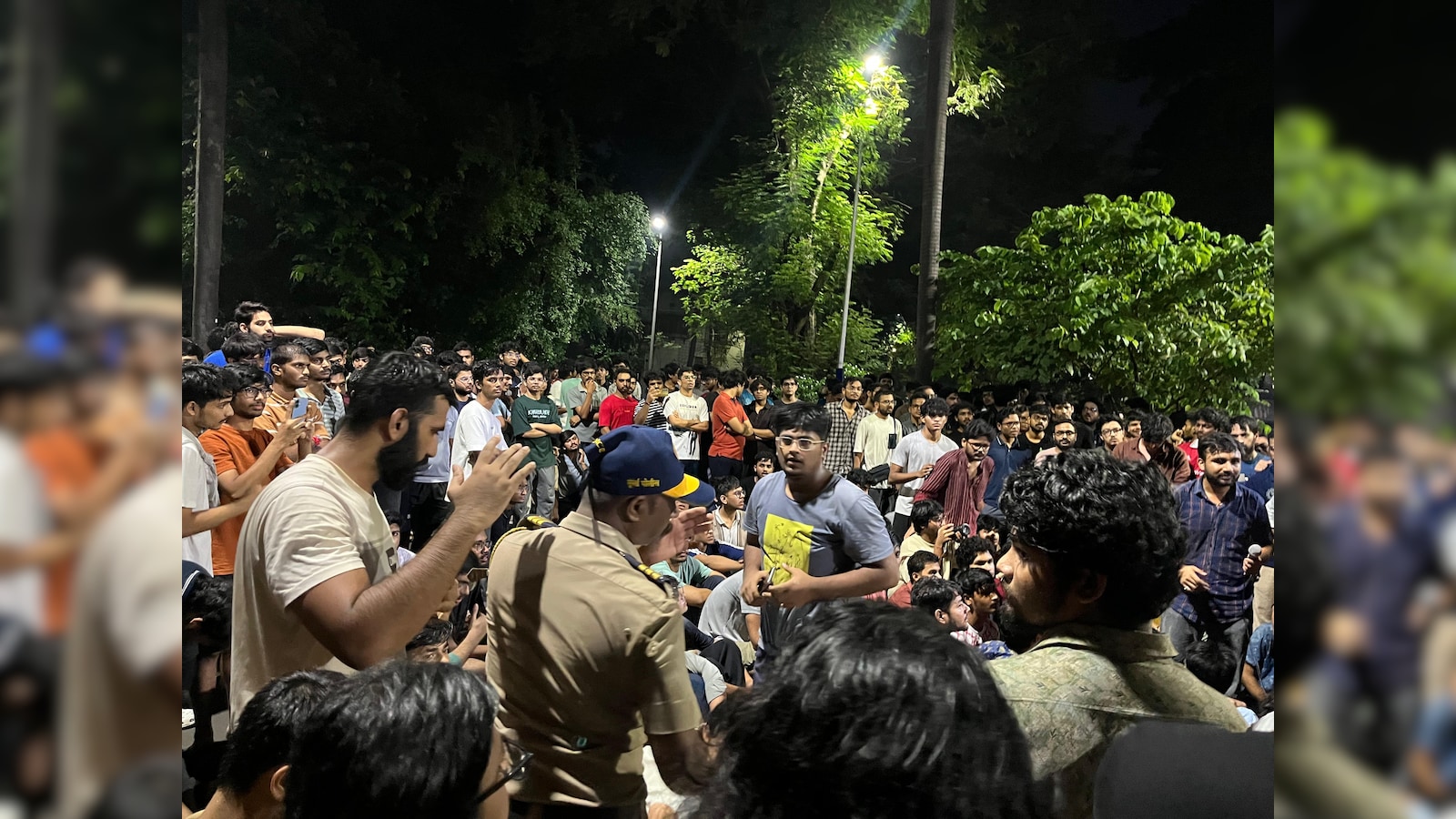
His death led students to protest and people to ask why students are taking their own lives.
Sahil’s parents said he may have faced harassment, so investigators have been urged to examine the case carefully.
The article says student suicides can have many causes, not just examination problems.
These causes may include academic pressure, discrimination, money worries and harassment.
Schools and colleges need ways for students to report problems safely.
They also need trained staff who can provide mental-health support.
Replacing ceiling fans might remove one possible method of suicide, but it would not solve the deeper causes.
Governments and institutions are being asked to investigate wrongdoing and prevent future deaths.

Sahil Ravindra Wakode, a 22-year-old IIT Bombay student, was found hanging in his hostel room on September 18.
His death prompted student protests and renewed scrutiny of suicides at IITs and other higher-education institutions.
Sahil’s parents alleged harassment, prompting calls for a thorough investigation and stronger grievance-redressal systems.
Education Ministry data recorded 39 suicides across IITs between 2018 and 2023, while an alumni group reported 171 unnatural deaths over 20 years.
A national task force identified academic pressure, caste discrimination, financial stress, sexual harassment and examination pressures as possible contributors to student distress.
- Who
- Sahil Ravindra Wakode, a 22-year-old second-year BTech student at IIT Bombay, died; his case involves the institute, governments, police and other stakeholders.
- What
- His death has renewed debate over student suicides, harassment allegations, institutional accountability and suicide-prevention measures.
- Where
- IIT Bombay’s campus in India.
- When
- September 18; the article also cites IIT suicide data for 2018–2023 and a task-force report made public in June 2026.
- Why
- The incident prompted protests and calls to identify the causes of student distress, improve grievance redressal and provide timely mental-health support.
Broader Safeguards and Student Protection
Due Process and Fairness for All
Handling harassment and caste-related complaints
Broader Safeguards and Student Protection
Student protections, grievance-redressal systems and safeguards against caste discrimination must be strengthened so students can report problems and receive remedies.
Due Process and Fairness for All
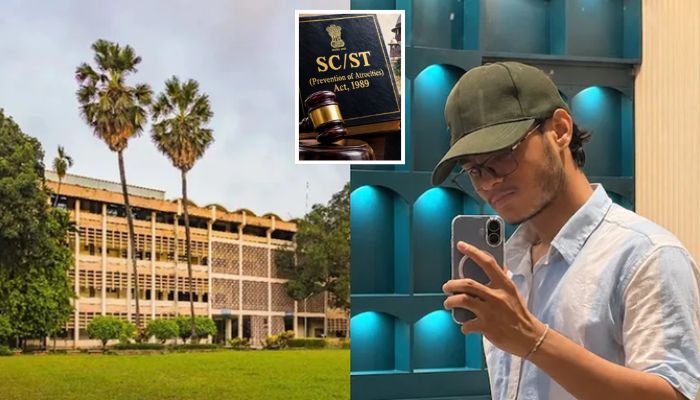
Allegations of misuse of the SC/ST Act should be examined using evidence and due process, while preserving the law’s legitimate protection against caste-based atrocities.
Response to suicide risk
Broader Safeguards and Student Protection
Institutions should prioritize mental-health support, trained faculty, prevention systems and investigation of circumstances surrounding every death.
Due Process and Fairness for All
Physical changes such as replacing ceiling fans should not be treated as a complete solution, and responses should avoid knee-jerk measures that overlook deeper causes.
Key facts
- Student
- Sahil Ravindra Wakode, 22, a second-year BTech student in Energy Science and Engineering
- Institution
- Indian Institute of Technology Bombay
- Incident
- He was found hanging from the ceiling fan in his hostel room on September 18
- IIT suicide data
- The Ministry of Education reported 39 student suicides across IITs between 2018 and 2023
- Alumni-group data
- The Global IIT Alumni Support Group recorded 171 unnatural student deaths over 20 years, with 82% reportedly suicides on campus
- Task-force findings
- The National Task Force cited academic pressure, caste discrimination, financial stress, sexual harassment and examination-related pressures as possible contributors
- Proposed measure
- IIT Bombay was reportedly considering replacing ceiling fans with wall-mounted fans, though the article says this would not address underlying causes
Sources
Related news

IIT Bombay Death Renews Scrutiny of Student Suicide Crisis
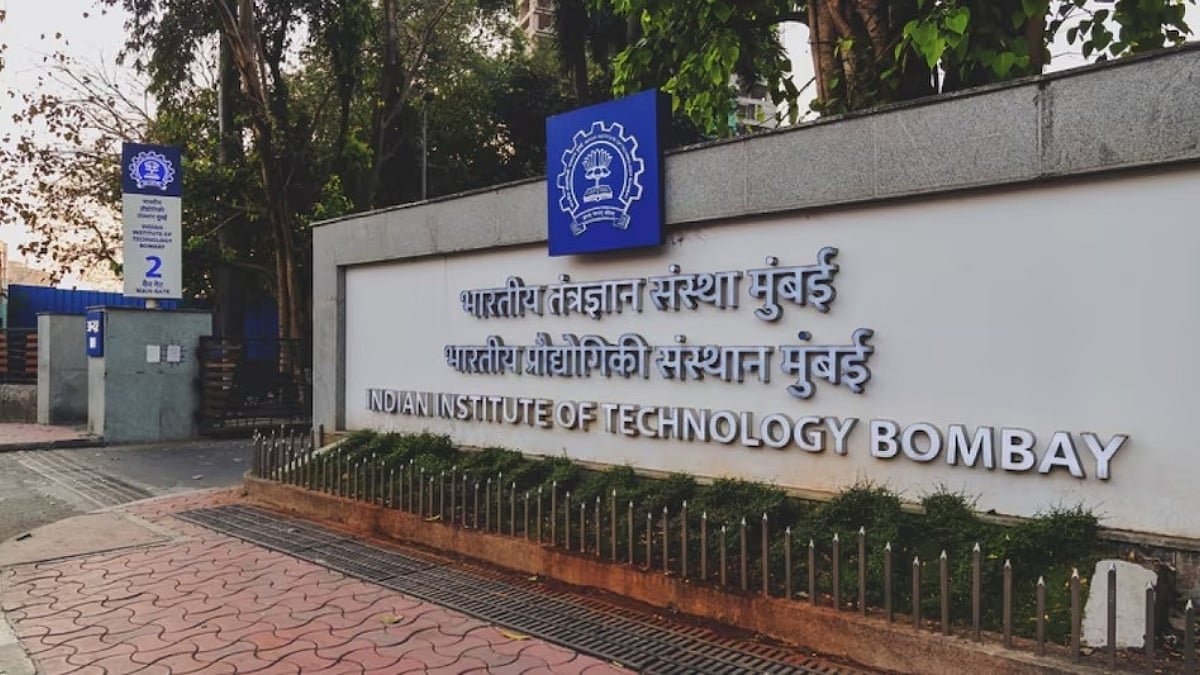
IIT Bombay Death Sparks Protest and Mental Health Concerns
India Urged to Create Law Protecting Students in Higher Education
IIT Bombay Student Death Spurs Protests Over Accountability

IIT Bombay Students Seek Mental Health and Welfare Reforms
IIT Bombay Student Death Sparks Caste Discrimination Debate

IIT Bombay Suicide Case Sparks SC/ST Act and Caste-Bias Debate
IIT Bombay Faculty Forum Backs Professor Amid Student Death Case