2 hrs ago
Three Scientists Win 2026 Nobel Medicine Prize for Optogenetics

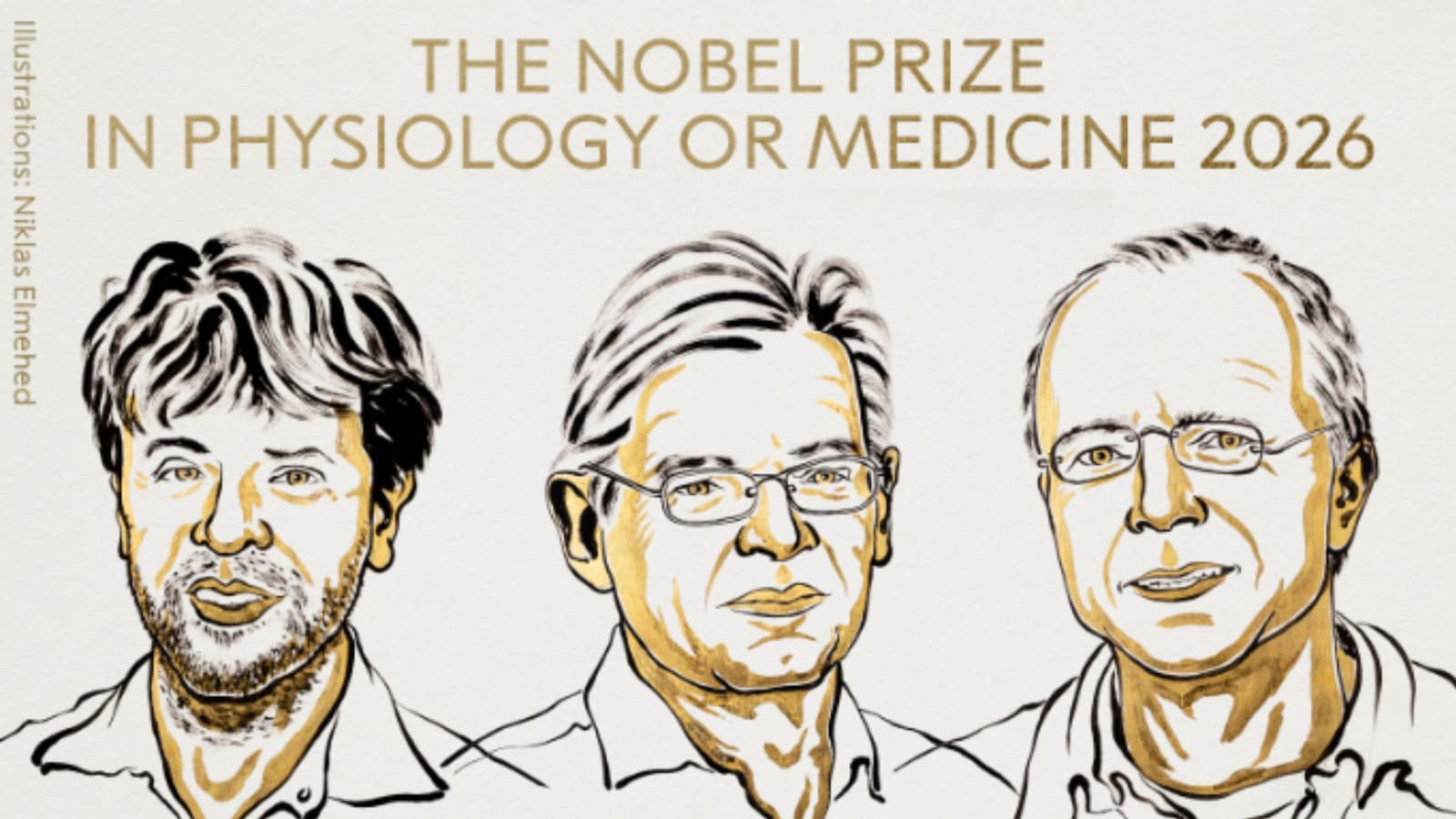
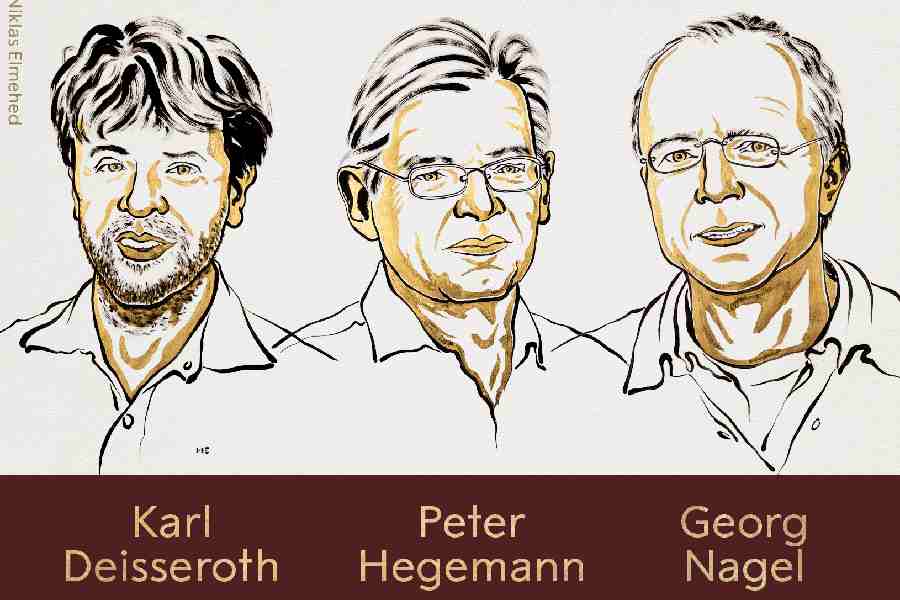
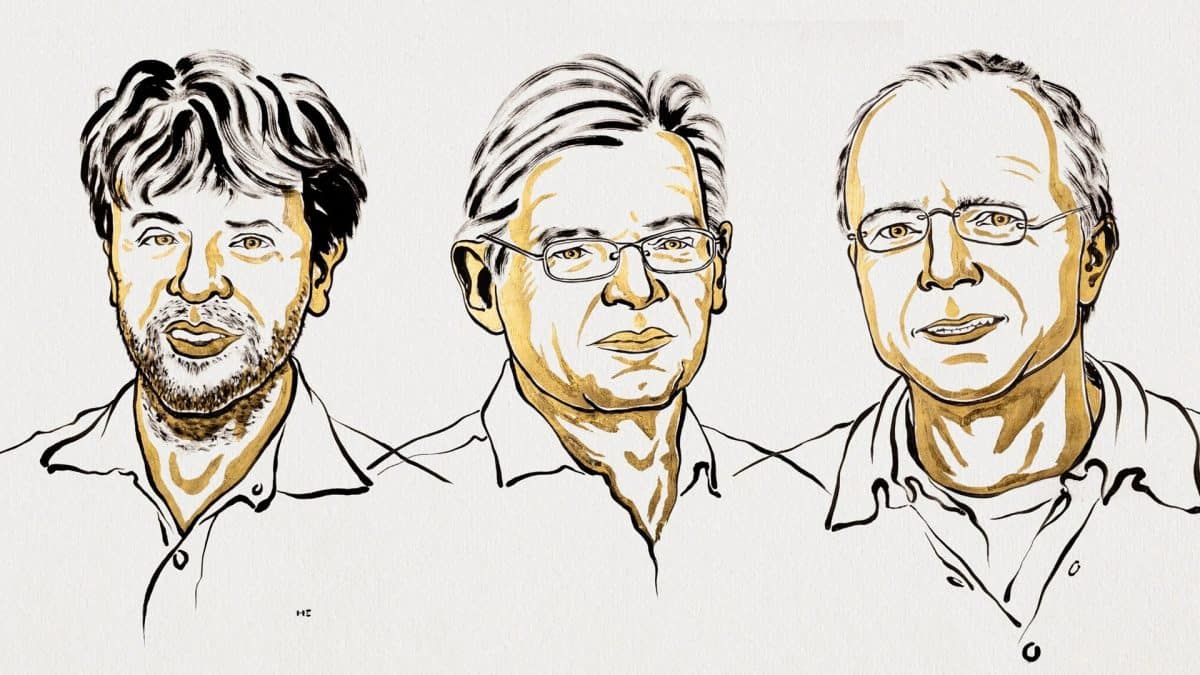
Three scientists—Karl Deisseroth, Peter Hegemann and Georg Nagel—won the 2026 Nobel Prize in Physiology or Medicine.
They were honored for discoveries that helped create optogenetics.
This technique lets researchers use light to control selected nerve cells.
Hegemann studied how algae respond to light, and Nagel helped identify a light-sensitive protein called channelrhodopsin.
Deisseroth later showed that the protein could make nerve cells respond to light.
He also demonstrated the approach in living mouse brains.
Researchers now use optogenetics in laboratories around the world to study the brain.
The three scientists will share 12 million Swedish kronor, about $1.2 million.

Karl Deisseroth, Peter Hegemann and Georg Nagel won the 2026 Nobel Prize in Physiology or Medicine.
They were recognized for discoveries concerning light-gated ion channels and the development of optogenetics.
Optogenetics uses light to switch the activity of selected nerve cells on or off in a living brain.
Hegemann and Nagel’s channelrhodopsin research was followed by Deisseroth’s demonstrations in nerve cells and living mice.
The laureates will share 12 million Swedish kronor, about $1.2 million; the prize was announced in Stockholm on October 5.
- Who
- Karl Deisseroth, Peter Hegemann and Georg Nagel.
- What
- They won the 2026 Nobel Prize in Physiology or Medicine for discoveries concerning light-gated ion channels and optogenetics.
- Where
- The announcement was made at the Karolinska Institute in Stockholm.
- When
- The prize was announced Monday, October 5, 2026.
- Why
- Their work enabled optogenetics, which allows researchers to use light to control selected nerve cells and study brain activity.
Key facts
- Prize
- 2026 Nobel Prize in Physiology or Medicine
- Laureates
- Karl Deisseroth, Peter Hegemann and Georg Nagel
- Recognized work
- Discoveries concerning light-gated ion channels and optogenetics
- Prize amount
- 12 million Swedish kronor, about $1.2 million, shared by the laureates
- Announcement date
- Monday, October 5, 2026
- Announcement location
- Karolinska Institute, Stockholm
- Reported affiliations
- Deisseroth at Stanford University; Hegemann at Humboldt University in Berlin; Nagel at the University of Würzburg
- Research use
- Optogenetics is used in laboratories around the world to investigate brain activity.
Quotes
Nobel prize-givers
The award-giving body explaining the use of optogenetics.
“All three said the same thing, that they thought it was absolutely wonderful to receive the prize with the other two and they call them my friends. That it’s such an honour to receive them together. So that’s something they conveyed”
 theprint.in
“Optogenetics “makes it possible to switch on, or off, the activity of individual nerve cells in a living brain,””
theprint.in
Sources
Nobel Medicine Prize Goes To 3 Scientists For Research Into Brain Activity
German and US scientists win Nobel medicine prize for work on optogenetics
Karl Deisseroth, Peter Hegemann and Georg Nagel win Nobel Prize in medicine - Telegraph India
Nobel Prize in Medicine 2026 awarded to Karl Deisseroth, Peter Hegemann, Georg Nagel
Related news
Scientists Grow Brainstem Cells in Petri Dishes for First Time
Nobel Prizes: 2026 Awards Begin With Medicine, End With Economics

Nitin Gupta: From JEE 2000 Topper to Mosquito Brain Researcher
Nobel Prize 2026 Announcements Scheduled Across October

Human Brain Organoids Integrated Into Mouse Brains, Enabling Disease Research

Scientists Develop SORDINO Technique to Make MRI Scans Quieter
CERN Experiment Recreates Cosmic Ray Collisions in Earth’s Atmosphere
AfD Turns East Germany’s Vespa Into Election Vehicle