

53 mins ago
Biofortified Crops Could Shift Indian Agriculture Toward Nutrition

For a long time, farmers and scientists worked mainly on growing more food.
India now has enough calories, but many people still do not get enough important nutrients.
Biofortification means growing crops that naturally have more nutrients.
Scientists can develop these crops through plant breeding, without adding nutrients in a factory.
The article says India has released more than 150 biofortified crop varieties.
Some farmers in Madhya Pradesh, Uttar Pradesh, and Bihar are growing them.
Biofortified wheat looks, cooks, and tastes like ordinary wheat, while containing roughly twice as much iron and zinc, according to the article.
The author believes these crops could help people get more nutrition from familiar foods.
They could also give farmers higher-value crops.

The article argues Indian agriculture has focused on crop yields more than nutrition.
It links nutrient deficiencies in India to an agricultural challenge as well as a public-health concern.
Biofortification uses plant breeding to develop crops that naturally contain more micronutrients, without genetic modification or nutrients added during processing.
The article says ICAR has released more than 150 biofortified varieties across several crops, and farmers in Madhya Pradesh, Uttar Pradesh, and Bihar are cultivating them.
The author says biofortified wheat has roughly twice the iron and zinc of conventional wheat and could benefit both farmers and consumers.
- Who
- The author, identified as Founder and CEO of Better Nutrition, discusses biofortified crops and Indian farmers growing them.
- What
- The article advocates biofortification as a way to shift agriculture from prioritizing yield toward delivering more nutrition.
- Where
- India, including Madhya Pradesh, Uttar Pradesh, and Bihar.
- When
- Published October 11, 2026.
- Why
- The author argues that nutrient deficiencies persist despite adequate calorie supplies, and that crops can help address this problem by naturally providing more micronutrients.
Key facts
- Publication date
- October 11, 2026
- Biofortified varieties
- The article says ICAR has released more than 150 varieties.
- Crops mentioned
- Wheat, rice, pearl millet, sorghum, maize, and mustard.
- Reported cultivation areas
- Madhya Pradesh, Uttar Pradesh, and Bihar.
- Farmers reached by Better Nutrition
- The author says the organization works with nearly 24,000 farmers.
- Biofortified wheat
- The article says it contains roughly twice the iron and zinc of conventional wheat.
- Method described
- Conventional plant breeding; the article says biofortification does not involve genetic modification or adding nutrients during processing.
Sources
Related news
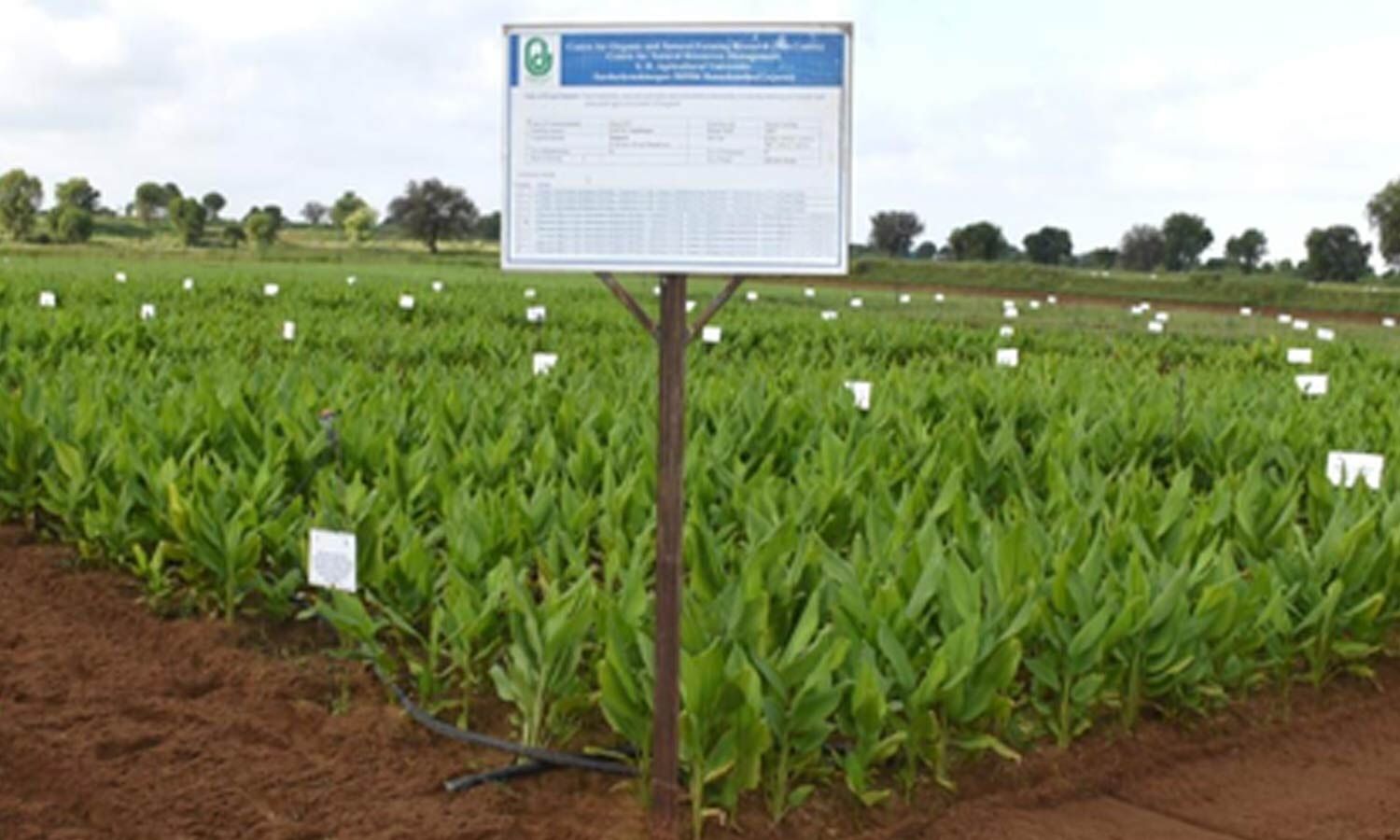
Gujarat Natural Farming Trial More Than Doubles Turmeric Output

Plant Protein Moves From Gym Supplements to Indian Homes
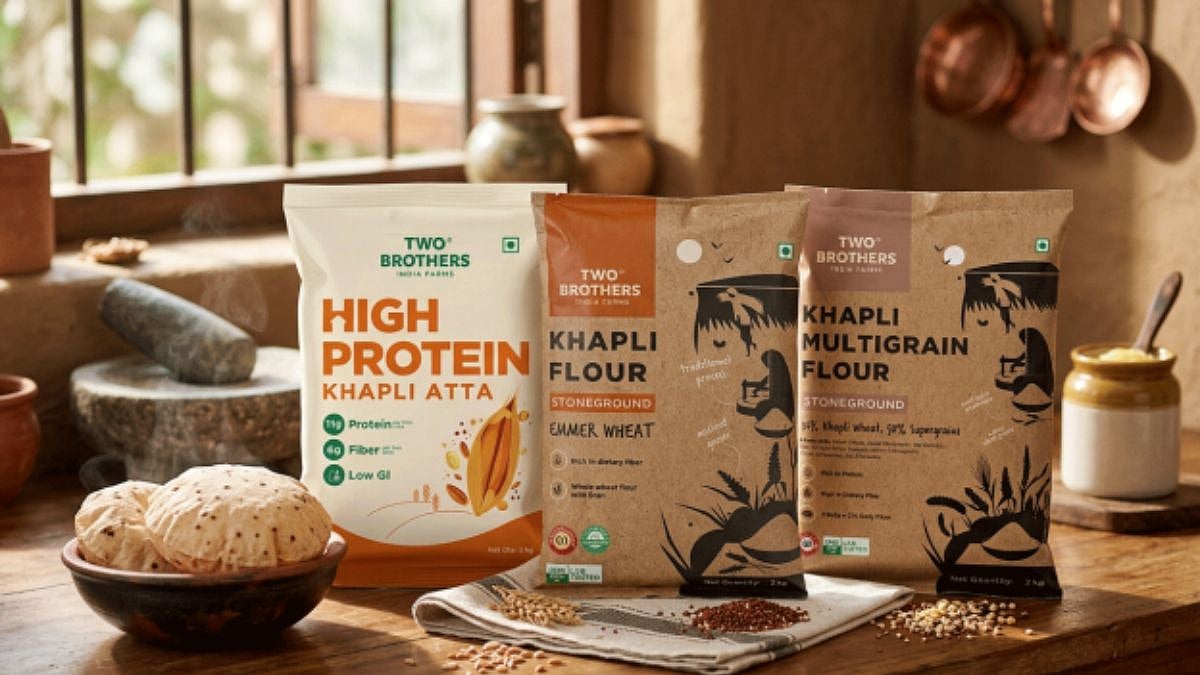
High-Protein Khapli Atta Offers Vegetarians an Everyday Protein Boost
Researchers Warn Polishing May Reduce Millets’ Nutritional Benefits
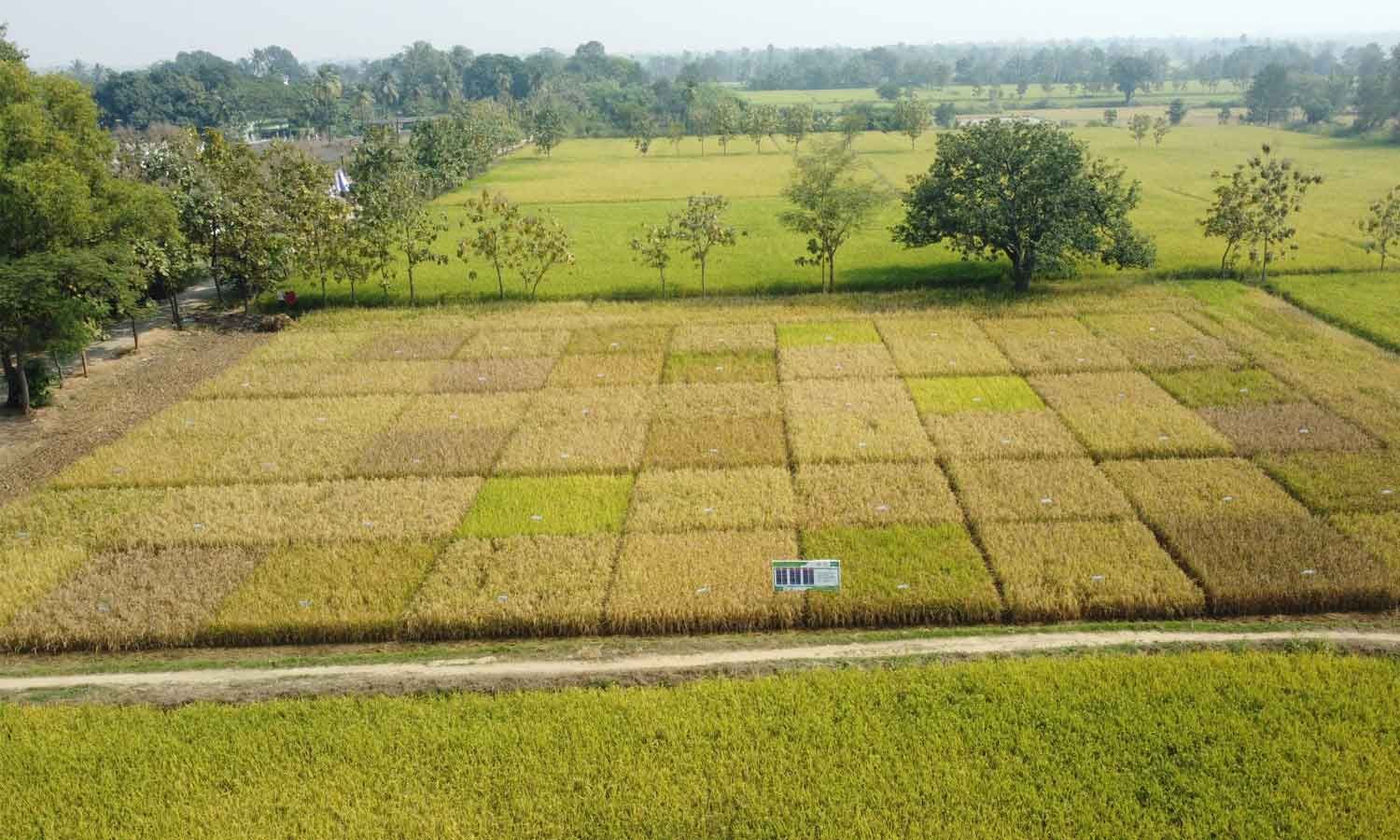
Odisha Pushes Toward a Farmer-Centric, Value-Driven Rice Economy
PM Modi Highlights Sea Buckthorn, Makhana And Other Superfoods

How the Khaitans Built Radico Khaitan’s Liquor Empire

Samajwadi Party Begins 2027 Election Mobilisation in Saifai

Congress Weighs SP Alliance Against Revival in Uttar Pradesh

BJP’s Uttar Pradesh Challenge: Reaching Voters, But Listening
