1 hr ago
Researchers Warn Polishing May Reduce Millets’ Nutritional Benefits
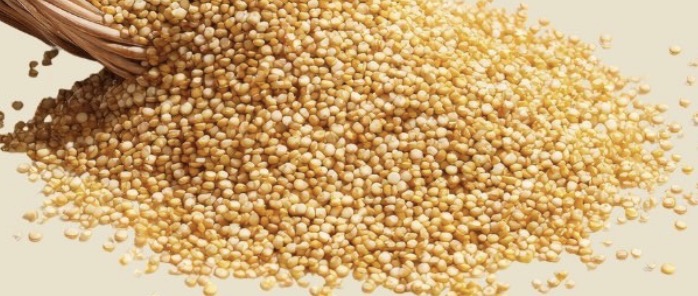
Millets are grains that can be sold polished or unpolished.
Polishing removes some outer parts of the grain.
Those parts contain fibre and other nutrients.
Researchers say polished millets may therefore have fewer of these nutrients.
They also warn that whole grains do not always cause a small rise in blood sugar.
How a millet is processed and cooked can affect the body's response.
Unpolished millets can take longer to cook and may be harder to store.
Experts want packages to clearly say whether the millets are polished.

Researchers say polishing removes parts of millets that contain fibre, protein, fat and minerals.
A survey by Madras Diabetes Research Foundation found several millets commonly sold polished despite whole-grain and health claims.
The researchers warn that polishing could reduce potential benefits for post-meal blood glucose responses.
Whole-grain status alone does not guarantee a low glycaemic index; preparation and processing also matter.
Experts recommend clear labelling and better ways to process, store and prepare unpolished millets.
- Who
- Researchers from ICAR-Indian Institute of Millets Research, ICMR-National Institute of Nutrition and Madras Diabetes Research Foundation, along with other experts.
- What
- They warned that polishing millets can reduce nutritional content and called for accurate labelling and improved processing.
- Where
- India.
- When
- The viewpoint was published in the Indian Journal of Medical Research; no publication date was stated.
- Why
- Polishing removes grain layers containing nutrients, and consumers may not know whether millets marketed as whole grain have been polished.
Nutrition and transparency
Convenience and shelf life
Choosing polished or unpolished millets
Nutrition and transparency
Researchers and dietitian Priyadarsini Kadiyala recommend unpolished millets to retain more nutrients, and researchers urge accurate labelling.
Convenience and shelf life
Polished millets are generally softer, quicker to cook and have a longer shelf life; unpolished varieties can pose challenges with taste, texture, cooking time and storage.
Key facts
- Publication
- Indian Journal of Medical Research
- Millets found commonly available polished
- Barnyard, little, kodo, foxtail and proso millets
- Parts removed by polishing
- Bran, aleurone layer and part of the germ
- Nutrients that can be reduced
- Protein, fat, fibre and minerals
- Factors affecting glycaemic response
- Processing, particle size, cooking method, starch and fibre type, and how the millet is consumed
- Polished millet characteristics
- Generally whiter, softer, quicker to cook and longer-lasting in storage
- Unpolished millet challenges
- Taste, texture, cooking time and storage
Quotes
Priyadarsini Kadiyala
City dietitian who recommends unpolished millets.
“Individuals who eat millets must know to differentiate them through colour. Most of them do. Some also identify them through texture, while soaking them in water can help assess the quality.”
 deccanchronicle.com
“We recommend unpolished millets to many, including children, so they get the required nutrients from childhood and develop the habit for the future.”
deccanchronicle.com
Sources
Related news
Chef Anahita Dhondy Champions Millets Through Her New Grain Cookbook
Six Indian Rice Desserts Earn Places Among World's Best
Adding green peas can boost rice’s fibre and protein
PDS Rice Polished and Sold as Branded Rice in Karimnagar
PM Modi Highlights Sea Buckthorn, Makhana And Other Superfoods
Why Rice or Roti Affect Weight Differently Across People

Skipping Meals, Tobacco Use Triple Throat Cancer Risk

AIIMS Study Finds No Link Between COVID Vaccines and Sudden Deaths in Youth