

3 hrs ago
Why We Choose to Believe Obviously Fake AI Videos

AI can make videos that look real even though they are invented.
One example shows dogs seemingly choosing their forever owners.
People may enjoy these videos because they create warm and happy feelings.
The problem is that watching many fake videos might change how people judge real ones.
Some experts also worry that relying too much on AI could make people think, remember and plan less for themselves.
Other AI-made videos show home projects that may not work in real life.
The package also discusses cafes in Ahmedabad, India’s Asian Games hopes, similar-looking laptops and leadership during crises.
Its main question is whether comforting fake content has hidden costs over time.

AI-generated videos of dogs supposedly choosing their owners can feel comforting even when viewers know they are fake.
The article argues that emotions such as love, fear, wonder and joy drive engagement, which benefits online platforms.
Writers question whether repeated exposure to fabricated videos affects how people understand real footage and weakens independent thinking.
AI-generated home-improvement and gardening hacks can be impossible to recreate, potentially reducing viewers’ confidence.
The same Mint Lounge package also covers Ahmedabad cafes, India’s 2026 Asian Games hopes, repetitive laptop design and crisis leadership.
- Who
- Social-media viewers, AI-content creators, online platforms and writers examining the effects of synthetic media.
- What
- A discussion of why people willingly watch AI-generated videos they know are fake, and what repeated exposure may do to judgment and confidence.
- Where
- On platforms such as Instagram and in the wider online media environment.
- When
- The dog-video trend occurred earlier in the year; the related issue is dated 19 September 2026.
- Why
- Emotion encourages engagement, while the volume of fabricated content raises questions about misinformation, cognition and reliance on AI.
Affective Benefits
Cognitive Risks
Are fake videos harmless?
Affective Benefits
Viewers can knowingly suspend disbelief and enjoy AI-made videos as comforting, emotional entertainment.
Cognitive Risks
Repeated exposure to fabricated content could affect how people interpret genuine videos and normalize deception.
Does AI make life easier?
Affective Benefits
AI content can provide quick ideas, emotional engagement and convenient assistance with remembering, planning or making things.
Cognitive Risks
Overreliance on AI may reduce confidence and weaken people’s own remembering, planning and thinking skills.
Key facts
- Main example
- AI-made videos depict rescued dogs choosing a person as their owner.
- Emotional appeal
- The videos generate feelings including love, fear, wonder and joy.
- Central concern
- It remains unclear how frequent exposure to fabricated videos affects understanding of real videos.
- Practical effects
- Some AI-generated maker videos promise hacks that may be impossible to execute at home.
- Sports coverage
- The 2026 Asian Games are scheduled for 19 September–4 October in Aichi-Nagoya, Japan.
- India’s contingent
- India is described as sending a 500-strong contingent after winning more than 100 medals at the Hangzhou Games.
- Other features
- The package includes coverage of Ahmedabad cafes, modern laptop design and Suresh Narayanan’s crisis-leadership book.
Quotes
Suresh Narayanan
Former Nestlé executive and author of Courage Under Fire
“janangala pattuko (take care of people, and things will take care of themselves)”
 livemint.com
Sources
Related news

AI-Generated Lion Image Reveals New Challenges for Online Trust

Simple Ways to Check Whether Viral Videos Are AI-Generated

AI Animal Content Floods Social Media, Challenging Wildlife Trust

Viral Mix-Ups Reveal Why Online Claims Spread So Easily

AI Nostalgia Revives the 1980s While Hiding Its Costs

Real Images Face Ferocious Battle Against AI-Generated Fakes

Rishabh Pant Backs Indian Athletes Ahead of Asian Games 2026

Nagaland’s 1979 Life Revisited Through Japanese Photographer Yuzo Morita’s Archive

Quimcy Dsouza Loses Teqball Semifinal, Keeps Bronze Hopes Alive
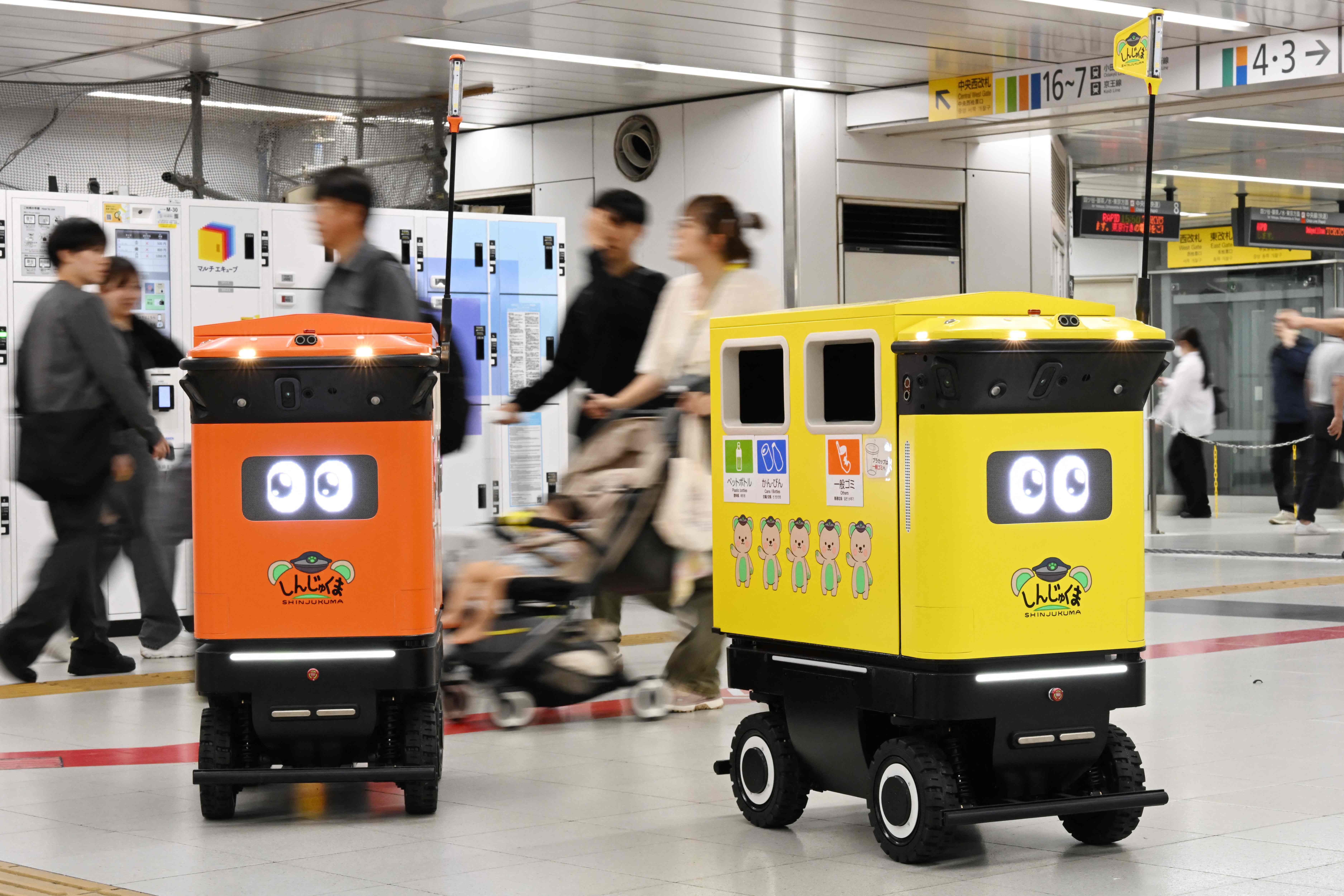
Shinjuku Station Tests Mobile Robot Bins to Ease Sanitation Work
