3 days ago
Global Economy Weathers Six Months of US-Israel War
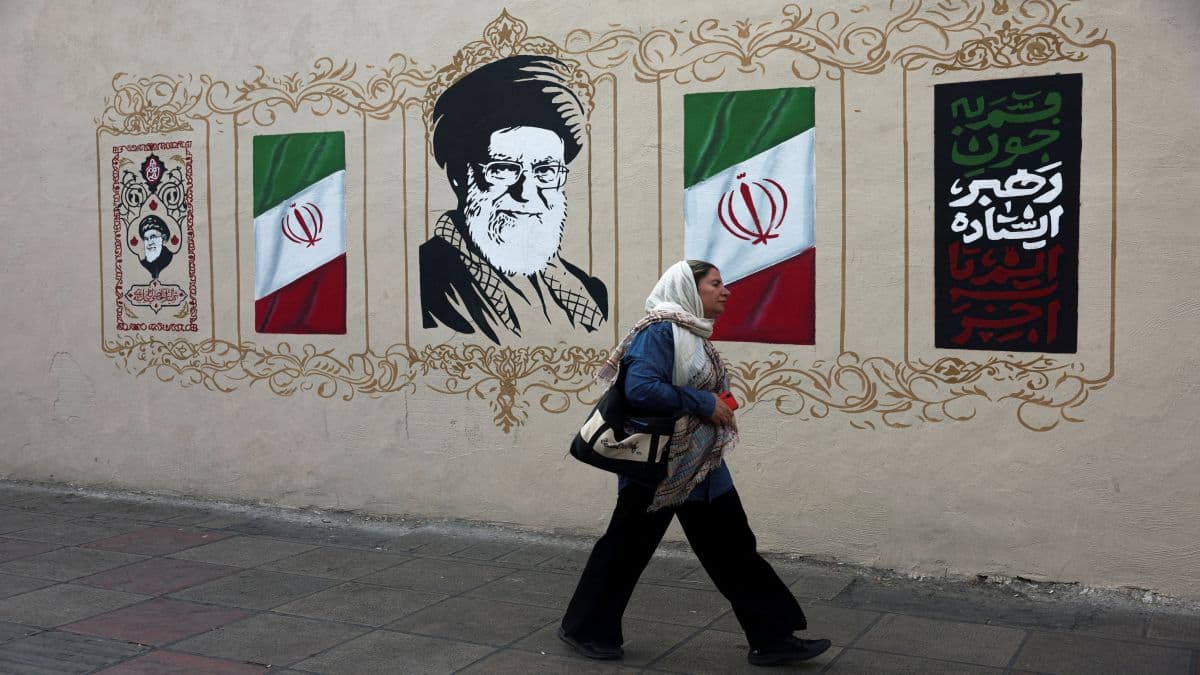
The war between the United States, Israel and Iran made people worry that the world economy would collapse.
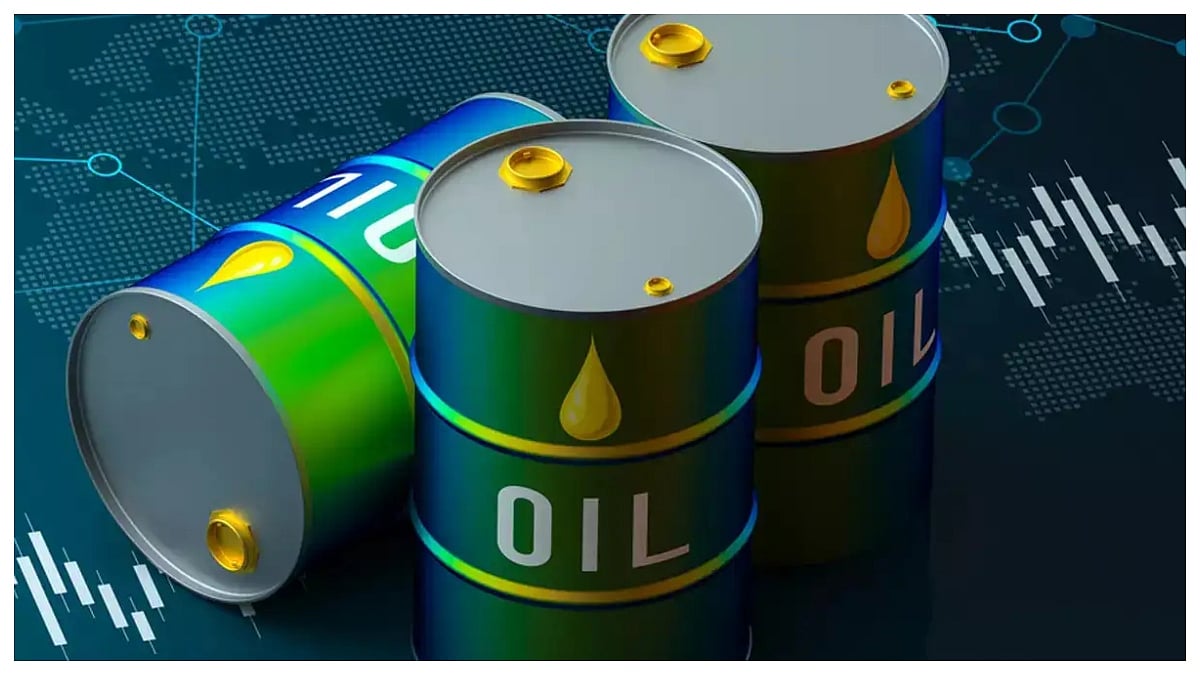
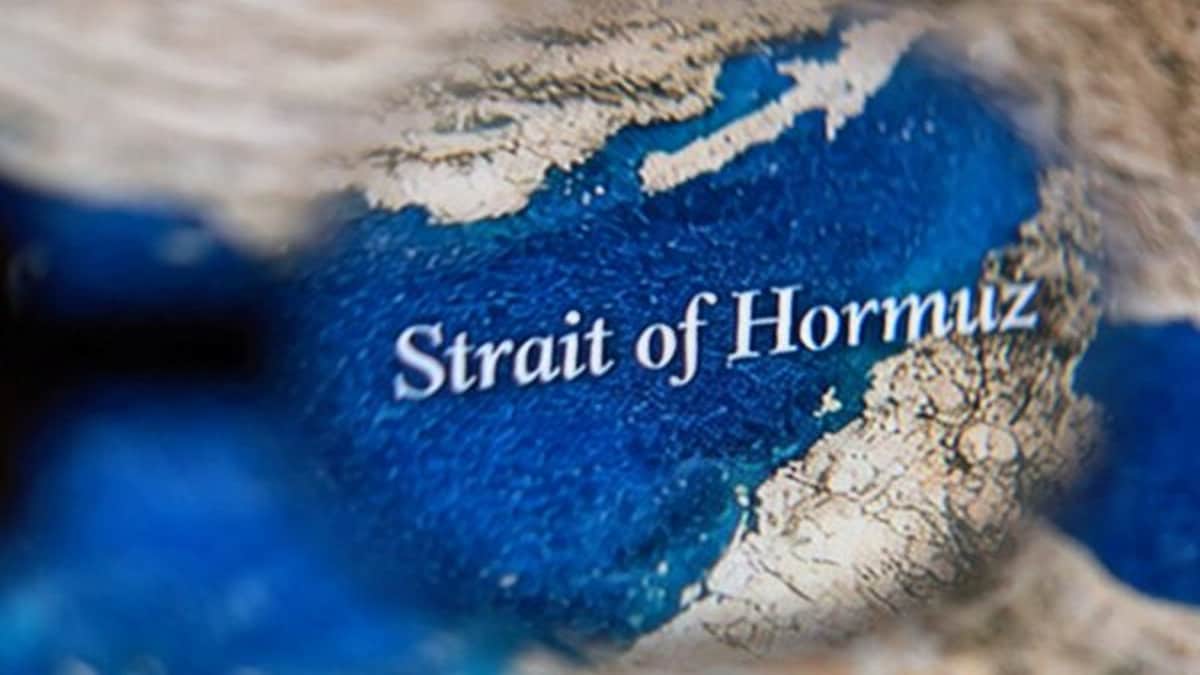
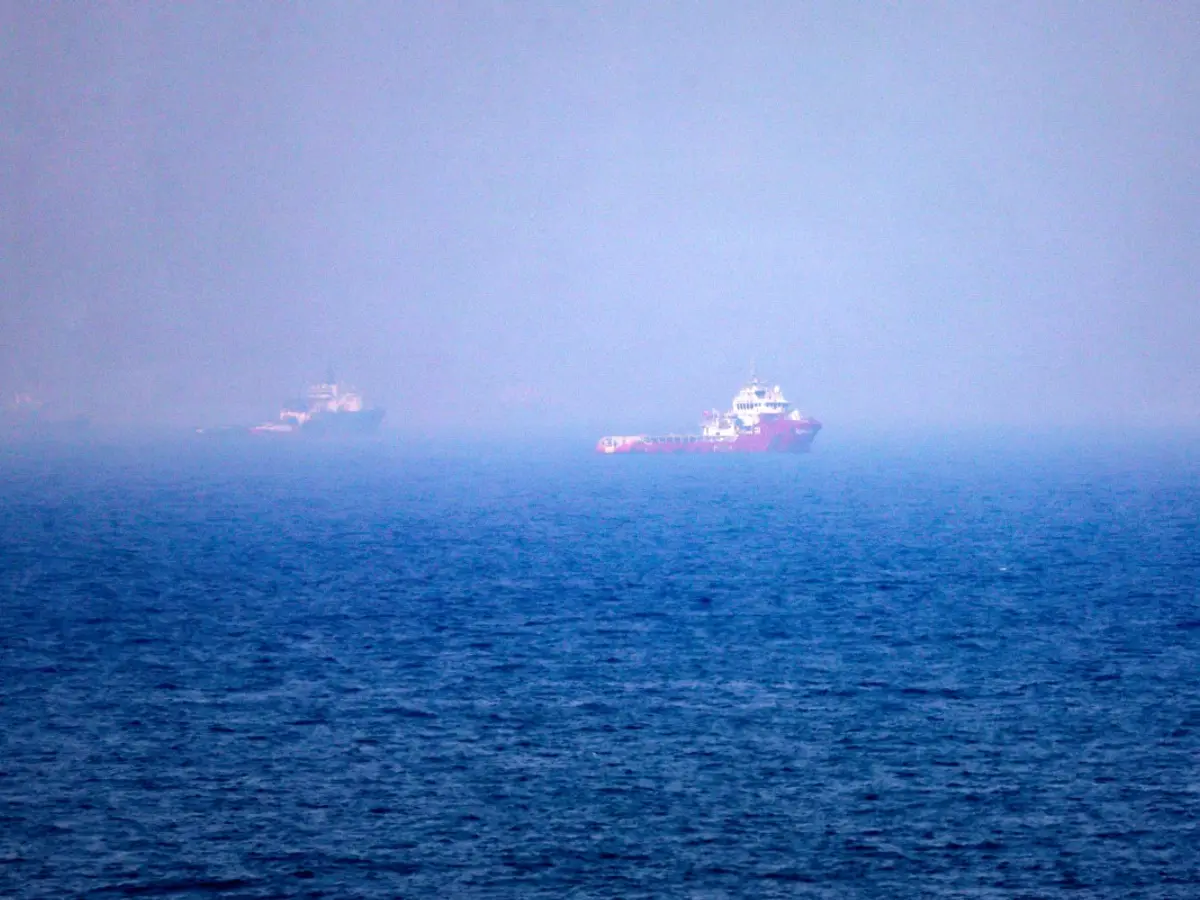
Oil became much more expensive because ships moved slowly through the Strait of Hormuz.
This raised the cost of flying, driving, food and many other goods.
Stock markets fell at first, but later recovered strongly.
Some countries and businesses responded by investing more in electric vehicles and clean energy.
Farmers also faced higher fertilizer prices, which could make it harder to grow enough food.
Aid organizations warned that poorer people could face more hunger.
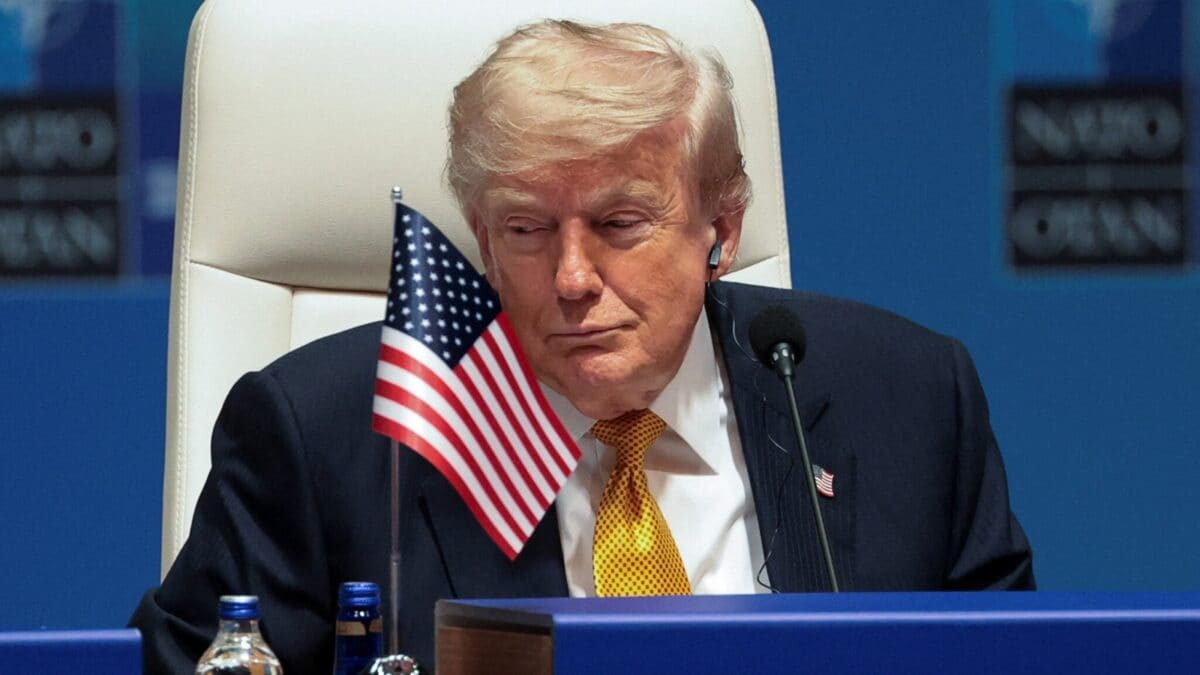
Businesses connected to President Donald Trump's family benefited from some military contracts and investments.
Overall, the economy has been hurt, but not as badly as many experts initially feared.

The global economy avoided the worst predictions of recession and economic catastrophe after six months of war.
Brent crude rose from about $72 to nearly $120 per barrel before easing to roughly 20% above prewar levels.
Higher fuel costs have raised airfares and reduced flight choices, while jet fuel is expected to average 70% more than in 2025.
The conflict accelerated interest in electric vehicles, renewable energy, nuclear power and domestic fuel production.
Higher fertilizer and transportation costs have increased hunger risks, while companies linked to the Trump family benefited from defense contracts and investments.
- Who
- The United States, Israel and Iran are directly involved; investors, travelers, farmers, vulnerable populations and Trump-linked businesses are among those affected.
- What
- Six months of war have disrupted energy and fertilizer markets while the global economy has performed better than the worst forecasts.
- Where
- The effects have been global, with particularly noted impacts in the Strait of Hormuz, Asia, Africa, Southeast Asia, Singapore, New Zealand and Colombia.
- When
- The conflict began with U.S. and Israeli attacks on February 28; the assessment covers the following six months.
- Why
- The war slowed tanker traffic and disrupted oil and fertilizer exports, raising costs, while enthusiasm for artificial intelligence helped offset some pressure on economic growth.
Critics and Concerned Observers
Defenders and Officials
Economic consequences of the war
Critics and Concerned Observers
Critics and humanitarian officials emphasize that higher oil, transportation and fertilizer costs are hurting travelers, farmers and poorer populations, with the World Food Programme warning that tens of millions could face hunger.
Defenders and Officials
The article’s more optimistic economic assessment says the global economy has absorbed the shock better than expected, with recovering stock markets and artificial-intelligence investment offsetting some war-related damage.
Trump-linked financial interests
Critics and Concerned Observers
Democrats said President Donald Trump's holdings in oil and gas stocks rose by as much as $15.5 million and questioned the benefits received by businesses connected to his family and associates.
Defenders and Officials
A spokeswoman for 1789 Capital Management said Donald Trump Jr. was not involved in investing in the companies, while a White House spokeswoman said there were no conflicts of interest and that the president acts in the public's best interests.
Long-term energy response
Critics and Concerned Observers
The disruption has increased costs and reduced consumer choice, while some analysts say high prices may persist in airfares and fuel surcharges.
Defenders and Officials
Clean-energy advocates and industry experts say the crisis is accelerating electric-vehicle adoption, renewable-energy investment, nuclear-power research and domestic refining.
Key facts
- Oil price movement
- Brent crude rose from about $72 per barrel before the war to nearly $120, then eased to about 20% above its prewar level.
- Stock-market recovery
- Since the late-March market bottom, the Dow gained nearly 19%, the S&P 500 almost 22% and the Nasdaq 27%.
- Air travel
- The International Air Transport Association expects jet fuel to cost an average of 70% more than in 2025.
- Flight reductions
- Lufthansa Group cut 20,000 short-haul flights.
- Electric vehicles
- Electric vehicles are projected to represent 29% of global vehicle sales in 2026, compared with 25% the previous year.
- Fertilizer prices
- Fertilizer prices peaked in April at 44% above their prewar level, according to the World Bank price index.
- Defense contract
- Powerus, which Eric Trump and Donald Trump Jr. are preparing to take public, received an Air Force contract worth up to $90 million for Iranian-drone interceptors.
Quotes
Michael Ashley Schulman
Investment strategist with Cerity Partners
“So far, the global economy has pulled off the financial equivalent of a ‘Mission Impossible’ scene.”
 firstpost.com
Brett House
Columbia University economist
“The likelihood that fuel surcharges are going to be rolled back and airfares are going to be brought down is very low over the next few months. There is less choice for consumers and less competition between airlines, and therefore, less pressure to rein in fare increases.”
firstpost.com
Carl Skau
Acting executive director of the United Nations World Food Programme
“An oil tanker anchored in the Strait of Hormuz can mean one less meal a day for a child in Sudan. When oil prices go up, so does the price of flour, rice and vegetables.”
firstpost.com
Sources
Related news
Six Months Into Iran War, Political and Economic Costs Mount

Six Months Into Iran War, No Winners and Global Costs

US-Iran Fighting Escalates, Raising Strait of Hormuz Risks
Markets Juggle Hormuz Risk, Hawkish Fed and AI Boom
Oil Prices Rise Fifth Session as Trump Tightens Iran Pressure

IMF Says AI Boom Cushions Oil Shock, But Risks Persist

Iran Seizes Fuel-Smuggling Vessel in Gulf, Arrests 11 Crew
Trump Floats Renaming Strait of Hormuz as “Trump Strait”

Chevron Plans $7 Billion Venezuela Expansion Amid U.S. Oil Push
Saudi Tanker Hit in Hormuz, Killing Two Filipino Sailors

U.S.-Iran Exchange Escalates Across Middle East, Markets Slide