2 days ago
Markets Juggle Hormuz Risk, Hawkish Fed and AI Boom
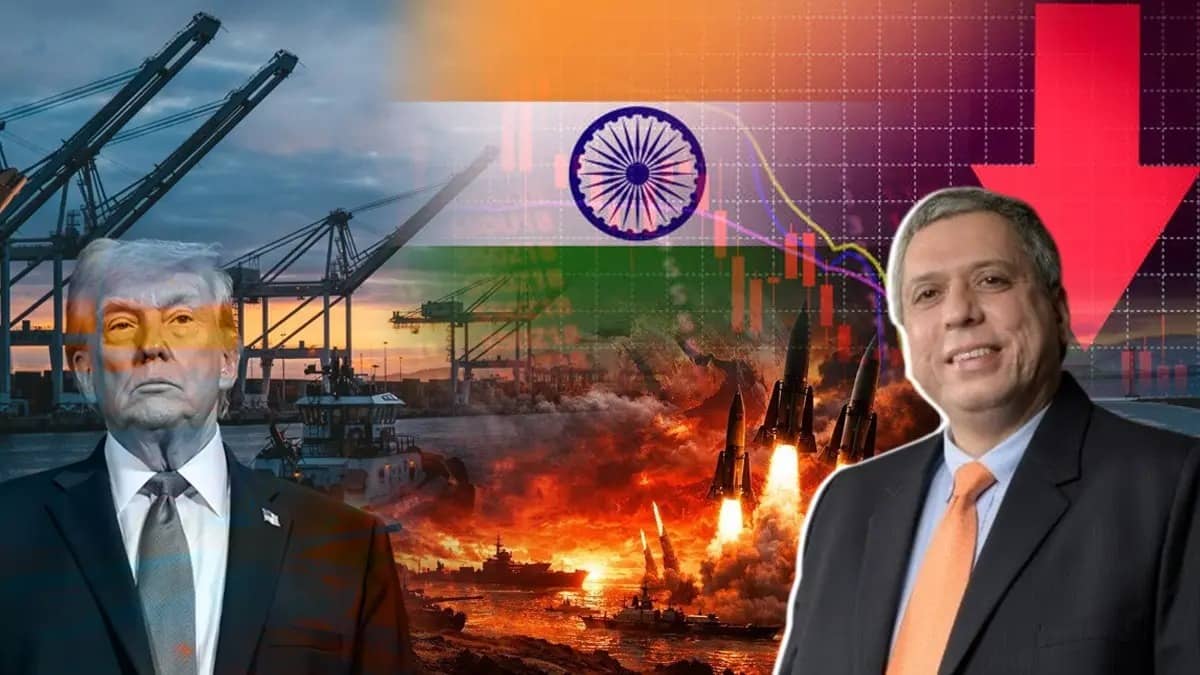
Global markets are being pulled by three big stories.
Fighting around the Strait of Hormuz has made oil more expensive and unpredictable.
The United States says it attacked Iranian launchers that could have placed mines in shipping routes, while Iran says the strait remains closed.
The new Federal Reserve chair also warned that inflation is still a problem, which could mean higher interest rates for longer.
Higher rates can make stocks less attractive, but gold is still popular as a safety asset.
At the same time, NVIDIA reported very strong growth because companies are spending heavily on artificial intelligence.
This helped technology shares, although high bond yields limit how much stock prices can rise.
India is especially sensitive because it imports a large amount of oil and is dealing with weak overall rainfall.
Analysts therefore favor carefully chosen Indian companies, especially those able to protect their profit margins.

Strait of Hormuz tensions have pushed Brent crude back above $90 a barrel after US strikes on Iranian rocket launchers.
Fed Chair Kevin Warsh warned that inflation remains unresolved, lifting September rate-hike odds above 50%.
Gold remains near $4,600-$4,650 an ounce despite a stronger dollar and higher interest-rate expectations.
NVIDIA’s revenue more than doubled to above $96 billion, sustaining optimism around artificial-intelligence investment.
Indian investors face elevated oil prices, a rainfall shortfall and uneven corporate earnings, favoring selective stock-picking.
- Who
- The United States, Iran, Federal Reserve Chair Kevin Warsh, NVIDIA and Indian investors are central to the market developments.
- What
- Markets are responding to renewed Hormuz tensions, a hawkish Federal Reserve signal, strong NVIDIA earnings and risks facing India’s economy.
- Where
- The main developments involve the Strait of Hormuz, the United States, Iran, global markets and India.
- When
- The developments occurred over the weekend and during the current market period; India’s Q1 FY27 earnings season is largely complete.
- Why
- The events affect oil supplies, inflation, interest rates, technology investment, currencies and corporate earnings.
AI-led market optimism
Macro and geopolitical caution
Primary market driver
AI-led market optimism
NVIDIA’s strong results and accelerating hyperscaler capital expenditure suggest that artificial-intelligence investment can continue powering technology stocks and broader markets.
Macro and geopolitical caution
Renewed conflict around the Strait of Hormuz, elevated oil prices and US Treasury yields above 4.7% could outweigh technology optimism and pressure risk assets.
Federal Reserve outlook
AI-led market optimism
The Federal Reserve’s refusal to commit to a rate path leaves room for markets to interpret future data favorably and avoids an immediate policy commitment.
Macro and geopolitical caution
Kevin Warsh said inflation trends have not improved meaningfully and suggested financial conditions may not be restrictive enough, increasing expectations of higher rates.
Indian equities
AI-led market optimism
Resilient aggregate earnings, private-bank strength and companies capable of defending margins support selective opportunities.
Macro and geopolitical caution
High crude prices, a weak monsoon and possible second-half earnings-estimate cuts threaten the rupee, consumption and oil-sensitive sectors such as aviation, paints, tyres and chemicals.
Key facts
- Brent crude
- Rose back above $90 a barrel after the Larak Island strikes.
- West Texas Intermediate
- Traded near $86 a barrel.
- September rate-hike odds
- Rose from roughly one-third to above 50% after Kevin Warsh’s speech.
- Gold price
- Trading around $4,600-$4,650 an ounce.
- Central-bank gold purchases
- Reached 288.9 tonnes in the second quarter, up 62% year on year.
- NVIDIA fiscal second-quarter revenue
- More than doubled year on year to above $96 billion.
- India rainfall
- Cumulative rainfall was approximately 11%-12% below the long-period average nationally.
Sources
Related news

Fed Speech, US-Iran Tensions and Oil Test Indian Markets

Crude Oil, US-Iran Tensions, Fed Signals to Shape Markets

Geopolitical Tensions, Crude Oil to Drive Indian Markets This Week

Global markets swing on Hormuz deal hopes as crude slips
US stocks open mixed as US-Iran standoff keeps markets cautious

Five triggers likely to dictate Indian stock market this week

Chevron Plans $7 Billion Venezuela Expansion Amid U.S. Oil Push

Saudi Arabia Says Iranian Tanker Attack Killed Two Sailors
U.S.-Iran Exchange Escalates Across Middle East, Markets Slide
Trump Aides Seek Quiet Iran War Before Midterm Elections
US Warns Middle East Travelers Amid Escalating Iran-Linked Tensions