1 hr ago
Rain Drives Snake Encounters, Raising Safety and Conservation Concerns

Rain can flood the places where snakes normally live.
When that happens, snakes may look for dry shelter in garages, gardens, drains, cars or homes.
They may also be attracted by rats living near rubbish or unused materials.
People should not go close to a snake or try to catch it.
Instead, they should watch from a safe distance and call trained rescuers.
Snakebite can be treated, but a bitten person must reach a hospital quickly.
Many bites are not recorded because some people first visit traditional healers.
Snakes do not naturally drink milk because they eat other animals.
Giving milk to a snake can hurt it, especially if the animal is dehydrated.

Rain and flooding push snakes from burrows and vegetation into human structures seeking shelter.
Garbage, unused materials and rats can attract snakes to homes, cars and other buildings.
Wildlife SOS advises people to keep their distance, avoid handling snakes and contact trained rescuers.
Snakebite treatment is time-sensitive, but underreporting and limited access to healthcare complicate India’s response.
Experts reject the belief that snakes need milk and warn that giving it may harm dehydrated animals.
- Who
- People, snakes, trained wildlife rescuers, public-health authorities and communities in India are involved.
- What
- Rain-related snake encounters and snakebite risks are prompting advice on safer rescue, faster medical treatment and wildlife coexistence.
- Where
- Across India, including homes, apartment buildings, university campuses, cars and agricultural or storage areas; the study also examined snake envenoming globally.
- When
- Encounters increase during rainy months; more than 100 rescues were reported in Agra between June and mid-July during the last monsoon. A national snakebite action plan was launched in March 2024, and a global study was published in 2026.
- Why
- Rain and flooding disrupt snake shelters, while rubbish, unused materials and rats can bring snakes closer to people.
Human Safety
Wildlife Coexistence
Responding to snakes near homes
Human Safety
People should prioritize safety by keeping their distance, preventing children and others from approaching, and calling trained rescuers rather than attempting to identify or capture the snake.
Wildlife Coexistence
Snakes should not automatically be treated as invaders because rain, flooding, shelter loss and prey availability can drive them into human spaces.
Reducing encounters
Human Safety
Removing rubbish, unused materials and conditions that attract rats can reduce the likelihood of snakes entering homes, cars and other structures.
Wildlife Coexistence
Managing human environments should be paired with respect for wildlife, using trained rescue services instead of killing or unnecessarily handling snakes.
Handling snakebite risk
Human Safety
A suspected bite requires immediate travel to a hospital because effective treatment is time-sensitive and delays can be fatal.
Wildlife Coexistence
Better awareness, healthcare access, emergency transport and data collection are needed so remote communities can receive treatment and snakebite is not hidden by underreporting.
Key facts
- Agra rescue calls
- Rescuers reportedly handled more than 100 snake-rescue calls between June and mid-July during the last monsoon.
- Global envenoming estimate
- A 2026 PLOS Medicine study estimated that 2.1 million to 7 million people may be envenomed by snakes globally each year.
- India case estimate
- The study placed India among the countries with the largest burden, with an upper estimate of about 1.3 million snakebites annually.
- India death estimates
- Earlier research estimated about 58,000 snakebite deaths annually between 2000 and 2019; another analysis estimated 51,100 deaths in 2019.
- National action plan
- India launched its National Action Plan for Prevention and Control of Snakebite Envenoming in March 2024.
- Global target
- The World Health Organization’s strategy aims to halve snakebite-related deaths and disability by 2030.
- Recommended response
- People should keep away from snakes, observe them from a safe distance, avoid handling them and contact trained rescuers where available.
Quotes
Baiju Raj
Director of Conservation Projects and Senior Wildlife Biologist at Wildlife SOS
“We always tell people not to go near the snake. Observe it from a safe distance and keep track of where it is moving.”,”The most important thing is reaching a hospital on time. You cannot waste time after a snakebite.”,”Snakes are reptiles, and they cannot digest milk. They are carnivores. They feed on other animals; milk is not part of their natural diet.”
 thebetterindia.com
Sources
Related news

Nagarkurnool Students Learn About Snakebite Safety and Conservation
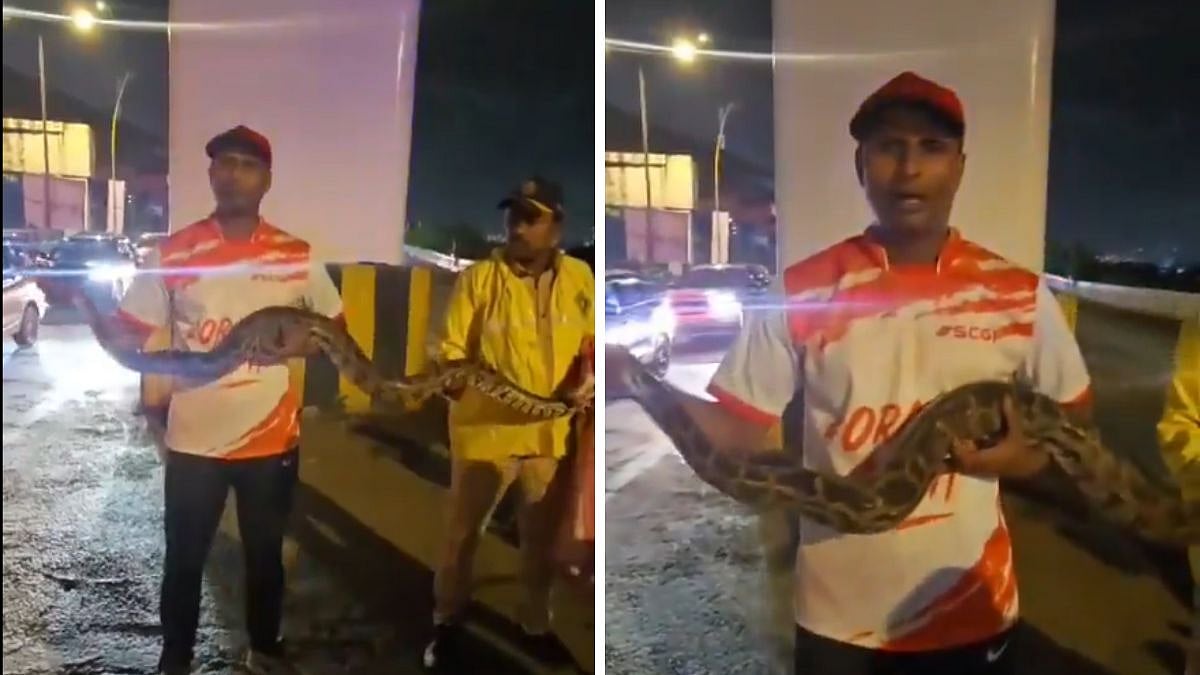
Nine-Foot Python Rescued In Mumbai’s Bandra East, Released

NHRC Orders States to Improve Snakebite Treatment and Safety
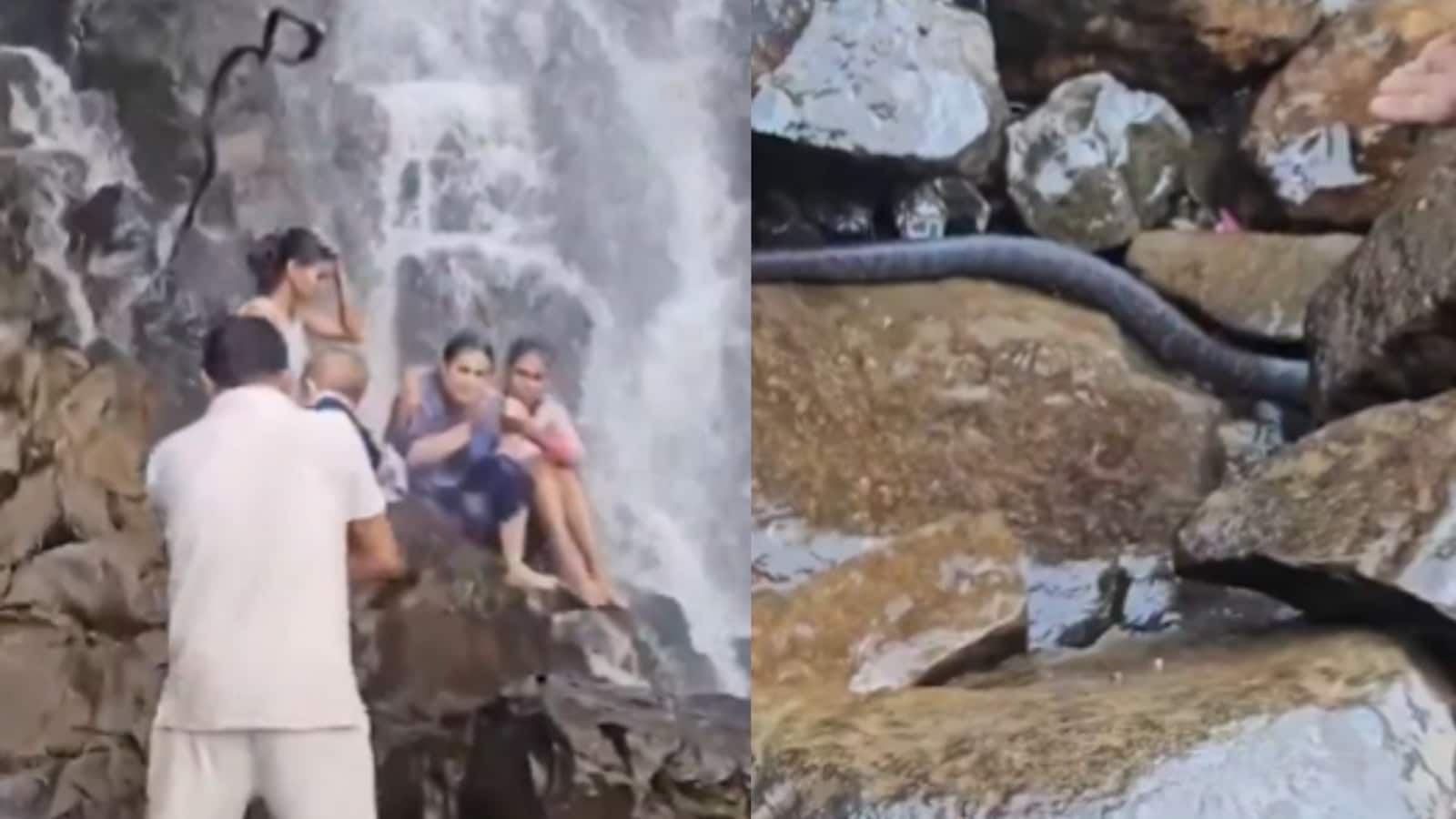
Large Snake Falls On Man Carrying Child At Waterfall
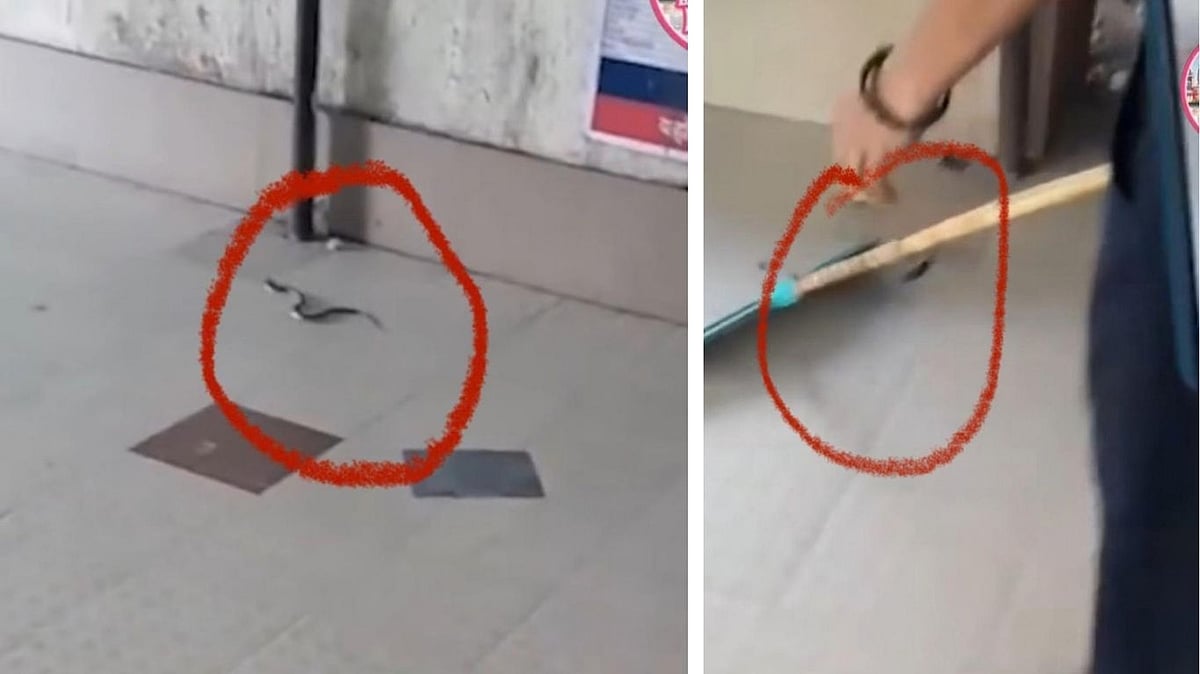
Snake Enters Indore Hospital’s New OPD, Video Goes Viral
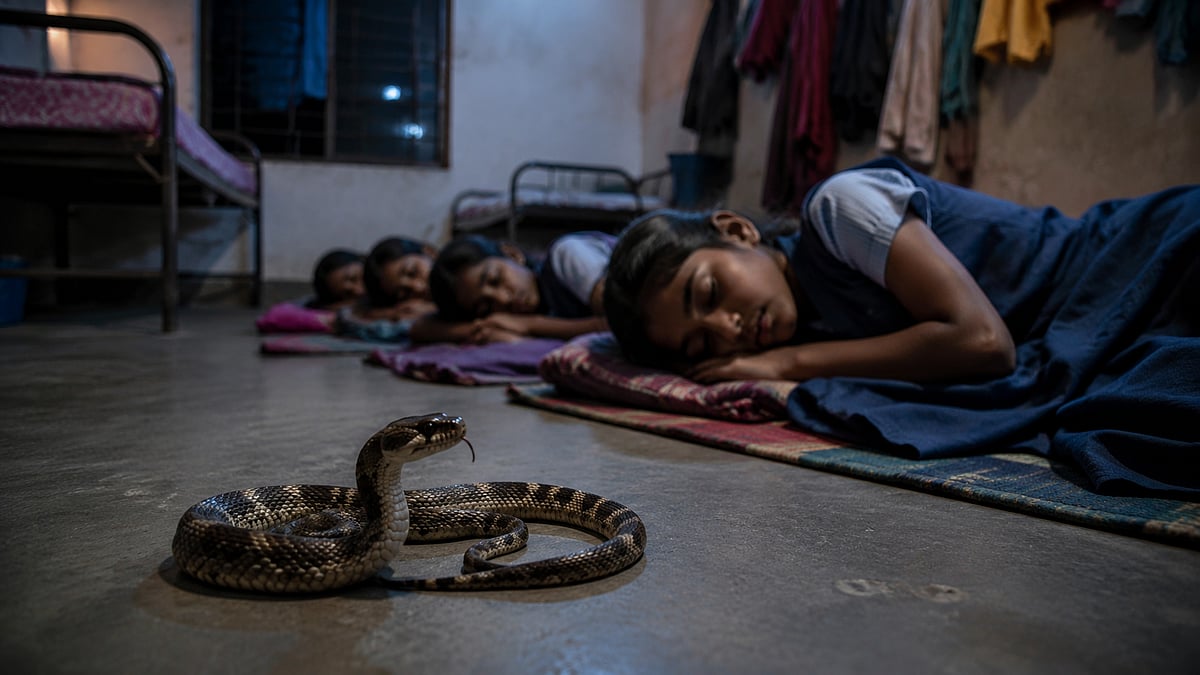
Thane Tribal Schools Begin Snakebite Awareness Campaign September 19

Warming Seas Accelerate Sea-Level Rise and Threaten Marine Life
Ground-Level Ozone Exposes Nearly Half World Population

Cholera Deaths Rose 30% in 2025, WHO Reports

Allahabad HC Bans Hookah Services in Uttar Pradesh Restaurants