1 hr ago
Environmental Risks Beyond Cholesterol Are Reshaping Heart Prevention
Doctors usually check cholesterol, blood pressure, blood sugar, smoking and weight to estimate heart risk.
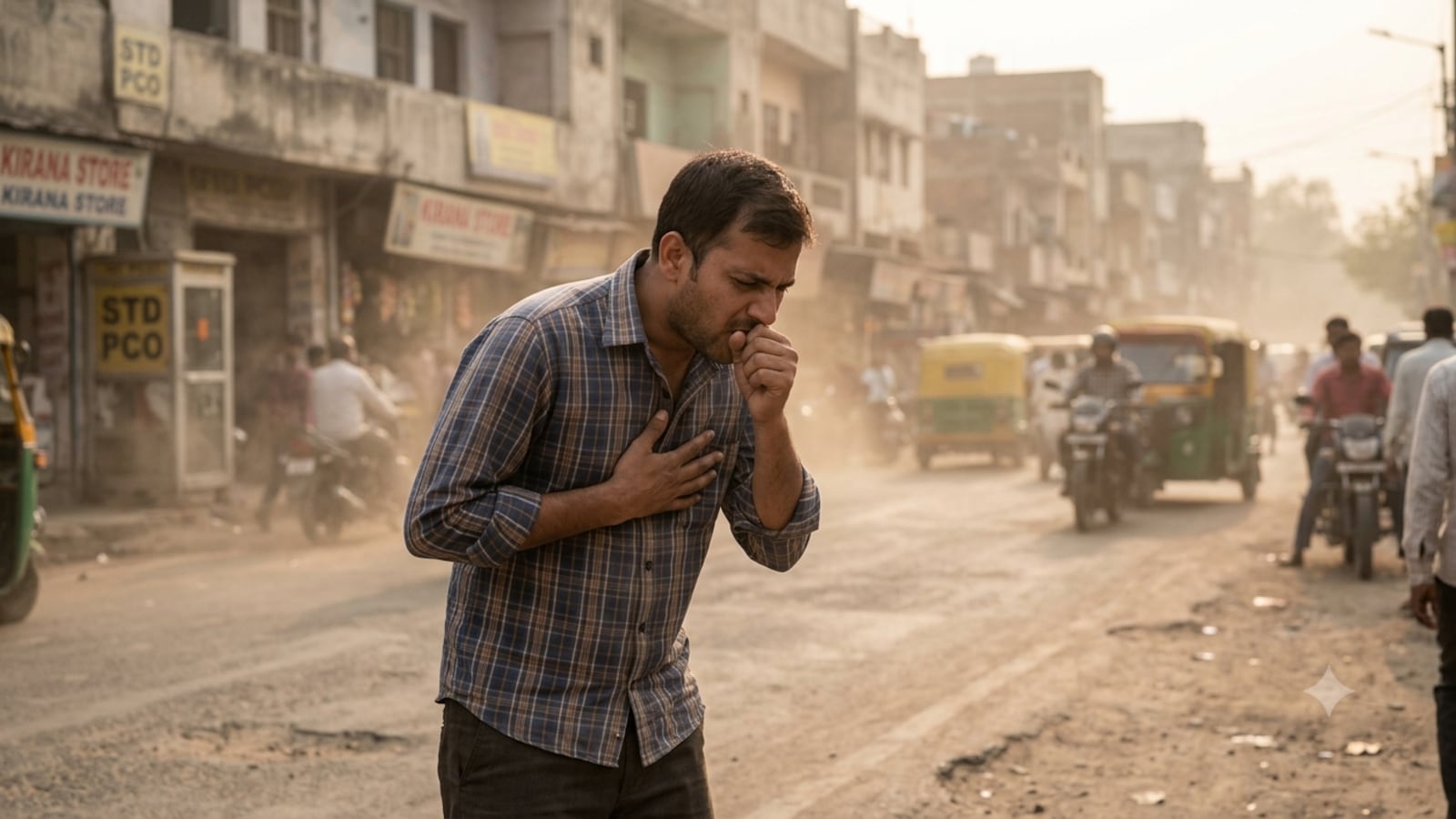
But the places where people live and work can also affect their hearts.
Dirty air can cause inflammation and make blood clot more easily.
Lead from old homes, soil or water systems may harm adults as well as children.
Loud traffic, aircraft and trains can disturb sleep and keep the body stressed.
Very hot weather makes the heart work harder, especially in older people and those with heart disease.
Wildfire smoke can spread tiny particles over long distances.
Doctors could ask patients more about these exposures.
Governments can also help by improving air quality, replacing lead pipes and reducing pollution and noise.

Air pollution, lead, noise, extreme heat and wildfire smoke may raise cardiovascular risk beyond traditional clinical measures.
Fine particulate matter can promote inflammation, impaired vascular function and clotting, increasing risks of heart attacks and strokes.
A study estimated low-level lead exposure was associated with about 256,000 cardiovascular deaths annually in the United States.
Persistent traffic, aircraft and railway noise can disrupt sleep and activate stress responses linked to cardiovascular disease.
The article urges doctors and policymakers to assess environmental exposures and reduce them through broader public-health measures.
- Who
- People exposed to air pollution, lead, environmental noise, extreme heat or wildfire smoke, along with clinicians and public-health authorities.
- What
- The article argues that environmental exposures should be included more systematically in cardiovascular-risk assessment and prevention.
- Where
- Exposure can occur in homes, workplaces and communities near major roads, industrial sites, airports, railways or contaminated areas, including locations in the United States and Western Europe.
- When
- The cited evidence includes a 2019 air-pollution study, a lead-exposure cohort followed for more than 19 years, and a 2024 noise review; the risks are described as ongoing.
- Why
- These exposures can contribute to inflammation, vascular changes, clotting, stress, sleep disruption and additional strain on the heart.
Key facts
- Traditional risk measures
- Cholesterol, blood pressure, blood sugar, smoking and weight remain central to cardiovascular prevention.
- Air-pollution estimate
- A 2019 European Heart Journal study estimated 8.8 million excess deaths globally each year associated with air pollution.
- Lead study population
- A cohort study in The Lancet Public Health followed 14,289 American adults for a median of more than 19 years.
- Lead mortality estimate
- The study estimated that low-level lead exposure was associated with approximately 256,000 cardiovascular deaths annually in the United States.
- Noise evidence
- A 2024 Circulation Research review examined links between environmental noise and ischaemic heart disease, heart failure and stroke.
- Noise effects
- Traffic, aircraft and railway noise can disrupt sleep and repeatedly activate the body's stress response.
- Heat vulnerability
- Older adults and people with existing cardiovascular disease are described as particularly vulnerable during extreme heat.
- Proposed response
- The article recommends environmental-history questions, use of pollution and noise data, and source-level measures such as cleaner transport and lead-pipe replacement.
Sources
Related news

Doctors Explain Why Your Heart May Age Faster

Noise Pollution Is An Overlooked Public Health Hazard

Cardiologist Urges Breaking Eight Habits to Protect Heart Health

How Diabetes, High Blood Pressure and Cholesterol Affect Alzheimer’s Risk
Eye Scans Offer Heart Risk Clues, Not Definite Diagnoses

India's Heart Story: Prevention Must Become Healthcare's Next Priority

Blood Thinners May Slow Cognitive Decline in Alzheimer’s

Study links microplastics to higher heart attack risk
Study Links Heart Attacks to Microplastics in Blood

Blood Test Predicts HCM Complications