12 hrs ago
Pimpri-Chinchwad Traffic Enforcement Rises, but Congestion Persists
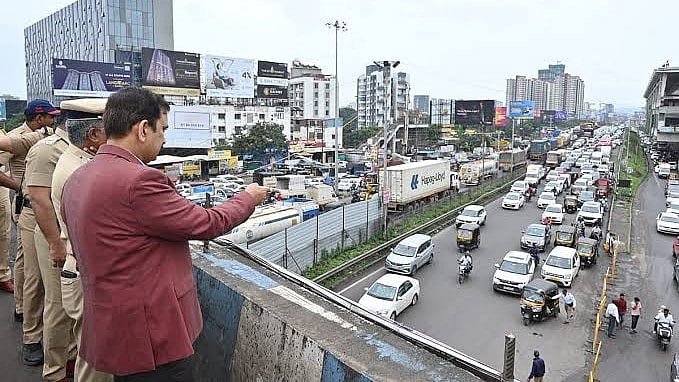
Traffic jams are still happening in Pimpri-Chinchwad even though police are enforcing traffic rules more strictly.
Police have found 79 places where traffic regularly becomes crowded.
They have issued many cases for blocking roads, jumping signals and other violations.
However, many jams are caused by narrow roads, poor junction designs, broken signals and too many vehicles.
Fast growth in housing, factories and IT areas has put extra pressure on the roads.
Areas such as Hinjawadi, Wakad, Punawale and Bhosari are especially affected.
Police can control vehicles and remove obstructions, but they cannot widen roads or redesign junctions by themselves.
Residents therefore need several government agencies to make permanent infrastructure improvements.

Pimpri-Chinchwad Traffic Police have identified 79 major congestion spots across the commissionerate.
Officials cite engineering flaws, bottlenecks, delayed road widening, faulty signals and peak-hour vehicle surges as key causes.
Police recorded 522,165 enforcement cases between January and August 2026, including more than 152,000 obstruction cases.
Major pressure points include Bhumkar Chowk, Mukai Chowk, the Punawale underpass and the NH-48 corridor.
Police say they are seeking infrastructure improvements and coordination from agencies including PCMC, NHAI, PWD, PMRDA and Maha Metro.
- Who
- Pimpri-Chinchwad residents, the Pimpri-Chinchwad Traffic Police and Deputy Commissioner of Police (Traffic) Vikrant Deshmukh.
- What
- Traffic enforcement has increased, but congestion continues across 79 identified hotspots.
- Where
- Across the Pimpri-Chinchwad Police Commissionerate, including Hinjawadi, Wakad, Tathawade, Punawale, Ravet, Kiwale, Talegaon, Dehu Road, Moshi, Chikhali, Talawade and Bhosari.
- When
- The enforcement figures cited cover January through August 2026; ongoing traffic problems occur during peak hours.
- Why
- Congestion is linked to engineering flaws, bottlenecks, delayed road widening, faulty signals, infrastructure work and rising vehicle volumes, including regional and heavy traffic.
Enforcement and Coordination
Permanent Infrastructure Reform
How to reduce congestion
Enforcement and Coordination
Police say regular enforcement, traffic regulation, obstruction removal, additional personnel and coordination with other departments can improve traffic movement.
Permanent Infrastructure Reform
Experts and residents indicate that enforcement alone cannot resolve congestion caused by narrow roads, poor junction design, delayed widening, faulty signals and regional traffic.
Responsibility for solutions
Enforcement and Coordination
The Traffic Police say they are deploying available manpower, requesting support and formally communicating with authorities about infrastructure and signal repairs.
Permanent Infrastructure Reform
The wider traffic network is controlled by multiple agencies, so lasting solutions require road, junction, signal and transport improvements beyond police powers.
Key facts
- Congestion hotspots
- 79 locations identified across the commissionerate
- Total enforcement cases
- 522,165 recorded from January to August 2026
- Traffic obstruction cases
- More than 152,000 cases recorded
- Other major violations
- 70,741 heavy or large vehicle cases and 70,190 signal-jumping cases
- Key pressure points
- Bhumkar Chowk, Mukai Chowk, Punawale underpass and the NH-48 corridor
- Traffic agencies
- PCMC, NHAI, PWD, PMRDA, Maha Metro and the police are involved in managing the network
- Police response
- Additional support has been sought from local police stations, while traffic wardens are being used
Quotes
Vikrant Deshmukh
Pimpri-Chinchwad Deputy Commissioner of Police (Traffic)
“We have identified key traffic congestion locations. The issues stem from engineering flaws, bottlenecks, road widening delays and sudden spikes in vehicle volume during peak hours.”
 freepressjournal.in
“To handle this, we are deploying adequate manpower and have initiated requests for overall infrastructure development with multiple departments.”
freepressjournal.in
Sources
Related news

Chakan Industrial Infrastructure Projects Accelerate to Ease Traffic Congestion
Pimpri-Chinchwad Police Destroy Illegal Plates and Silencers

Pune Collector Orders Time-Bound Hinjawadi Infrastructure Measures, More Buses Planned

Sunetra Pawar Orders Chakan Road, Waste And Traffic Measures
Bhopal’s Rain-Damaged Roads Worsen Potholes, Traffic Congestion
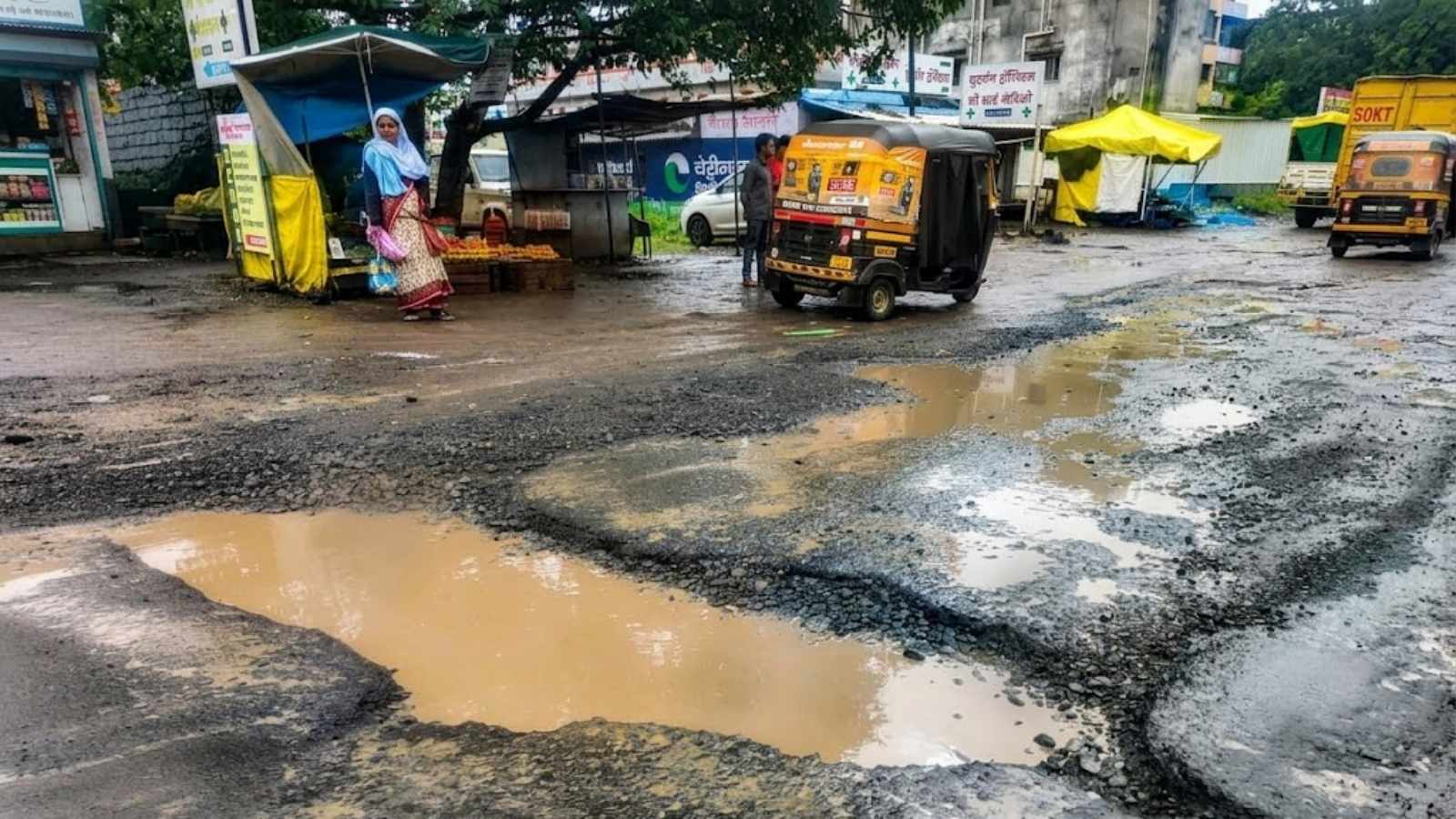
Pune’s Chakan Industrial Area Gets Parking Ban, Traffic Repairs

NHAI Extends PNC Infratech Debarment as Shares Hit Low
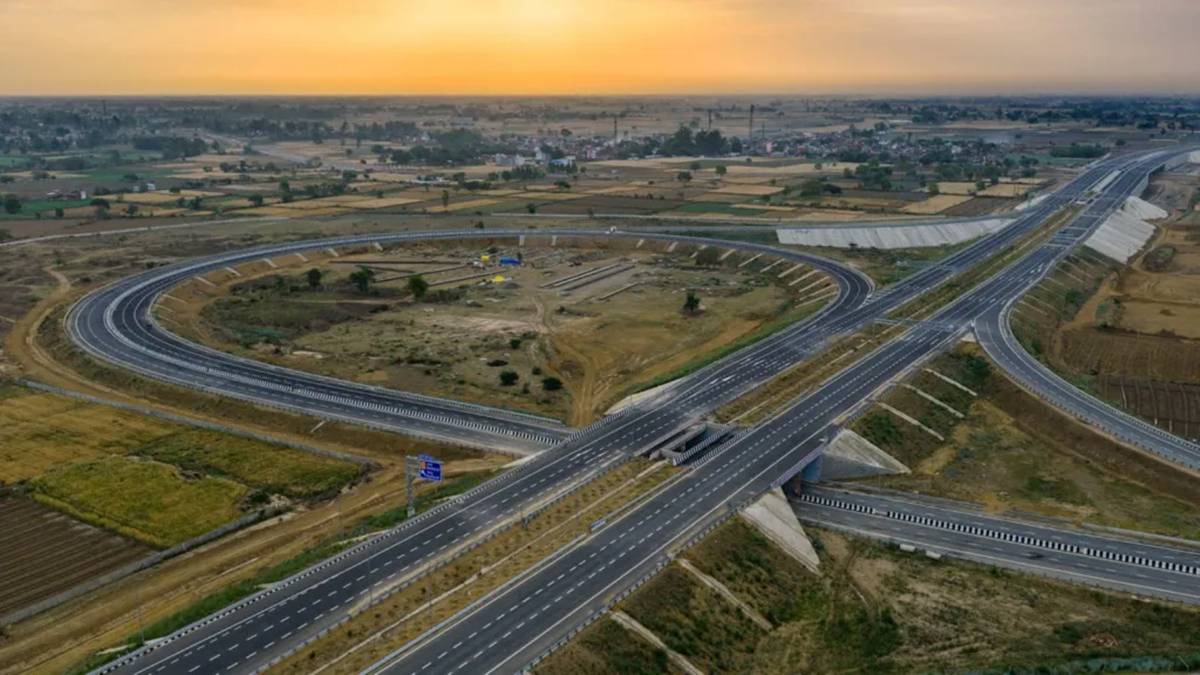
Gorakhpur-Shamli Expressway Aims to Halve Uttar Pradesh Travel Times
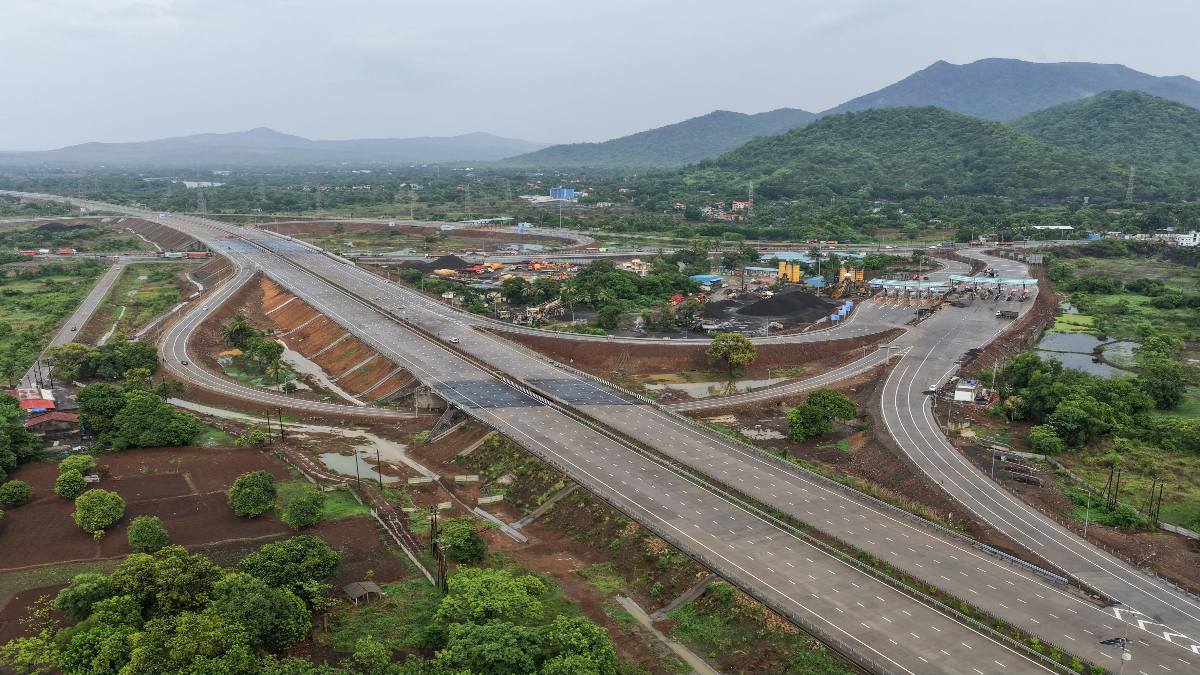
Vadodara-Mumbai Expressway Plans ₹1,475 Crore Balance Work on Jujuwa-Gandeva Stretch
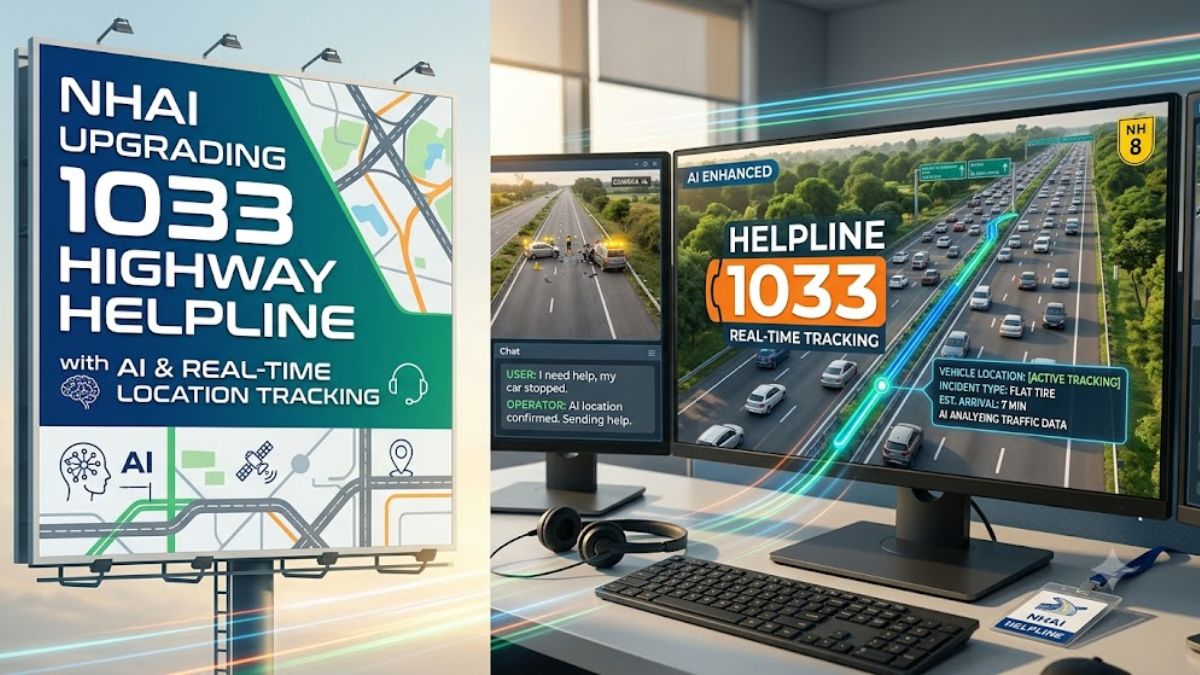
NHAI Plans AI Upgrade for Faster 1033 Highway Emergencies