7 hrs ago
Arrests, Nuclear Disarmament Offer, Custody Death, Singapore Visa Curbs
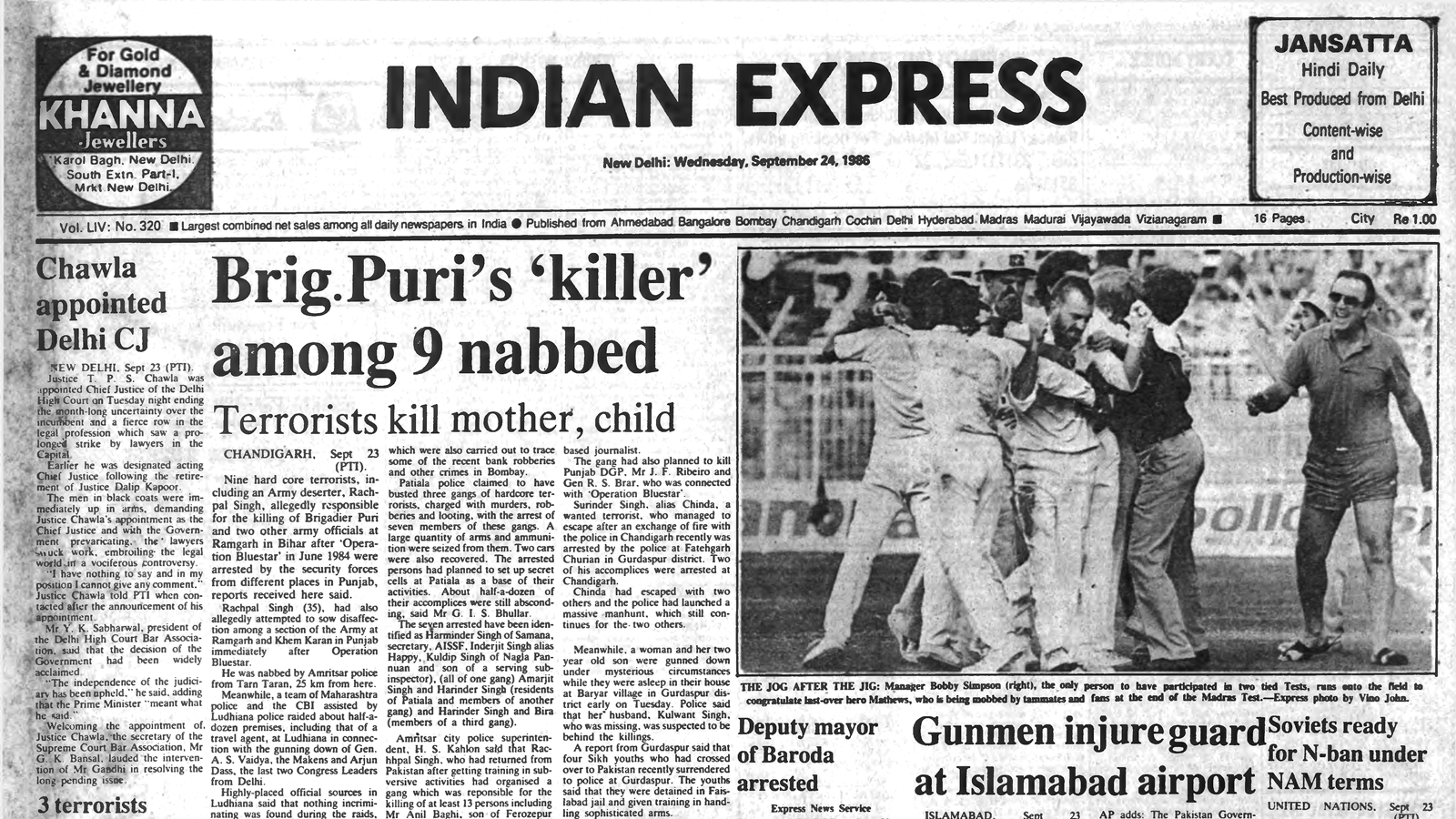
On September 24, 1986, reports described several important developments.
Security forces arrested nine people in Punjab over the alleged killing of three Army officers.
One suspect was an Army deserter accused of trying to turn soldiers against the Army.
The Soviet Union said it was ready to sign a treaty banning all nuclear weapons.
It also said nuclear tests could be checked using different verification methods.
In Delhi, a post-mortem said Dayal Singh had been badly beaten before dying in police custody.
Doctors said this contradicted the police account.
Singapore also decided that Indian visitors would need visas later that year.

Security forces arrested nine alleged terrorists in Punjab over the 1984 killings of Brigadier Puri and two other Army officials in Ramgarh, Bihar.
The arrests included Army deserter Rachpal Singh, who was also accused of trying to create disaffection within the Army.
Soviet Foreign Minister Eduard Shevardnadze offered to sign a treaty banning nuclear weapons and accepted proposed verification methods.
A post-mortem found that Dayal Singh died in police custody after severe beating and torture, contradicting police claims that his body had no external injuries.
Singapore planned to require visas for Indian nationals visiting the country before the end of 1986, although the implementation date was not announced.
- Who
- Security forces, Rachpal Singh, the Soviet Foreign Minister Eduard Shevardnadze, Dayal Singh, Delhi police and doctors, and the Singapore government.
- What
- Reports covered arrests linked to Army killings, a Soviet offer on nuclear disarmament, an alleged custodial killing, and new visa requirements for Indian visitors to Singapore.
- Where
- The arrests were reported from Punjab and concerned killings at Ramgarh in Bihar; the custody death occurred in South Delhi; the nuclear offer was made at the United Nations General Assembly.
- When
- September 24, 1986; the arrests concerned events after Operation Bluestar in June 1984, while Singapore’s visa rule was expected before the end of 1986.
- Why
- The suspects were arrested over alleged killings and alleged attempts to create disaffection in the Army; the Soviet offer addressed a proposed nuclear-weapons ban; Singapore cited government-imposed restrictions on visits by Indian nationals.
Police Account
Post-Mortem and Doctors' Findings
Cause of Dayal Singh's death
Police Account
South Delhi Deputy Commissioner of Police Maxwell Pereira said after the death that there were no external marks of injury on Dayal Singh's body.
Post-Mortem and Doctors' Findings
The post-mortem reported injury marks all over Singh's body and said he had been badly beaten and tortured; doctors at the All India Institute of Medical Sciences called the police statement a blatant lie.
Key facts
- Arrests
- Nine alleged terrorists were arrested by security forces in Punjab.
- Main suspect
- Rachpal Singh, 35, was identified as an Army deserter.
- Alleged killings
- The suspects were linked to the deaths of Brigadier Puri and two other Army officials at Ramgarh in Bihar.
- Nuclear proposal
- The Soviet Union offered to sign a treaty for the total prohibition of nuclear weapons.
- Custody death
- Dayal Singh, 40, died in police custody, with the post-mortem reporting injuries across his body.
- Medical finding
- Doctors at the All India Institute of Medical Sciences called the police account that there were no external injuries a blatant lie.
- Singapore visits
- Indian nationals were expected to need visas to visit Singapore before the end of 1986.
Sources
Related news

Punjab Police Arrest 13, Vaidya Probe Advances, Leaders Released
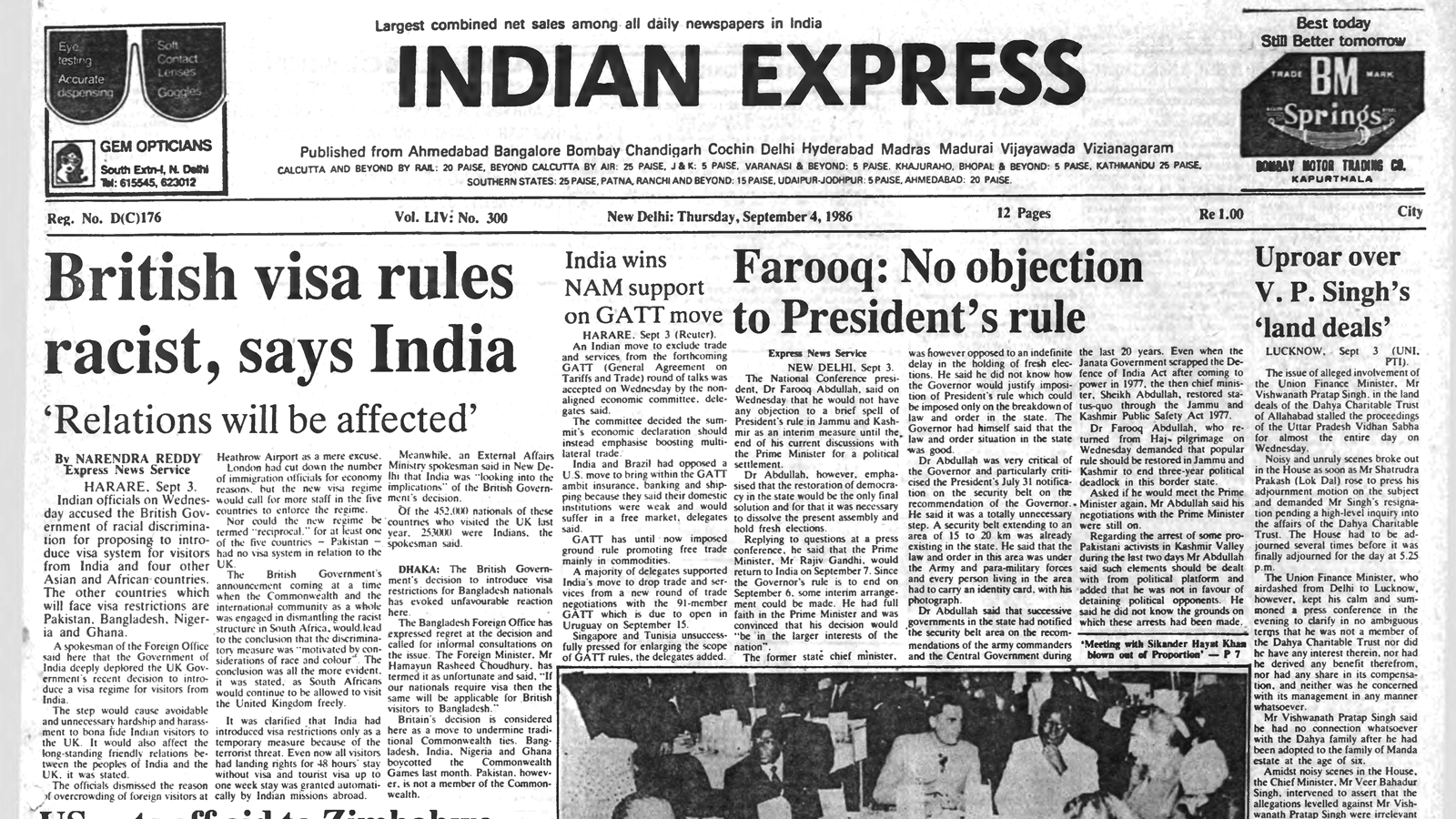
India Challenges UK Visa Rules as Regional Political Disputes Intensify

Delhi Police Arrest Three Over Pro-Khalistan Graffiti Investigation
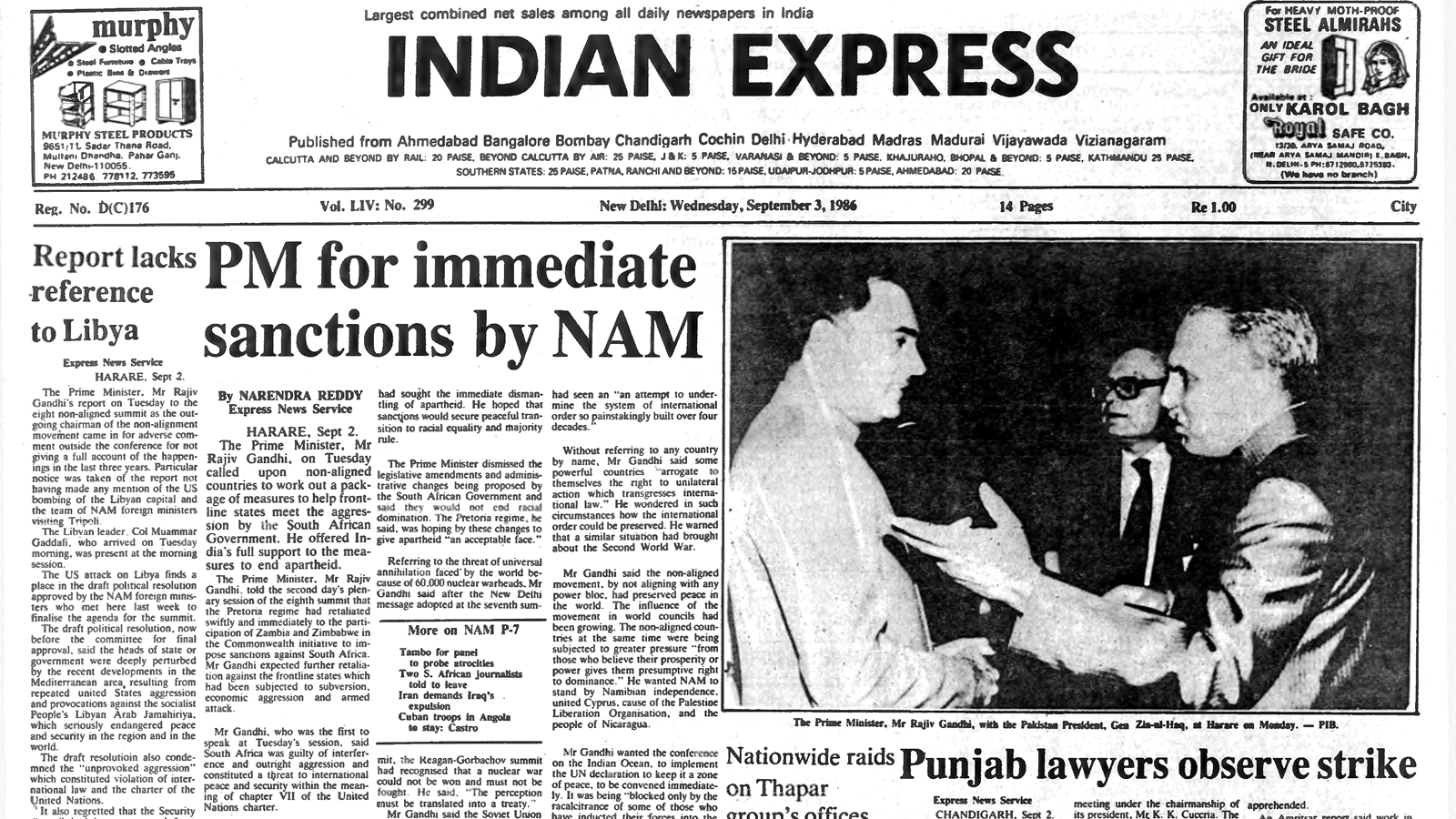
Rajiv Gandhi Urges Sanctions Amid Transport Reversal, Black Sea Toll
UPA Released 25 Pakistani Militants in 2010 Goodwill Gesture