

1 hr ago
UPA Released 25 Pakistani Militants in 2010 Goodwill Gesture
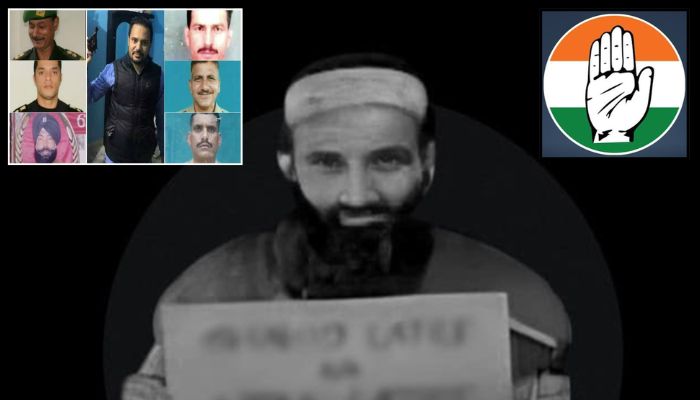
In 2010, India released 25 Pakistani militants from its prisons.
The government described the release as a goodwill step to improve relations with Pakistan.
The prisoners were sent back through the Wagah border.
One of them was Shahid Latif, who had been jailed in India for many years.
Indian investigators later linked Latif to the Jaish-e-Mohammed network and the 2016 attack on the Pathankot airbase.
Seven security personnel and one civilian were killed in that attack, according to the article.
Critics say releasing the prisoners was dangerous because India did not receive the release of Indian prisoners in return.
Supporters of the decision could describe it as an effort to improve relations between the two countries.
Latif was killed by unidentified attackers in Pakistan in 2023.

The UPA government released 25 Pakistani militants from Indian prisons on May 28, 2010, and deported them through the Wagah border.
The detainees were held under Section 19(1) of the Jammu and Kashmir Public Safety Act and reportedly received consular access before release.
The group reportedly included members linked to Lashkar-e-Taiba, Hizbul Mujahideen and Jaish-e-Mohammed.
Among those released was Jaish-e-Mohammed member Shahid Latif, who later became a handler linked by investigators to the 2016 Pathankot attack.
Latif was killed by unidentified gunmen in Pakistan’s Sialkot district on October 11, 2023.
- Who
- The UPA government led by Prime Minister Manmohan Singh released 25 Pakistani militants, including Shahid Latif.
- What
- The detainees were released from Indian prisons and deported to Pakistan as a reported goodwill gesture.
- Where
- The prisoners were held in jails including those in Jammu and Kashmir, Agra, Naini, Varanasi, Tihar, Jodhpur and Sangrur, and were deported through the Wagah border.
- When
- The release took place on May 28, 2010; the Pathankot attack occurred on January 2, 2016, and Shahid Latif was killed on October 11, 2023.
- Why
- The article says the release was intended to improve relations with Pakistan, while critics characterize it as appeasement.
Government Rationale
Criticism of Release
Purpose of the decision
Government Rationale
The release was presented as a goodwill gesture intended to improve relations between India and Pakistan.
Criticism of Release
Critics described the decision as appeasement and argued that it endangered India’s security.
Exchange for Indian prisoners
Government Rationale
The article presents the release as an outreach measure rather than a prisoner exchange.
Criticism of Release
Critics objected that India reportedly secured the release of no Indian prisoner from Pakistani custody in return.
Shahid Latif’s later role
Government Rationale
The release occurred years before investigators linked Latif to the Pathankot attack, and the stated policy objective was diplomatic outreach.
Criticism of Release
Critics point to Latif’s later alleged role as a Jaish-e-Mohammed handler as evidence of the security risks of releasing him.
Key facts
- Release date
- May 28, 2010
- Number released
- 25 Pakistani militants
- Legal basis for detention
- Section 19(1) of the Jammu and Kashmir Public Safety Act
- Organizations mentioned
- Lashkar-e-Taiba, Hizbul Mujahideen and Jaish-e-Mohammed
- Notable released prisoner
- Shahid Latif
- Later attack referenced
- Pathankot attack on January 2, 2016
- Latif's death
- He was killed by unidentified gunmen in Daska, Pakistan, on October 11, 2023
Quotes
Aditya Raj Kaul
Journalist who posted a contemporaneous reaction to the 2010 release on social media
“God help our country! Shame! Pak terrorists freed in goodwill gesture”
 opindia.com
Sources
Related news
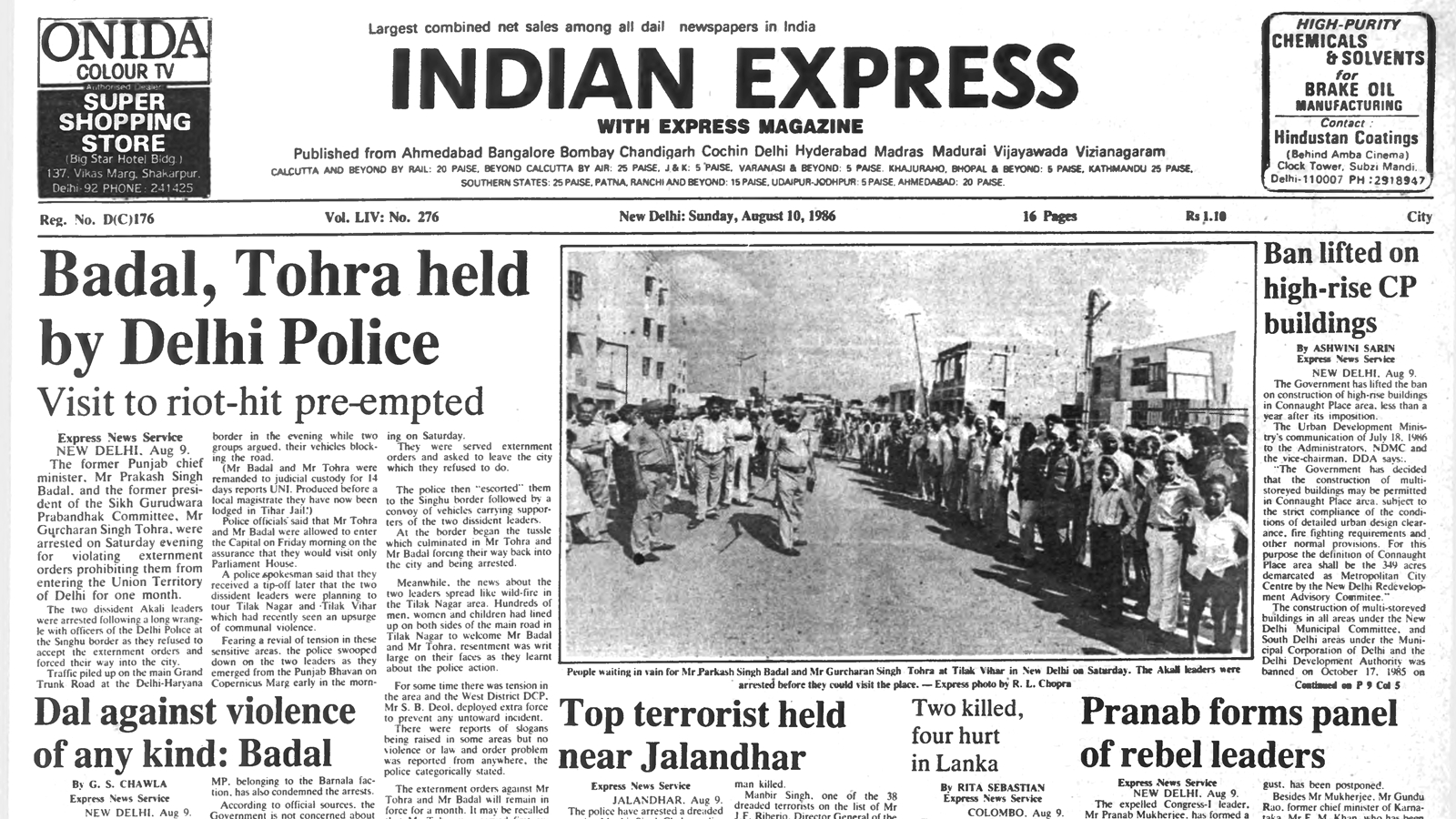
40 Years Ago: Badal, Tohra Arrested in 1986 News Roundup

Pakistani Cleric Claims Hafiz Saeed Sent 10,000 to Kashmir

Jammu Court Rejects Insha Jan Bail in Pulwama Case
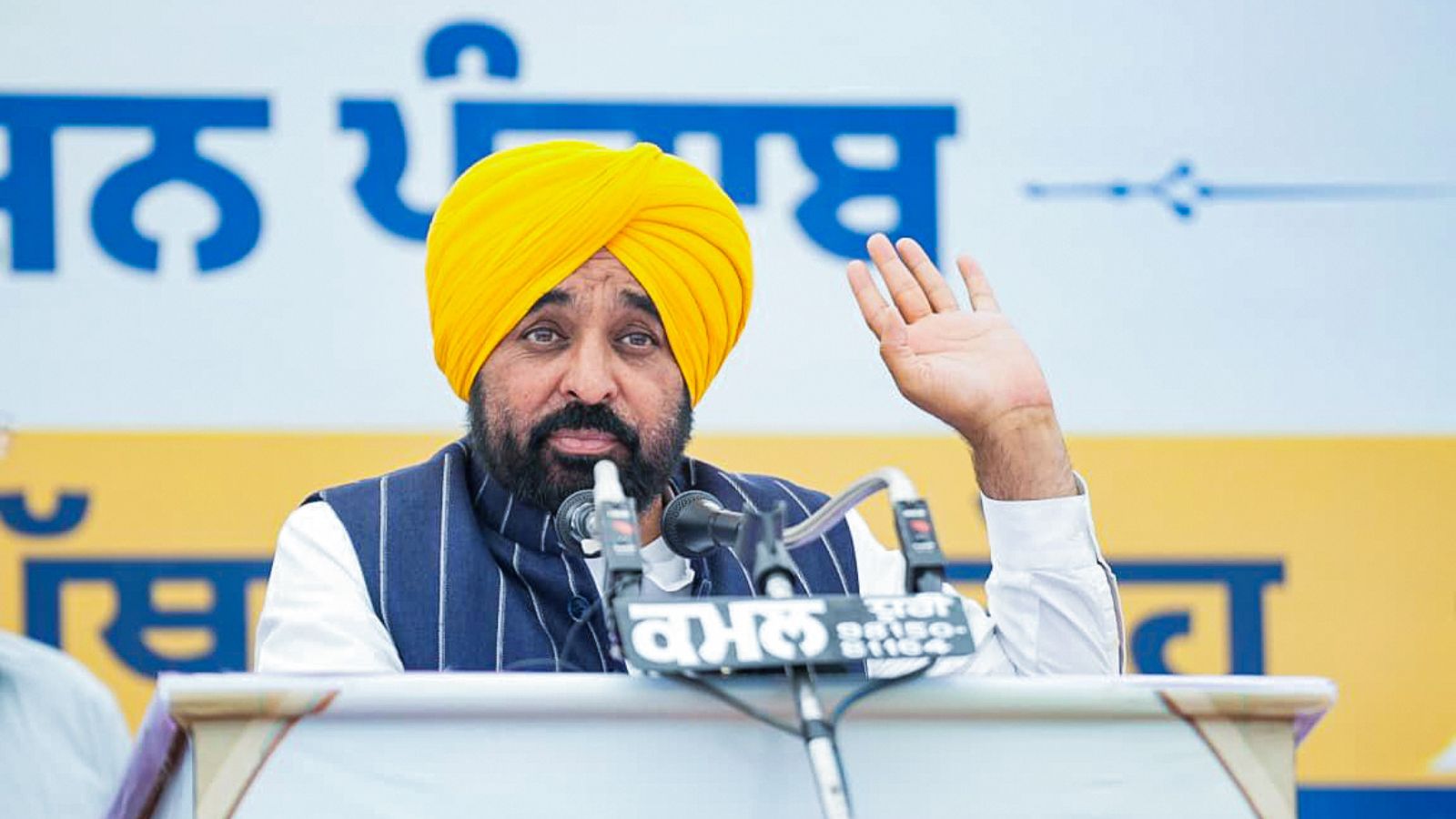
Punjab CM's Parole Request for Beant Singh Assassin Sparks Row

Punjab Police Deport Three Wanted Bambiha Gang Operatives from Malaysia

Three Bambiha Gang-Linked Fugitives Deported From Malaysia
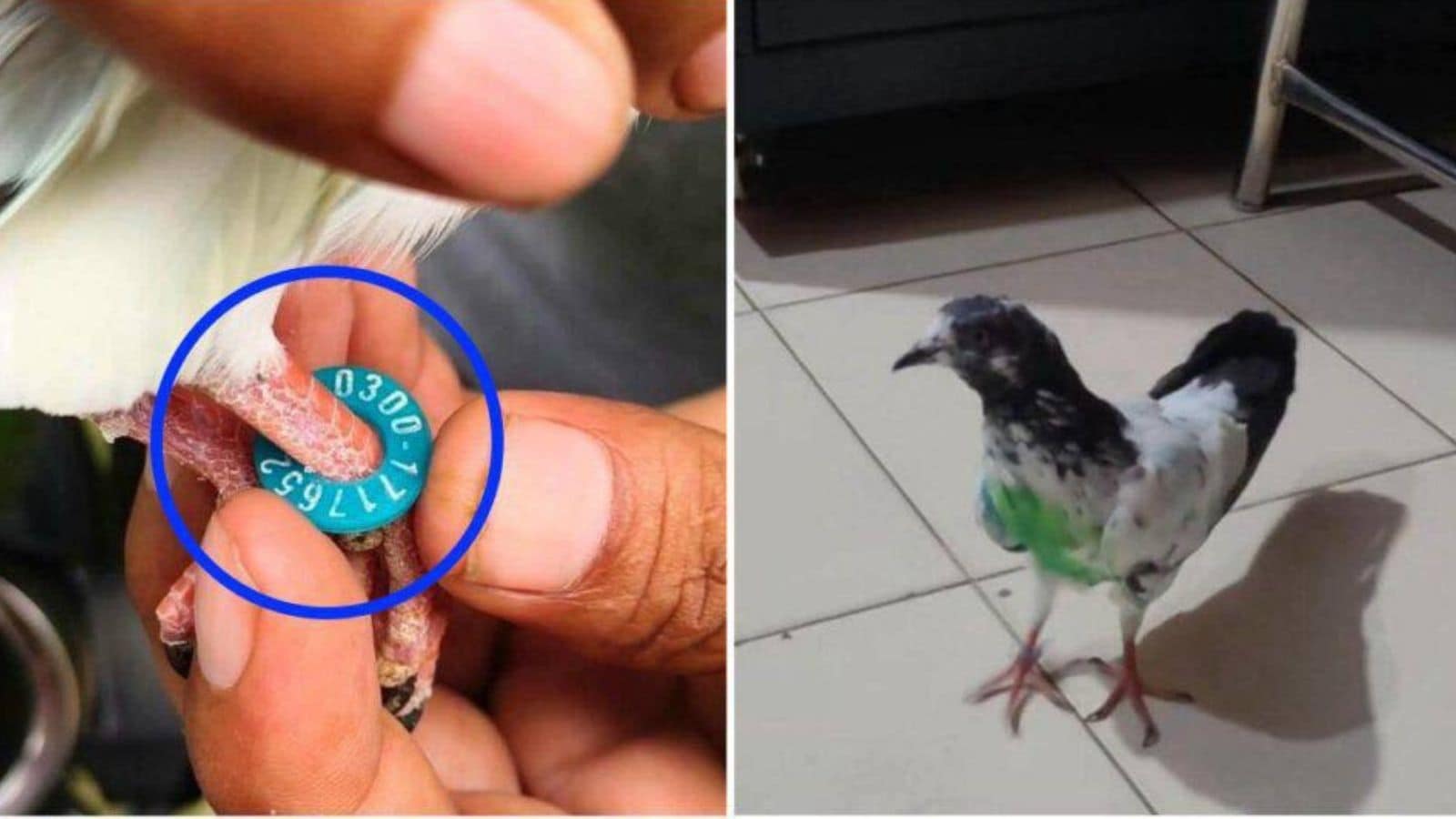
Pigeon With Suspected Pakistani Number Triggers Border Security Inquiry

Punjab Government Employees Strike as Mann Rejects Talks
BJP and Akali Dal May Need Each Other Again

Pakistan Deploys Chinese SH-15 Artillery Near India Border
