1 hr ago
Rajiv Gandhi Urges Sanctions Amid Transport Reversal, Black Sea Toll
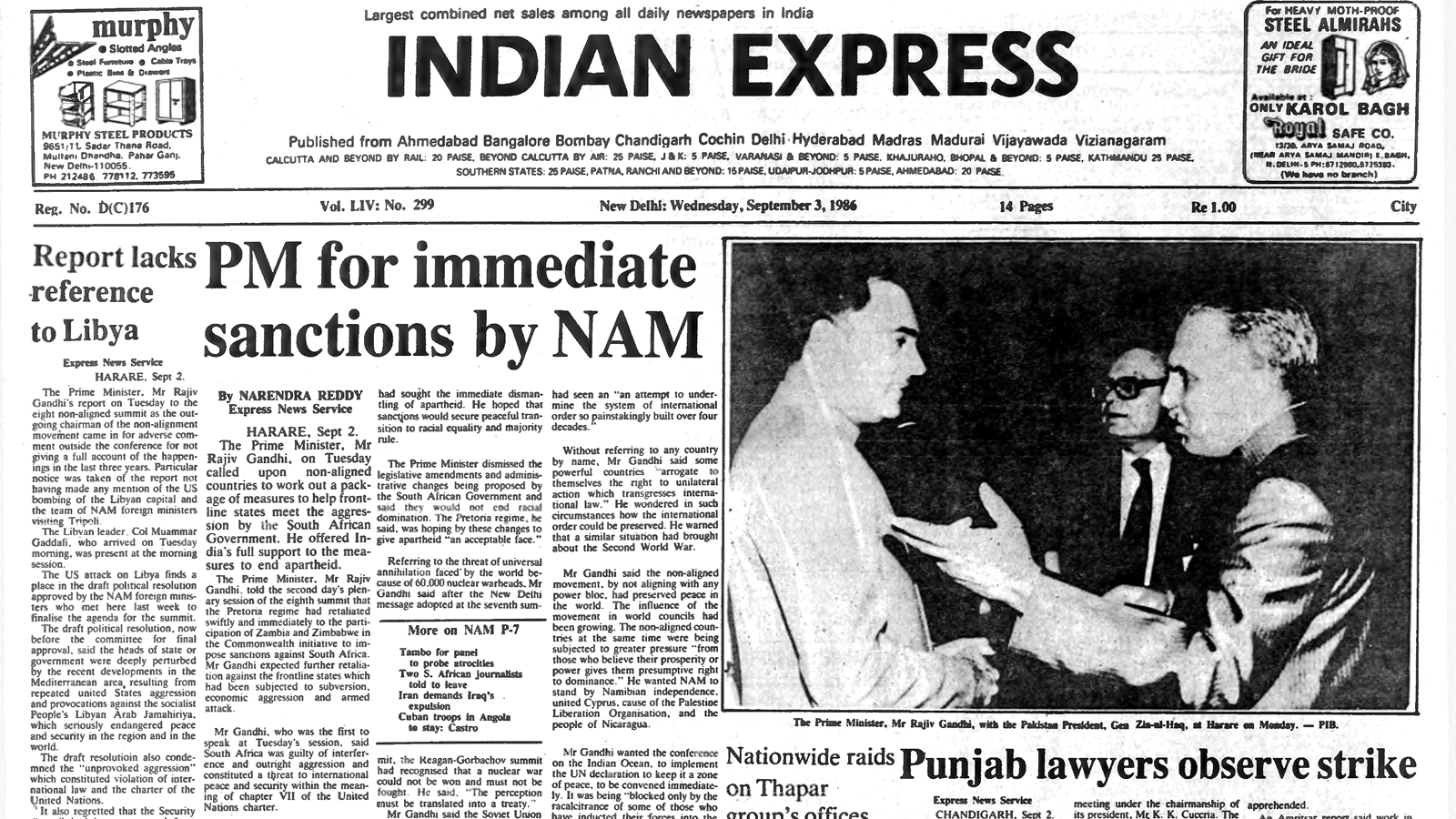
On September 3, 1986, Prime Minister Rajiv Gandhi asked non-aligned countries to take strong action against South Africa’s apartheid government.
He said India would support these actions.
Some people criticized his report to the non-aligned summit because it left out several important events.
In Delhi, residents protested against changes to bus routes.
The Delhi Transport Corporation then restored the old routes.
In the Black Sea, a serious accident left 398 passengers dead or missing.
Investigators said 79 bodies had been recovered.
They were still trying to find the other 319 passengers.

Prime Minister Rajiv Gandhi urged non-aligned countries to create measures supporting frontline states against South African aggression.
India pledged full support for measures aimed at ending apartheid.
Critics said Gandhi’s report to the non-aligned summit omitted key developments, including the U.S. bombing of Libya.
The Delhi Transport Corporation scrapped its trans-Yamuna route-rationalisation scheme after violent resident resistance.
A Soviet inquiry reported 398 passengers dead or missing after a Black Sea marine accident.
- Who
- Prime Minister Rajiv Gandhi, non-aligned countries, the South African government, Delhi residents, the Delhi Transport Corporation, and a Soviet government inquiry commission.
- What
- India called for immediate measures against South African apartheid, the Delhi bus-route scheme was withdrawn, and a Black Sea marine accident was reported to have killed or left missing 398 passengers.
- Where
- The non-aligned summit; South Africa; trans-Yamuna colonies in Delhi; and the Black Sea.
- When
- September 3, 1986; the Delhi route scheme had begun on August 30.
- Why
- India sought action against apartheid, the Delhi scheme was withdrawn after resident resistance, and the Soviet commission investigated the marine accident.
Critics and Residents
Officials and Supporters
Non-aligned summit report
Critics and Residents
Critics said Rajiv Gandhi’s report did not fully describe developments from the previous three years and omitted the U.S. bombing of Libya and the NAM foreign ministers’ visit to Tripoli.
Officials and Supporters
The report was presented by Gandhi as outgoing chairman of the non-aligned movement; the articles do not provide an official response to the criticism.
Delhi route changes
Critics and Residents
Residents of several trans-Yamuna colonies violently resisted the route-rationalisation scheme.
Officials and Supporters
The Delhi Transport Corporation and Surface Transport Minister Rajesh Pilot ordered the routes restored to their earlier position.
Key facts
- Prime minister
- Rajiv Gandhi
- India’s position
- Full support for measures to end apartheid
- DTC decision
- Trans-Yamuna bus routes were restored to their earlier arrangement
- DTC scheme date
- Route rationalisation began on August 30, 1986
- Black Sea toll
- 398 passengers were dead or missing
- Bodies recovered
- 79
- Passengers still missing
- 319
Sources
Related news
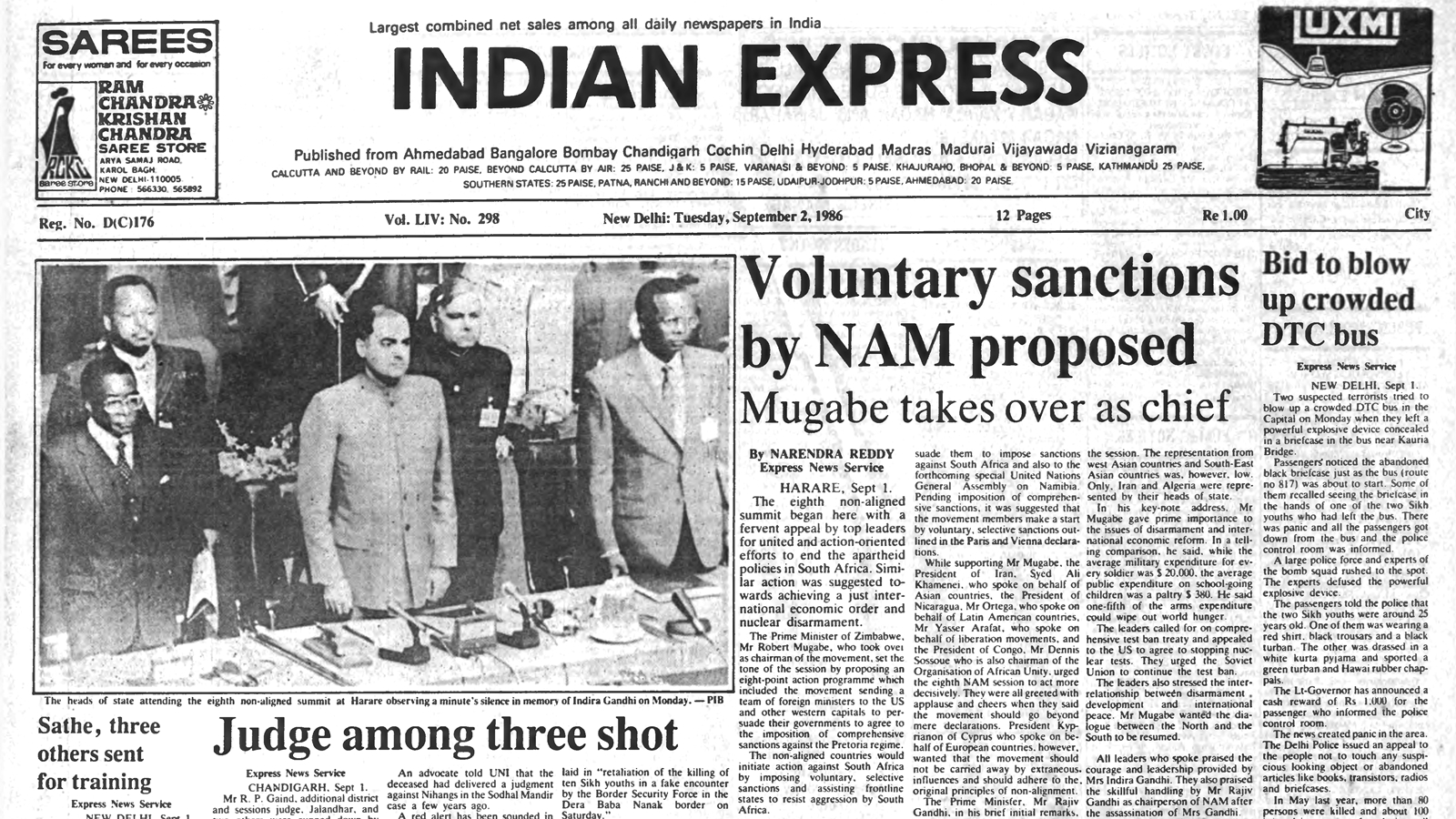
Non-Aligned Summit Proposes Sanctions Against Apartheid
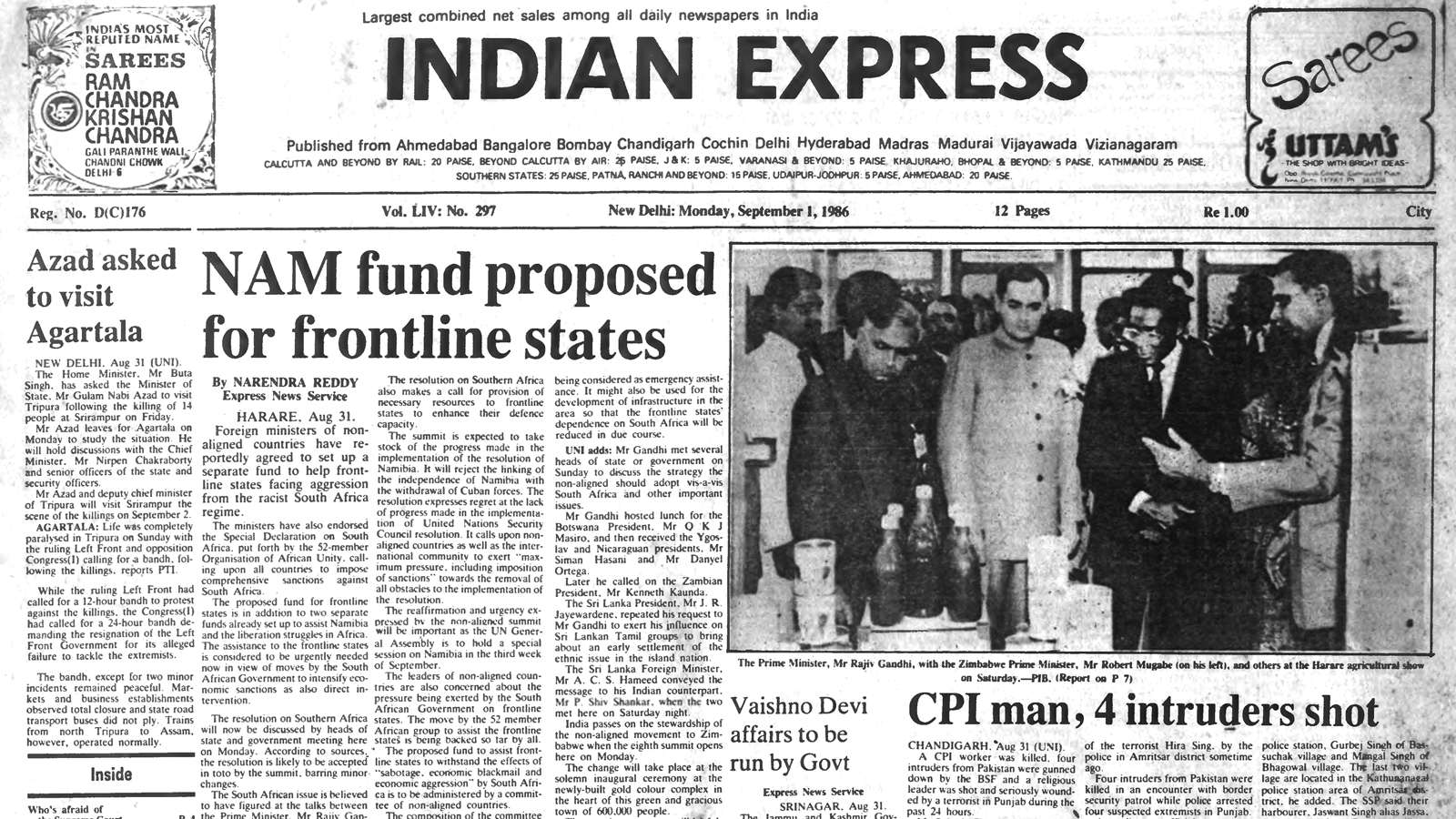
South Africa Fund, India-Pakistan Talks, Tripura Inquiry, Cricket Changes
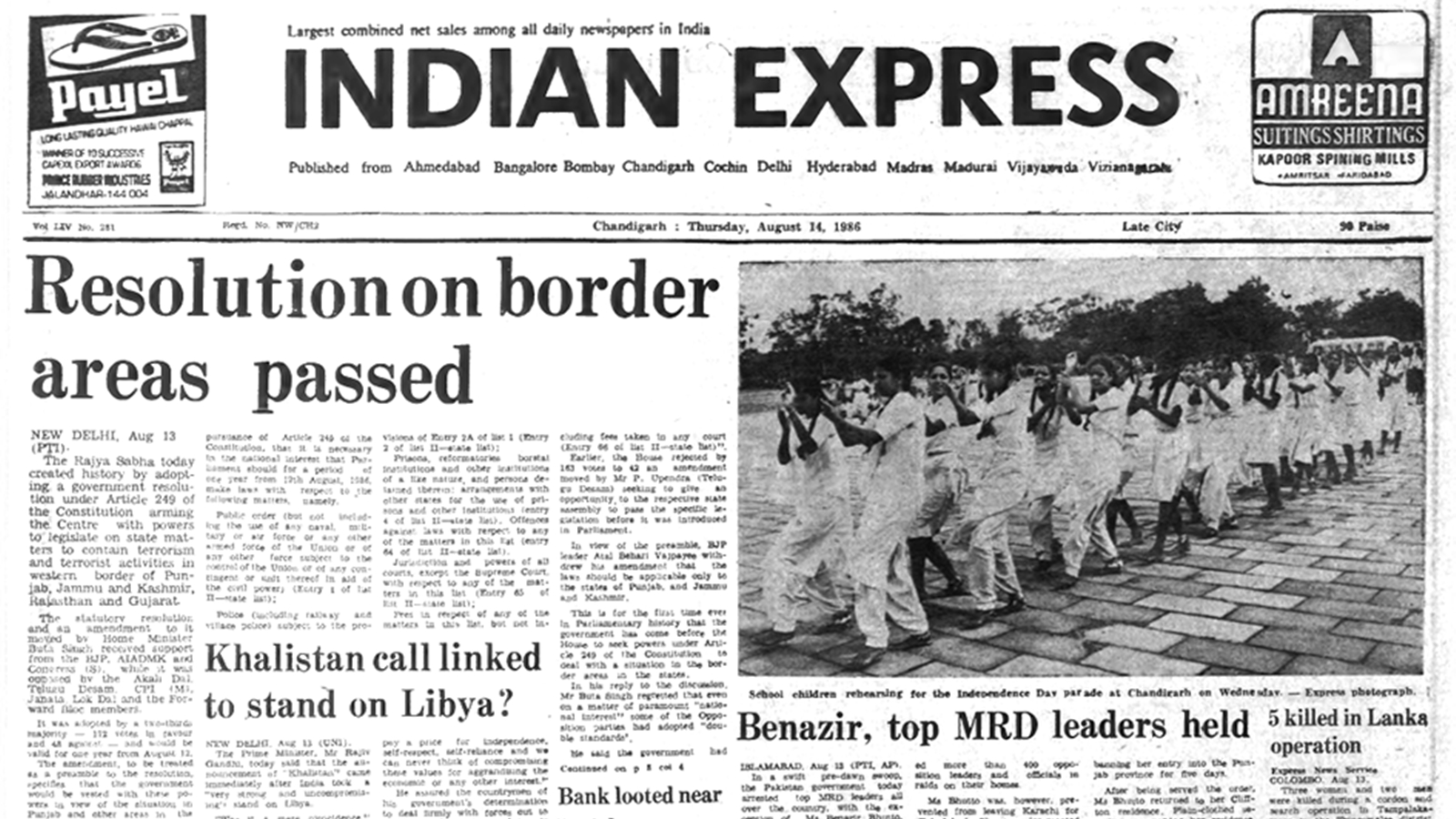
Rajya Sabha Adopts Border Areas Resolution Under Article 249
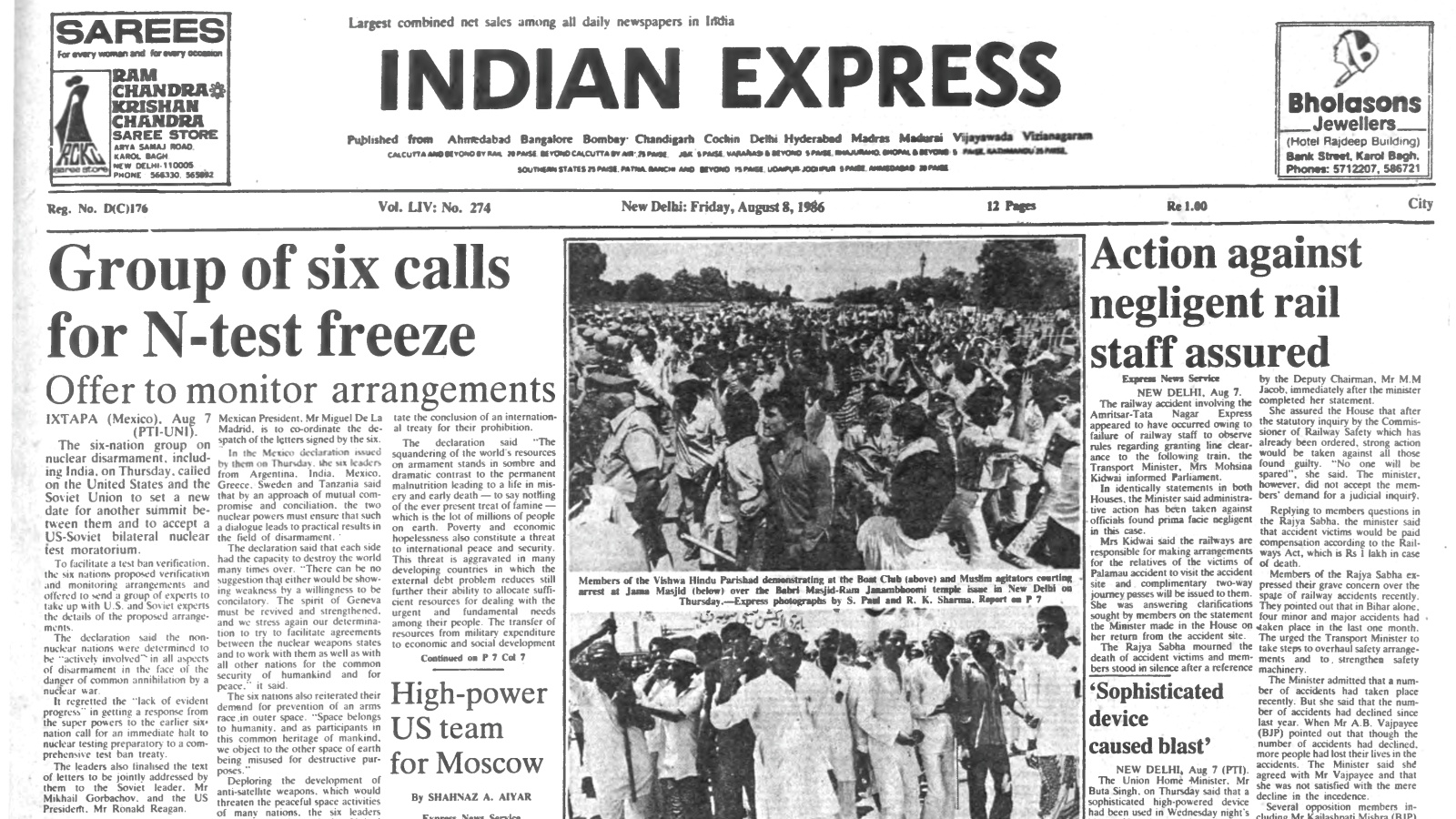
Calls for N-test freeze; action assured against rail staff
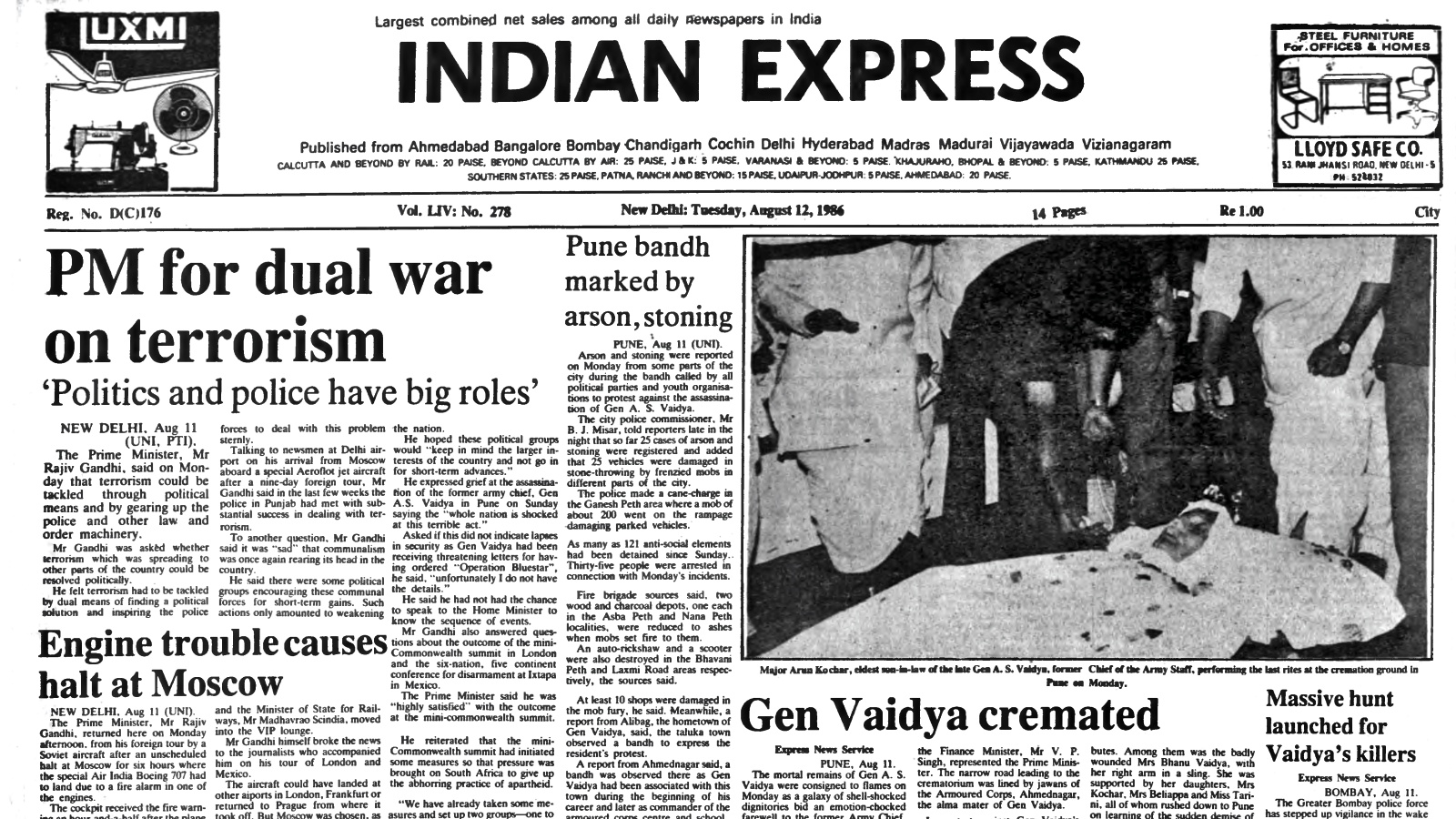
PM Gandhi Pledges Twin War on Terrorism; Gen Vaidya Cremated
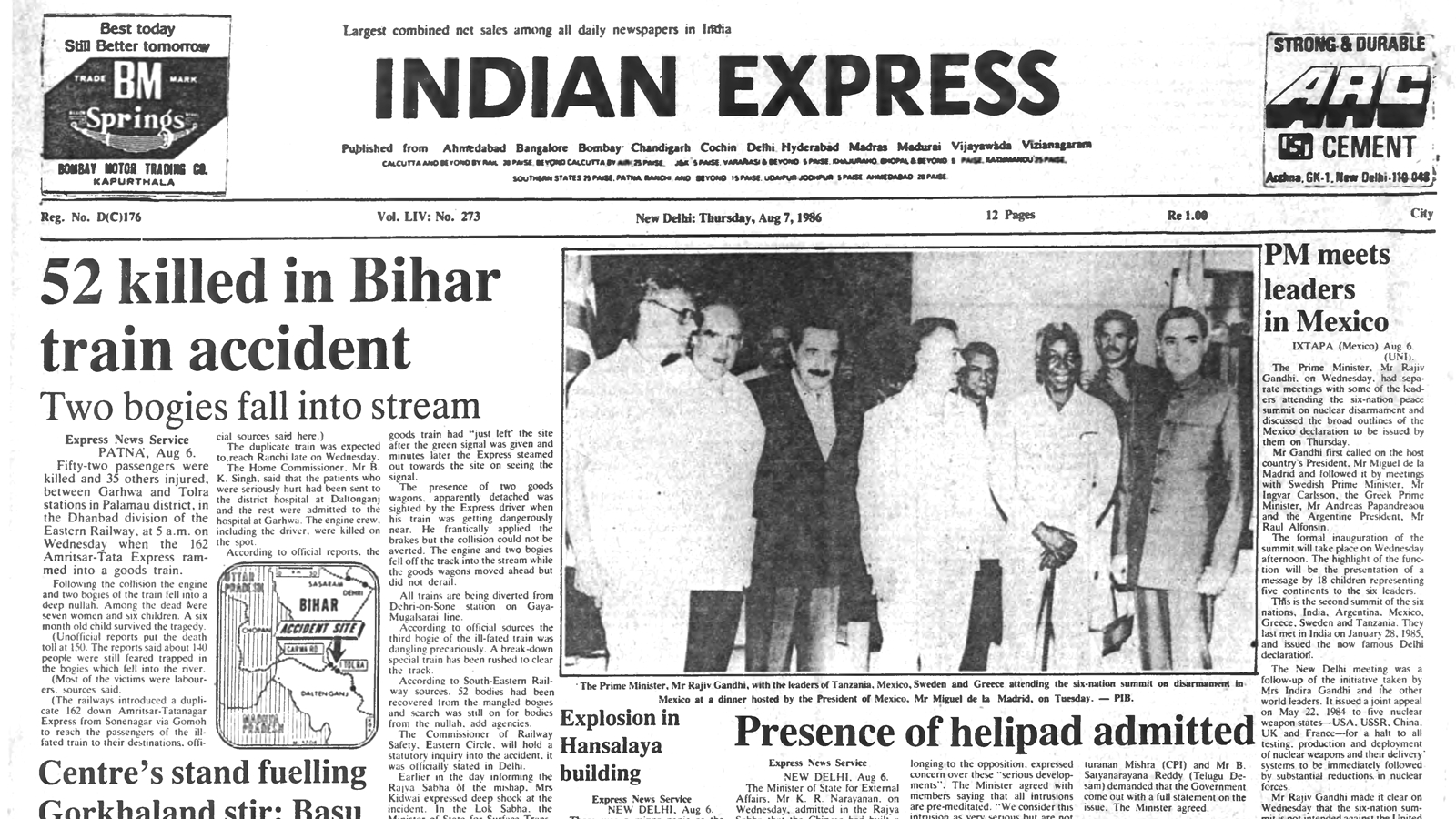
August 7, 1986: Bihar Train Accident, Mexico Summit, Delhi Blast

Delhi Police Head Constable Suspended After Viral PCR Van Video
Delhi Tightens Bus Safety Rules After Minor’s Alleged Gang-Rape

Pink Saheli Smart Card Deadline Extended Through September 17
Former DTC Driver Convicted in Fatal 2021 Hit-and-Run Case