4 days ago
Delhi Studies Global Waste Models Amid Landfill Cleanup Race
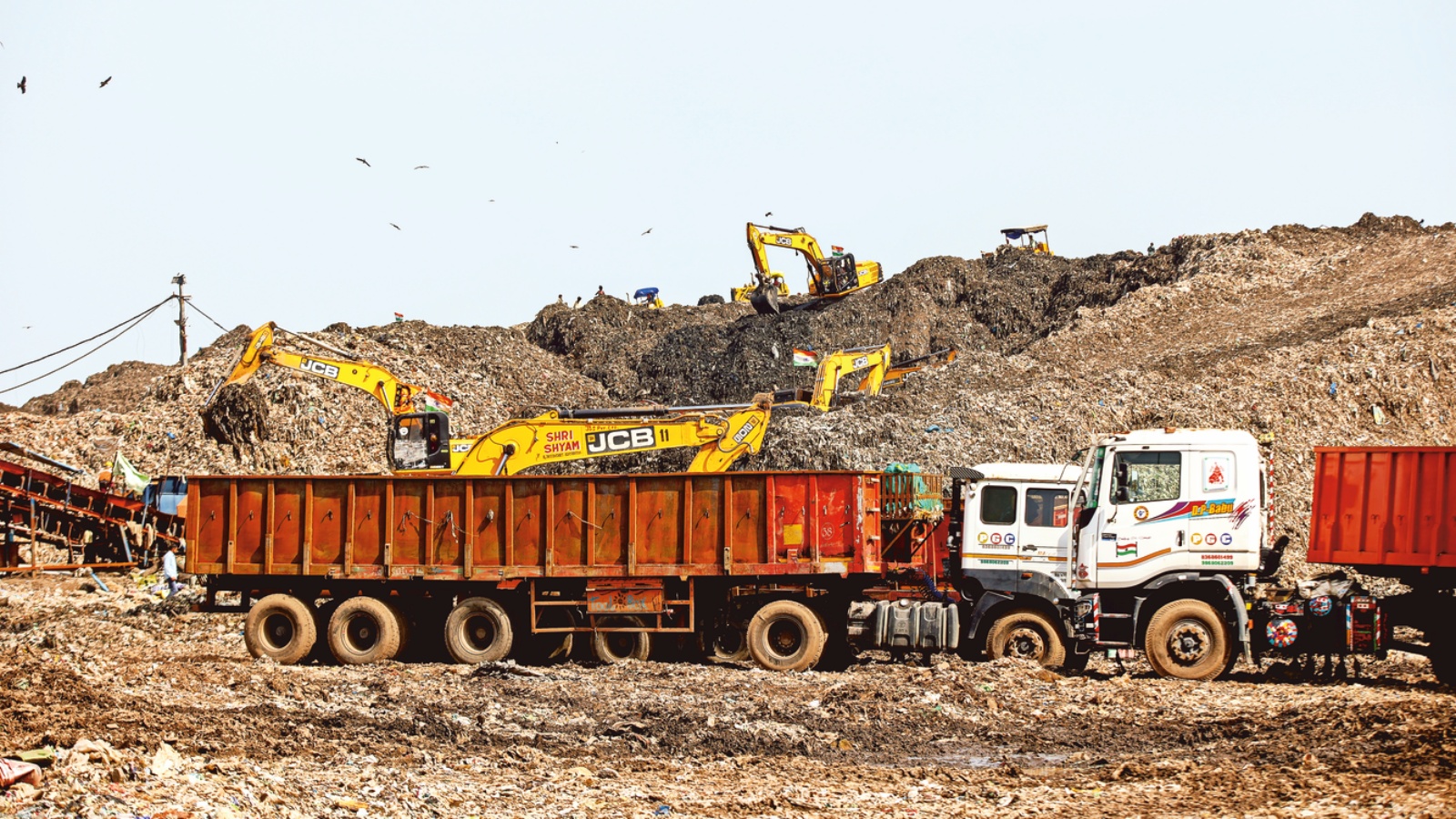
Delhi is trying to find better ways to handle its garbage.
City officials met World Bank experts to study waste systems in Tokyo, New York and Barcelona.
Tokyo uses many technology-based waste-to-energy facilities.
New York hires private companies to move and process some waste outside the city.
Barcelona uses smaller, more local facilities and asks residents to reduce and separate their waste.
Delhi wants to use ideas that fit its own needs.
Its proposed plan includes local processing, better treatment methods and stronger institutions.
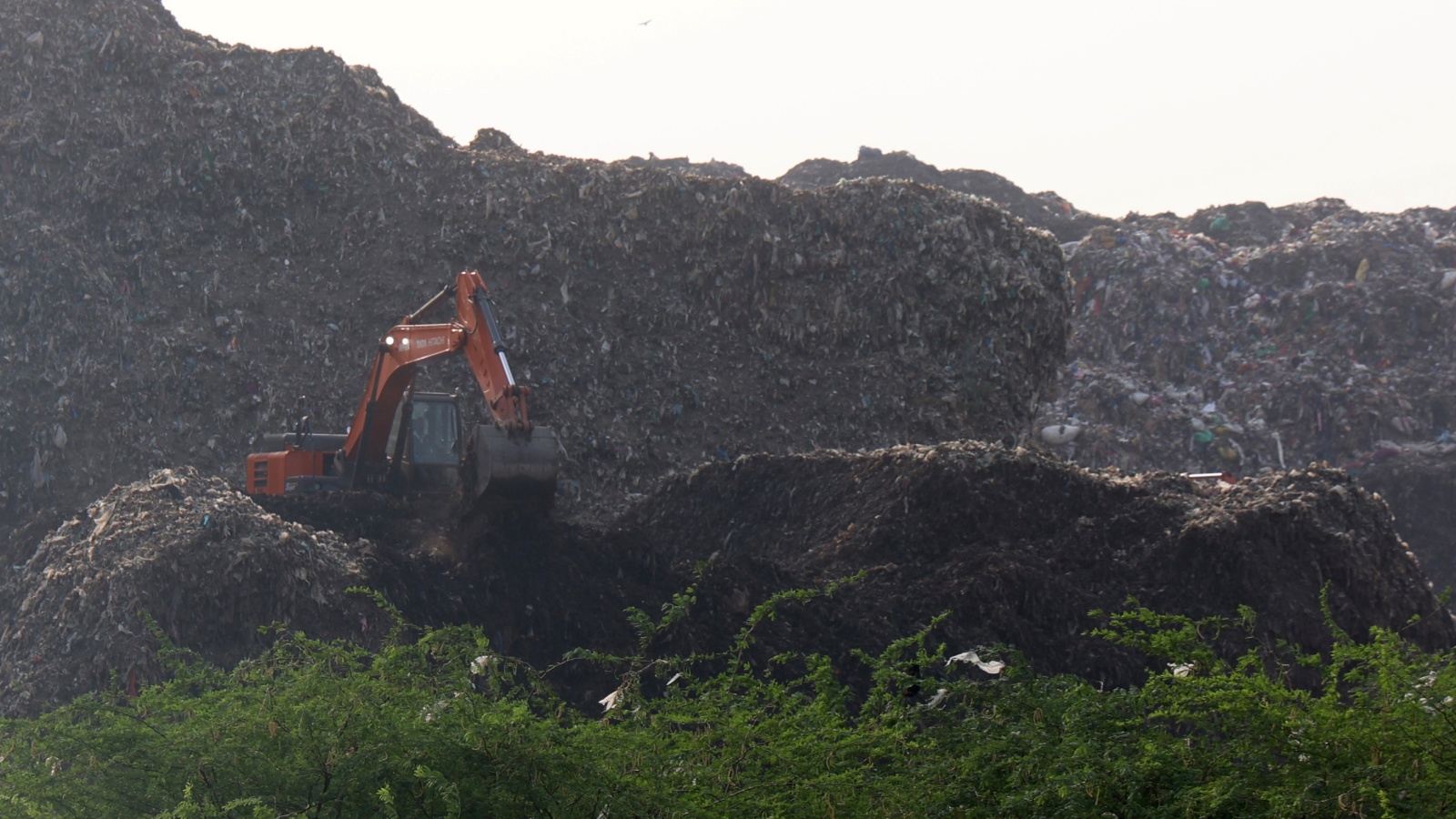
Old garbage at Delhi’s landfills is still difficult to remove, and new waste continues to arrive.
Officials also discussed waste pickers, user charges, recycling and preventing open burning.

The Municipal Corporation of Delhi met World Bank experts on August 29 to discuss improving the city’s waste management.
The experts presented Tokyo’s 23 waste-to-energy facilities as a technology-driven model for processing municipal waste.
New York’s system uses private agencies to transport and process waste, including at facilities outside the city.
Barcelona’s Zero Waste Plan 2021–2027 promotes decentralised facilities, waste reduction, segregation and changed citizen behaviour.
Delhi’s proposed approach includes decentralised processing, a sustainable treatment mix and institutional strengthening amid delays in clearing legacy waste.
- Who
- The Municipal Corporation of Delhi, World Bank experts and senior MCD officials, including Commissioner Sanjeev Khirwar.
- What
- They discussed global waste-management models and a proposed strategy for improving Delhi’s collection, transport, processing, disposal and resource recovery.
- Where
- The meeting concerned Delhi, while the examples discussed came from Tokyo, New York and Barcelona.
- When
- August 29; the reports describe the meeting as taking place on a Saturday.
- Why
- To improve MCD’s operational efficiency, financial sustainability, resource recovery and control of emissions from waste.
Reform and Global Models
Implementation Concerns and Public Resistance
Using international models
Reform and Global Models
MCD and World Bank experts presented Tokyo, New York and Barcelona as sources of ideas for improving efficiency, processing and emissions performance.
Implementation Concerns and Public Resistance
MCD Commissioner Sanjeev Khirwar said global practices must be adapted to Delhi’s local requirements and conditions rather than copied directly.
Landfill cleanup progress
Reform and Global Models
Legacy-waste biomining and a sustainable treatment mix are intended to help clear the Okhla, Bhalswa and Ghazipur landfills by stated deadlines.
Implementation Concerns and Public Resistance
Heavy rainfall slowed progress, while fresh waste continued to accumulate; reported dumping exceeded lifting at Bhalswa and Okhla during the cited period.
User charges and enforcement
Reform and Global Models
Experts suggested utility tariffs, formal integration of informal waste pickers and stronger enforcement against open burning.
Implementation Concerns and Public Resistance
MCD’s user-charge plan was put on hold after public opposition, and the recommended digital open-burning reporting system had not yet been introduced.
Key facts
- Meeting chair
- MCD Commissioner Sanjeev Khirwar chaired the meeting.
- Tokyo model
- Tokyo was presented as having 23 waste-to-energy facilities.
- New York model
- Private agencies transport and process New York’s waste, including at facilities outside the city.
- Barcelona plan
- Barcelona’s Zero Waste Plan 2021–2027 promotes decentralised management, waste reduction, segregation and behavioural change.
- Three-part Delhi approach
- The proposed approach focuses on decentralised processing and transport, a sustainable waste-treatment mix, and institutional strengthening.
- Landfill targets
- The report says MCD plans to clear Okhla and Bhalswa by December this year and Ghazipur by December next year.
- Recent landfill figures
- Over three reported days, average waste lifted was 787 tonnes per day at Bhalswa, 575 at Okhla and 3,382 at Ghazipur; average dumping was 4,243, 2,115 and 2,541 tonnes per day, respectively.
Quotes

Municipal Corporation Delhi
Delhi’s civic body, which issued the official statement about the meeting
“The Capital requires a time-bound,comprehensive and sustainable waste management strategy covering efficient collection, transportation, processing, scientific disposal and maximum recovery of resources from waste.”
 indianexpress.com
 theprint.in
 thehansindia.com
“The experts also presented the externalised waste management model of New York, where private agencies are engaged for transportation and processing of waste, including its movement to facilities outside the city.”
indianexpress.com
Sources
Related news

Delhi Mayor Orders More Machinery to Clear Bhalswa Landfill
DDA approves land-use change for MCD's Ghazipur waste-to-energy plant

West Bengal Minister Studies Indore’s Cleanliness Model for Replication

BMC Seeks Private Partners for Mumbai C&D Waste Capacity

Chhatrapati Sambhajinagar Commissioner Calls for Innovative Waste Management

BMC Plans Local Waste Processing for Dadar’s 25-Tonne Markets
Delhi Steps Up Cleanliness, Stray Animal Control Before BRICS Summit
Delhi Reclaims 100 Acres After Removing Legacy Landfill Waste

Delhi’s Cleanliness Campaign Grows Into A People’s Movement