10 hrs ago
Study Finds Dutch Royal House Deeply Involved in Colonial Exploitation

Historians studied how the Dutch royal family was connected to colonialism and slavery.
They examined the period from 1600 to the present.
The study said the House of Orange-Nassau helped colonial systems and slavery continue.
Most royal rulers did not object to slavery, according to the researchers.
The family made large amounts of money from colonial activities, especially in what is now Indonesia.
The study said the family made little money directly from the slave trade.
The Dutch government apologized for slavery in 2022, and King Willem-Alexander apologized in 2023.
The government created a fund for social projects but did not agree to reparations.
Some campaigners say more action and further discussion are needed.

A three-year study commissioned by King Willem-Alexander found the House of Orange-Nassau shared responsibility for the survival of Dutch slavery and the slave trade.
Researchers said the royal family’s involvement was “wholehearted” and largely unopposed by its rulers.
The family profited substantially from colonialism, particularly through the Dutch East Indies, with 19th-century gains estimated at about $650 million today.
Researchers said the family earned almost nothing directly from the slave trade, while the Dutch West India Company trafficked an estimated 600,000 people.
The findings have renewed debate over reparations after the Dutch government and King Willem-Alexander issued apologies but no reparations were provided.
- Who
- Researchers studying the House of Orange-Nassau, King Willem-Alexander, the Dutch government, and organizations addressing the Dutch slavery past.
- What
- A historical study concluded that the Dutch royal house benefited from colonialism and shared responsibility for slavery and the slave trade.
- Where
- The Netherlands and its former colonies, including the Dutch East Indies, now Indonesia, and Suriname.
- When
- The study examined 1600 to the present and was presented on Friday; the research took three years.
- Why
- The study was commissioned to examine the royal family’s historical involvement in colonial policies, slavery, and the slave trade.
Reparations Advocates
Government Position
What should follow the apologies?
Reparations Advocates
Anti-racism campaigners and the National Institute for the Dutch Slavery Past and Heritage said the findings should lead to further awareness, dialogue, education, and discussion of reparatory justice.
Government Position
The Dutch government ruled out reparations and instead established a €200 million fund for social initiatives.
How should responsibility be addressed?
Reparations Advocates
Campaigners argued the fund was insufficient and called for additional action based on the historical findings.
Government Position
The government acknowledged the Dutch state’s responsibility and issued an apology, while choosing social initiatives rather than direct reparations.
Key facts
- Study period
- 1600 to the present
- Research duration
- Three years
- Royal apology
- King Willem-Alexander apologized for slavery in 2023.
- Government response
- The Dutch government acknowledged state responsibility and apologized in 2022.
- Social initiatives fund
- The government created a €200 million fund instead of paying reparations.
- Estimated colonial gains
- Researchers estimated 19th-century royal profits at about $650 million in modern terms.
- People trafficked
- The Dutch West India Company’s ships are estimated to have trafficked about 600,000 people into slavery.
Quotes
The study's researchers
Researchers who conducted the three-year historical study of the Dutch royal house and colonialism
“The research leaves us in no doubt that the House of Orange shares responsibility for the survival over the centuries of the Dutch slave trade and slavery”
 theprint.in
“The involvement of the House of Orange-Nassau was wholehearted and without any real reservations”
theprint.in

King Willem-Alexander
King of the Netherlands
“We know the effects of colonialism and slavery are still being felt today. Discrimination and economic exploitation unfortunately happen every day”
theprint.in
Sources
Related news
King Charles to Address Slavery Legacy During Caribbean Tour
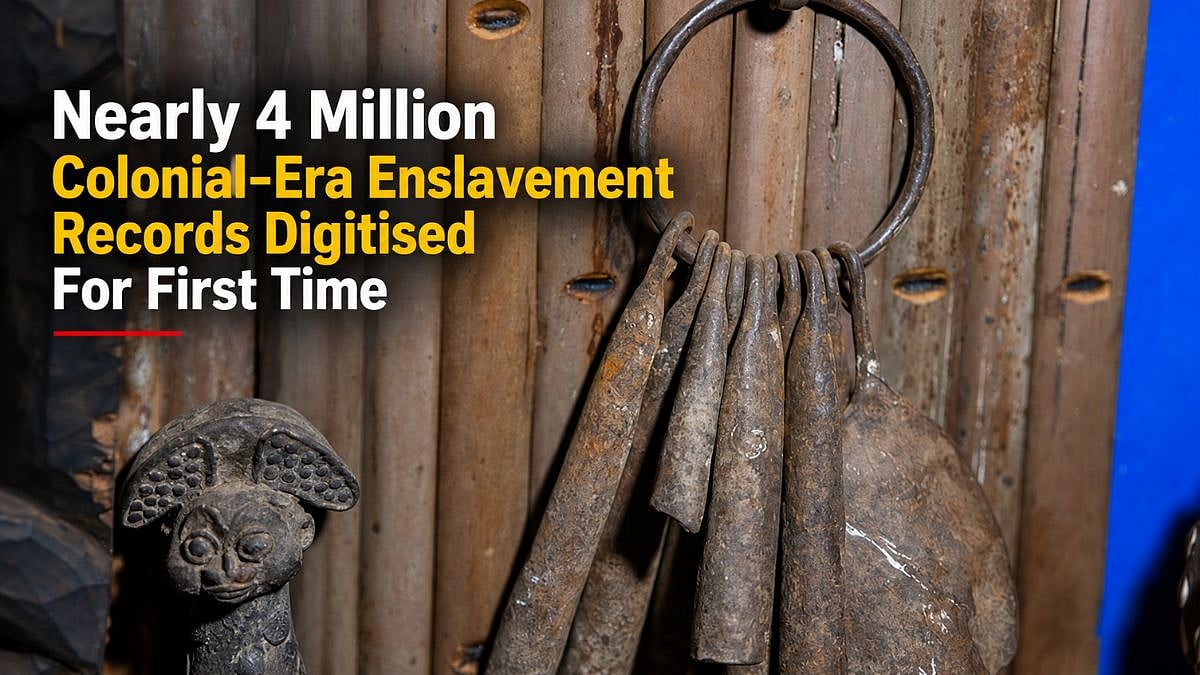
Nearly Four Million Enslavement Records Open Colonial Family Histories

Caribbean Nations Consider Legal Action Over UK Slavery Reparations
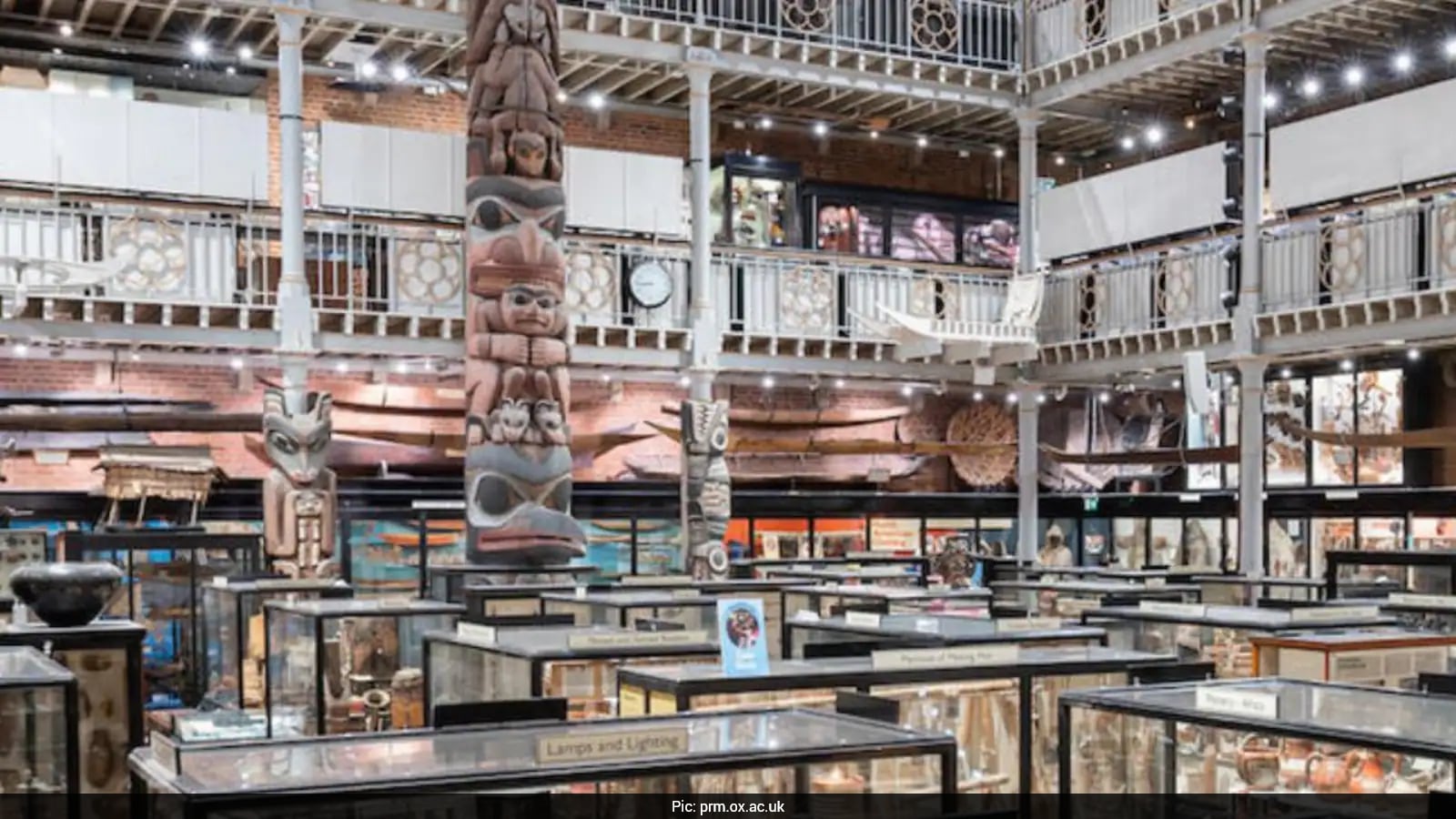
Oxford Museum to Return 39 Colonial-Era Remains to Naga People
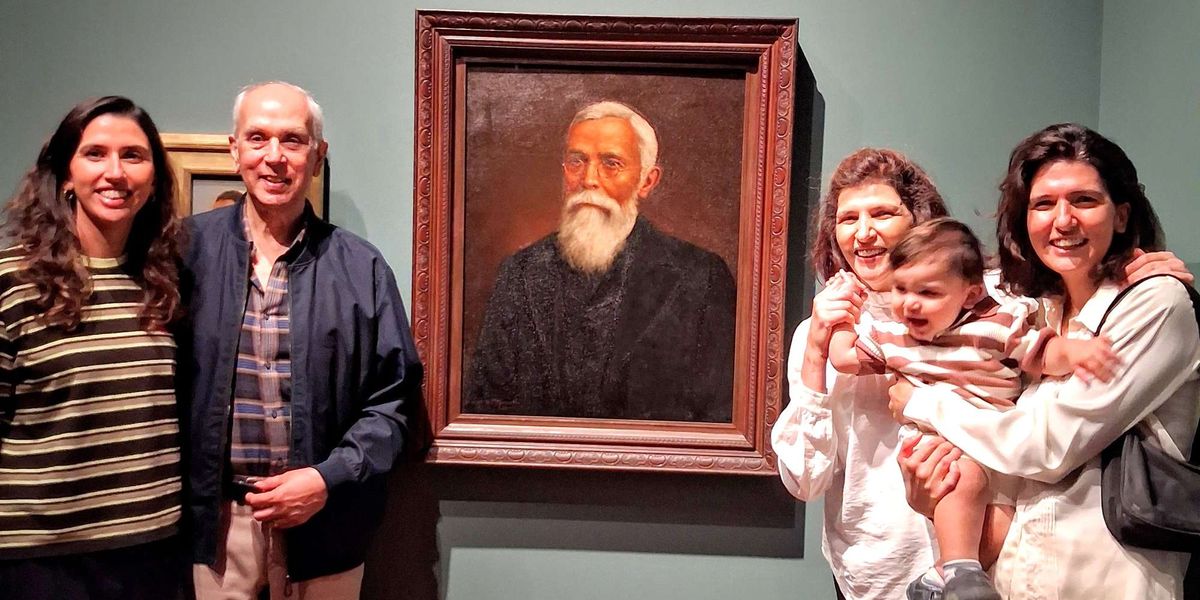
Restored Dadabhai Naoroji Portrait Goes on Display in London

Ranabaali Episode Explores Forgotten Stories of British India

Majoie Hajary’s Forgotten Musical Bridge Between Suriname and India
MPs Question Inaction Seven Months After Friendship Groups Formed
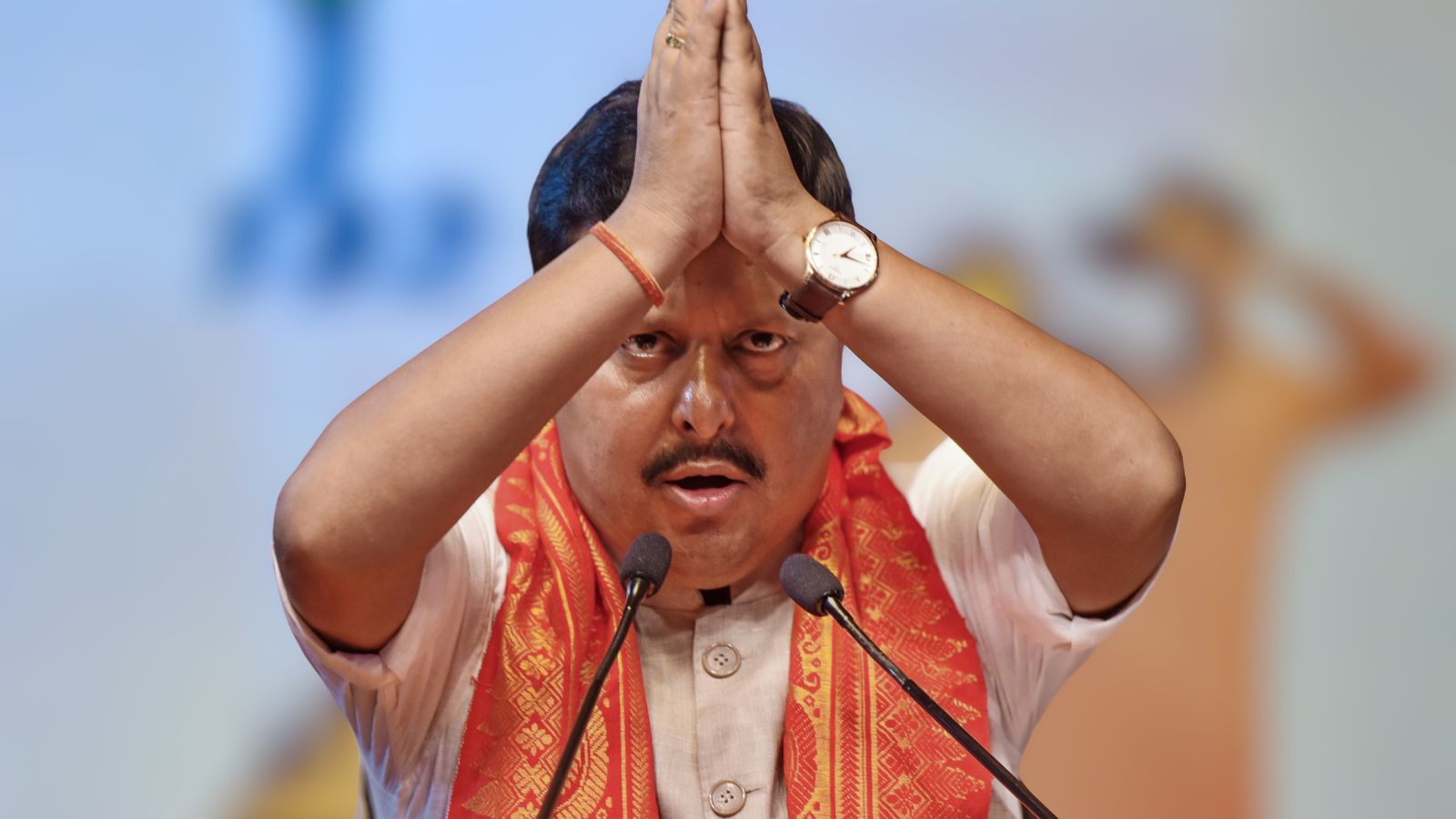
BJP Chief Nitin Nabin Briefs Eight Countries’ Diplomats
Rashied Doekhi Calls for Deeper India–Suriname Economic Cooperation