7 hrs ago
King Charles to Address Slavery Legacy During Caribbean Tour

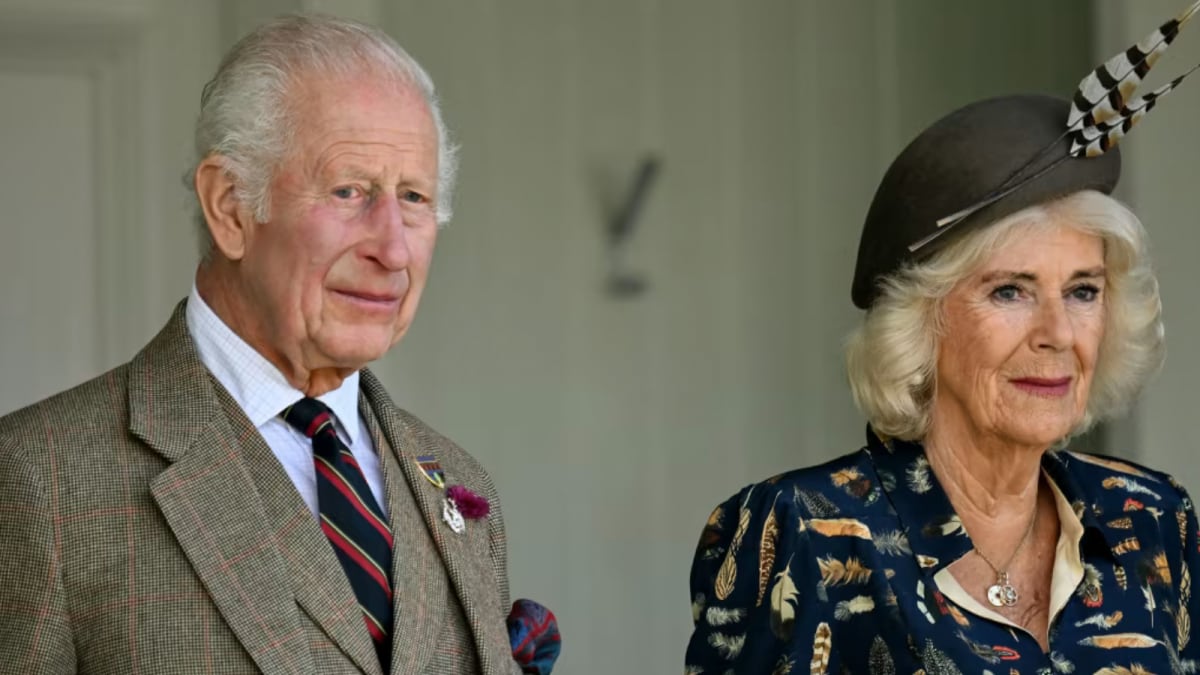
King Charles is going on a trip to several Caribbean countries.
Some of these countries are discussing whether Britain should pay money because of its role in slavery.
Britain’s government says it will not pay reparations.
The king’s palace says he will not avoid talking about slavery and its lasting effects.
He will visit the Bahamas, Guyana, and Antigua and Barbuda.
He will also attend a meeting of Commonwealth countries.
The palace says the trip will also celebrate the countries’ current achievements and future plans.
Charles has supported research into the monarchy’s historical connections to slavery.
Caribbean leaders and Commonwealth officials want more progress on discussions about reparations.

Buckingham Palace says King Charles will discuss Britain’s involvement in the transatlantic slave trade during his Caribbean visit.
Charles and Queen Camilla will visit the Bahamas and Guyana before attending the Commonwealth summit in Antigua and Barbuda.
The British government has ruled out paying slavery reparations, while Caribbean nations are pressing for compensation discussions.
The palace says the tour will acknowledge historical wrongs while focusing mainly on each country’s present and future.
Charles has supported research into the monarchy’s historical links to slavery and has previously expressed sorrow over the trade.
- Who
- King Charles, Queen Camilla, Caribbean governments, the British government, and Commonwealth representatives.
- What
- Charles will tour Caribbean countries and address Britain’s historical role in the transatlantic slave trade and its continuing effects.
- Where
- The Bahamas, Guyana, and Antigua and Barbuda.
- When
- The tour is scheduled for later in October; the Commonwealth Heads of Government Meeting will take place from November 1 to 4 this year.
- Why
- The visit comes amid growing Caribbean and African calls for slavery reparations and discussions about colonial legacy.
Caribbean Reparations Advocates
British Government
Whether Britain should pay reparations
Caribbean Reparations Advocates
Caribbean and African nations are calling for reparations, and Jamaica has asked Charles to seek legal advice on whether Britain should pay them.
British Government
The British government has ruled out paying reparations.
How the royal visit should address slavery
Caribbean Reparations Advocates
Caribbean governments and officials want discussions about colonial legacy, the slave trade, and its intergenerational effects to make progress.
British Government
Buckingham Palace says Charles will acknowledge the darkest days of the past but that the visit will principally focus on the countries’ present and future.
Key facts
- Countries on the tour
- The Bahamas, Guyana, and Antigua and Barbuda
- Commonwealth meeting
- The Commonwealth Heads of Government Meeting will be held in Antigua and Barbuda from November 1 to 4.
- British government position
- The British government has ruled out paying reparations.
- Charles’s position
- Charles has expressed sorrow about slavery and backed research into the monarchy’s historical links to the trade.
- Historical estimate
- European merchants abducted and sold at least 12.5 million Africans into slavery from the 15th to the 19th century.
- Britain’s estimated role
- Britain transported an estimated 3.2 million enslaved people, according to the report.
- Commonwealth membership
- Charles is head of the Commonwealth, a group of 56 nations representing about 2.7 billion people.
Quotes

Buckingham Palace spokesperson
A spokesperson for Buckingham Palace discussing the tour’s significance.
“The visit programme will therefore not shy away from ‘the darkest days of our past’, as his majesty has described them, but – in keeping with the wishes of our host nations – it will principally be oriented to the vibrant present and promising future of each country.”
 theprint.in
“It is important to note here the work his majesty himself has done over many years both to acknowledge the wrongs of the past and to find creative ways to right inequalities that endure”
theprint.in
Sources
Related news
Caribbean Nations Consider Legal Action Over UK Slavery Reparations
Study Finds Dutch Royal House Deeply Involved in Colonial Exploitation
Babar Azam’s Bat Exchange With King Charles Goes Viral
Trump Calls Britain’s Chagos Islands Transfer to Mauritius ‘Terrible’
Trump Praises Burnham Despite Dispute Over Chagos Deal

London Goalkeeper Proposed as Next King of Uganda’s Tooro Kingdom

Charles Spencer Memoir Reignites Dispute Over Princess Diana’s Death

Princess Diana’s Revenge Dress Heads to Sotheby’s Auction
King Charles III and Queen Camilla Visit Neasden Temple for Anniversary and Diwali
King Charles and Queen Camilla's Vatican State Visit