3 weeks ago
Australia Sets Minimum Pay, Insurance Rules for Gig Delivery Workers

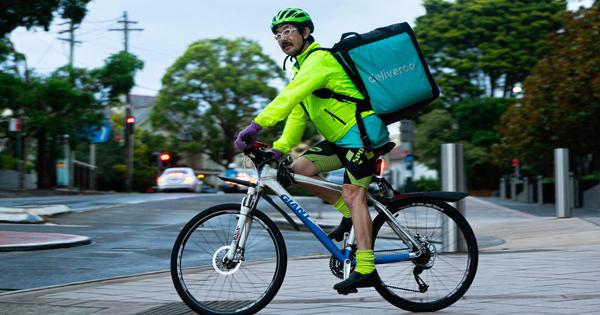
Some people in Australia deliver food and groceries to homes using cars or bikes.
These workers are called gig workers.
A special group called the Fair Work Commission makes rules about jobs in Australia.
On Tuesday, it said gig delivery workers must be paid at least A$31.30 per hour, which is more than the national minimum wage of A$26.44.
The new rule starts on August 17 and will help about 250,000 workers.
Companies that hire these workers must also provide accident insurance for them.
Before now, gig workers were not protected by many workplace rules because they were called independent contractors.
This new order is a big step to give them fairer pay and safer working conditions.

Australia's Fair Work Commission will require food and grocery delivery gig workers to be paid at least A$31.30 an hour, above the national minimum wage of A$26.44.
The order takes effect on August 17 and is expected to benefit about 250,000 workers.
Companies must provide a "reasonable minimum level of cover" for personal accident insurance, while workers remain responsible for third-party vehicle insurance.
The Transport Workers Union called the order "a landmark moment for the Australian gig economy," while Uber Eats and DoorDash said stronger protections and gig worker flexibility can go hand in hand.
The order follows the International Labour Organization's June decision to adopt the first binding employment standards for gig workers, which still require government ratification.
- Who
- The Fair Work Commission (FWC), acting under laws passed by Australia's Labor government, along with gig delivery workers, the Transport Workers Union, and delivery companies Uber Eats and DoorDash.
- What
- New minimum hourly pay and personal accident insurance standards for food and grocery delivery gig workers in Australia.
- Where
- Australia.
- When
- The order was issued late on Tuesday and takes effect on August 17.
- Why
- Gig workers, typically classified as independent contractors rather than employees, were excluded from many workplace protections, and unions and workers pushed for reforms to guarantee minimum pay and conditions.
Stronger Protections
Preserving Flexibility
Balancing worker protections and gig flexibility
Stronger Protections
Gig workers were left outside workplace systems for too long, and the new order gives them world-leading minimum pay and insurance standards to build on over time.
Preserving Flexibility
The flexibility that gig workers value must be preserved; Uber Eats and DoorDash say the new rules show stronger protections and flexibility can go hand in hand.
Key facts
- Minimum hourly rate
- A$31.30 (about US$22.11)
- National minimum wage
- A$26.44
- Effective date
- August 17
- Workers affected
- About 250,000
- Issuing body
- Fair Work Commission (FWC)
- Insurance requirements
- Companies must provide reasonable minimum personal accident cover; workers keep third-party vehicle insurance
- Pay basis
- Engaged time between accepting a job and completing the delivery
- ILO context
- First binding gig work standards adopted in June; still require government ratification
Quotes
Michael Kaine
National Secretary of the Transport Workers Union
“"Gig workers in Australia were left outside of our workplace systems for far too long. From Monday, they will be entitled to an absolute world‑leading set of standards that we will build on over time."”
 theprint.in
Sources
Related news
Australia sets minimum hourly pay for food delivery workers
Boss Is an App: India Regulates Gig Pay, Not Algorithms

Gig Work Pays More, Offers Flexibility, Report Finds

Rajasthan Approves New Wage Rules, Caps Weekly Work Hours at 48
India’s Minimum Wage Surge Brings Gains—and Business Concerns
Gig Workers Demand Safety Rules for Private Bike Taxis
West Bengal’s Youth Employability Crisis Threatens Its Demographic Advantage
AI Data Annotation Boom Creates Low-Paying Jobs in India

India’s Minimum Wage Trails China, US and Japan on PPP

Why India Must Prioritize Rejuvenation of Its Small Rivers
India’s Gig Economy Growth Leaves Women Behind, Study Finds