1 week ago
Why India Must Prioritize Rejuvenation of Its Small Rivers
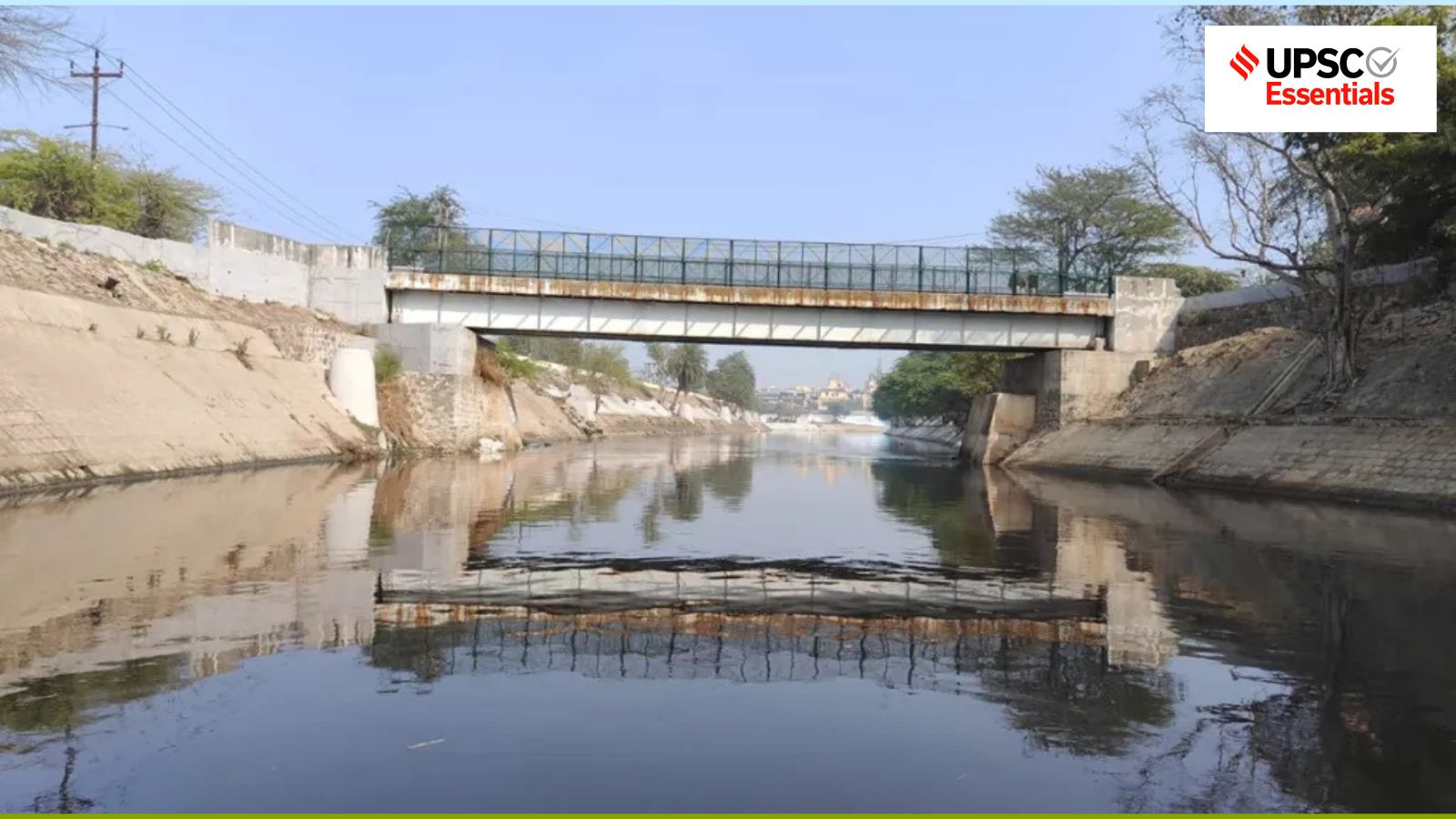
Small rivers are important because they support people, animals and larger rivers.
Many of them have become polluted or blocked by buildings, rubbish and sewage.
The draft Small River Rejuvenation Framework offers ways to restore these rivers.
It recommends nature-based solutions suited to local conditions.
It also treats urban and rural rivers differently because their problems are not the same.
Healthy small rivers can help recharge groundwater and improve major rivers downstream.
States and local communities are already working to revive several rivers.
The biggest challenge will be carrying out the plans and keeping the rivers flowing cleanly.

India’s river-cleaning policies, focused largely on major and medium rivers, expanded to smaller rivers in 2019.
The draft Small River Rejuvenation Framework targets pollution, climate-related risks, disrupted connectivity and geomorphological damage.
Urbanisation, encroachment, sewage, pollution and land-use change have severely degraded many small rivers.
Small rivers provide water, biodiversity, groundwater recharge, cultural benefits and potentially fuel-efficient transport routes.
State programmes and community initiatives are reviving rivers, but effective implementation and sustained flow remain major challenges.
- Who
- The National Mission for Clean Ganga, state governments and local communities are involved in small-river rejuvenation efforts.
- What
- A draft Small River Rejuvenation Framework proposes ways to restore India’s smaller rivers and address pollution, disrupted connectivity, climate-related risks and geomorphological damage.
- Where
- Across India, including urban areas and states such as Uttar Pradesh, Kerala, Maharashtra, Jammu and Kashmir, Chhattisgarh and Odisha.
- When
- River-cleaning policy expanded to include smaller rivers in 2019, and the draft framework was recently unveiled.
- Why
- Small rivers support ecosystems, communities and larger river systems, but have been degraded by pollution, encroachment, urbanisation and land-use change.
Key facts
- Definition
- Small rivers are described as natural water bodies generally 50–150 km long, flowing within one or two districts and possibly being seasonal or perennial.
- River classification
- India has 14 major rivers, 42 medium rivers and 55 minor rivers based on basin area, in addition to thousands of small rivers and streams.
- Draft framework
- The Small River Rejuvenation Framework focuses on pollution, climate-related interventions, connectivity restoration and geomorphological correction.
- Implementation
- The framework proposes prioritising rivers according to flow reduction, pollution, administrative feasibility and ecological factors.
- Transport network
- India has 111 inland National Waterways across 23 states and four Union Territories; 32 are currently operational.
- Freight costs
- Reported inland-waterway freight costs are Rs. 1.06 per tonne-kilometre, compared with Rs. 1.36 for rail and Rs. 2.50 for road transport.
- State initiative
- Uttar Pradesh’s One District-One River programme has targeted rivers including the Noon, Sakarni, Ghurari, Manorama and Tamsa.
Sources
Related news
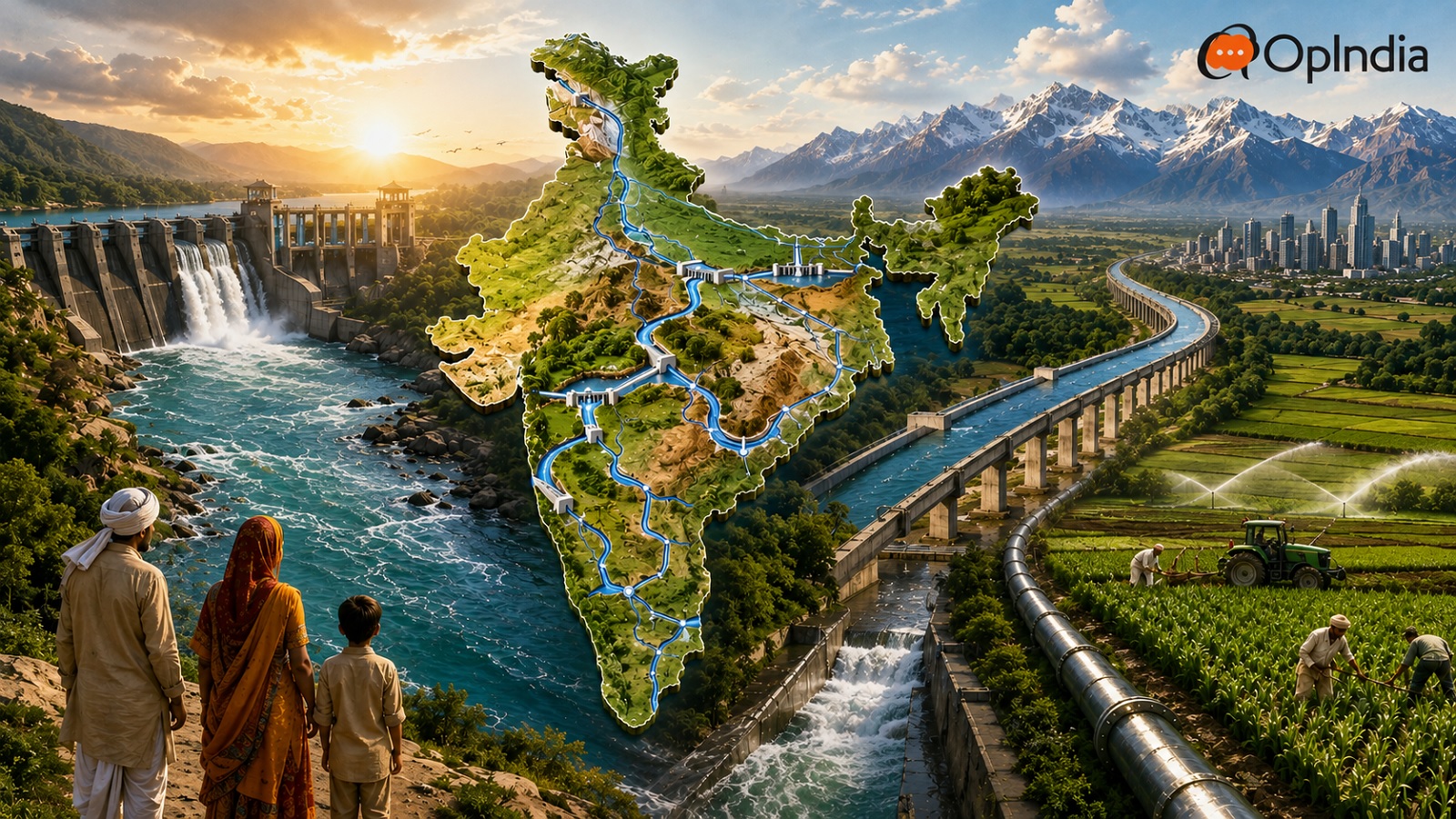
India’s River-Linking Ambitions Face Engineering and Ecological Challenges

Punjab MP Seechewal urges nationwide drive to protect India's rivers
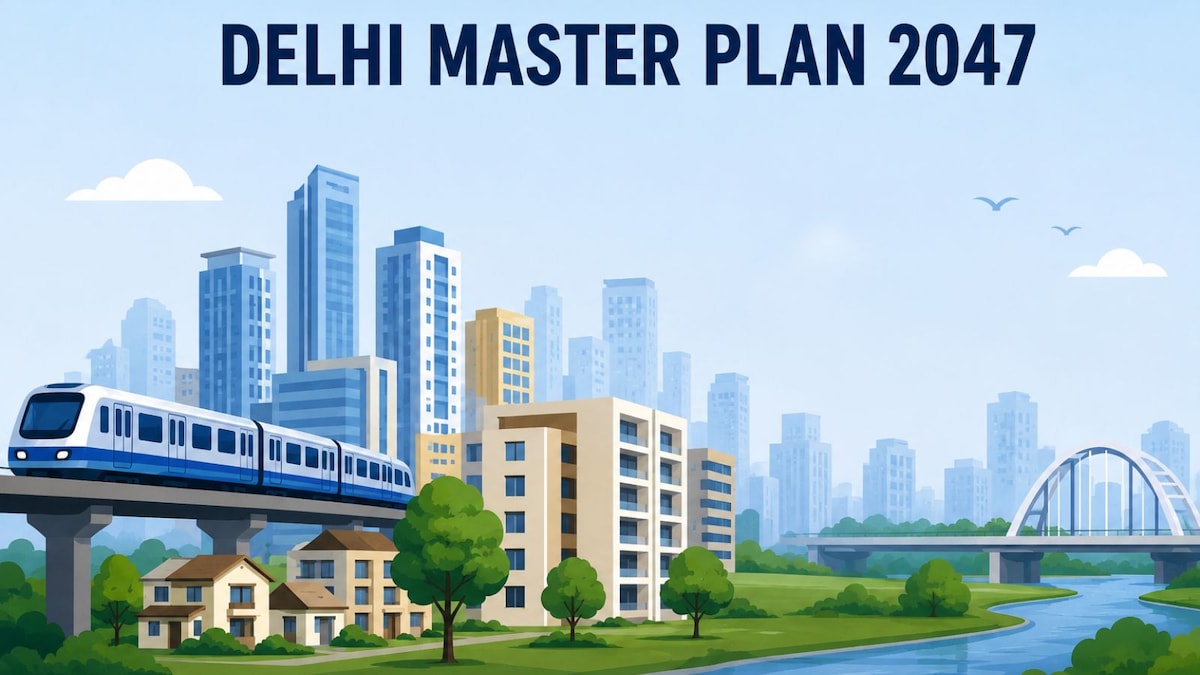
Delhi’s MPD-2047 Targets 22 Drains in Yamuna Revival

Maharashtra Commits to Sustainable River Development, Pankaja Munde Says
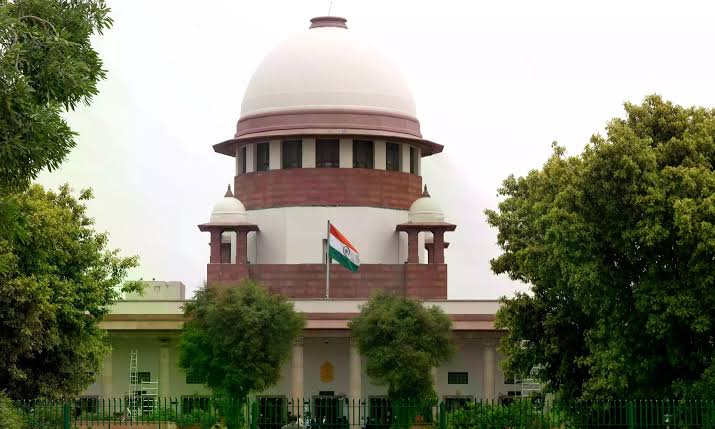
Supreme Court Bars Construction Near Rajasthan’s Jojari River

Tamil Nadu Launches Rs 500 Crore Statewide Desilting Drive
West Bengal’s Youth Employability Crisis Threatens Its Demographic Advantage

AI Data Annotation Boom Creates Low-Paying Jobs in India
India’s Minimum Wage Trails China, US and Japan on PPP
India’s Gig Economy Growth Leaves Women Behind, Study Finds