

6 hrs ago
India’s Minimum Wage Surge Brings Gains—and Business Concerns
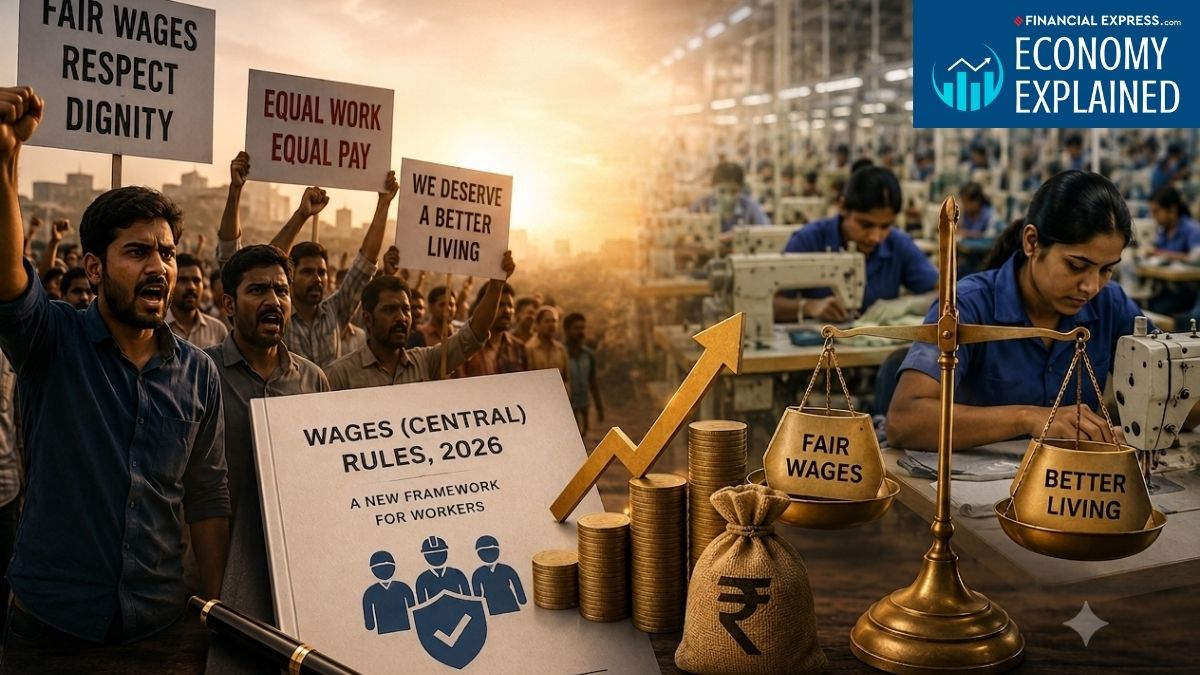
Several Indian states are raising the minimum amount employers must pay workers.
In some places, workers protested because they earned much less than workers in nearby states.
A new national wage framework is meant to consider inflation, skills, location and the difficulty of work.
It will also cover workers in the unorganised sector.
Supporters say higher wages can help families buy more and give workers greater bargaining power.
Some studies suggest that higher wages do not always lead to fewer jobs when employers follow the rules.
Businesses worry that their costs and prices may rise.
Companies with contracts that automatically pass wage increases to customers may be less affected.
The article concludes that the increases should be welcomed, while recognising that their effects on inflation and businesses will take time to assess.

Uttar Pradesh raised minimum wages by nearly 21% in Gautam Buddha Nagar and Ghaziabad after protests by Noida textile workers.
Karnataka increased minimum wages by up to 60%, while Telangana, Punjab and Rajasthan also considered or implemented substantial increases.
The Wages (Central) Rules, 2026 replaced several older wage laws and introduced broader, more data-driven minimum-wage rules.
Research cited in the article suggests compliant wage increases can improve living standards and reduce inequality without reducing overall employment.
Companies including Delhivery, Swiggy, Eternal and value retailers reported higher labour costs, though some firms can pass increases through to customers.
- Who
- Workers, state governments, businesses, contractors and trade unions in India are involved.
- What
- Several states have sharply raised minimum wages, while India has introduced the Wages (Central) Rules, 2026.
- Where
- The changes and protests described occurred across India, including Uttar Pradesh, Haryana, Rajasthan, Karnataka, Telangana and Punjab.
- When
- The increases have occurred in recent months; the new central rules were notified in May 2026.
- Why
- Wages are being revised after long delays, amid higher worker bargaining power, labour shortages and the introduction of a new national wage framework.
Worker Gains
Business Risks
Effect on employment
Worker Gains
Supporters argue that, when employers comply, higher minimum wages can improve living standards, reduce wage inequality and support demand without reducing overall jobs.
Business Risks
Businesses and some industries warn that higher labour costs could pressure margins and may encourage firms to relocate, although the article says no company has indicated plans to reduce hiring.
Who should absorb the cost
Worker Gains
Workers should receive a larger share of economic gains after years of limited bargaining power and stagnant wage revisions.
Business Risks
Companies and contractors may need to renegotiate contracts, automate, or pass higher labour costs on to customers; firms without automatic pass-through clauses face greater margin pressure.
Inflation risk
Worker Gains
The article says the available international evidence indicates that minimum-wage increases have only a limited short-term effect on consumer inflation.
Business Risks
Higher labour costs could gradually raise prices of goods and services, with the article cautioning that the full effect on India’s wholesale and consumer prices cannot yet be assessed.
Key facts
- Uttar Pradesh increase
- Minimum wages rose by nearly 21% in Gautam Buddha Nagar and Ghaziabad.
- Karnataka increase
- Minimum wages rose by up to 60%, the highest increase mentioned.
- Other increases
- Telangana raised wages by 25–35%, while Punjab revised them by 15%.
- New wage framework
- The Wages (Central) Rules, 2026 replaced several older wage laws and established a national floor wage framework.
- Compliance concern
- The article cites research finding non-compliance rates as high as 90% in some cases.
- Inflation estimate
- An OECD-country study found that a 10% minimum-wage increase raised consumer inflation by 0.3% over five months.
- Corporate impact
- Delhivery’s service EBITDA margin fell about three percentage points quarter-on-quarter in Q1 FY27, with management citing wage increases as a major factor.
Sources
Related news

Cabinet Panel Reviews State Minimum Wage Revision Notification
US proposes 30% H-1B wage increase amid mixed responses

Rajasthan Approves New Wage Rules, Caps Weekly Work Hours at 48
US H-1B Wage Proposal Could Reshape Opportunities For Indian Professionals
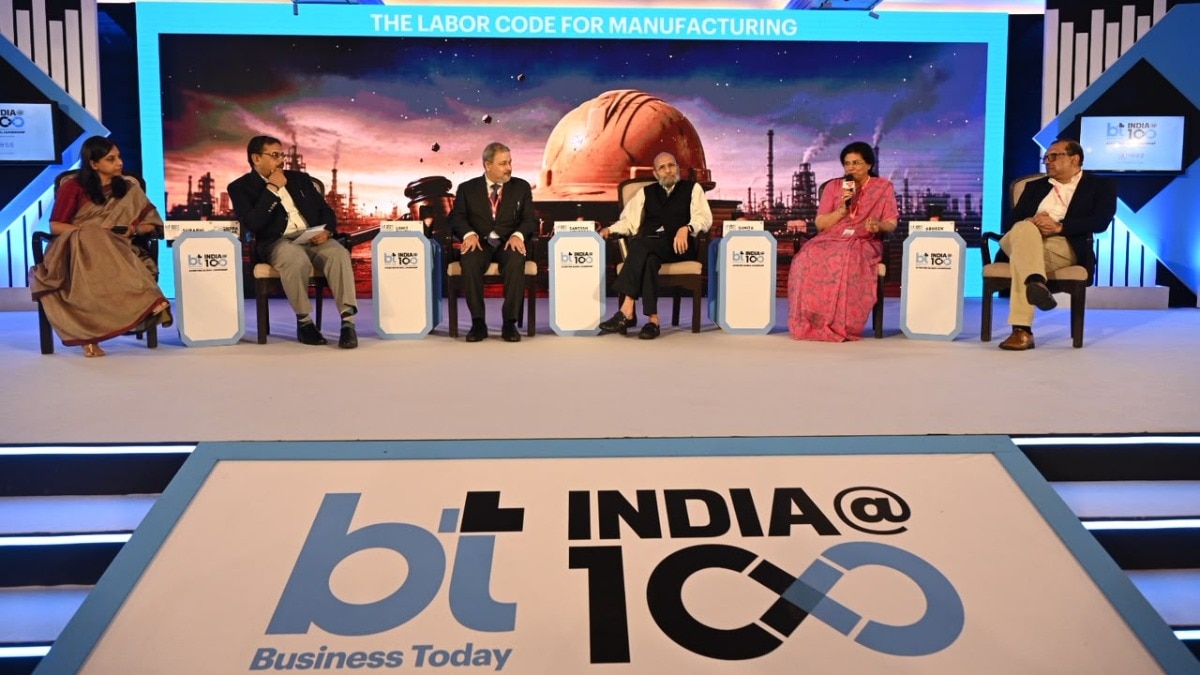
India’s New Labour Rules Aim to Unlock Manufacturing Growth

Supreme Court Weighs Fundamental Right To Work And Minimum Wages

Delhi-NCR Faces Rain, Thunderstorms as IMD Issues Yellow Alert

Telugu States Lag in University Township Selection Race

Property Dealer Shot Dead Outside Narela Gym by Three Attackers

Maruti Suzuki Targets Faster Electric Vehicle Sales Growth
