3 weeks ago
Boss Is an App: India Regulates Gig Pay, Not Algorithms
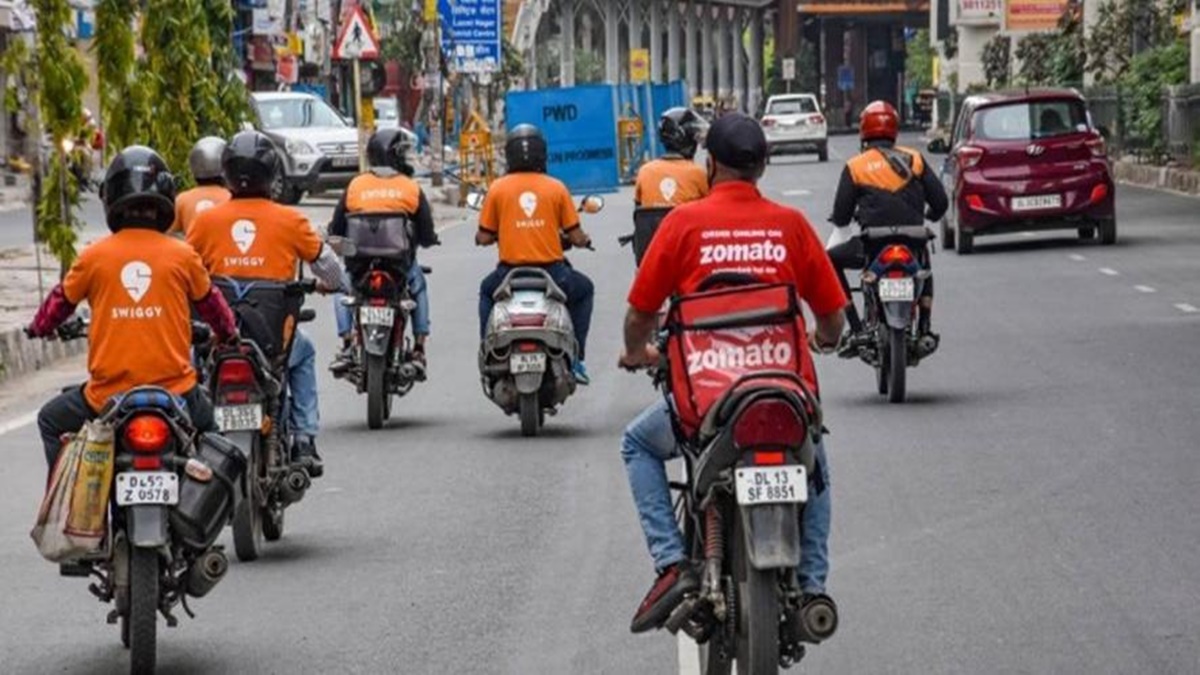
Some delivery riders in India do not have a human boss — an app on their phone tells them where to go and how fast.
The app also decides how much they earn and even whether they get work the next day.
For a long time, these workers had little help like insurance or pension support.
India's Parliament passed a law about this long ago, and this year the government finally told delivery companies to pay money into a social security fund for gig workers.
But the part of the system that acts like the boss — the computer program — is still not covered by the rules.
Many riders work very long hours, sometimes more than 70 hours a week, and many have had scary moments or accidents on the road.
When riders protested, delivery companies stopped promising that food would arrive in 10 minutes.
The rules say workers must stay with one platform for 90 days to get benefits, which is hard because many switch apps often.
The European Union has stronger rules that make companies explain their algorithms and let humans watch over the decisions.
Millions of people in India may soon do this kind of work, and experts say office workers may someday face the same kind of app-boss too.

In May, India notified central rules under the Code on Social Security requiring gig platforms to contribute 1%-2% of annual turnover to a social security fund for gig workers.
A survey of platform workers across Indian cities found nearly a quarter worked more than 70 hours a week, 62% had experienced near-miss road accidents, and 27% had met with one.
After nationwide protests by delivery workers late last year and government intervention, quick-commerce companies dropped or softened their 10-minute delivery claims.
Welfare eligibility requires 90 days of engagement with one platform, or 120 days across several, a continuity requirement that critics say does not fit a sector defined by churn.
The European Union's platform-work rules provide for a rebuttable presumption of employment and require greater transparency and human oversight of algorithmic decisions, unlike India's rules so far.
- Who
- Gig and delivery platform workers in India, platform aggregator companies, the Indian government, and the European Union.
- What
- India notified central rules under the Code on Social Security requiring platform contributions to a gig worker social security fund, while leaving the order-assigning algorithm largely unregulated.
- Where
- India (across Indian cities), with a comparison to European Union platform-work rules.
- When
- Rules were notified in May, six years after Parliament passed the Code on Social Security; delivery worker protests occurred late last year.
- Why
- To provide insurance and benefits to gig workers, though the article argues the algorithm that manages workers remains outside the law's scope.
Regulating what platforms pay
Regulating how platforms manage
Scope of gig-economy regulation
Regulating what platforms pay
India's new rules regulate money, requiring platforms to contribute 1%-2% of annual turnover to social security benefits for gig workers.
Regulating how platforms manage
The EU's platform-work rules regulate the algorithm itself, creating a rebuttable presumption of employment and requiring transparency and human oversight of algorithmic decisions.
Delivery speed promises
Regulating what platforms pay
Nationwide protests and government intervention led quick-commerce companies to drop or soften their 10-minute delivery claims, which had put riders at risk.
Regulating how platforms manage
Quick-commerce companies had built their model around 10-minute delivery promises and only revised them after workers organised against the algorithm-driven targets.
Key facts
- Law
- Code on Social Security, passed by Parliament six years ago; central rules notified in May
- Employer contribution
- 1%-2% of annual turnover from aggregators towards insurance and other benefits
- Long hours
- Nearly a quarter of surveyed platform workers worked more than 70 hours a week
- Road accidents
- 27% of surveyed workers met with an accident; 62% experienced near-miss accidents
- Benefit eligibility
- 90 days of engagement with one platform, or 120 days across several
- 10-minute delivery
- Claims dropped or softened after worker protests and government intervention
- Projected gig workforce
- 23.5 million in India by the end of this decade
Quotes
Delivery rider
An Indian gig‑platform delivery rider
“"That’s not fair"”
 financialexpress.com
Sources
Related news

Readers Urge Action on Gig Workers, Pollution, and Safety

Gig Work Leaves India’s Workforce Exhausted and Dehumanized
India’s Gig Economy Growth Leaves Women Behind, Study Finds
Maharashtra proposes EV fleet, welfare fund norms for delivery apps

Rejig Social Security Contribution Formula for Gig Workers

Parliamentary Oversight Can Strengthen India’s Transparent, Responsive Governance

Inside India's Parliament, Disruptions Raise Questions About Democratic Accountability

BJP Challenges Rahul Gandhi’s Account in Dalit Controversy

Kerala Government Orders Phased, Low-Cost Shift to Keralam

J&K BJP: Statehood Will Return, Article 370 Will Not