

8 hrs ago
US Confirms Orbital Weapons, Raising Legal and Security Questions
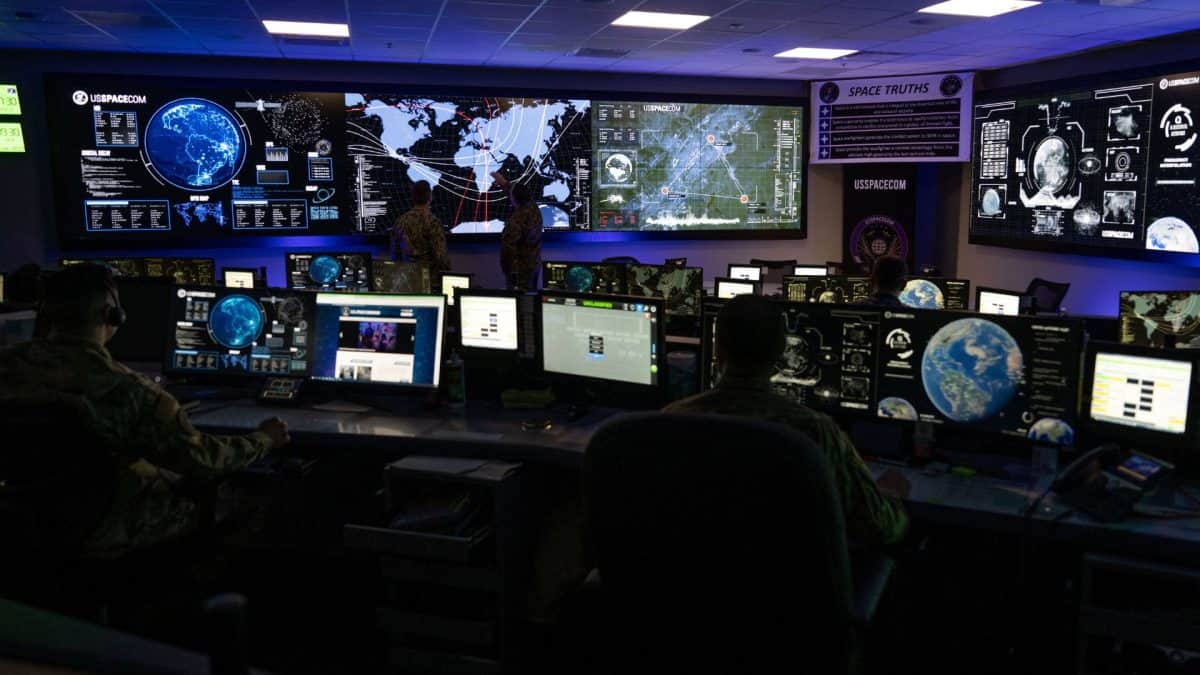
The United States says it has placed weapons in space.
Officials say these systems can help protect American and allied military forces.
They have not explained exactly what the weapons look like or where they are located.
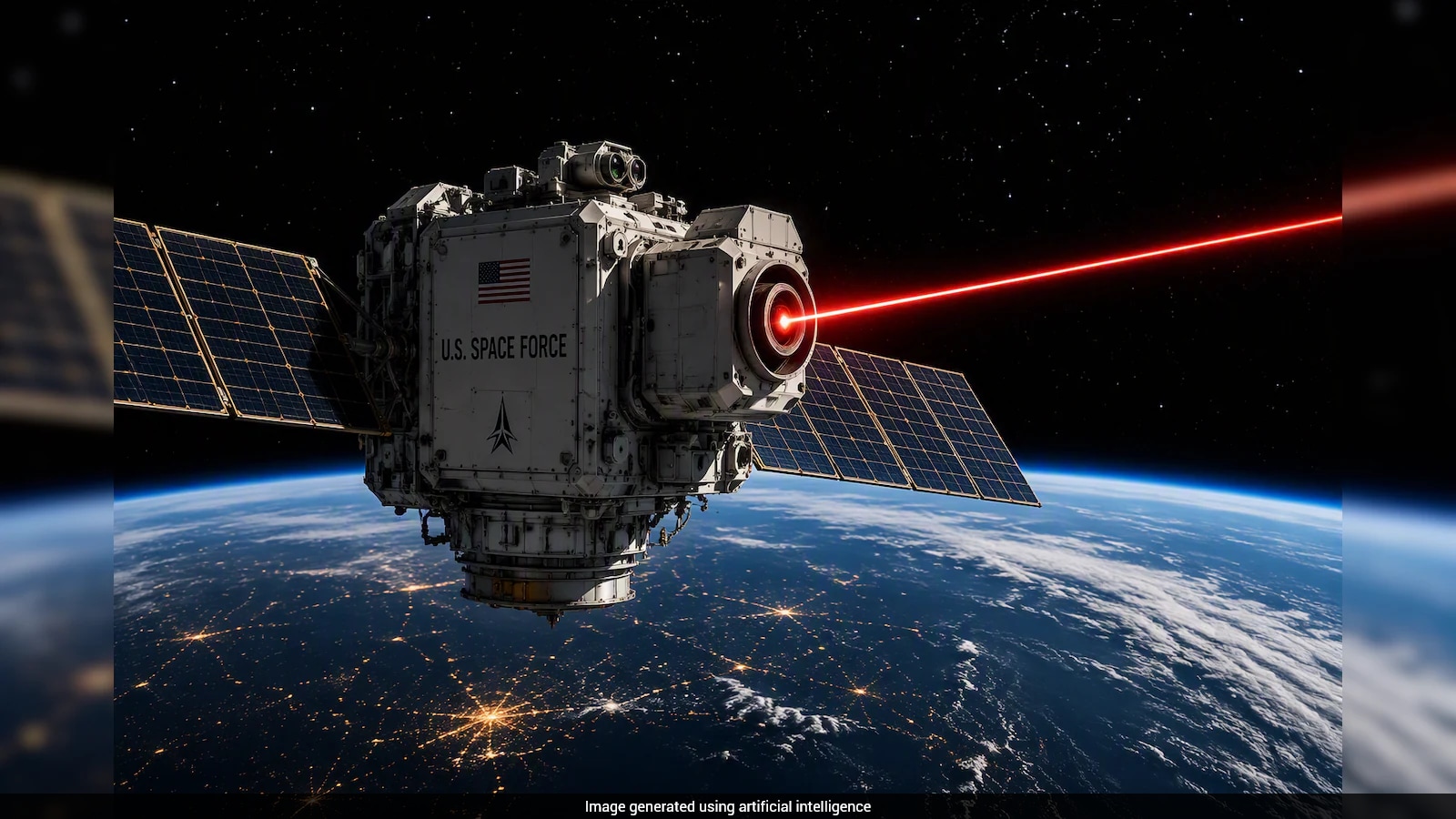
The systems might use tools such as jamming, lasers, cyber operations, or physical force.
A major space treaty bans nuclear and other weapons of mass destruction in orbit.
However, the treaty does not clearly ban every kind of conventional weapon in space.
Other countries worry that this could make space more dangerous and encourage an arms race.
Destroying satellites could also create debris that damages other spacecraft, including commercial satellites.

US Secretary of the Air Force Troy Meink confirmed that the United States Space Force operates weapons in orbit.
Officials have not disclosed the weapons’ number, locations, insertion dates, or specific technologies.
The United States says the systems are intended to defend allied forces and counter hostile space threats.
The 1967 Outer Space Treaty bans weapons of mass destruction in orbit but does not expressly prohibit conventional space weapons.
Critics warn that orbital weapons could intensify an arms race, threaten commercial satellites, and create dangerous space debris.
- Who
- The United States Space Force, confirmed by Secretary of the Air Force Troy Meink, is involved; China and Russia criticized the deployment.
- What
- The United States acknowledged operating on-orbit space-control weapons for offensive and defensive purposes.
- Where
- The weapons are deployed somewhere in Earth’s orbit, but their orbital locations remain classified.
- When
- The confirmation was made on September 14 at the Air & Space Forces Association’s annual Air, Space & Cyber Conference.
- Why
- The United States says the systems are needed to defend allied forces and counter increasingly capable threats from foreign adversaries.
United States and Allied Position
Critics and Rival Powers
Legality of conventional orbital weapons
United States and Allied Position
The United States argues that current space treaties prohibit weapons of mass destruction in orbit, not conventional weapons, and that defensive systems can be consistent with the right of self-defense.
Critics and Rival Powers
Critics argue that deploying weapons turns space into a more active military battleground and tests the limits of the treaties’ peaceful-use principles.
Need for deployment
United States and Allied Position
United States officials say foreign rivals are developing capabilities to threaten American and allied space assets, making on-orbit defenses necessary.
Critics and Rival Powers
China, Russia, and non-aligned diplomats describe the move as militarization or an effort to establish dominance in orbit.
Preferred weapons and space safety
United States and Allied Position
The United States is expected to favor non-kinetic tools such as jamming, cyber operations, and optical disruption because they can avoid creating large debris fields.
Critics and Rival Powers
Opponents and space-sector concerns emphasize that any escalation, especially kinetic attacks, could damage commercial constellations and increase the risk of orbital collisions.
Key facts
- Confirmed by
- Troy Meink, Secretary of the Air Force
- Operating force
- United States Space Force
- Weapon details
- Payloads, number of units, orbital locations, and insertion timeline remain classified
- Potential capabilities
- Kinetic systems, directed energy, electronic warfare, jamming, or cyber operations
- Main treaty
- The 1967 Outer Space Treaty
- Treaty restriction
- The treaty prohibits placing nuclear weapons or other weapons of mass destruction in Earth orbit
- Main risk
- Kinetic attacks could create debris that threatens military and commercial satellites
Quotes

Troy Meink
US Secretary of the Air Force who confirmed the deployment of orbital space-control weapons.
“Today, we continue to ensure we remain ready to meet the challenges of evolving threats wherever they exist. This is why the United States now has, on orbit, space-control weapons, capable of defending the joint force against hostile adversary action.”
 firstpost.com
“For more than a decade, we have seen our adversaries build out capabilities specifically aimed at taking away our asymmetric military advantage in space. We must ensure our joint force remains protected everywhere.”
firstpost.com
Sources
Related news
US Confirms First On-Orbit Weapons Amid China, Russia Threats
China, Russia Warn as US Confirms Weapons in Orbit

US Confirms Space-Based Weapons Amid Russia, China Threats

U.S. Orbital Weapons Acknowledgment Called Landmark Deterrence Move
China Urges US to Stop Preparing for Space War

Russia Calls For Weapon-Free Space After U.S. Deployment
Modi Balances Rivalries at a Restrained BRICS Summit

India Places Gukesh on Board Four for Chess Olympiad

US Redirects Military Aid From Europe, Middle East to Americas

Houthi Chokepoint Seizure Exposes Deep Divisions Inside BRICS
Trump’s AI Hoax Claim Faces Warnings and Calls for Regulation
