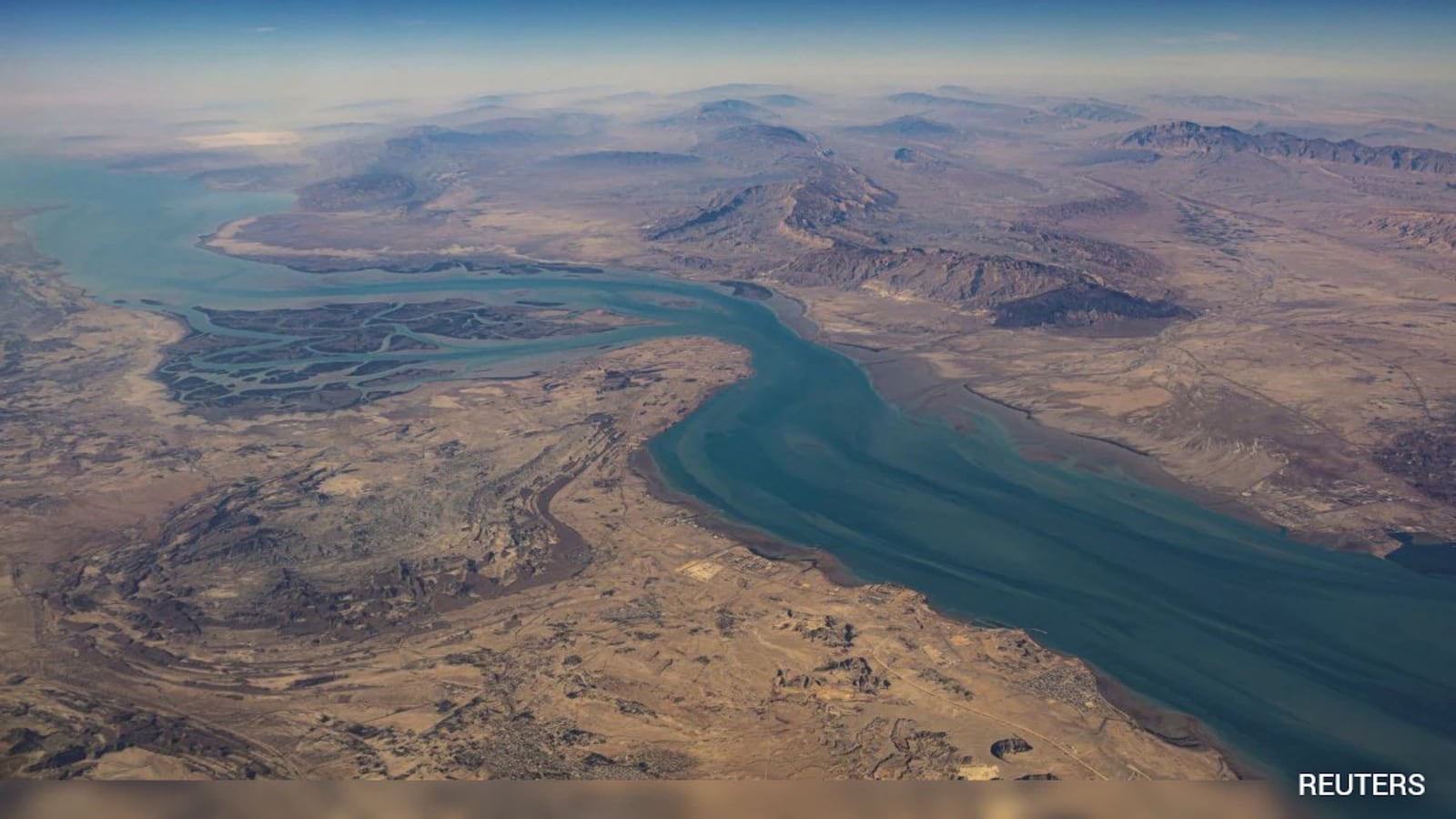
1 hr ago
Houthi Chokepoint Seizure Exposes Deep Divisions Inside BRICS

The Houthis, an armed group in Yemen, took control of important places near a busy sea passage.
This passage is called the Bab el-Mandab Strait and is used by many ships carrying goods and energy.
The Houthis now control much of Yemen’s Red Sea coastline.
This could make shipping more expensive and discourage ships from using the route.
Saudi Arabia’s oil pipeline and Egypt’s Suez Canal could be hurt by reduced traffic.
BRICS countries met in New Delhi soon afterward, but their statement did not directly discuss the crisis.
Russia may gain economically from higher shipping and energy risks, while China and India need the routes to remain open.
Because BRICS members have different interests, they could only agree to call for restraint rather than take a stronger common position.

Houthi forces reportedly seized Yemen’s Mokha port and Mayyun Island overlooking the Bab el-Mandab Strait.
The seizure gives Iran’s most powerful remaining proxy near-total control of Yemen’s Red Sea coast and threatens a route carrying about 12% of global trade.
Tensions around the Bab el-Mandab and Strait of Hormuz expose Saudi Arabia, Egypt, the United Arab Emirates, China and India to economic risks.
Russia could benefit from tighter chokepoints because most of its oil exports go to India and China through other routes.
The BRICS summit declaration avoided mentioning the Red Sea, Yemen, the Houthis, shipping or maritime security, highlighting divisions within the bloc.
- Who
- Houthi forces, Iran, BRICS member governments, and countries dependent on Red Sea and Gulf trade routes.
- What
- Houthi forces reportedly seized Mokha and Mayyun Island, tightening control over the Bab el-Mandab area and exposing divisions within BRICS.
- Where
- Mokha, Mayyun Island, Yemen’s Red Sea coast, the Bab el-Mandab Strait and the Strait of Hormuz; BRICS leaders met in New Delhi.
- When
- The seizure occurred the day before the BRICS group’s 18th annual summit, according to the article.
- Why
- The developments threaten shipping, oil and gas flows, Saudi and Egyptian trade interests, and BRICS’ claim to speak with one voice for the global south.
Members and actors seeing strategic benefits
Members facing economic and security risks
Interests in tighter chokepoints
Members and actors seeing strategic benefits
Russia’s economic outlook may improve because its exports use other routes, while tighter chokepoints could increase profits from oil sales to India and China. China may support or tolerate the Houthis to obtain assurances for its own ships.
Members facing economic and security risks
China and India need the Strait of Hormuz open to keep oil and gas prices low and rely on it as a trade route. Saudi Arabia, Egypt and the United Arab Emirates face risks to pipelines, canal revenue, trade and shipping.
BRICS response to the crisis
Members and actors seeing strategic benefits
A cautious response calling for restraint may be the only position that all expanded BRICS members can accept because they have conflicting regional interests.
Members facing economic and security risks
Critics argue that the bloc’s failure to mention the Red Sea crisis shows it cannot speak with one voice and undermines its claim to represent the global south.
Key facts
- Seized locations
- Mokha port and Mayyun Island in Yemen
- Trade exposure
- About 12% of global trade passes through the affected waterway, according to the article
- Hormuz oil flows
- Flows reportedly fell from about 9 million barrels per day to between 3.7 million and 6.4 million barrels per day
- BRICS representation
- The bloc says it represents 49.5% of the global population, 40% of global GDP and 26% of global trade
- Saudi pipeline
- Saudi Arabia’s east-west pipeline terminates on the Red Sea coast and was reportedly shut down
- Egyptian exposure
- Egypt depends on Suez Canal revenue, while Red Sea shipping traffic has declined
- Summit response
- The New Delhi declaration called for maximum restraint but did not mention the Red Sea, Yemen, the Houthis or maritime security
Sources
Related news
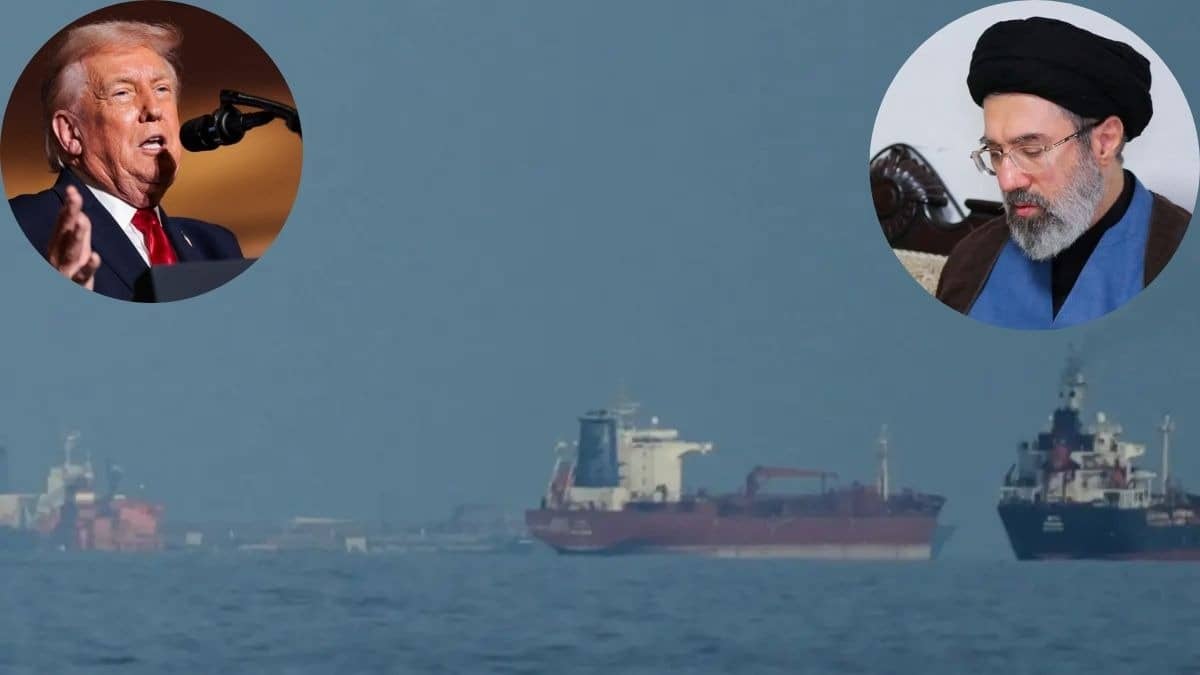
Vessel Struck in Hormuz as Houthis Tighten Red Sea Control
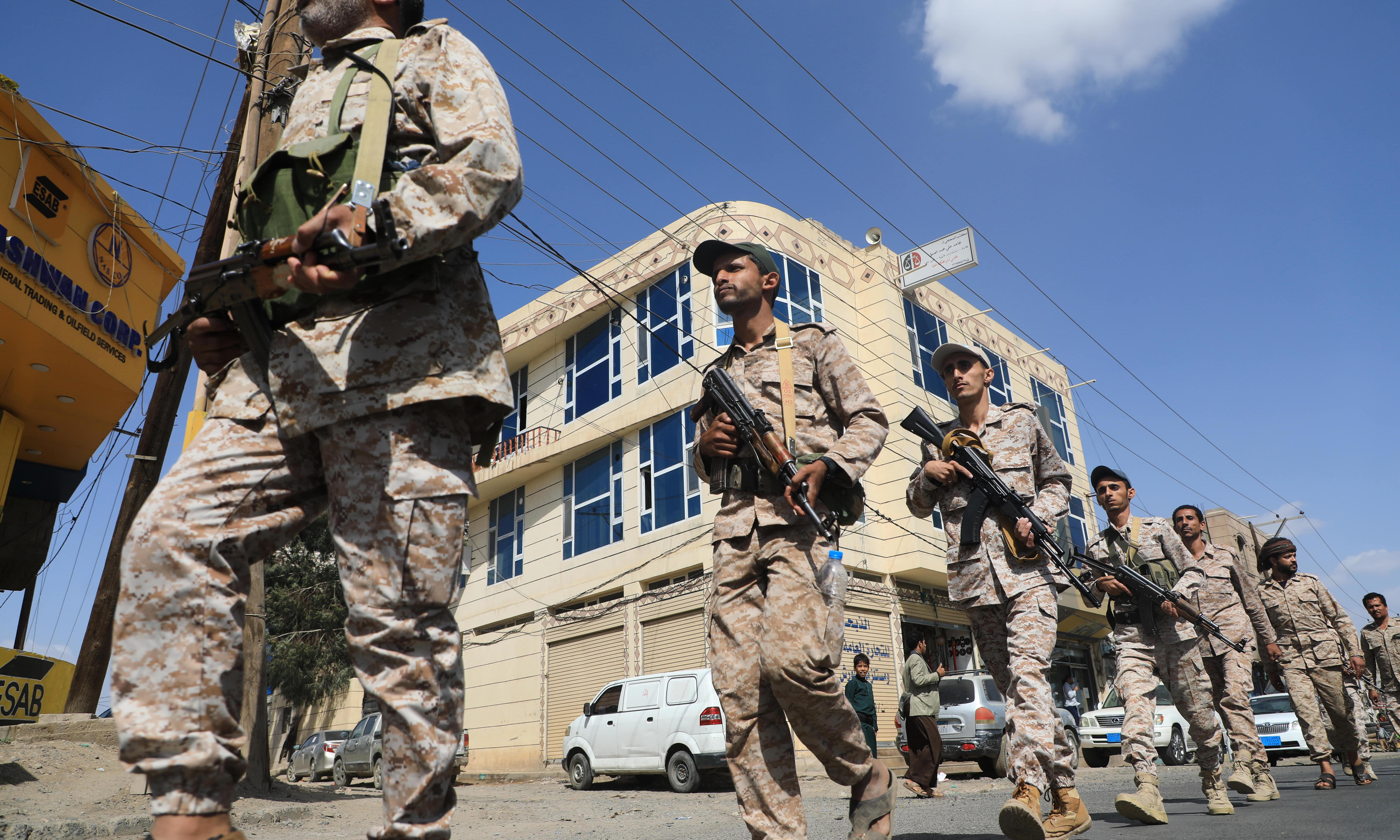
Houthis Seize Yemen’s Mocha, Raising Fresh Red Sea Shipping Risks

Houthi Advance Threatens Red Sea Shipping, Driving Saudi Oil Diversions

Houthis Seize Yemen Port, Raising Threat to Red Sea Shipping

Houthis Seize Mayun, Threatening Key Red Sea Shipping Route

India Hosts BRICS Summit as Iran War Tests Unity

US 10-Year Treasury Yield Hits Highest Level Since 2007

Asian Buyers Dump LNG as Conflict Disrupts Middle Eastern Supplies

India’s Crude Basket Nears $130, Reviving Fiscal and Inflation Worries

Qatar Warns Bab al-Mandab Closure Could Bring Catastrophe