4 hrs ago
U.S. Orbital Weapons Acknowledgment Called Landmark Deterrence Move

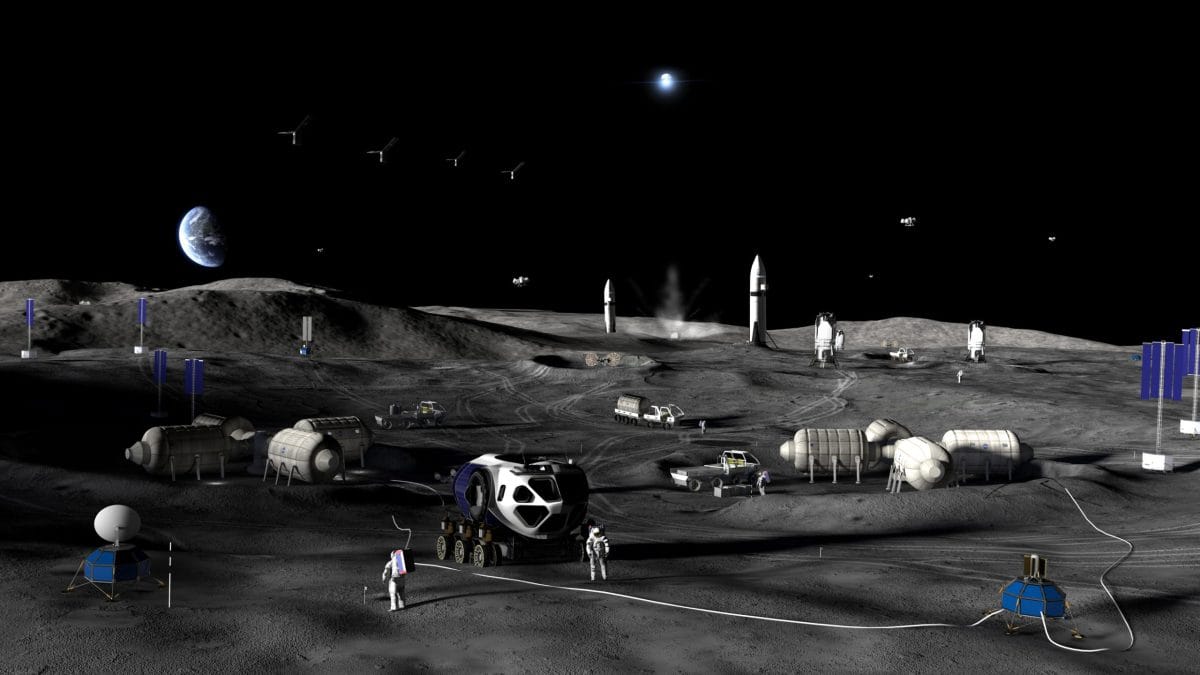
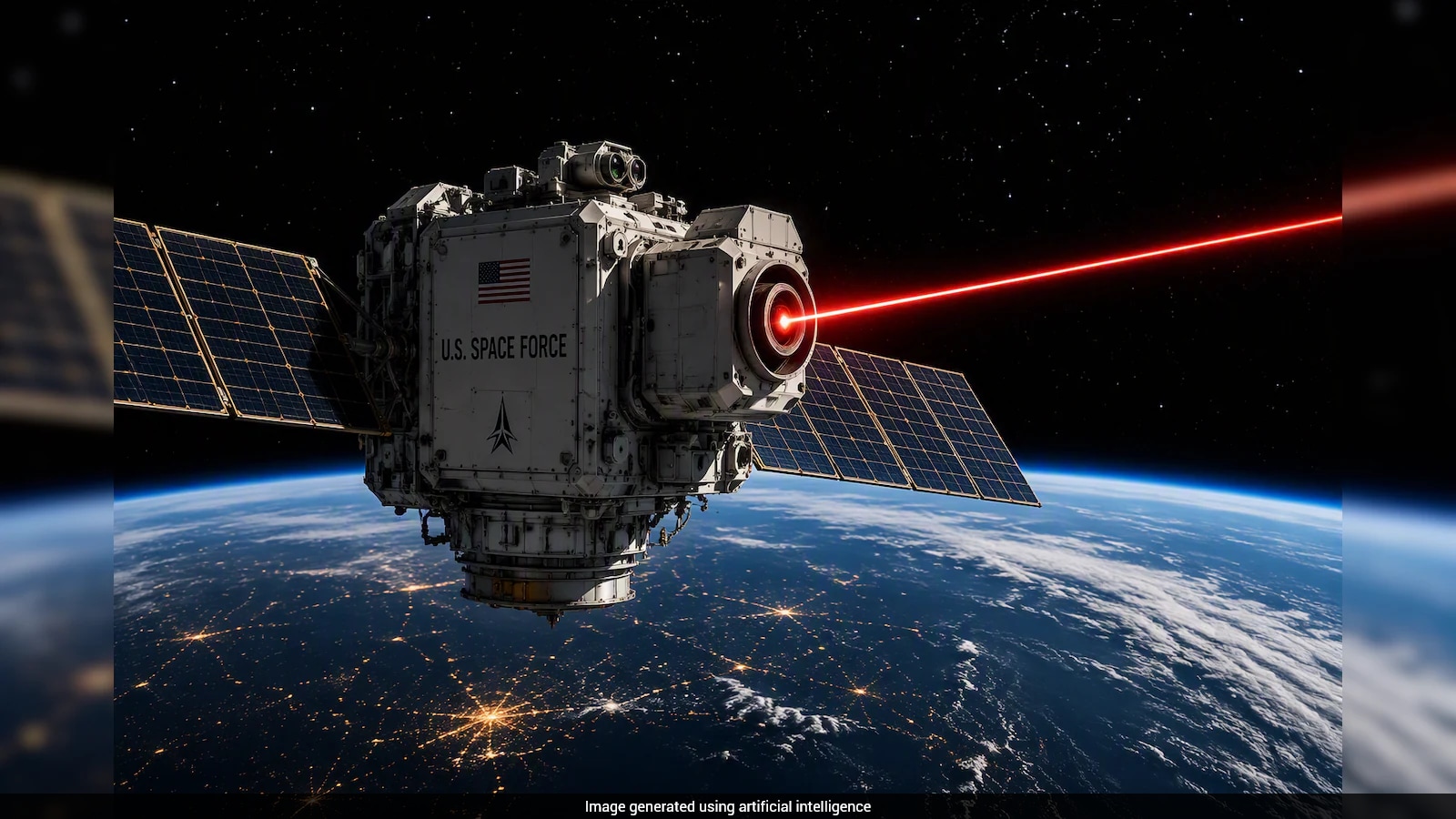
The United States has acknowledged that it keeps some weapons in orbit.
Officials say these weapons are meant to protect military forces and discourage enemies from attacking.
They did not explain exactly what the weapons can do.
Satellites help armies communicate, navigate, and collect information.
Some countries now worry that satellites could be disrupted or attacked during a war.
Germany is also spending heavily on space defense.
Germany says it will avoid destructive weapons in orbit that could create dangerous debris.
Instead, it may use jamming, lasers, or actions against ground control stations.
The announcement shows that countries are preparing more seriously for possible fighting in space.

Air Force Secretary Troy Meink said the United States has on-orbit space-control weapons capable of defending the Joint Force.
U.S. Space Command official Richard Palmer called the acknowledgment a landmark step intended to prevent deterrence from failing.
Palmer declined to describe the weapons, which could involve capabilities affecting satellites or spacecraft.
U.S. officials warn adversaries may target American space assets early in a conflict, threatening military effectiveness.
Germany plans to spend €35 billion on military space capabilities but says it will not deploy debris-generating weapons in orbit.
- Who
- U.S. Air Force Secretary Troy Meink, U.S. Space Command official Richard Palmer, and German Space Command head Major General Michael Traut.
- What
- The United States acknowledged that it has on-orbit space-control weapons capable of defending the Joint Force against hostile action.
- Where
- Meink spoke at a conference near Washington, D.C., while Palmer spoke at a Novaspace conference in Paris.
- When
- Meink made the statement on Monday, Palmer discussed it on Tuesday, and the Reuters report was dated September 15.
- Why
- U.S. officials said the capabilities are intended to deter aggression and protect military forces, allies, and economic interests that depend on space.
Active Space Deterrence
Non-Destructive Space Restraint
Role of orbital weapons
Active Space Deterrence
U.S. officials say acknowledging and maintaining space-control capabilities helps prevent deterrence from failing and prepares the United States and its allies to defend military and economic interests.
Non-Destructive Space Restraint
Germany says it will not deploy destructive weapons in orbit that could generate debris, while pursuing non-kinetic options such as jamming, lasers, and actions against ground control stations.
Approach to future conflict
Active Space Deterrence
U.S. Space Command leaders argue that adversaries are developing ways to deny U.S. access to key systems and that the United States needs a more active warfighting posture, including orbital interceptors and other weapons.
Non-Destructive Space Restraint
The report describes the broader militarization of space as a growing risk, with satellites increasingly viewed as platforms that can be disrupted, attacked, or captured.
Key facts
- U.S. acknowledgment
- Troy Meink said the United States has on-orbit space-control weapons.
- Palmer’s assessment
- Richard Palmer called the acknowledgment a landmark moment in the militarization of space.
- Weapons details
- Palmer declined to discuss the weapons’ nature or capabilities.
- Potential targets
- U.S. Space Command officials say adversaries could target U.S. space assets early in a conflict.
- Satellite functions
- Satellites provide communications, navigation, and intelligence services.
- Germany’s plan
- Germany has a €35 billion military space spending plan.
- German limitation
- Germany says it will not field destructive orbital weapons that could generate debris.
Quotes
Richard Palmer
Director of the Capability and Resource Integration Directorate at U.S. Space Command
“The acknowledgment of these space-control capabilities is fundamental to ensuring that we prevent deterrence from failing, and that we are postured and ready should deterrence fail to employ them effectively.”
 theprint.in
theprint.in
theprint.in
“The bottom line is that our joint force and our allied forces require space. Our economies require space. We are ready in the U.S. to preserve that.”
theprint.in
theprint.in
Sources
Related news
US Confirms First On-Orbit Weapons Amid China, Russia Threats

US Confirms Space-Based Weapons Amid Russia, China Threats

China, Russia Warn as US Confirms Weapons in Orbit
US Confirms Orbital Weapons, Raising Legal and Security Questions
China Urges US to Stop Preparing for Space War
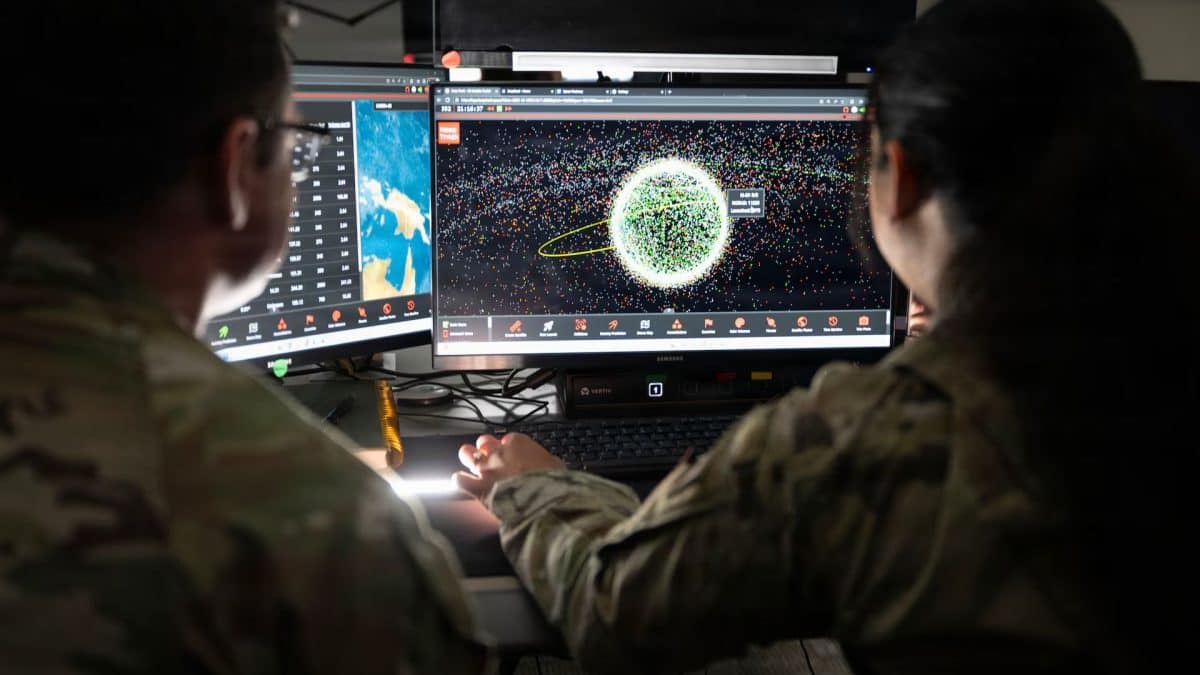
US and China Expand Military Space Capabilities as Tensions Rise

Scientists Suggest Venus May Have Destroyed Its Own Moon

Apollo: Britain’s Long-Running Magazine Covering Art and Collecting

Nvidia gives away free AI models to drive chip sales

Nvidia Partners With Wall Street Giants to Raise $500 Billion