5 hrs ago
China, Russia Warn as US Confirms Weapons in Orbit
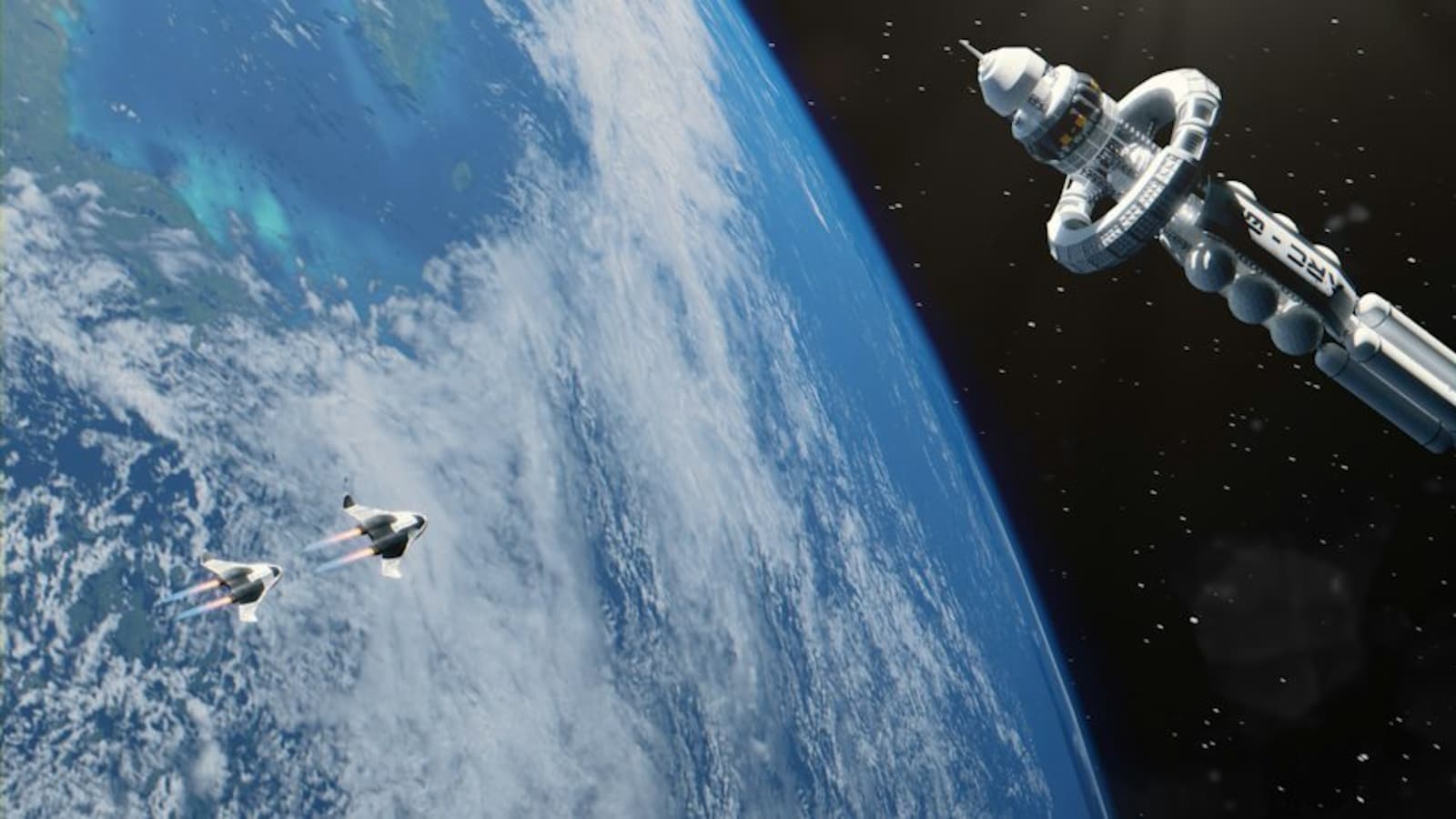
The United States said it has weapons in space that can affect other countries’ satellites.
It did not say how many weapons there are or exactly what types they are.
The US says these capabilities can defend its forces and respond to threats from China and Russia.
China warned that space should not become a battlefield.
Russia also said space should remain free of weapons.
Some space weapons might use missiles, lasers, cyberattacks, or signal jamming.
The 1967 Outer Space Treaty bans nuclear weapons and other weapons of mass destruction in orbit, but it does not ban every kind of space weapon.
Countries and experts are concerned that the announcement could increase military competition in space.

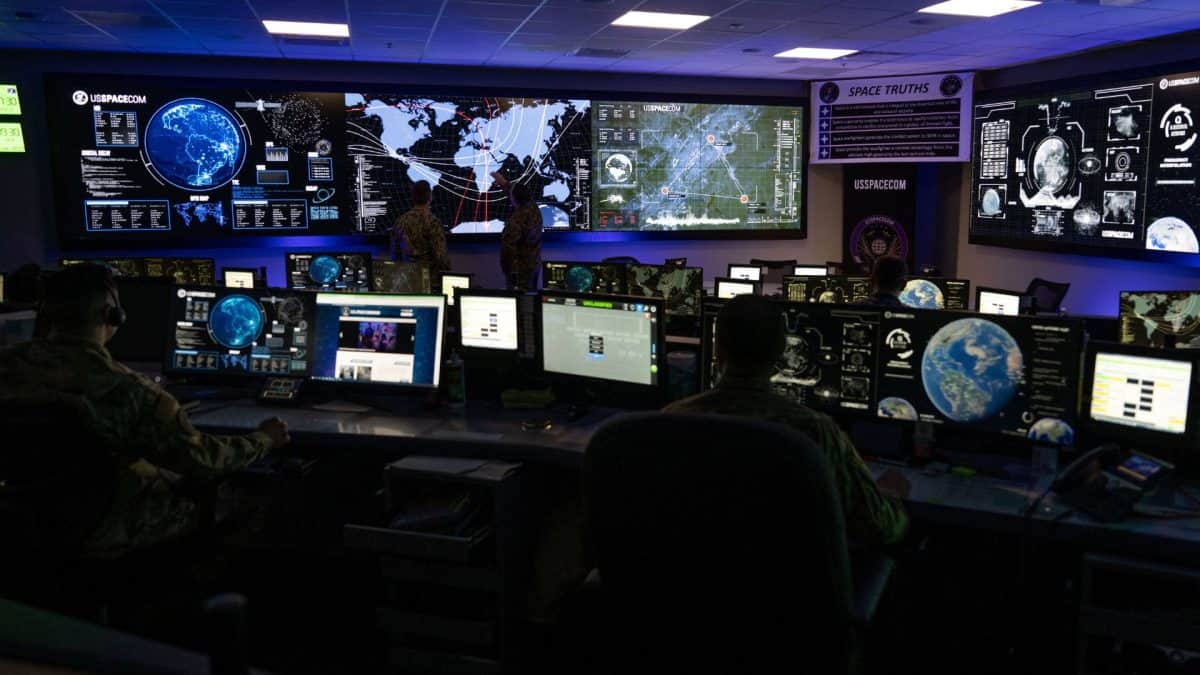
The United States confirmed that it has space-control weapons deployed in orbit.
China warned against turning outer space into a battlefield or starting an arms race there.
Russia called for space to remain free of weapons and urged complete demilitarization.
The US Space Force said its capabilities can use kinetic and non-kinetic methods against adversary space systems.
Experts warned that existing international law does not regulate many conventional space weapons.
- Who
- The United States, China, Russia, the US Space Force, and space-policy experts.
- What
- The US confirmed that it has on-orbit space-control weapons, prompting Chinese and Russian warnings against the weaponisation of space.
- Where
- In orbit around Earth and in the wider outer-space domain.
- When
- The warnings and US confirmation were reported on Tuesday; the US did not specify when the weapons were deployed.
- Why
- The United States says its capabilities protect against perceived threats from China and Russia, while China and Russia fear militarisation and an arms race in space.
Demilitarization advocates
US defense rationale
Weapons in orbit
Demilitarization advocates
China and Russia oppose the weaponisation and militarisation of outer space and call for it to remain free of weapons.
US defense rationale
The United States says its space-control weapons can defend its forces against hostile actions by adversaries.
Military competition
Demilitarization advocates
China and Russia warn that expanding space capabilities could turn space into a battlefield and fuel an arms race.
US defense rationale
The US Space Force says China and Russia are developing space and counterspace capabilities that threaten US interests.
International rules
Demilitarization advocates
Moscow and Beijing favor stronger restrictions on placing weapons in space.
US defense rationale
Western states, according to space-law expert Laetitia Cesari, are emphasizing responsible behavior rather than the same restrictive treaty approach.
Key facts
- US disclosure
- The US Space Force confirmed that the United States has on-orbit space-control weapons.
- Weapon details
- The US did not disclose the number or specific types of weapons deployed.
- Capabilities
- The systems can use kinetic and non-kinetic means to affect adversary space systems.
- China’s response
- China urged the United States to stop expanding military capabilities and preparing for war in outer space.
- Russia’s response
- Russia called for space to remain free of weapons and advocated complete demilitarization.
- Existing treaty
- The 1967 Outer Space Treaty bans nuclear weapons and other weapons of mass destruction in orbit, but not all conventional space weapons.
- Potential impact
- Analysts said the disclosure could intensify tensions and concerns about a space-weapons race.
Quotes
US Space Force spokesperson
Spokesperson for the United States Space Force
“We are counting on broad international consolidation to continue working toward the complete demilitarisation of space.”
 NDTV
NDTV
 livemint.com
“The US has on-orbit space control weapons capable of defending the Joint Force against hostile adversary action”
NDTV

Guo Jiakun
Chinese foreign ministry spokesman
“We urge the US side to stop expanding its military capabilities and preparing for war in outer space.”
NDTV
livemint.com
Sources

Related news
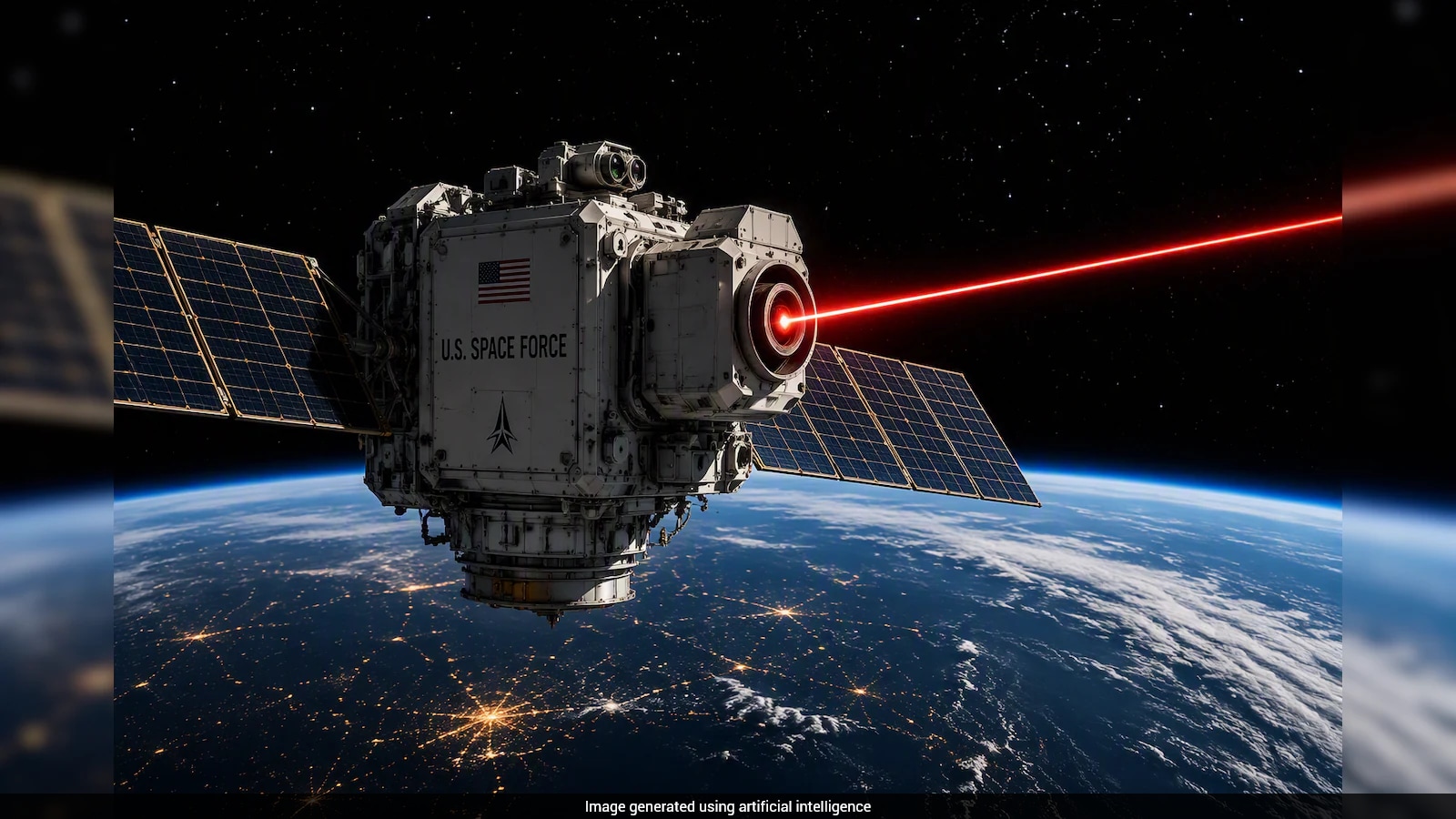
US Confirms First On-Orbit Weapons Amid China, Russia Threats
China Urges US to Stop Preparing for Space War
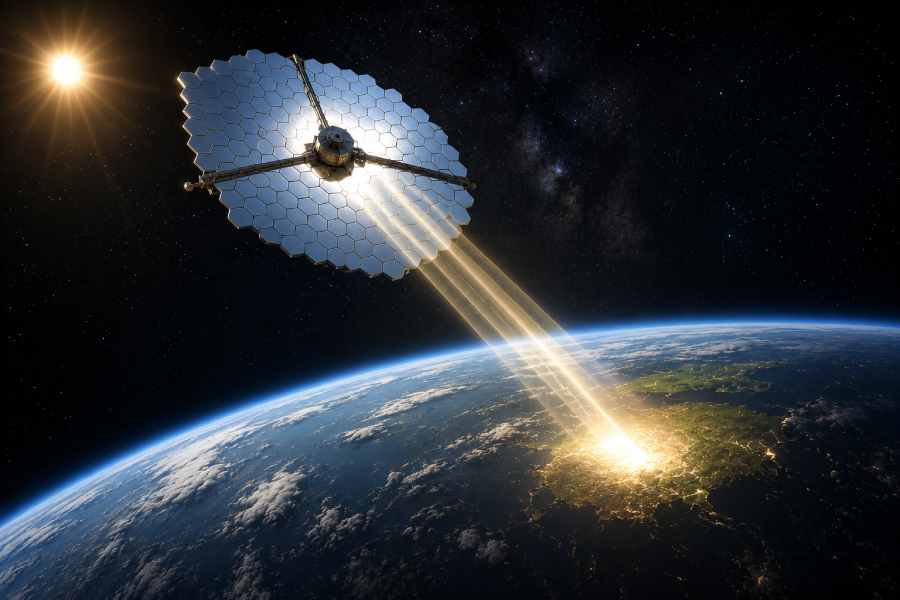
US Confirms Space-Based Weapons Amid Russia, China Threats
US Confirms Orbital Weapons, Raising Legal and Security Questions

U.S. Orbital Weapons Acknowledgment Called Landmark Deterrence Move

Russia Calls For Weapon-Free Space After U.S. Deployment

China and US Clash Over AI Risks, Control, and Security

China Joins Trump in Debate Over AI Development Pace
China Endorses Modi’s Message on India-China Strategic Autonomy