1 week ago
India Proposes Complete Carbosulfan Ban Over Health Risks
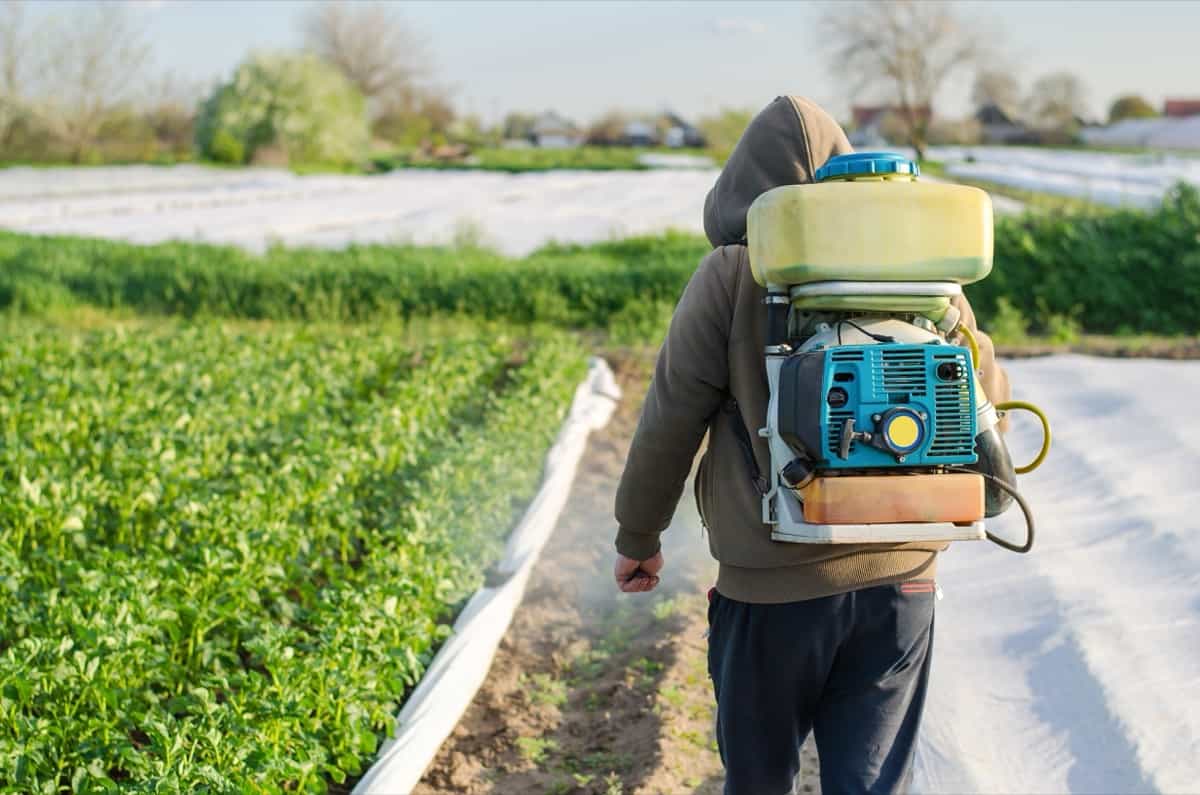
India’s government wants to stop the use of a pesticide called carbosulfan.
Experts say the chemical can change into another very poisonous substance called carbofuran.
They are concerned that it could harm people, animals, birds, pollinators and aquatic life.
The committee also said there is no specific antidote that reverses carbosulfan poisoning.
The proposed ban would cover making, importing, selling, transporting, distributing and using the pesticide.
It would affect crops such as rice, cotton, chilli, brinjal and cumin.
The government has not made the ban final because people can send comments for 30 days.
Agrochemical companies disagree and say farmers use carbosulfan to control many pests at relatively low cost.

The Agriculture Ministry has proposed a complete ban on carbosulfan in India through a draft gazette notification.
The proposal would prohibit its import, manufacture, sale, transport, distribution and use, and recall existing registration certificates.
An expert committee and the Registration Committee cited carbosulfan’s conversion into toxic carbofuran and risks to people, animals and the environment.
The ban would affect use on rice, cotton, chilli, brinjal and cumin, with the draft open for public comments for 30 days.
Agrochemical industry representatives oppose an outright ban, citing pest-control needs, relatively low costs and possible higher farm expenses.
- Who
- India’s Ministry of Agriculture and Farmers Welfare, its expert committee and Registration Committee proposed the action; the Agro Chem Federation of India represents industry opposition.
- What
- The Centre proposed a complete ban on carbosulfan, including recalling its registration certificates and prohibiting its manufacture, import, sale, transport, distribution and use.
- Where
- The proposal applies across India and covers carbosulfan use on several agricultural crops.
- When
- The expert committee was formed on January 14, 2026, submitted its report on June 12, 2026, and the draft will accept public comments for 30 days.
- Why
- The committees cited toxicity to humans, animals and the environment, including carbosulfan’s conversion into toxic carbofuran and risks to non-target species; industry representatives cited pest management and cost concerns.
Ban proponents
Industry opponents
Health and environmental safety
Ban proponents
The expert and Registration Committees say carbosulfan poses significant risks to public health and the environment because of its toxicity and effects on non-target species.
Industry opponents
The industry has asked for a science-based review focused on regulated and responsible use instead of an outright prohibition.
Pest control
Ban proponents
The proposed ban would remove a pesticide that the committees consider highly hazardous to humans, animals and ecological organisms.
Industry opponents
Industry representatives say carbosulfan controls stem borers, sucking pests, leaf feeders and soil pests across nearly 32 lakh acres.
Costs and alternatives
Ban proponents
The government’s proposal prioritises addressing the reported health and environmental risks; the articles do not identify replacement products.
Industry opponents
The industry says carbosulfan’s relatively low cost and role in resistance-management programmes mean an outright ban could increase farm costs and reduce pest-management options.
Key facts
- Chemical
- Carbosulfan, described in the notification as an intrinsically highly hazardous carbamate insecticide.
- Proposed action
- A complete prohibition on manufacture, import, transport, distribution, sale and use under the Insecticides Act, 1968.
- Toxic metabolite
- Carbosulfan rapidly metabolises into carbofuran, which is associated with severe cholinesterase inhibition and acute systemic toxicity.
- Environmental risks
- The committees cited toxicity risks to birds, pollinators, aquatic organisms and other non-target species.
- Affected crops
- Rice, cotton, chilli, brinjal and cumin.
- Market estimate
- The domestic market was estimated at approximately Rs 250-400 crore annually; industry representatives cited about Rs 400 crore.
- Consultation period
- The draft order will remain open for public comments for 30 days before a final decision.
Quotes

Ministry of Agriculture and Farmers Welfare
The central government ministry that issued the draft notification
“If any person who holds the certificate of registration fails to return the certificate to the Registration Committee, referred to in clause (2), within a period of three months, action shall be taken under the provisions contained in the said Act.”
 deccanchronicle.com
Registration Committee
The statutory committee that reviewed the insecticide and recommended its ban
“Carbosulfan is an intrinsically highly hazardous carbamate insecticide which is rapidly metabolised to carbofuran, a highly toxic metabolite responsible for severe cholinesterase inhibition and acute systemic toxicity”
deccanchronicle.com
Sources

Related news

India weighs restricting Carbosulfan insecticide after Paraquat ban proposal
Tea Growers Seek Complete Ban on Monocrotophos Pesticide in Jalpaiguri

Parliament Panel To Examine Fertiliser, Wood Panels And Medicines

Sugar industry seeks full exemption from mandatory jute packaging
Parliamentary panel urges strategic fertiliser reserves against supply shocks
Courts Halt Society Results, Uphold Insecticide Detention in Telangana

India, Pakistan Meet in High-Stakes World Cup Hockey Showdown

India's Hockey World Cup loss to England exposes defensive woes

India lose 2-4 to England in Hockey World Cup

Pakistan Hockey Team World Cup Blunder: Protective Gear Left Behind