3 weeks ago
Sugar industry seeks full exemption from mandatory jute packaging

In India, there is a rule that some products, like sugar, must be packed in bags made from jute, a plant material, to help jute farmers and workers.
Sugar companies say this rule is no longer a good idea.
The oil used to treat jute bags may contain chemicals that can cause cancer, and these chemicals might get into the sugar people eat.
Sugar also gets lumpy and spoiled more easily when stored in jute bags because jute holds moisture.
Jute bags also cost much more than other kinds of bags, adding about ₹800 crore in extra costs every year.
So sugar companies are asking the government to let them use other bags instead.
The government wants to study the problem carefully before making a final decision.
Until that study is finished, only 15 out of every 100 sugar bags have to be made of jute, instead of 20.

ISMA and NFCSF jointly urged the government to grant sugar a 100% exemption from compulsory jute packaging for Jute Year 2026-27.
The industry bodies cite health risks from jute batching oil (JBO), whose PAH content they say is carcinogenic and can migrate into sugar.
In October 2025, the Standing Advisory Committee ordered an independent expert study and reduced mandatory jute packaging for sugar from 20% to 15% pending its outcome.
Millers say jute bags cost 2.5-3 times more than alternatives, adding an estimated ₹800 crore a year in costs.
The CACP has reportedly flagged the compulsory reservation system for leaving insufficient raw jute for higher-value products such as shopping bags and home décor.
- Who
- The Indian Sugar & Bio-Energy Manufacturers Association (ISMA) and the National Federation of Cooperative Sugar Factories (NFCSF), with statements from ISMA Director General Deepak Ballani and NFCSF Managing Director Prakash Naiknavare.
- What
- The sugar industry is seeking a complete exemption from mandatory jute packaging for sugar, citing health, quality, and economic concerns.
- Where
- India
- When
- The demand is for Jute Year 2026-27; the Standing Advisory Committee reduced the jute quota from 20% to 15% and ordered an independent expert study in October 2025.
- Why
- Because jute batching oil's PAH content is said to be carcinogenic and could migrate into sugar, jute harms sugar quality, and jute bags add roughly ₹800 crore in annual costs.
Sugar industry seeking exemption
Regulators maintaining jute requirement
Level of mandatory jute packaging
Sugar industry seeking exemption
Sugar should receive a 100% exemption from jute packaging immediately, since JBO's carcinogenic content is scientifically and judicially established and an independent study is still pending.
Regulators maintaining jute requirement
The Standing Advisory Committee chose only an interim reduction from 20% to 15% and kept a mandatory jute packaging requirement in place until an independent expert study is completed.
Urgency of health action
Sugar industry seeking exemption
The scientific and judicial evidence on JBO's carcinogenic content is 'overwhelming,' so sugar cannot keep being packed in jute bags while a study remains pending.
Regulators maintaining jute requirement
Regulators ordered an independent expert study with AIIMS, FSSAI, BIS, and the Jute Commissioner's office before changing the policy further, implying the evidence needs verification.
Key facts
- Demand
- 100% exemption from mandatory jute packaging
- Industry bodies
- ISMA and NFCSF
- Current requirement
- 15% mandatory jute packaging (reduced from 20% by SAC)
- Health concern
- Jute batching oil (JBO) contains PAH content deemed carcinogenic
- Extra annual cost
- Approximately ₹800 crore
- Cost comparison
- Jute bags cost 2.5-3 times more than alternatives
- Farmers affected
- Over 50 million sugarcane farmers
- Legal provision
- Section 4, Jute Packaging Materials (Compulsory Use in Packing Commodities) Act, 1987
Quotes
Prakash Naiknavare, Managing Director of NFCSF
Head of the National Federation of Cooperative Sugar Factories
“The scientific and judicial evidence on JBO’s carcinogenic content is now overwhelming. Sugar reaches every household, including children, and it cannot continue to be packed in bags treated with a petroleum‑based carcinogen while an SAC‑directed independent study remains pending.”
 thehindubusinessline.com
“Exempting sugar from mandatory jute packaging will protect product quality and consumer health, while freeing up raw jute for the diversified, value‑added products that can truly secure the jute sector’s long‑term growth.”
thehindubusinessline.com
Sources
Related news
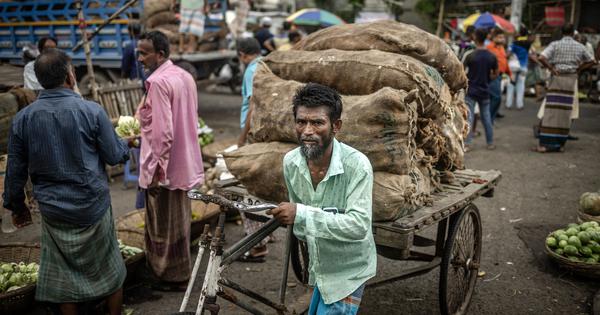
Bangladesh jute mandate fails to stop plastic sack switch
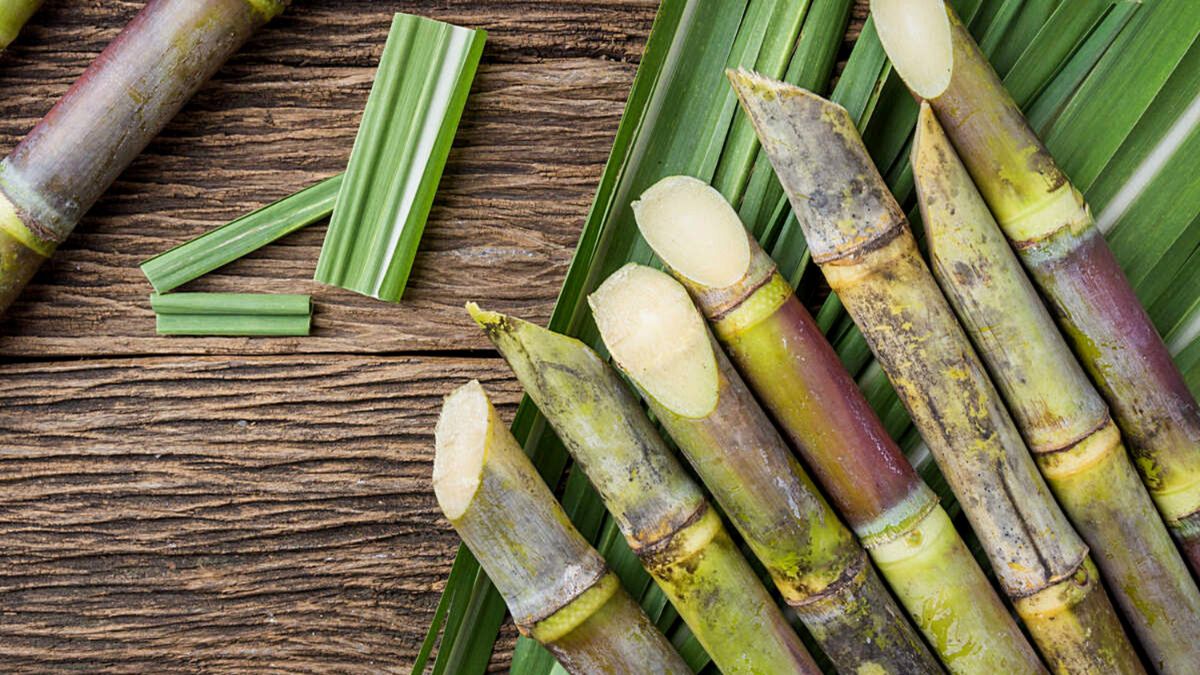
Sugar industry proposes early cane crushing to boost festive supplies
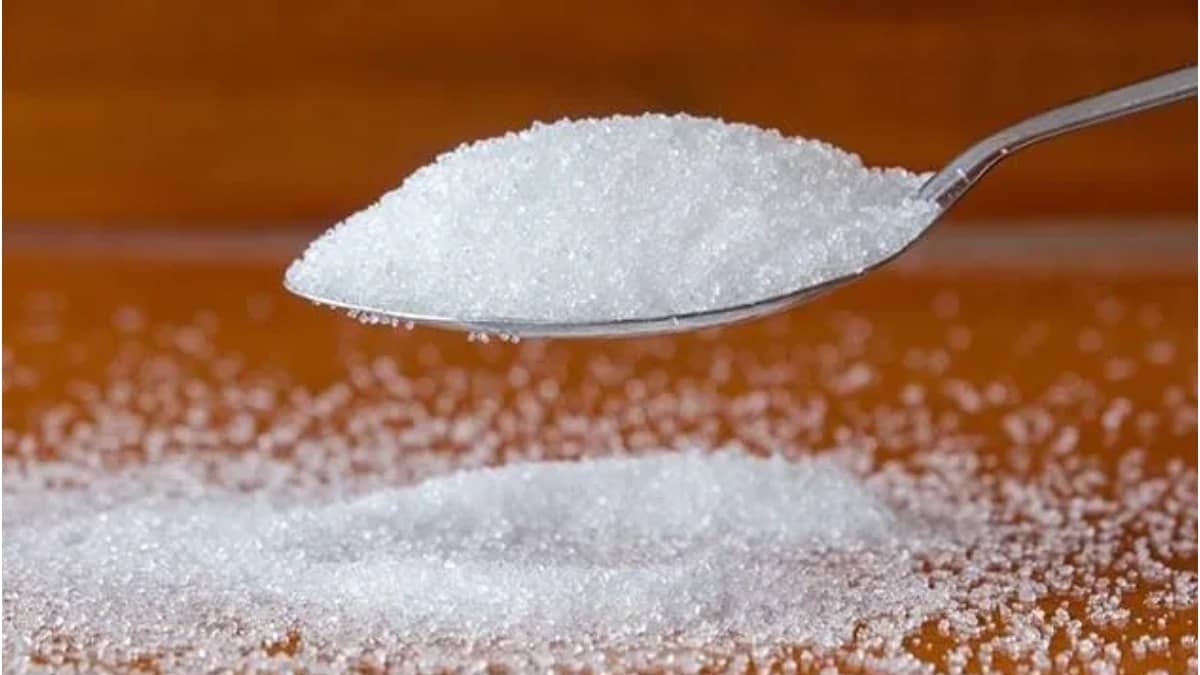
India Approves Duty-Free Raw Sugar Imports as Prices Surge
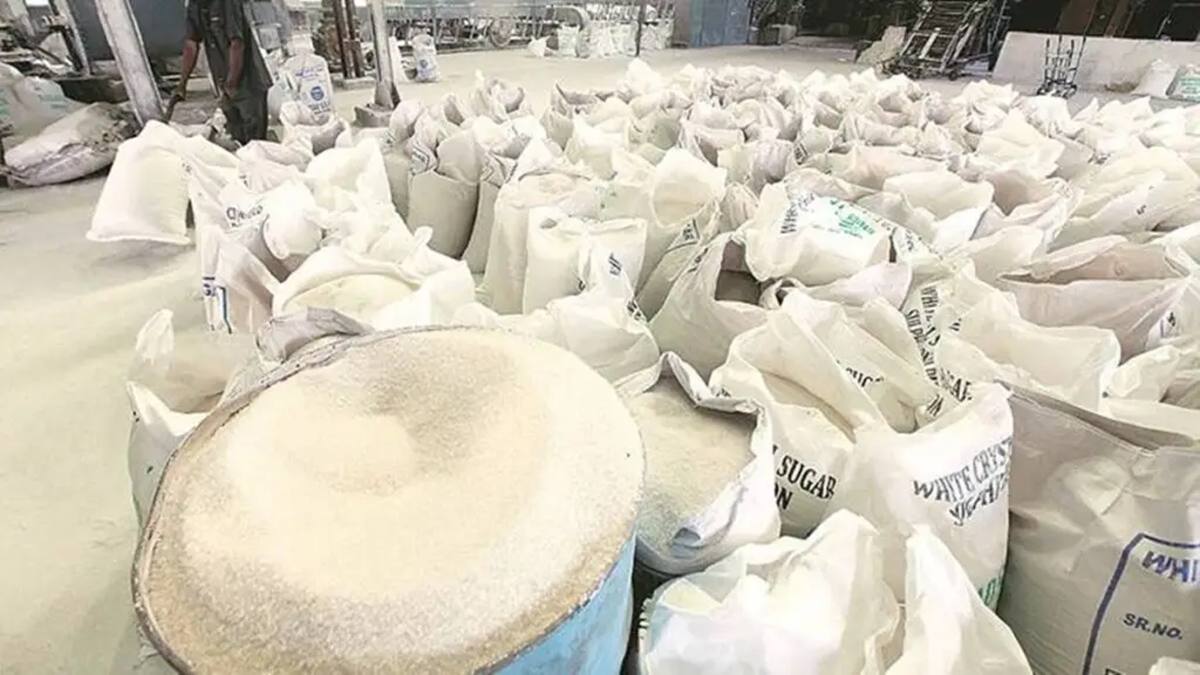
India weighs sugar duty cuts as festive prices rise
Bengal sweet trade faces sugar shock before festive season
India Allows Duty-Free Sugar Imports as Prices Surge

India’s Proposed Food Warning Labels Face Health, Industry Backlash

FSSAI Chief Backs Mundhe’s Maharashtra Food Safety Drive

Egg prices surge 10-50% in six months, consumers concerned about adulteration

Cockroach Allegedly Spotted On Dessert Plate At Virar Restaurant

India Proposes Red Warning Labels for Unhealthy Packaged Foods