3 weeks ago
Tea Growers Seek Complete Ban on Monocrotophos Pesticide in Jalpaiguri
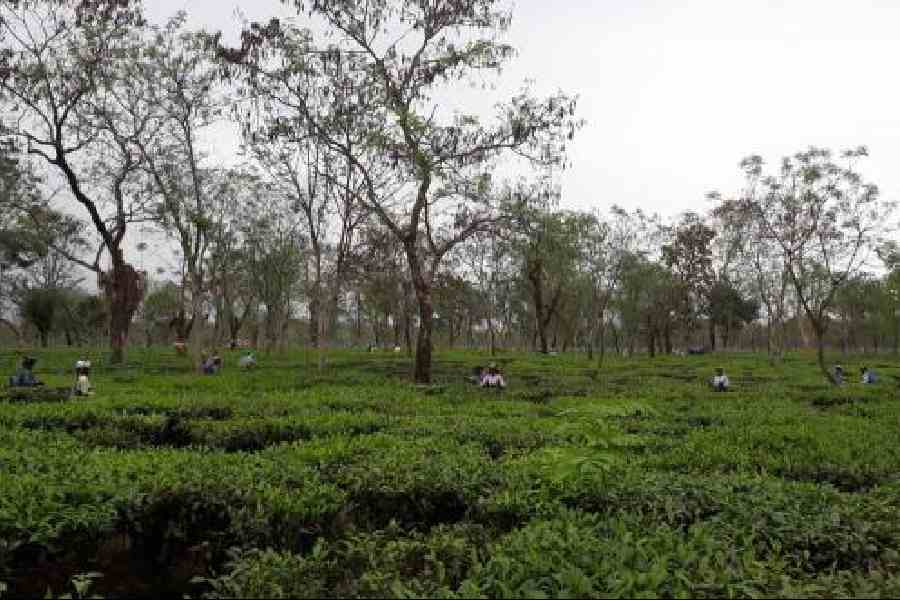
Tea is a popular drink made from the leaves of tea plants that farmers grow in big fields.
In a place called Jalpaiguri, the people who grow tea asked the government to ban a poison called Monocrotophos.
This chemical is an insecticide, which means it is used to kill bugs that can hurt tea plants.
Monocrotophos is so dangerous that it is already banned, because it can hurt people, birds and helpful insects.
Even though it is banned, some people were still selling and using it on tea farms.
Tests found tiny bits of the poison in tea leaves, which worried the growers.
Tea with this poison in it could be unsafe to drink and harder to sell in other countries.
The growers asked the government to create a special team to stop anyone from selling or using the chemical.
They also want classes and posters to teach farmers not to use the poison.
The government said it is taking steps to stop the chemical from being sold and used.

The Jalpaiguri District Small Tea Growers' Association submitted a memorandum to the state agriculture department demanding a complete stop to the sale and use of Monocrotophos ('Monosil') in tea cultivation.
Monocrotophos is a banned organophosphate insecticide classified as highly hazardous due to its acute toxicity to humans, birds and beneficial insects.
Despite the ban, the chemical is still being sold and used in tea-growing areas of Jalpaiguri and other parts of north Bengal, with residues detected in tea samples from the region.
The association demanded a district-level 'No Monosil, No Monocrotophos Task Force', along with regular surveillance, awareness programmes and training sessions for growers.
Bought-leaf factories had stopped buying tea from growers last month citing chemical use, resuming only after interventions; north Bengal has about 50,000 small tea growers producing over half the region's tea.
- Who
- The Jalpaiguri District Small Tea Growers' Association, led by general secretary Bijoygopal Chakraborty, petitioning the state agriculture department.
- What
- A demand for a complete ban on the sale and use of the banned pesticide Monocrotophos ('Monosil') in tea cultivation, including a district-level task force, surveillance, and awareness campaigns.
- Where
- Jalpaiguri district and other tea-growing areas of north Bengal.
- When
- On Monday (exact date not stated in the article), after bought-leaf factories stopped purchasing tea leaves from growers the previous month.
- Why
- Because despite the ban, the highly hazardous chemical is still being sold and used, and its residues detected in tea samples threaten the safety, quality and export prospects of the region's tea.
Key facts
- Petitioner
- Jalpaiguri District Small Tea Growers' Association
- Chemical in question
- Monocrotophos ('Monosil'), an organophosphate insecticide
- Status
- Banned; classified as highly hazardous
- Action taken
- Memorandum submitted to the deputy director of agriculture
- Demand
- District-level 'No Monosil, No Monocrotophos Task Force' and complete ban on sale and use
- Concern
- Residues detected in tea samples; risk to safety, quality and export prospects
- Small tea growers in north Bengal
- About 50,000, producing over half the region's tea
- BLF response
- Bought-leaf factories stopped purchases last month; resumed after interventions
Quotes
Bijoygopal Chakraborty
General secretary of the Jalpaiguri District Small Tea Growers’ Association
“We have demanded that the agriculture department, along with the administration, law enforcement agencies, and representatives of small tea growers, form a special ‘No Monosil, No Monocrotophos Task Force’ at the district level to stop the sale of this chemical completely,”
 telegraphindia.com
“Despite the ban, Monocrotophos was still being sold and used in many tea‑growing areas of Jalpaiguri and other parts of north Bengal. The residues of the chemical were being detected in tea samples from this region during various tests, and it is affecting our sector,”
telegraphindia.com
State agriculture department official
Official of the state agriculture department
“Necessary steps are being taken to prevent the sale and use of this chemical in the tea sector,”
telegraphindia.com
Sources
Related news
Bengal Government to Meet Small Growers Over Fertiliser Limits
Growers seek Shah's intervention for Jalpaiguri grower held in Bangladesh
Jalpaiguri Handmade Tea Wins Premium Prices, Foreign Interest
India Proposes Complete Carbosulfan Ban Over Health Risks

India weighs restricting Carbosulfan insecticide after Paraquat ban proposal

Karnataka Arecanut Growers Seek Protection Amid Gutkha Ban

West Bengal tea farmer abducted from plantation, taken into Bangladesh