5 days ago
Courts Halt Society Results, Uphold Insecticide Detention in Telangana
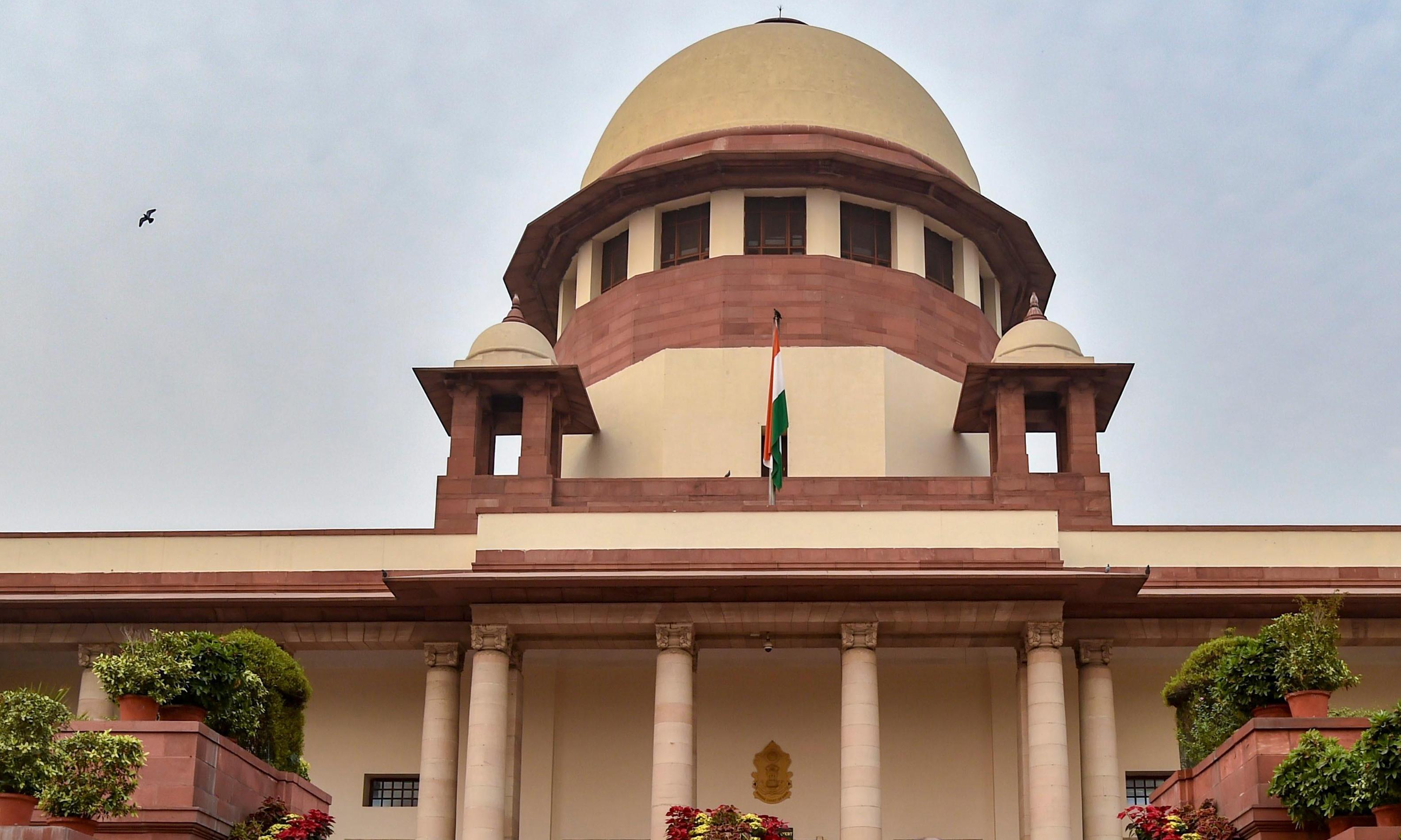
Two separate court cases were heard in Telangana.
In one case, the Supreme Court of India allowed an election at a housing society to continue.
However, it said the election results must not be announced yet.
In the other case, the Telangana High Court supported the detention of a man accused of selling fake or mislabeled pesticides.
The court said these products might not protect farmers’ crops.
This could lead to crop losses and money problems for farmers.
The court also said selling such products repeatedly could disturb public order.
The detention order was therefore allowed to remain in place.

The Supreme Court of India allowed Jubilee Hills society elections to continue but barred declaration of results until further orders.
The election dispute arose from a challenge to an August 18 Telangana High Court direction to resume polling from the point where it stopped.
The Telangana High Court upheld preventive detention of Muddangula Aditya over alleged sales of misbranded insecticides.
The court said ineffective pesticides could cause crop failures, financial losses and loan-repayment difficulties for farmers.
The High Court held that repeated distribution of misbranded insecticides could threaten public order and justify detention under the 1986 Act.
- Who
- The Supreme Court of India, the Telangana High Court, Jubilee Hills Cooperative House Building Society Ltd, M.N. Sastry and other election litigants, and Muddangula Aditya were involved in the two cases.
- What
- The Supreme Court allowed a cooperative society election to proceed while blocking publication of its results; the Telangana High Court upheld preventive detention in a misbranded-insecticide case.
- Where
- The cases concerned Hyderabad, Telangana, including the Jubilee Hills society and alleged insecticide distribution in the Warangal police commissionerate area.
- When
- The election challenge concerned an August 18 Telangana High Court judgment; Aditya’s detention order was dated September 8, 2025. The Supreme Court’s further-orders period was not specified.
- Why
- The election process was challenged before the Supreme Court, while detention was defended as necessary to prevent alleged repeated sales of ineffective, misbranded insecticides and possible disruption of public order.
Challengers and Detainee’s Side
Authorities and Courts’ Position
Jubilee Hills election
Challengers and Detainee’s Side
M.N. Sastry and another challenged the Telangana High Court’s direction to resume the society election process.
Authorities and Courts’ Position
The Supreme Court allowed the election to proceed but temporarily restrained declaration of the results while it considers the challenge.
Preventive detention
Challengers and Detainee’s Side
Anuradha challenged the detention order issued against her husband, Muddangula Aditya, through a writ petition.
Authorities and Courts’ Position
The Telangana High Court held that detention was lawful because alleged repeated sales of misbranded insecticides could prejudice public order and harm farmers.
Public-order risk
Challengers and Detainee’s Side
The detainee’s challenge opposed applying preventive detention in the case.
Authorities and Courts’ Position
The High Court said ineffective pesticides could cause crop losses, financial hardship and insecurity among farmers, extending the consequences beyond individual transactions.
Key facts
- Election case
- The Supreme Court allowed the Jubilee Hills Cooperative House Building Society Ltd election process to continue.
- Restriction
- Authorities were restrained from declaring the election results until further orders.
- Earlier High Court direction
- The Telangana High Court had directed the state cooperative election authority to resume the process from the stage where it was halted.
- Detention case
- The Telangana High Court upheld a preventive-detention order against Muddangula Aditya.
- Detention law
- The case involved the Telangana Prevention of Dangerous Activities Act, 1986.
- Alleged conduct
- Aditya was accused of procuring fake pesticides, duplicating reputed brands and supplying them through agents.
- Potential harm
- The court said misbranded products could cause crop failure, financial losses and difficulty repaying agricultural loans.
Sources
Related news

Telangana High Court Clears Way For Jubilee Hills Society Polls

Telangana HC Orders Fisheries Elections, Overturns Rythu Bandhu Payout Order

Telangana High Court Advances Welfare Appeal, Delays Other Cases
Allahabad High Court Grants Relief to 49 NEET Protesters

Supreme Court Initiates Contempt Proceedings Against MP Government Over Sealing

Supreme Court Dismisses Plea Against HC Order Quashing Naidu Case

Two Years After RG Kar Doctor's Rape-Murder, Case Remains Unresolved

ED widens Chhattisgarh probes with two arrests and searches

Delhi High Court Orders Madhya Pradesh to Pay Advocate Dues
Haryana sanitation workers’ strike puts BJP government under pressure

Orissa High Court Says Brothel Customers Cannot Face Trafficking Charges