15 hrs ago
Biography Reassesses Eric Hobsbawm’s Marxist Legacy and Blind Spots
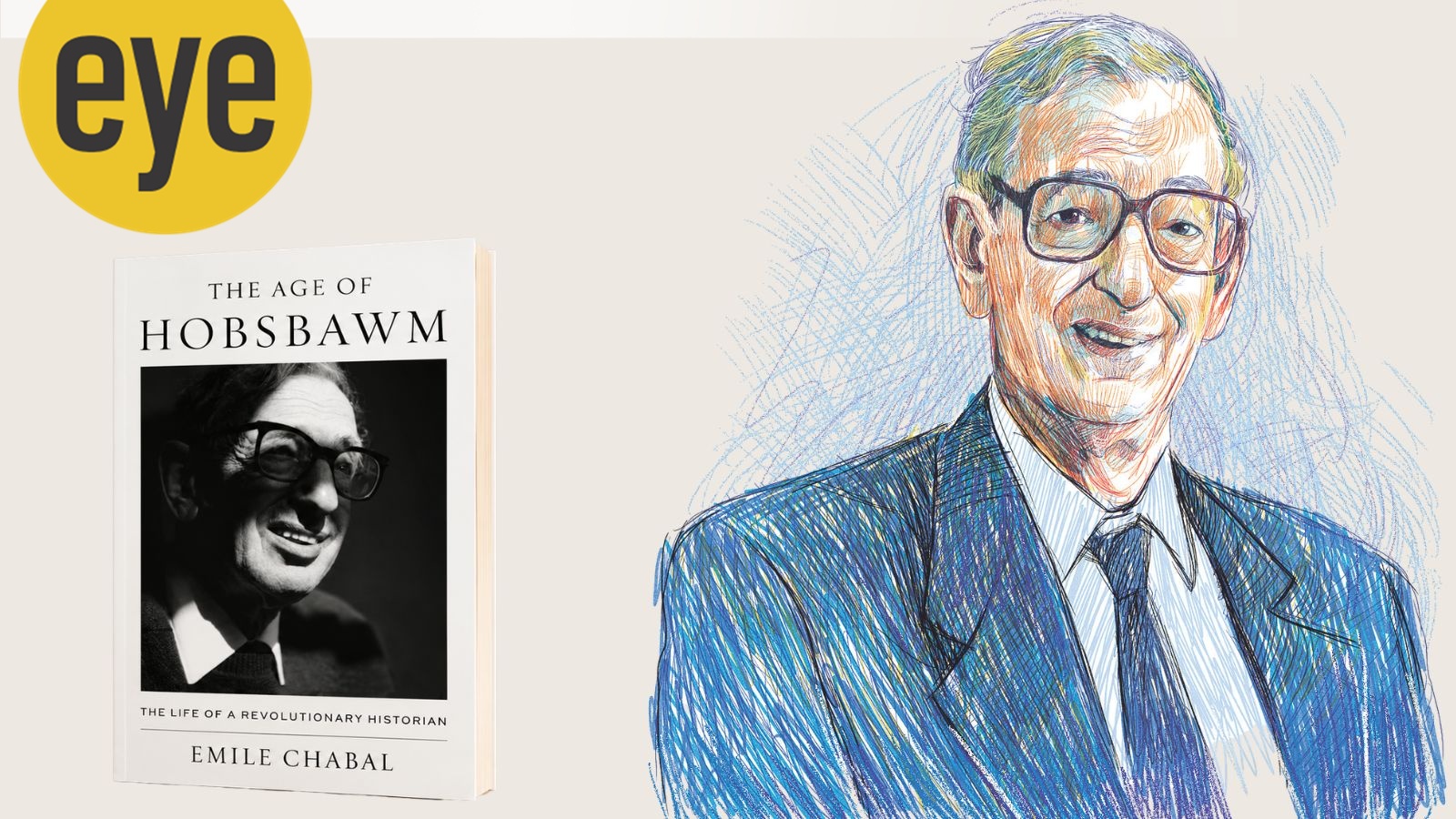
Eric Hobsbawm was a famous historian who wrote about capitalism, workers, and modern history.
He openly said that his political beliefs shaped his writing.
He remained a communist even after the Soviet Union used force against Hungary in 1956.
Critics say he sometimes preferred political theories to what was happening on the ground.
His ideas about Latin America and India were challenged by local scholars.
Even so, his books became very influential, especially in Indian universities.
He also warned that nationalism could be dangerous.
A new biography argues that he avoided studying the Holocaust because it was too painful for him personally.
The biography presents him as both a brilliant historian and a deeply conflicted person.

Emile Chabal’s biography argues that Eric Hobsbawm’s memoir concealed difficult truths about his adult life.
Hobsbawm defended the Soviet invasion of Hungary in 1956 as a “tragic necessity” and remained a loyal communist.
The article criticizes his Latin American research, including support for a Peruvian military dictatorship and brief field visits.
Indian scholars such as Ranajit Guha challenged Hobsbawm’s Eurocentric view of peasants as “pre-political,” although his work remained influential in Indian universities.
Chabal says Hobsbawm avoided researching the Holocaust because of its personal emotional burden and treated some later historical works as forms of therapy.
- Who
- Historian Eric Hobsbawm and biographer Emile Chabal are central to the account; Indian scholars and other critics also feature prominently.
- What
- Chabal’s biography reassesses Hobsbawm’s Marxist scholarship, political loyalties, interpretations of India and Latin America, and avoidance of the Holocaust.
- Where
- The discussion spans Britain, India, Berlin, and Latin America, including Peru and Colombia.
- When
- The account discusses events from the 1930s through Hobsbawm’s death-era legacy, including 1956, 1978, 1991, 2002, and 2004.
- Why
- Chabal argues that Hobsbawm’s memoir did not fully confront the political and personal contradictions of his life.
Chabal’s Critical Assessment
Hobsbawm’s Scholarly Importance
Political loyalty
Chabal’s Critical Assessment
Critics argue that Hobsbawm’s defense of the 1956 Soviet invasion showed that communist loyalty could override moral judgment.
Hobsbawm’s Scholarly Importance
Hobsbawm’s continued commitment reflected the political convictions he openly placed at the center of his historical writing.
Understanding marginalized people
Chabal’s Critical Assessment
The article argues that his theories often treated non-European peasants as insufficiently political and failed to anticipate developments in Latin America and India.
Hobsbawm’s Scholarly Importance
His “history from below” approach and use of Marxist analysis made the experiences of workers and marginalized groups central to popular historical writing.
Personal trauma and historical interpretation
Chabal’s Critical Assessment
Chabal contends that Hobsbawm’s failure to confront the Holocaust and the Soviet collapse limited the completeness of his historical work.
Hobsbawm’s Scholarly Importance
The article also presents his later books as influential works shaped by personal experience, rather than dismissing his contribution to history altogether.
Key facts
- Biographer
- Emile Chabal, author of The Age of Hobsbawm
- Memoir
- Hobsbawm published Interesting Times in 2002
- Hungary, 1956
- Hobsbawm defended the Soviet military invasion as a “tragic necessity”
- India
- Ranajit Guha and the Subaltern Studies school challenged his Eurocentric model of the peasant
- Latin America
- Hobsbawm undertook three-week research excursions in Peru and Colombia, according to the article
- Soviet Union
- Its collapse in 1991 deeply affected Hobsbawm, who responded with whataboutism, according to Chabal
- Holocaust
- Chabal says Hobsbawm avoided researching it because it was emotionally too difficult to face
- Indian recognition
- Hobsbawm received a hero’s welcome and had breakfast with Prime Minister Manmohan Singh in 2004
Quotes

Eric Hobsbawm
British Marxist historian and lifelong communist
“prehistoric survivors… like the lung-fish.”
 indianexpress.com
Sources
Related news
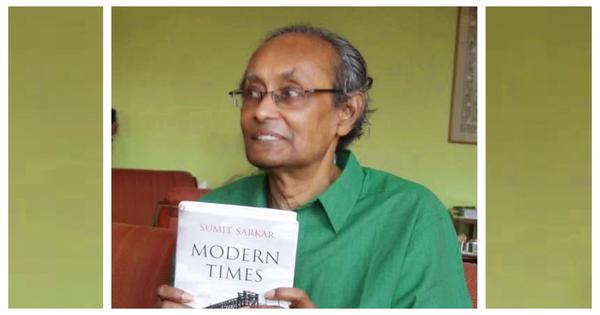
Sumit Sarkar’s History Challenged Dogma and Defended Pluralism
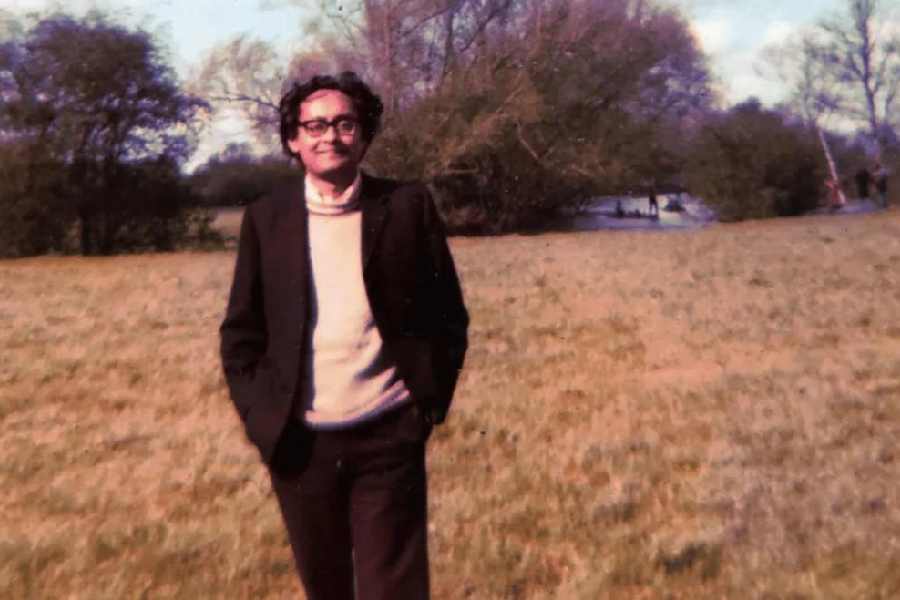
Sumit Sarkar: A Historian Who Questioned History Through Humanity
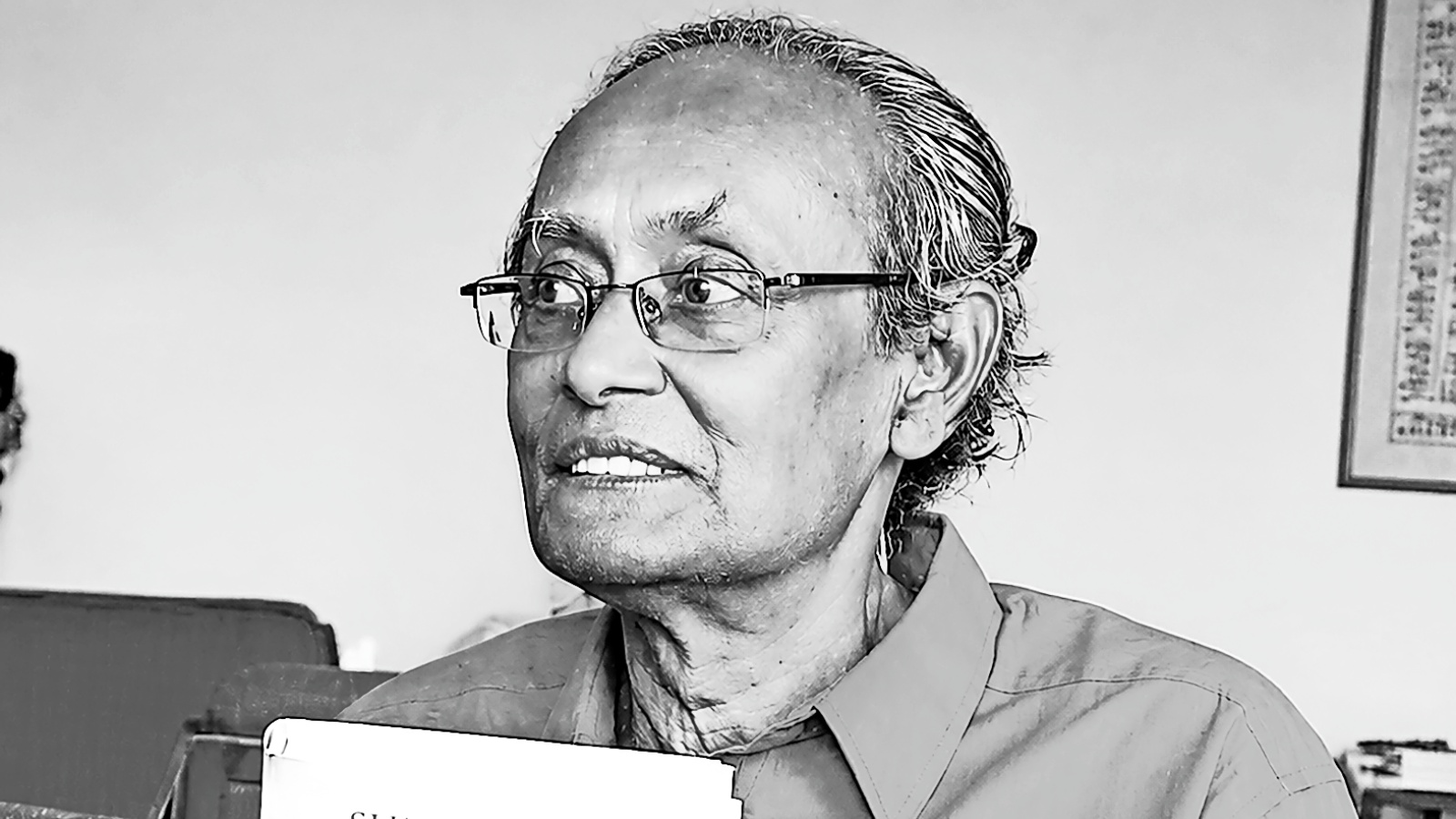
Historian Sumit Sarkar Dies After Reshaping Modern Indian History

Sumit Sarkar: Historian Who Rewrote India's Freedom Struggle Memory

Historian Sumit Sarkar, three-decade Delhi University teacher, dies at 87
Russia Rejects Germany’s Leipzig Airport Drone Attack Claims
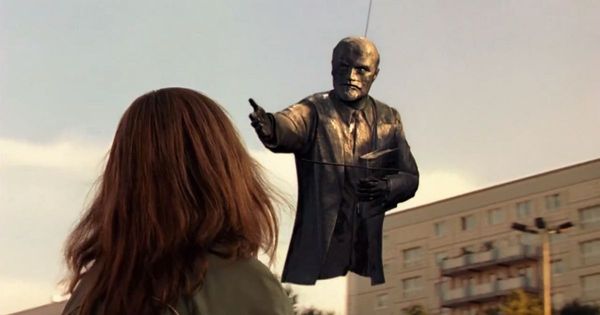
Good Bye Lenin! Explores Nostalgia Beyond Democracy Versus Communism

Andrea Bajani’s The Anniversary confronts family patriarchy and fascism

German Police Find Explosives Near Power Lines Amid Sabotage Wave