1 hr ago
UPI MDR Rollout May Be Deferred to January 2027

A new fee system for some UPI payments may begin later than planned.
Instead of starting on October 15, it could start on January 1, 2027, but officials have not made a final decision.
The possible delay is meant to give shops and payment companies more time to get ready.
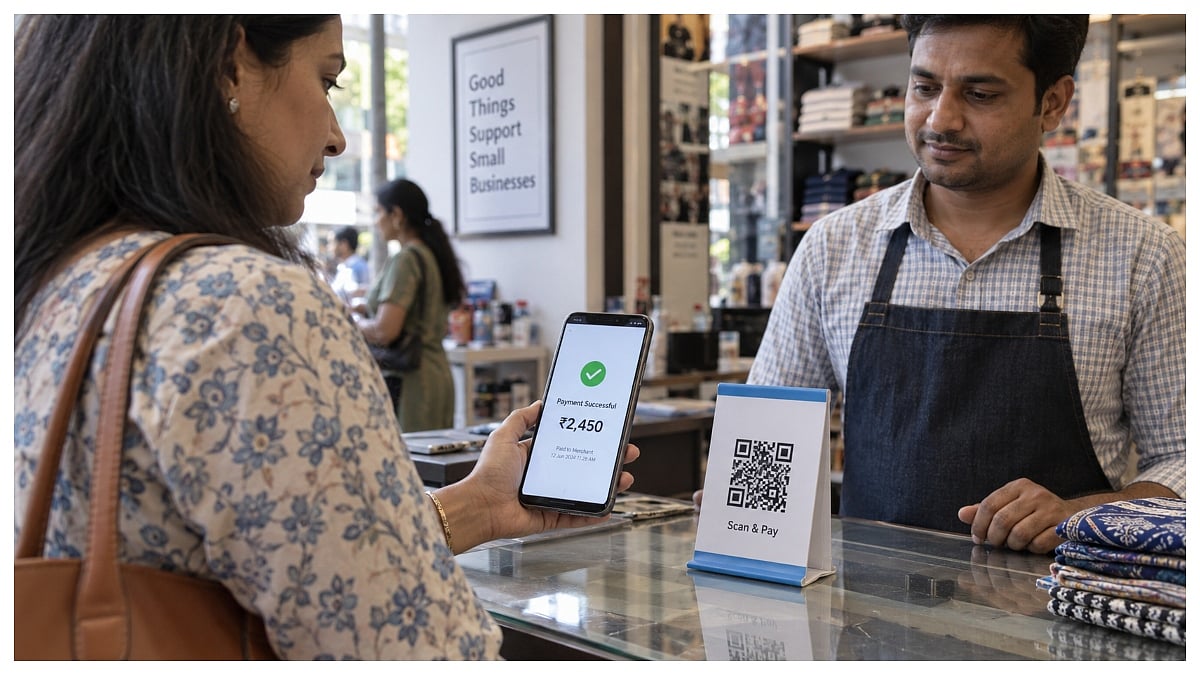
The proposed fee applies to certain payments made by customers to businesses above Rs 2,000.
Small merchants and payments between people would still have no fee.
The plan is being challenged in court, although the Supreme Court did not pause it.
Payment aggregators are also discussing how the fee revenue should be shared with banks.
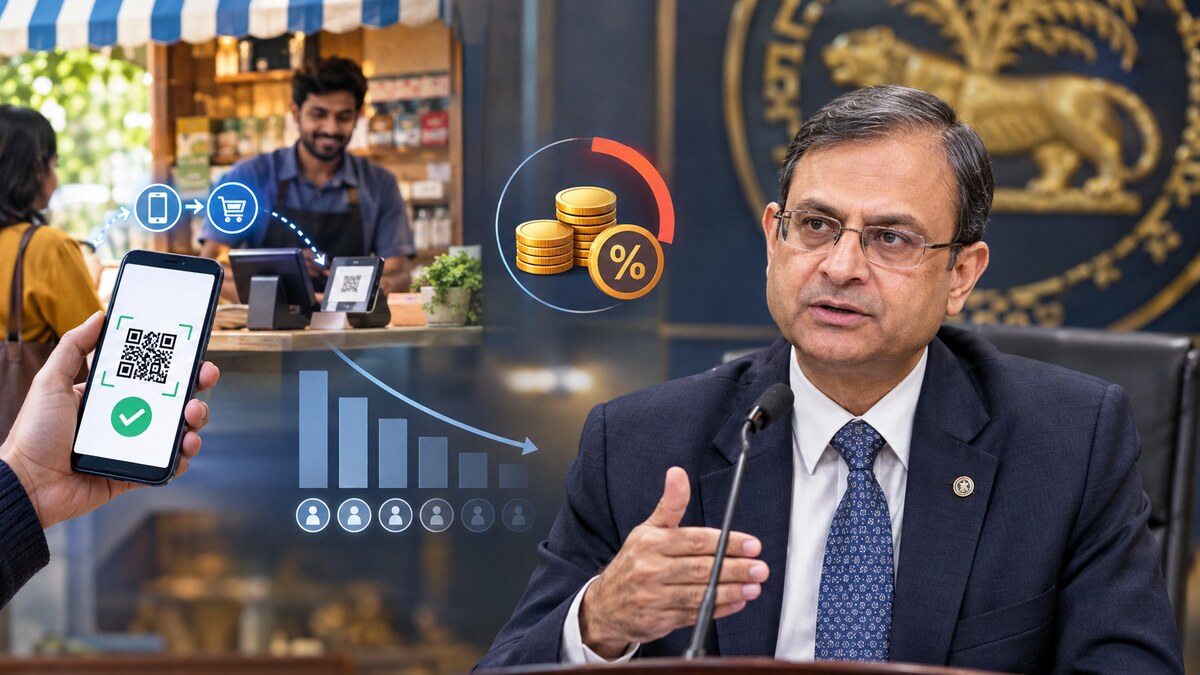
The RBI governor said he does not expect the small charge to have a major effect on payment volumes.

The new UPI merchant discount rate framework may start on January 1, 2027, rather than October 15; no final decision has been made.
Sources said a delay would give merchants and payment providers more time to prepare, especially during the busy festive season.
The framework proposes a 0.4% charge on person-to-merchant UPI transactions above Rs 2,000, capped at Rs 300 for transactions of Rs 75,000 or more.
Small merchants and person-to-person UPI transactions would continue to have zero MDR; the framework faces a legal challenge before the Supreme Court.
Payment aggregators are negotiating to retain 50-80% of acquiring banks’ share, while RBI Governor Sanjay Malhotra said he did not expect a small charge to greatly affect volumes.
- Who
- Merchants, payment aggregators, sponsor banks, the Centre, RBI and NPCI are involved in the proposed UPI MDR framework.
- What
- The framework’s proposed October 15 rollout may be deferred to January 1, 2027; no final decision has been taken.
- Where
- India.
- When
- The earlier proposed rollout date was October 15; the possible revised date is January 1, 2027. The article also reports remarks made on Wednesday and a Supreme Court action on September 28.
- Why
- The proposed delay would give merchants and the payments ecosystem more time to prepare, particularly during the festive season.
Case for delaying or challenging the framework
Case for proceeding with the framework
Timing and preparation
Case for delaying or challenging the framework
Sources said deferring implementation could give merchants and the payments ecosystem more time to prepare, particularly during the festive season.
Case for proceeding with the framework
The framework has already been announced, and the article says there would be no change to its terms; the proposed delay remains unconfirmed.
Potential effect of the charge
Case for delaying or challenging the framework
The framework is facing a legal challenge, and the proposed MDR would impose a charge on specified person-to-merchant UPI transactions.
Case for proceeding with the framework
RBI Governor Sanjay Malhotra said he did not personally expect a small charge to have a major impact and said no drop in volumes was then apparent.
Key facts
- Earlier proposed rollout
- October 15
- Possible revised rollout
- January 1, 2027; no final decision has been made
- Proposed MDR rate
- 0.4% on specified person-to-merchant UPI transactions above Rs 2,000
- Proposed fee cap
- Rs 300 for transactions of Rs 75,000 and above
- Transactions exempt from MDR
- Small merchants and person-to-person transactions
- Payment aggregator negotiations
- PAs are discussing retaining 50-80% of acquiring banks’ share
- Supreme Court action
- On September 28, it refused to stay the Centre’s decision and issued notices to the Centre, RBI and NPCI on a challenge to the framework
Quotes

Sanjay Malhotra
Reserve Bank of India Governor
“A decision on MDR has already been taken. As of now, we do not see any drop in volumes. I do not personally think that a small charge will have a major impact.”
 financialexpress.com
Sources
Related news

Supreme Court Refuses Stay on October 15 UPI MDR Rollout

India Plans Daily Monitoring of New UPI Merchant Fee

NPCI Says October 15 UPI MDR Won’t Disrupt Payments

October 2 No UPI Day Protest Called Off
RBI Governor Says New UPI MDR Unlikely to Curb Volumes
New UPI MDR Charge Sparks Debate Over Merchant Costs
Banks Raise Lending Rates After RBI's 25-Basis-Point Hike
RBI Rate Hike Signals Caution, Not an Aggressive Tightening Cycle
India September Retail Inflation Seen Near Two-Year High

RBI Rate Hike May Eventually Lift New FD Returns