1 hr ago
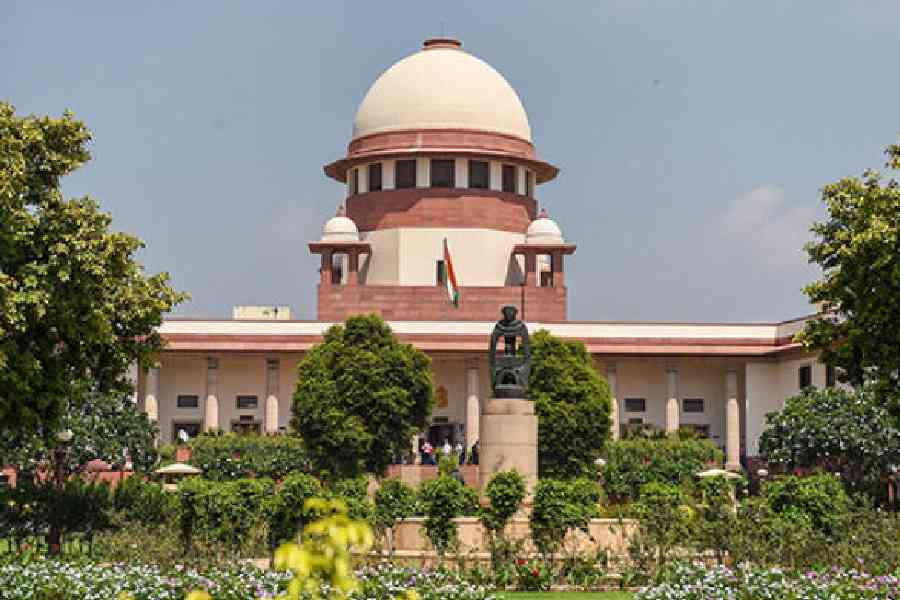
Supreme Court Seeks Responses, Refuses Stay On UPI MDR
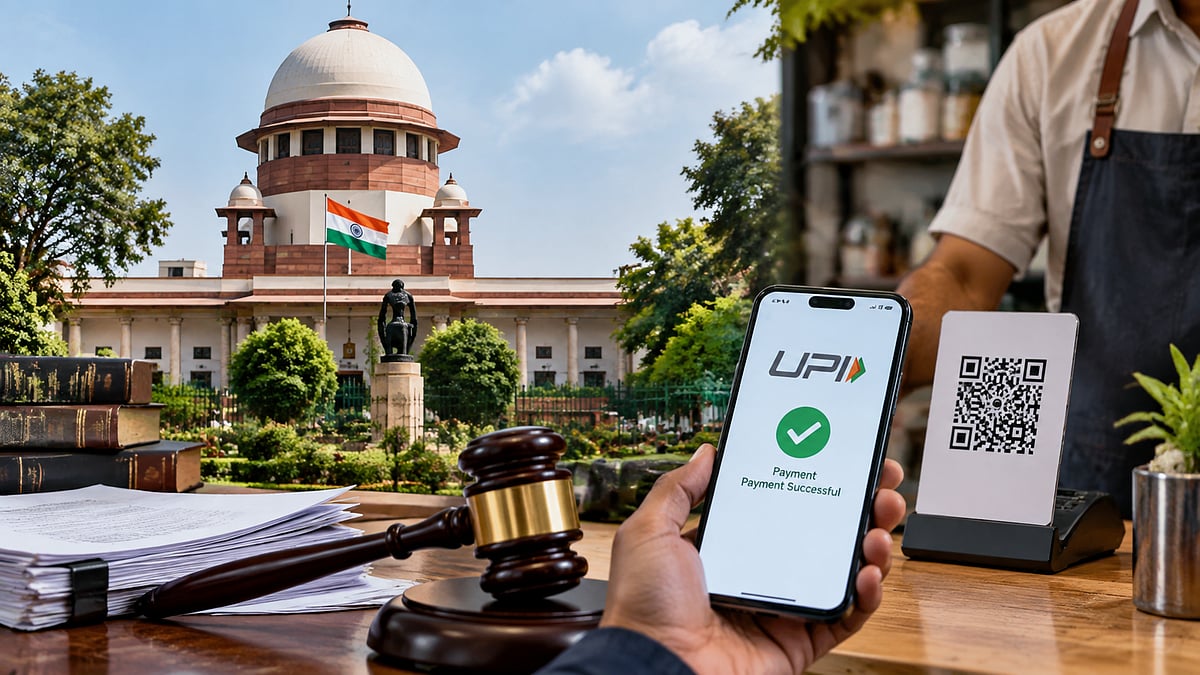
The Supreme Court is examining a new charge connected to some UPI payments.
The charge applies to certain payments made to businesses when the amount is above Rs 2,000.
The court has asked the government, the Reserve Bank of India and the National Payments Corporation of India to explain the rule.
However, it has not stopped the rule from starting on October 15.
The charge is called MDR and is usually 0.4% of an eligible payment.
It is paid within the payment system by banks and payment companies, rather than being collected by the government.
Payments between two people and many small merchant payments will remain free.
The person who filed the case says the rule needs stronger legal safeguards and consultation.

The Supreme Court sought responses from the Centre, RBI and NPCI within four weeks on a petition challenging UPI MDR.
The court refused to temporarily suspend the MDR framework scheduled to begin on October 15.
The framework applies a 0.4% MDR to specified person-to-merchant UPI payments above Rs 2,000.
MDR is capped at Rs 300 for payments of Rs 75,000 or more, while some sectors have separate rates.
Person-to-person transfers and smaller merchant payments remain exempt, with the government estimating 96% of UPI merchant transactions will be unaffected.
- Who
- The Supreme Court, the Centre, the Reserve Bank of India, the National Payments Corporation of India and petitioner advocate Anjan Datta.
- What
- The court sought responses to a challenge against the new Merchant Discount Rate framework but refused to grant an interim stay.
- Where
- India, concerning transactions made through the Unified Payments Interface.
- When
- The hearing took place on Monday; the MDR framework is scheduled to begin on October 15, and responses are due within four weeks.
- Why
- The petition challenges the legal basis, transparency and process behind imposing MDR on specified UPI merchant transactions above Rs 2,000.
Petitioner’s concerns
Government and industry position
Legal basis and procedure
Petitioner’s concerns
The petition argues that the MDR framework was introduced without sufficient statutory safeguards, transparency or public consultation, and questions related amendments to the Payment and Settlement Systems Act, 2007.
Government and industry position
The Centre says MDR is neither a government tax nor a fee, but a service charge within the payment ecosystem, and has been asked to provide its formal response.
Effect on merchants and consumers
Petitioner’s concerns
The petitioner says the charges could affect small, thin-margin businesses and may lead to higher costs for consumers, seeking withdrawal, suspension or a review with impact assessment and safeguards.
Government and industry position
The government says person-to-person payments and smaller transactions remain exempt, that customers should not be separately charged, and that around 96% of UPI merchant transactions will be unaffected.
Sustainability of UPI
Petitioner’s concerns
The challenge questions whether the new framework has adequate safeguards before costs are imposed on eligible transactions.
Government and industry position
Industry representative Aakash Bansal said UPI’s economics must evolve with its scale and that distributing costs across the ecosystem could support technology, cybersecurity and innovation without burdening consumers or smaller merchants.
Key facts
- Standard MDR
- 0.4% on specified person-to-merchant UPI transactions above Rs 2,000.
- Maximum MDR
- Rs 300 for payments of Rs 75,000 and above.
- Special-sector MDR
- Rs 5 per qualifying transaction in railways, telecom, insurance, fuel and agricultural inputs.
- Capital-market MDR
- 0.02% for payments involving mutual funds, securities, stockbrokers and dealers, capped at Rs 300.
- P2P transactions
- Remain free regardless of transaction size.
- Implementation date
- October 15.
- Estimated exemptions
- The government says about 96% of UPI merchant transactions will remain unaffected.
Quotes
Solicitor General of India
The Union government’s law officer who addressed the Supreme Court on the MDR framework.
“MDR is merely a service charge levied by aggregators and banks.”
 freepressjournal.in
“It is less a legal and more a technical issue.”
 m.rediff.com
 deccanchronicle.com
Aakash Bansal
Co-founder and CEO of MIDASX
“UPI has become critical digital infrastructure for India, and its economics must evolve with its scale. The proposed MDR framework raises an important question: how do we sustain investment in technology, cybersecurity and innovation while keeping digital payments accessible? A balanced approach, where costs are distributed appropriately across the ecosystem, can strengthen UPI's long-term sustainability without burdening consumers or smaller merchants.”
 NDTV
NDTV
Sources


Related news
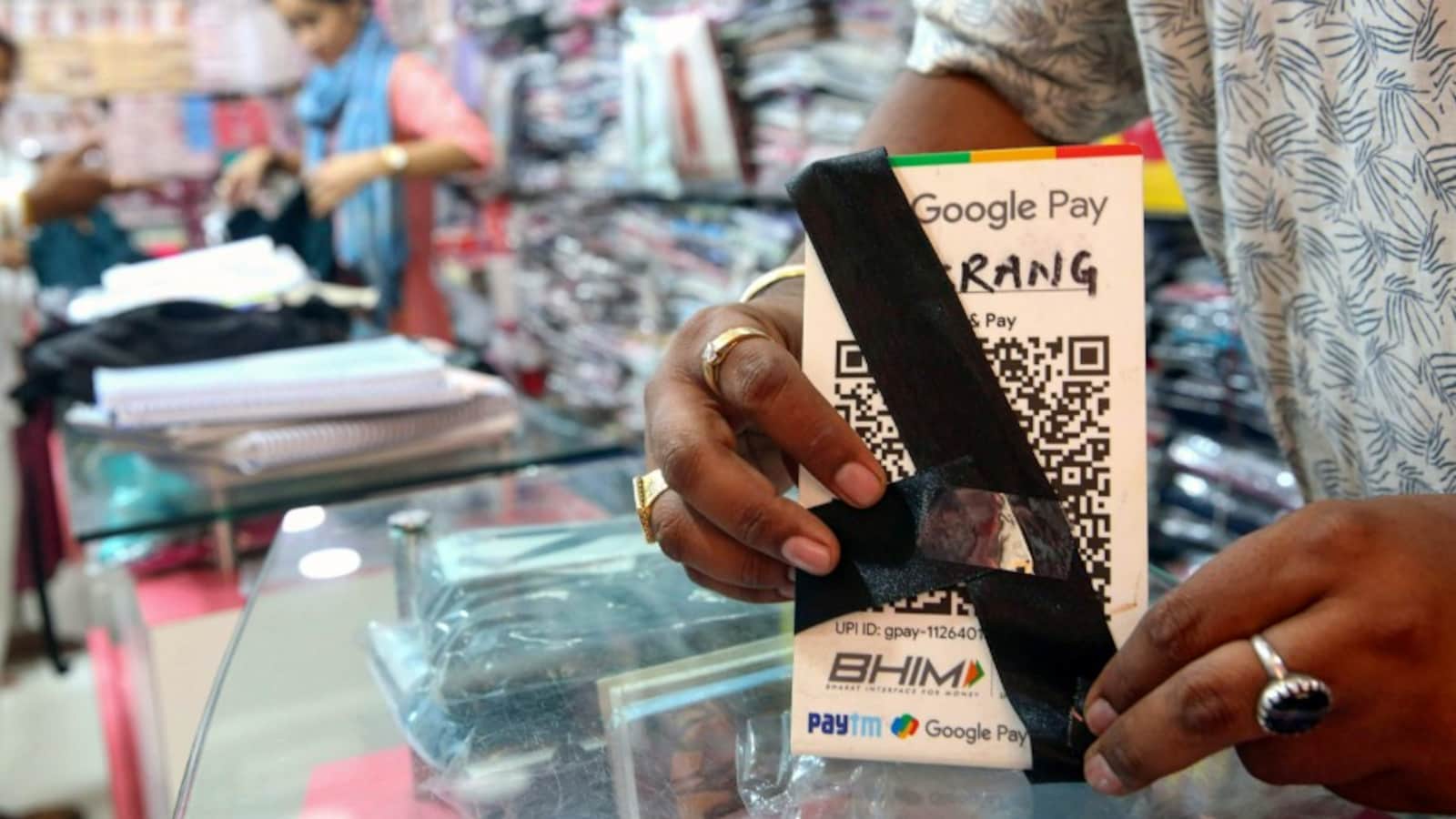
Supreme Court Declines Stay on UPI Charges Above Rs 2,000

Supreme Court Declines Interim Stay on New UPI MDR

Supreme Court PIL Challenges New UPI Charges Above ₹2,000

UPI Sets 0.4% MDR on High-Value Merchant Payments

UPI MDR Begins October 15, Merchants Face Charges, Customers Don’t

New UPI MDR Rules Keep Consumers Free, Charge Eligible Merchants
Former election commissioner urges EC to scrap third SIR phase
Supreme Court Examines Challenge to Acquittal in Sohrabuddin Case
India’s Supreme Court Presses Government on Food Warning Labels