

1 week ago
Oil Prices Fall as U.S. Expands Iran Sanctions Near Hormuz
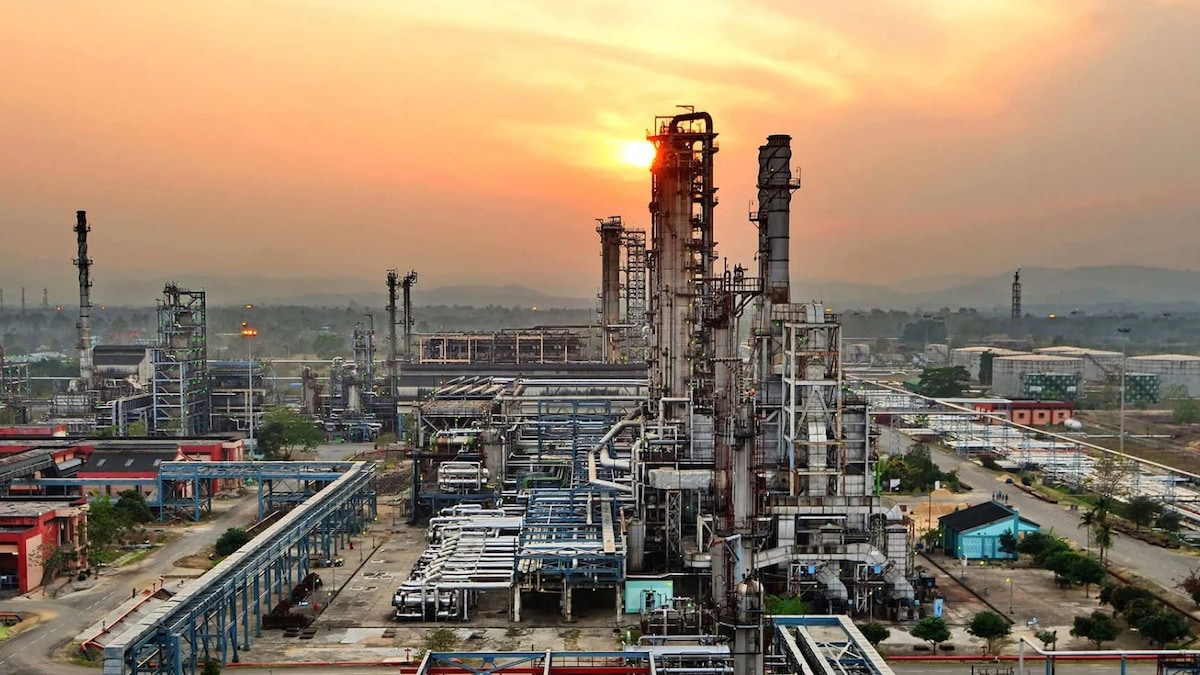
Oil prices went down even though shipping routes near Iran remained dangerous.
The United States announced stronger sanctions against Iran and warned other countries to reduce trade with it.
About 60 companies, groups, and ships connected to Iran’s oil business were sanctioned.
Iran’s economy minister said the country was ready for the new restrictions.
Iranian people were reportedly experiencing fuel shortages and longer lines at petrol stations.
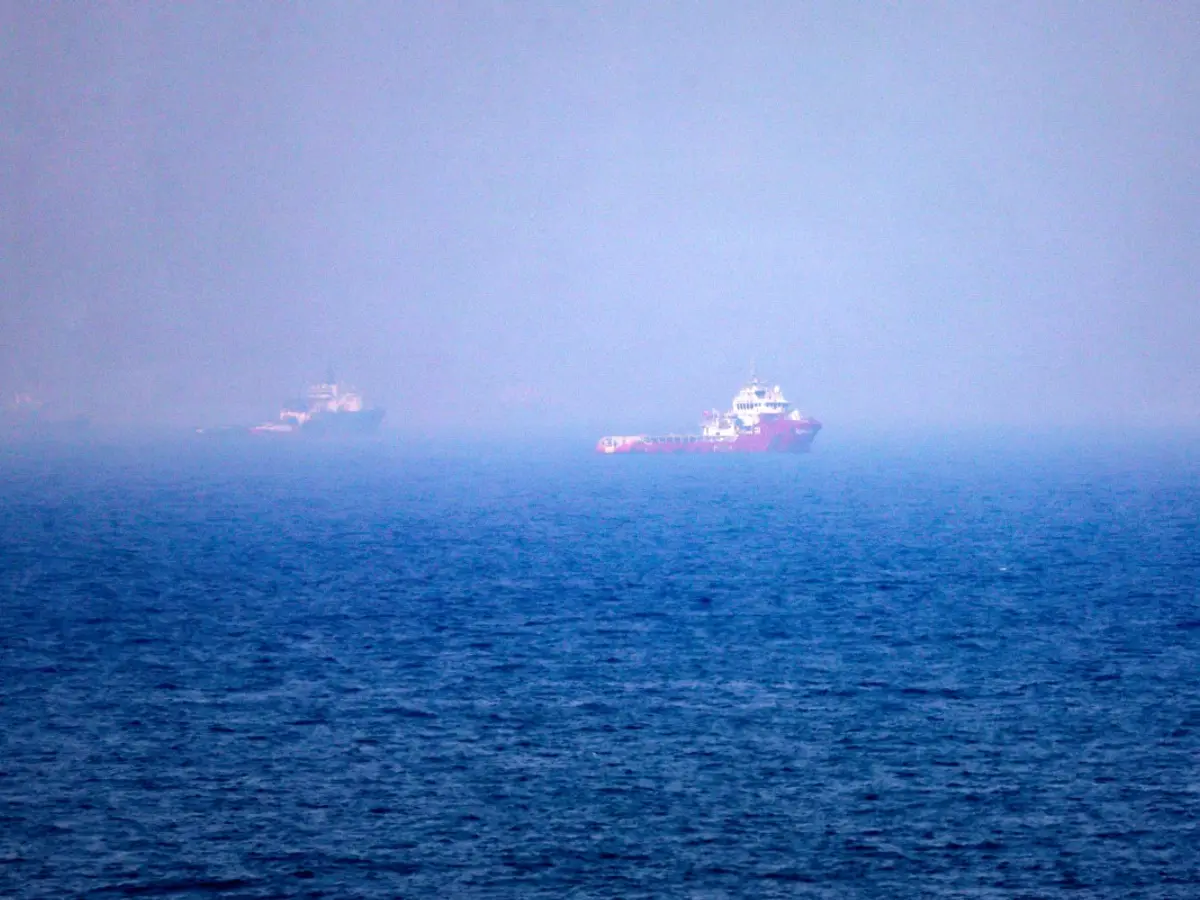
A tanker was hit near the Strait of Hormuz, and another attack was claimed in the Red Sea.
Asian refineries planned to buy more oil from the United States.
The wider conflict has lasted six months and has disrupted fuel shipments.
Oil prices are still more than 50% higher than at the start of the year.

Brent crude traded near $92 a barrel and West Texas Intermediate near $85 after prices fell more than 2% in the previous session.
The United States announced a timeline for countries to cut ties with Iran or face unilateral penalties.
The Office of Foreign Assets Control sanctioned about 60 entities tied to Iran’s oil revenue, including shadow-fleet vessels.
A tanker was reportedly struck and disabled near Ash Shishah in Oman, while Houthi militants claimed an attack on a Saudi supertanker in the Red Sea.
Asian refiners were expected to nearly double September-loading U.S. crude purchases to more than 40 million barrels.
- Who
- The United States, Iran, oil traders, Asian refiners, and groups involved in attacks near regional shipping routes.
- What
- Oil prices declined as the United States widened sanctions on Iran, while tanker incidents continued near the Strait of Hormuz and the Red Sea.
- Where
- The Strait of Hormuz near Ash Shishah in Oman, the Red Sea, Iran, Saudi Arabia, and global oil markets.
- When
- Tuesday, August 25; the broader conflict was described as being in its sixth month.
- Why
- Washington said the sanctions were intended to pressure Iran and isolate it from the global economy; the measures also affected oil-trade expectations and supply routes.
U.S. Sanctions Campaign
Iranian Resistance
Purpose of the measures
U.S. Sanctions Campaign
The United States described the campaign as an effort to isolate Tehran from the global economy and pressure countries to end trade with Iran.
Iranian Resistance
Iranian Economy Minister Seyed Ali Madanizadeh rejected the pressure campaign’s effect, saying Iran was fully prepared for the new measures.
Effect on Iran’s economy
U.S. Sanctions Campaign
Washington targeted entities and vessels involved in Iran’s oil-revenue operations, seeking to restrict the country’s petroleum trade.
Iranian Resistance
Iranian citizens were reported to be facing worsening fuel shortages and longer petrol-station queues as sanctions affected the domestic economy.
Regional security
U.S. Sanctions Campaign
The sanctions were expanded while the United States and other governments continued to focus on pressure around a strategically important oil-shipping route.
Iranian Resistance
Tanker attacks and claimed attacks near the Strait of Hormuz and Red Sea showed that shipping risks remained despite the decline in oil prices.
Key facts
- Brent crude
- Hovered near $92 a barrel after falling more than 2% in the previous session.
- West Texas Intermediate
- Traded close to $85 a barrel.
- U.S. sanctions
- The Office of Foreign Assets Control sanctioned roughly 60 entities linked to Iran’s oil-revenue operations.
- Sanctions deadline
- U.S. Treasury Secretary Scott Bessent said countries would receive a defined timeline to cut ties with Iran or face unilateral penalties.
- September U.S. crude purchases
- Asian refiners were expected to buy more than 40 million barrels, up from 22 million barrels for August loading.
- Tanker incidents
- The British Navy reported a tanker struck and disabled near Ash Shishah in Oman; Houthi militants separately claimed to target a Saudi supertanker in the Red Sea.
- Year-to-date oil prices
- Crude prices had risen more than 50% this year amid disruption to shipments from West Asia.
Sources
Related news
Oil Prices Near One-Month High as US Threatens Iran Sanctions
Oil Prices Rise Fifth Session as Trump Tightens Iran Pressure

Oil Prices Fall Ahead of Expected New Iran Sanctions
Oil Prices Rise as New US Iran Measures Threaten Supplies
Oil Prices Fall as Iran-Oman Talks Ease Hormuz Fears

Oil Rises as US Threatens Unprecedented Economic Pressure on Iran

Iran Seizes Fuel-Smuggling Vessel in Gulf, Arrests 11 Crew
Trump Floats Renaming Strait of Hormuz as “Trump Strait”

Chevron Plans $7 Billion Venezuela Expansion Amid U.S. Oil Push
Saudi Tanker Hit in Hormuz, Killing Two Filipino Sailors

Indian Stocks Extend Three-Day Losing Streak as Oil Rises
