1 month ago
Study Finds Unknown Ancient Human DNA in Modern Genomes
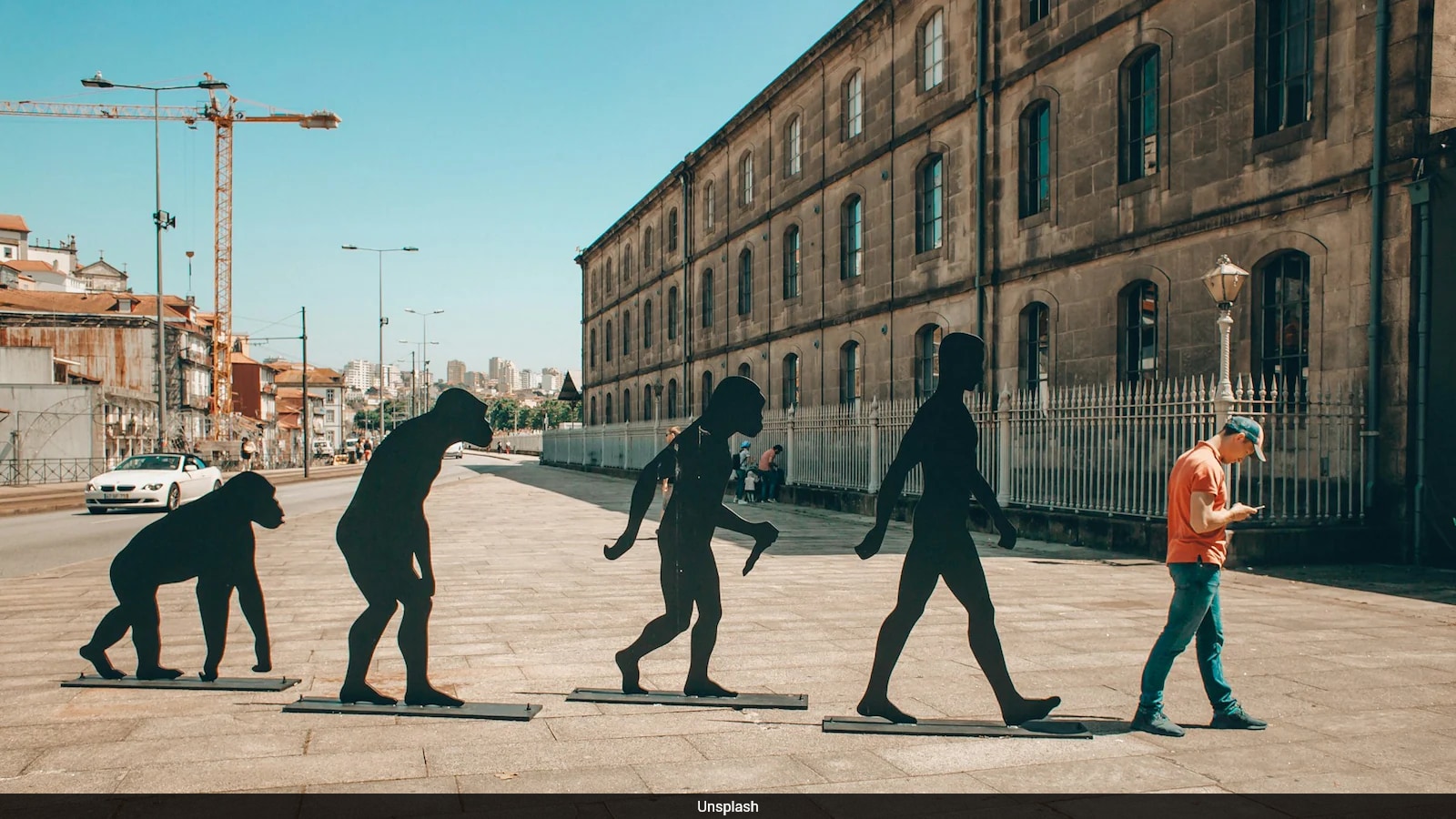
Scientists used a new computer method called TRACE to look at the DNA of 503 people from all over the world.
They found that about 2 percent of the DNA in people who are not from Africa comes from ancient humans, like Neanderthals and Denisovans.
But they also found a tiny bit of DNA that doesn’t match any known ancient human.
This mysterious DNA, called a "ghost" lineage, might have split from our family tree more than 500,000 years ago.
It shows up in everyone’s DNA, even in parts of the genome that were thought to be only modern human.
The discovery means our family tree could be more complicated than we thought, but scientists need more evidence to be sure.

TRACE, a new method, uses modern genomes to detect ancient ancestry.
The study examined 503 genomes from worldwide populations.
About 2% of non‑African DNA is archaic, half from Neanderthals, some from Denisovans.
0.5–1% of DNA comes from an unknown "ghost" lineage that diverged >500,000 years ago.
The ghost lineage appears in all studied populations, even near the FOXP2 speech gene.
- Who
- Researchers from the University of California, Berkeley and Johns Hopkins University
- What
- Discovered evidence of an unknown ancient human lineage in modern genomes
- Where
- Genomes of 503 people from diverse global populations
- When
- Published in the journal Science
- Why
- To investigate whether modern humans interbred with other ancient groups in Africa
Key facts
- Method
- TRACE
- Sample size
- 503 genomes
- Known archaic DNA
- ≈2% of non‑African genomes
- Unknown lineage
- 0.5–1% of genomes
- Estimated divergence
- >500,000 years ago
Sources
Related news
1,000-Year-Old Sealed Skeleton's DNA May Reveal Its Past

Study says Congo-Uganda Ebola outbreak began with new animal transmission
Genetic Study Guides Conservation of Arunachal Pradesh’s Mithun Population

China's OneGenome AI Tool Helps Screen DNA for Rare Diseases
Researchers Defend Monte Verde’s Older Age in Chile

AI Helps Create New Viruses, Raising Hopes and Safety Concerns
Genes May Control Longevity More Than Lifestyle
Earthquake Monitors Track Space Junk via Sonic Booms
Detailed Map Reveals Antarctica's Hidden Terrain
Chinese Researchers Discover Earth's Mantle Stored Ancient Oceans