

1 week ago
Genetic Study Guides Conservation of Arunachal Pradesh’s Mithun Population
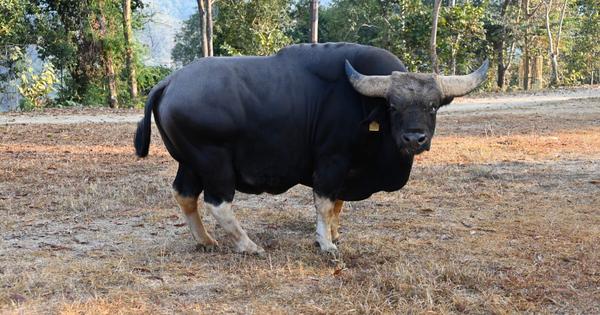
Mithuns are special cattle-like animals that roam freely around villages in Arunachal Pradesh.
They are important to many communities because they represent wealth, family heritage and social status.
Scientists studied the complete genetic material of 11 mithuns from five villages.
They found that these animals are mostly part of one connected population and still have a moderate amount of genetic variety.
However, the number of animals effectively contributing genes to future generations may be only about 160.
This could make it easier for closely related animals to mate and slowly lose genetic variety.
Scientists want farmers to identify animals, record their family relationships and track useful traits.
They say these steps can help protect mithuns while keeping traditional rearing practices.

India’s first population-level whole-genome study of Arunachali mithuns assessed genetic diversity, inbreeding and demographic history.
Researchers identified the Siang-region population as genetically homogeneous and proposed the name Siangmi.
The study found moderate genetic variation and little evidence of strong genetic subdivision among sampled mithuns.
The recent effective breeding population was estimated at about 160 individuals, although researchers cautioned that only 11 animals were sampled.
Conservation recommendations include animal identification, parentage testing, relatedness monitoring and performance records without replacing traditional semi-free-ranging systems.
- Who
- Researchers from the ICAR–National Research Centre on Mithun, working with mithun farmers and the Jomlo Mongku Mithun Farmers’ Federation.
- What
- A whole-genome study assessed the genetic diversity, inbreeding, population structure and demographic history of Arunachali mithuns, including the proposed Siangmi population.
- Where
- Samples came from five villages in East Siang and Lepa Rada districts in Arunachal Pradesh, while the proposed Siangmi population spans six districts in the Siang region.
- When
- The study was published earlier this year; the farmers’ federation has ear-tagged and vaccinated more than 16,000 Siangmis over the past two years.
- Why
- The research aims to guide genetic conservation, reduce inadvertent inbreeding, support breed recognition and protect the population’s long-term viability.
Key facts
- Mithun population in India
- Nearly 384,000 animals, according to the 2019 20th Livestock Census.
- Arunachal Pradesh’s share
- Close to 70% of India’s mithun population.
- Study sample
- 11 unrelated mithuns from five villages in East Siang and Lepa Rada districts.
- Genetic variants identified
- Nearly five million high-quality single nucleotide polymorphisms.
- Proposed breed
- Siangmi, a distinct population from the Siang region; it has not yet been formally registered.
- Estimated Siangmi population
- More than 20,000 individuals, based on the 2019 livestock census.
- Recent effective population size
- About 160 breeding contributors, though the estimate requires broader sampling.
Quotes
Girish Patil S
Director of ICAR–National Research Centre on Mithun and co-author of the genome study
“Our mandate is the conservation and characterisation of different mithun germplasm. Last year, we registered the world’s first recognised mithun breed, the Nagami mithun.”
 scroll.in
“Effective population size is influenced by sample size, and our analysis is based on genomes from only 11 animals.”
scroll.in
Tadang Tamut
Chairman of the Jomlo Mongku Mithun Farmers’ Federation, Siang
“We, the Adi and Galo tribes of the Siang region, have been rearing mithuns for generations. Yet we never knew that these were a different breed.”
scroll.in
Sources
Related news

Tata Memorial Centre starts large-scale breast cancer genome sequencing project
Assam Reports IVF-Born Lakhimi Calf Milestone
Assam’s First IVF-Born Lakhimi Calf Signals Breed Conservation

Gujarat launches DNA-based sports talent hunt for 2030 Commonwealth Games
Rare Eurasian lynx photographed for first time in Sikkim
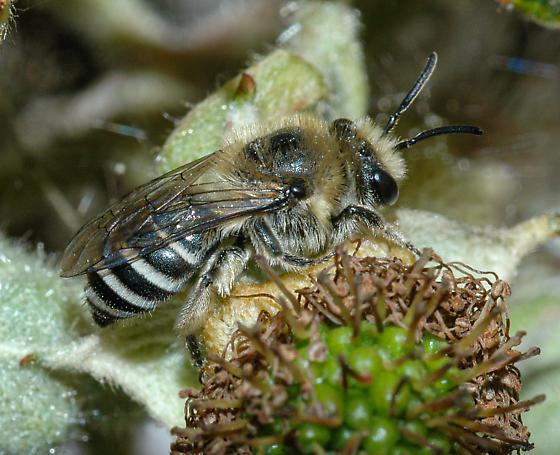
Rare Himalayan Bee Colletes bhutanicus Recorded First Time in India

Is Vomiting the Body's Defence Mechanism? Experts Weigh In

Decapeptide-12 Targets Melanogenesis Pathways for Research in Labs
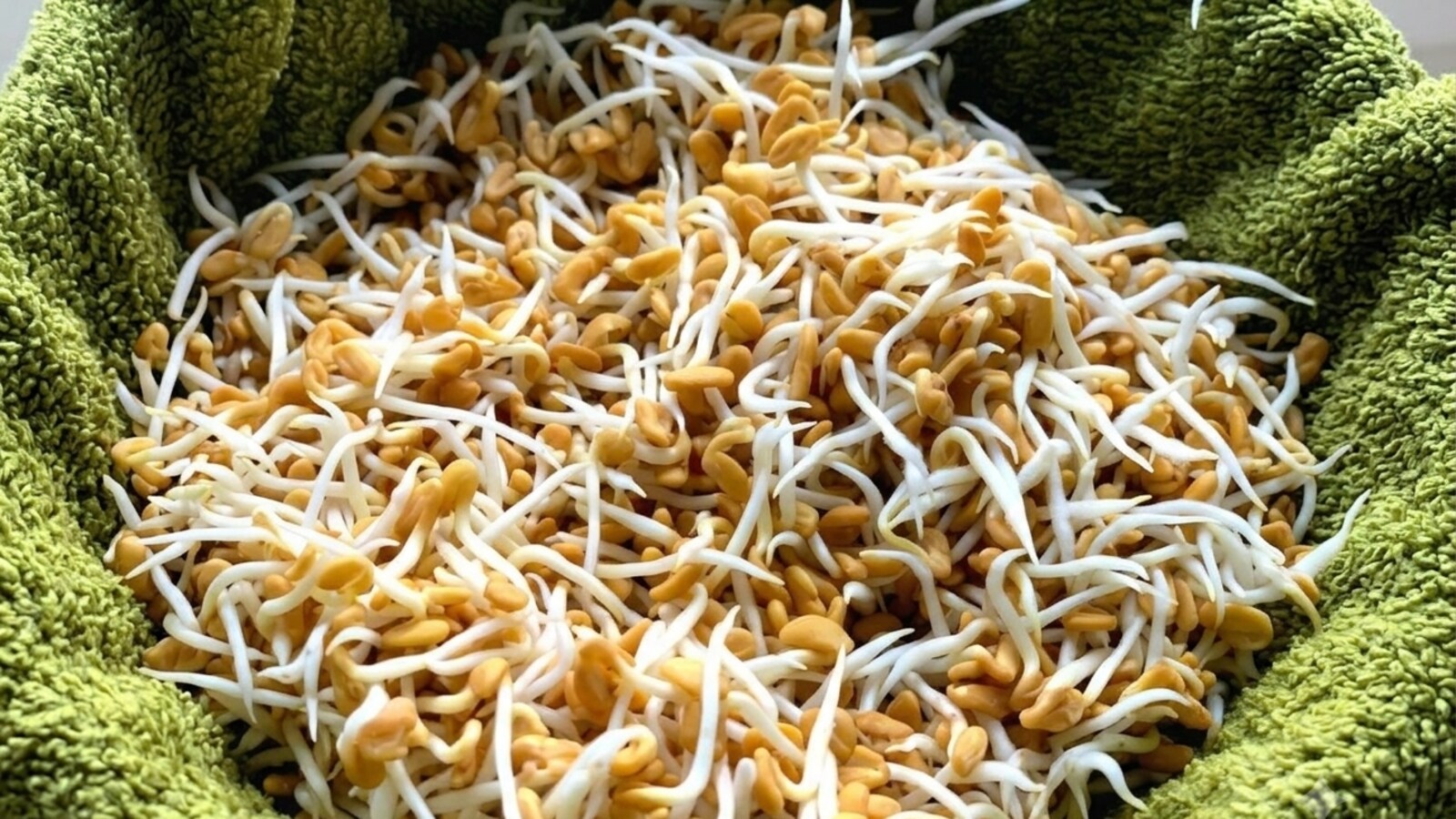
Methi Dana Sprouts May Help Control Blood Sugar
