2 weeks ago
India nudges ministries to switch to PPI in government contracts
The government hires companies to build things like roads, bridges, and trains.
Building these things takes a long time, and the prices of materials, workers, and fuel can go up during that time.
To be fair, government contracts have a rule that lets companies get a little more money if prices rise.
To figure out how much prices have risen, the government uses a special measuring tool called a price index.
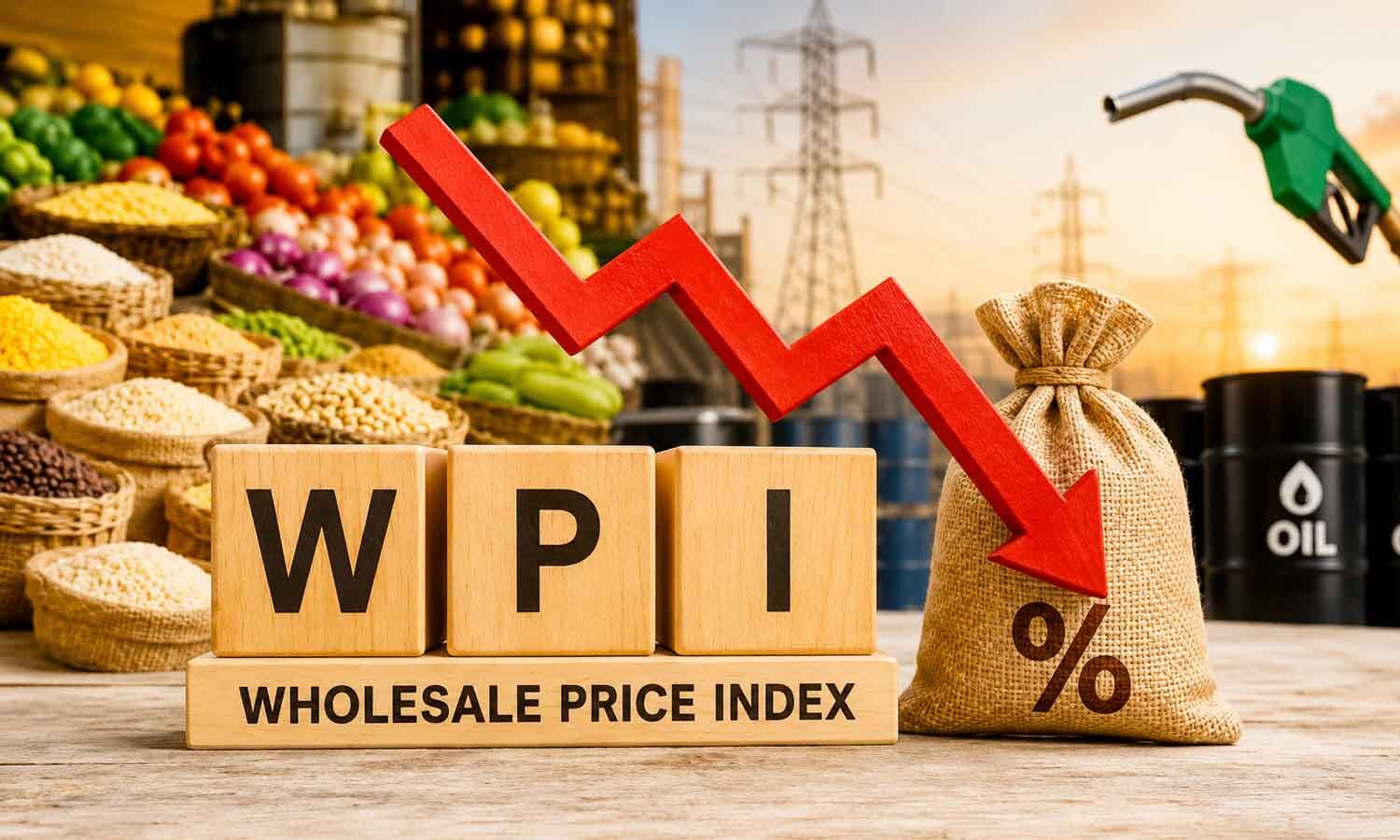
India used to use one called the Wholesale Price Index, or WPI.
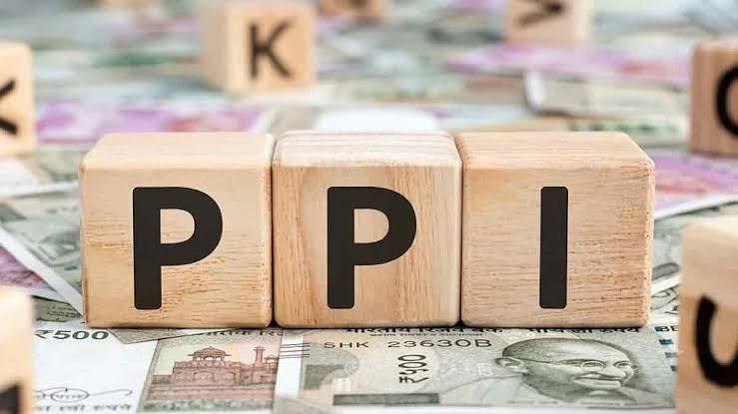
Now India wants to switch to the Producer Price Index, or PPI, which many other countries use.
The PPI measures prices at the place where goods and services are made, called the producer level.
Since June, India has been publishing PPI numbers every month, and the finance ministry wants all ministries to use PPI in new contracts.
India plans to completely stop using WPI within the next five years.

India's finance ministry has urged all ministries and departments to move from the Wholesale Price Index (WPI) to the Producer Price Index (PPI) for rate escalation and adjustment clauses in future government procurement contracts.
The Department of Expenditure issued an office memorandum dated July 13 encouraging ministries to adopt PPI in all price escalation clauses of future contracts once PPI becomes available.
For the first time, the commerce ministry has been publishing monthly PPI data for both goods and services since June, paving the way to phase out wholesale price inflation numbers in the next five years.
The PPI is described as a more internationally accepted index, and the launch of monthly PPI data follows recommendations of the International Monetary Fund (IMF).
Manufactured items carry the highest 69.93 per cent weight in the output (goods) PPI, and seven services are covered in the first phase of Service PPI.
- Who
- India's finance ministry (Department of Expenditure), all ministries and departments, and the commerce ministry issuing monthly PPI data
- What
- India is shifting from the WPI to the PPI for rate escalation and adjustment clauses in future government procurement contracts
- Where
- India
- When
- Office memorandum dated July 13; monthly PPI data issued since June; reported on August 16, 2026
- Why
- PPI is a more internationally accepted index that better reflects producer-level price movements and follows International Monetary Fund (IMF) recommendations
Key facts
- New index
- Producer Price Index (PPI)
- Old index
- Wholesale Price Index (WPI)
- Directive issued by
- Department of Expenditure (Finance Ministry)
- Memorandum date
- July 13
- Monthly PPI launch
- June
- WPI phase-out period
- Next five years
- Largest PPI goods component
- Manufactured items (69.93%)
- Services in first Service PPI phase
- 7 (banking, securities transaction, insurance, pension funds, railways, air passenger, telecom)
Quotes
Ministry of Finance memorandum
Official memorandum from the Department of Expenditure
“"Ministries/Departments are encouraged to adopt Producer Price Index (PPI) in place of Wholesale Price Index (WPI) in all price escalation clauses of future contracts, once PPI becomes available,"”
 deccanchronicle.com
 thehindubusinessline.com
Sources

Related news

Government Releases Q1 Service PPI Estimates, Banking Index Rises
India's Wholesale Inflation Eases to 9.78% in July

India’s Service Prices Diverge as Air Passenger Inflation Surges
US Wholesale Inflation Holds at 4.7% as PPI Unchanged

Air Travel Prices Surge 31.94% in First Quarter

India Raises Petrol, Diesel Export Taxes, Cuts Jet Fuel Levy
India’s August GST Collections Near ₹2 Lakh Crore, Refunds Surge

Finance Ministry Flags Severe Attrition Across Regional Rural Banks

IIT Hyderabad Hosts Cybersecurity and AI Banking Fraud Hackathon

Finance Ministry Flags Global Yield and Inflation Risks for India