2 weeks ago
Russia's SMR edge under India's new nuclear rules
India wants to build small nuclear reactors that can power things like data centres and remote areas.
It has drafted new rules for bringing in nuclear technology from other countries.
The rules say foreign nuclear designs must already be approved and working in their home country before coming to India.
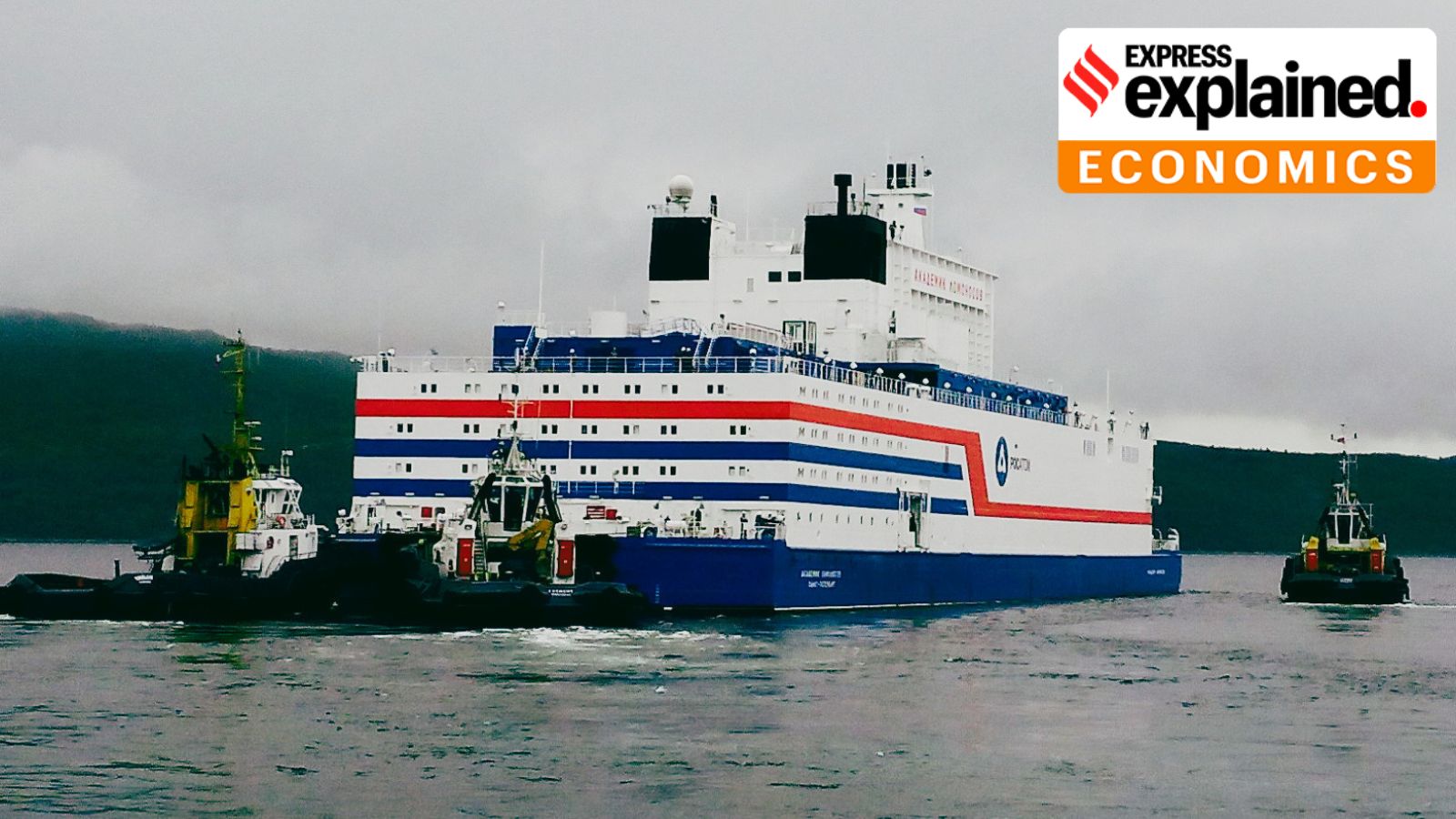
Russia is the only country with an operating small modular reactor on a floating barge.
That gives Russia an advantage over companies from the West, whose reactors are still being designed and tested.
Indian and Russian officials met in Mumbai to talk about nuclear cooperation.
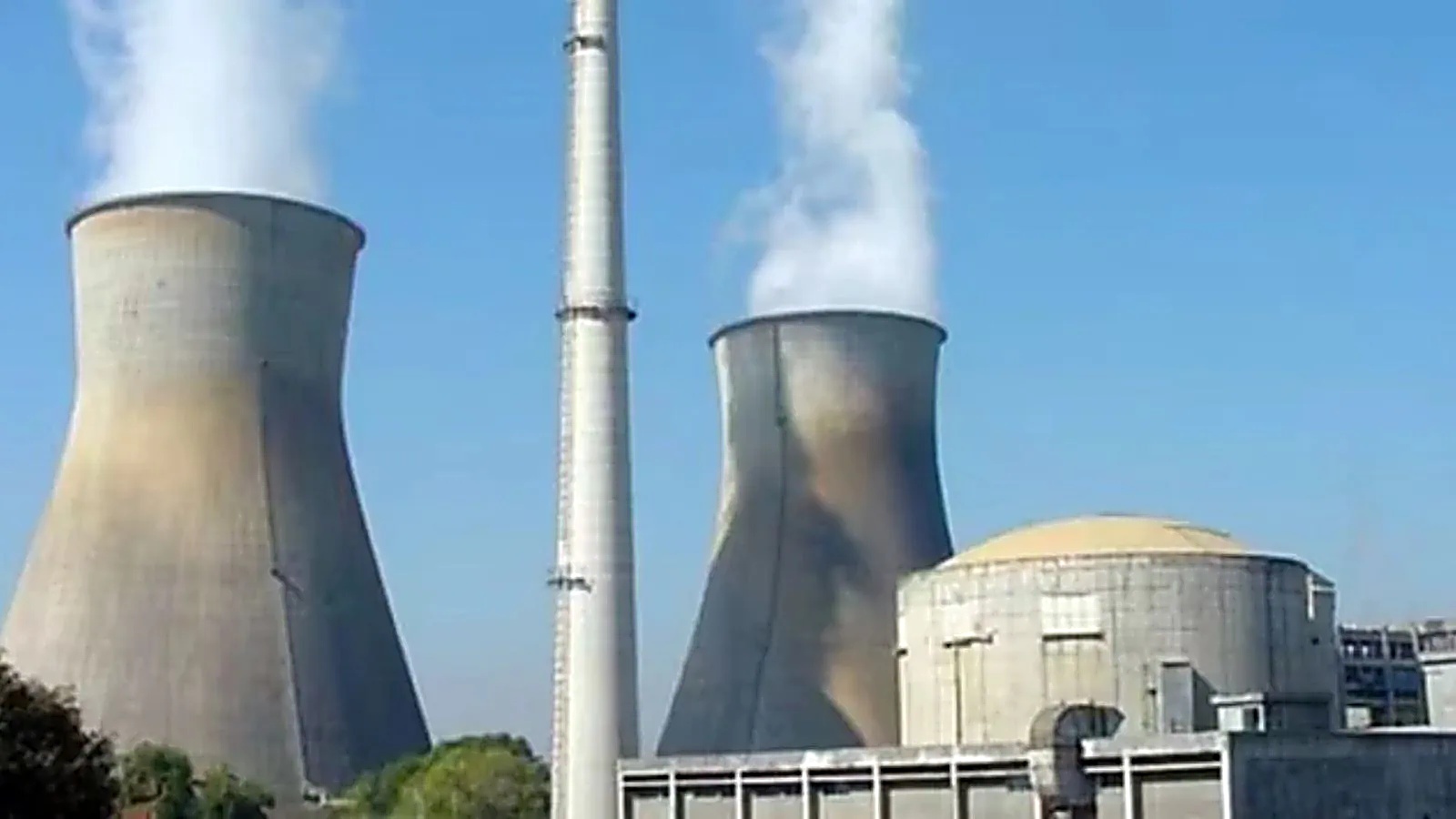
They reviewed the Kudankulam nuclear plant in Tamil Nadu, which is India's largest.
Russia also wants to build new bigger reactors in India.
Russian reactors cost a bit more than India's own reactors but less than Western ones.
This could make Russia a key partner for India's nuclear energy future.

Draft rules for India's SHANTI Act require foreign nuclear technology to be certified by its country-of-origin regulator and already operational there or elsewhere.
Rosatom's Akademik Lomonosov floating power unit, operating since May 2020 in Pevek, gives Russia an edge as the only operational SMR among global vendors.
Rosatom Director General Alexey Likhachev and DAE Chairman Ajit Kumar Mohanty met in Mumbai on November 10 to review the Kudankulam project and SMR cooperation.
Russia is proposing serial construction of new-generation VVER-1200 reactors and Russian-designed SMRs, including floating nuclear power solutions, in India.
Russian reactors are estimated to cost about Rs 34 crore per MW-electric, against roughly Rs 18 crore for India's indigenous reactors, while staying cheaper than Western light water reactors.
- Who
- India's Department of Atomic Energy (DAE) under Chairman Ajit Kumar Mohanty, and Russia's Rosatom State Corporation under Director General Alexey Likhachev.
- What
- Draft rules for India's SHANTI Act that could favour Russian-designed nuclear technology, including small modular reactors and VVER-1200 reactors, in India.
- Where
- The meeting took place in Mumbai, India, covering the Kudankulam nuclear power project in Tamil Nadu; Rosatom is based in Moscow, Russia.
- When
- Key working meeting held on November 10; the draft rules' issuance date is not specified in the articles.
- Why
- The certification clause requires imported nuclear technology to be already approved and operational in its country of origin, giving Russia, whose SMRs are already operational, an edge over Western competitors.
Key facts
- Draft legislation
- SHANTI Act (Sustainable Harnessing and Advancement of Nuclear Energy for Transforming India)
- Rule-issuing body
- Department of Atomic Energy
- Key meeting
- November 10, Mumbai — Ajit Kumar Mohanty (DAE) and Alexey Likhachev (Rosatom)
- Operational SMRs
- Akademik Lomonosov (Russia, commercial operation May 2020) and HTR-PM (China, reported commercial operations December 2023)
- Akademik Lomonosov
- Two modules of 35 MWe each; docked in Pevek harbour; world's northernmost nuclear power plant
- Kudankulam NPP
- Six units with VVER-1000 reactors; 6,000 MWe installed capacity; units 1 and 2 grid-connected in 2013 and 2016
- Reactor cost estimates
- About Rs 18 crore per MW-electric (indigenous) vs about Rs 34 crore per MW-electric (Russian)
- Russian fuel supply
- TVEL supplies TVC-2M fuel to Kudankulam, enabling an 18-month fuel cycle
Sources
Related news
SHANTI Act draft rules open India's nuclear power to private firms
India's Private Nuclear Entrants Favor Indigenous Heavy Water Reactors
India Inc Flags Tariff, Technology Concerns in Nuclear Rules
India targets 100 GW nuclear power by 2047, says Modi

India's Nuclear Utilities Choose Local Reactors to Speed Projects