

6 hrs ago
Prospective US Tariffs Threaten India’s Russian Oil Trade Deal
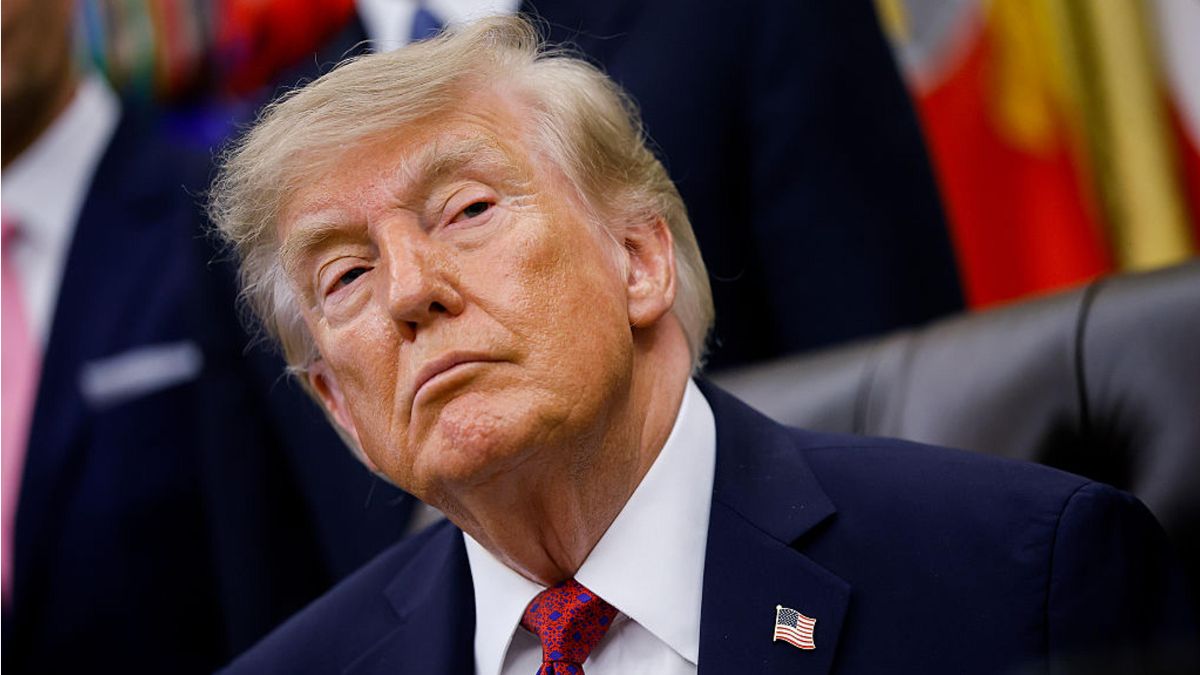
The United States is considering very high tariffs on countries that buy oil from Russia.
India buys some Russian oil because it has often been cheaper and helps provide energy.
The article says India could face tariffs as high as 100 percent under a new US law.
India says it has the right to buy energy from wherever it chooses.
India has already reduced the amount of Russian oil it imports.
The two countries are still trying to negotiate a trade agreement.
India may lower some taxes on American products but does not want certain genetically modified foods or dairy products.
Higher oil prices and attacks on energy facilities could make other supplies more expensive.
The article says India should protect its interests and not sign an agreement too quickly.

A US law targeting Russia and Iran could lead to tariffs of up to 100% on major buyers of Russian oil, including India and China.
India previously faced combined US duties of 50% over Russian oil imports, though its Russian crude purchases later declined.
The United States Trade Representative is conducting additional investigations involving India’s trade practices and excess capacity.
India is offering to reduce duties on US industrial and agricultural goods while opposing imports of genetically modified maize, soybeans, and dairy products.
The article argues India should avoid rushing into a trade deal as oil costs rise and US tariff policy may depend on midterm elections.
- Who
- The governments of the United States and India, with China and other major buyers of Russian oil also potentially affected.
- What
- The United States may impose tariffs of up to 100% on major buyers of Russian oil while negotiating a trade agreement with India.
- Where
- The measures concern trade between the United States and India, Russian oil imports, and other international trading partners.
- When
- The article discusses developments through 2026, including a law taking effect within 30 days and earlier tariff changes from August, February, July, and September.
- Why
- The United States is seeking to pressure buyers to reduce purchases of Russian oil, while India is seeking energy security and protection for its trade interests.
United States Pressure
India’s Interests
Russian oil purchases
United States Pressure
The United States is using possible tariffs and sanctions to pressure India and other major buyers to reduce purchases of Russian oil.
India’s Interests
India says it has a sovereign right to obtain energy supplies from any source and has already reduced its Russian oil imports.
Trade negotiations
United States Pressure
US negotiators can use prospective oil-related tariffs and other investigations as leverage to seek concessions from India.
India’s Interests
Indian trade experts warn that this could produce a deeply unequal agreement, so India should protect its interests and avoid rushing.
Market alternatives
United States Pressure
The US measures are presented as part of broader sanctions and trade pressure related to Russia.
India’s Interests
India faces more expensive and limited alternatives because of conflict in West Asia, attacks on Russian energy infrastructure, and narrowing discounts on Russian crude.
Key facts
- Potential tariff rate
- Up to 100% on major buyers of Russian oil
- Affected buyers
- India and China are identified among the top five buyers of Russian oil
- Earlier India duties
- India faced an additional 25% duty alongside 25% reciprocal tariffs
- Russian oil imports
- Fresh loadings headed to India declined from 2 million to 1.08 million barrels per day in February
- Interim tariff framework
- India’s proposed tariff level was described as 18%, down from 50%, before the framework was invalidated by the US Supreme Court
- Other US investigations
- The United States Trade Representative is investigating forced-labor inputs and excess capacity
- Oil price
- Brent spot prices averaged $109.8 per barrel during the month cited
- India’s trade position
- India plans significant duty reductions on US industrial and agricultural goods but opposes genetically modified maize, soybeans, and dairy products
Sources
Related news
Trump’s Russia Sanctions Law Puts India Under Fresh Tariff Pressure
New US Law Raises India’s Tariff Risk to 100%
US Russia Sanctions Bill Raises India Tariff Risk
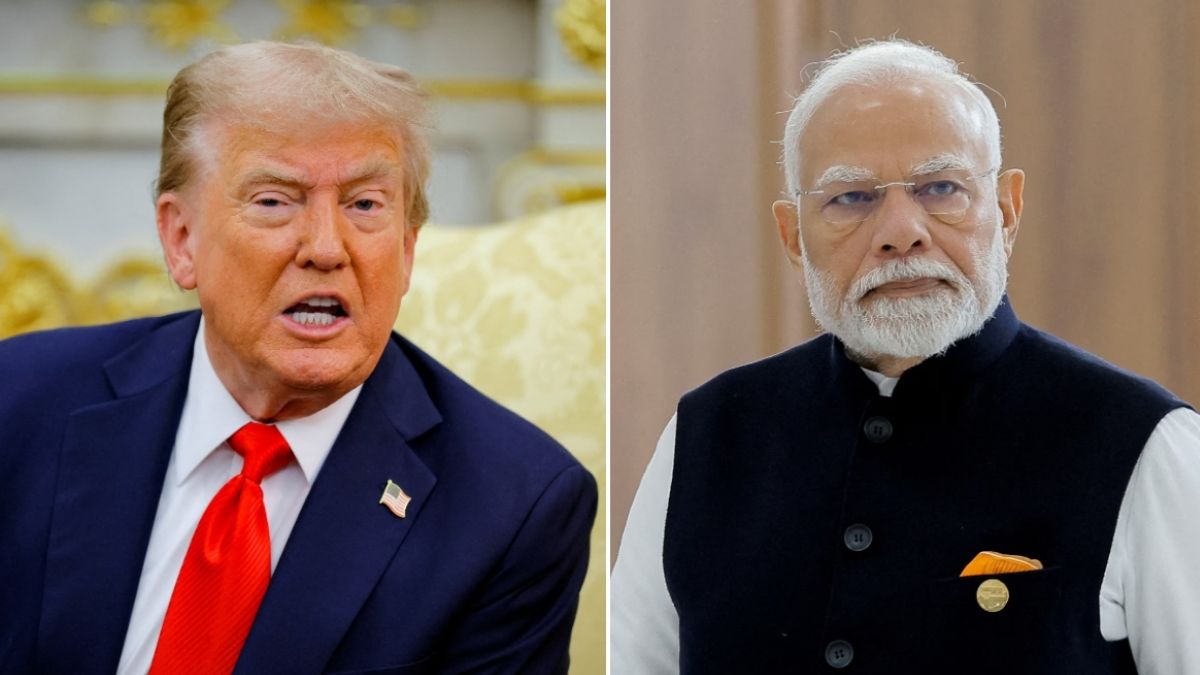
Trump Signs Russia Sanctions Law, Putting India Ties Under Pressure
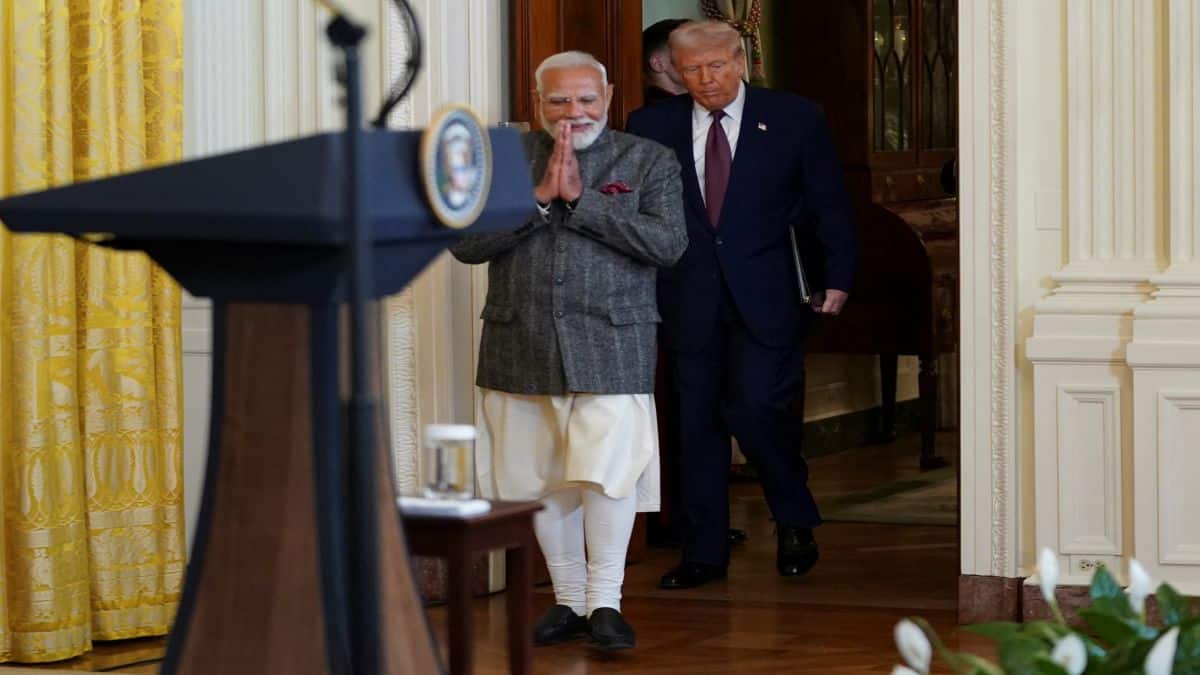
US Russia Sanctions Bill Puts India Under Tariff Pressure
India Warns US Russian Oil Tariffs Could Harm Ties

Ukraine Hints at Major Development as Russia, Kyiv Trade Strikes

September 21 Assembly Headlines Span India, World, Sports
US Approves $2.7 Billion Ukraine Defence Package Amid Russia Pressure
Trump's Diplomacy Forces Nations to Decode Rhetoric and Policy
