

1 week ago
Supreme Court Upholds Landmark Bangalore Water Supply Industry Judgment

India’s Supreme Court reviewed an important 1978 decision about what counts as an “industry.”
The court’s majority decided to keep the main ideas from that decision.
These ideas are known as the Triple Test and the Dominant Nature Test.
Some parts may be adjusted, but the basic framework remains in place for older disputes.
Cases that are still pending will use the older framework.
Cases already decided will not be changed by this ruling.
New disputes will use the Industrial Relations Code, 2020.
Three judges disagreed and said the nearly 50-year-old interpretation should not have been reopened.

A nine-judge Supreme Court Constitution Bench upheld the 1978 Bangalore Water Supply judgment by a 6:3 majority.
The ruling retained the core Triple Test and acknowledged that some elements may need refinement.
Pending industrial disputes will continue under the Bangalore Water Supply framework, without disturbing already decided matters.
Future disputes will be addressed under the Industrial Relations Code, 2020, interpreted according to its own text.
Justice B.V. Nagarathna, joined by Justices Ujjwal Bhuyan and Deepankar Datta, opposed reopening the settled interpretation of Section 2(j).
- Who
- A nine-judge Constitution Bench of the Supreme Court, led by Chief Justice Surya Kant, decided the matter; Justices B.V. Nagarathna, Ujjwal Bhuyan and Deepankar Datta dissented.
- What
- The Court upheld the landmark 1978 Bangalore Water Supply judgment’s interpretation of “industry” under Section 2(j) of the Industrial Disputes Act.
- Where
- The Supreme Court of India.
- When
- The decision was delivered on 20 August; the articles do not specify the year.
- Why
- The Bench considered whether the 1978 interpretation should be reconsidered and clarified which framework applies to pending and future industrial disputes.
Majority: Reconsideration Was Valid
Dissent: The Precedent Should Remain Settled
Whether to reopen the 1978 ruling
Majority: Reconsideration Was Valid
The majority held that reconsideration of the Bangalore Water Supply judgment was validly requested. It retained the core Triple Test while allowing possible refinement of specific elements.
Dissent: The Precedent Should Remain Settled
Justices Nagarathna, Bhuyan and Datta said reopening the interpretation after nearly five decades was unnecessary and that a smaller Bench could have addressed any new questions.
Effect on pending industrial disputes
Majority: Reconsideration Was Valid
The majority clarified that pending disputes would continue under the established Bangalore Water Supply framework and that previously decided matters would not be disturbed.
Dissent: The Precedent Should Remain Settled
Justice Nagarathna warned that reopening a settled position could create uncertainty in pending industrial disputes.
Government departments and statutory functions
Majority: Reconsideration Was Valid
The ruling’s majority position on this issue was not specified in the article.
Dissent: The Precedent Should Remain Settled
Justice Nagarathna said government departments should not be excluded from the definition of “industry” merely because they perform statutory functions; the nature of the activity matters more than who performs it.
Key facts
- Majority
- The decision was by a 6:3 majority.
- Original judgment
- The Bangalore Water Supply judgment was delivered in 1978 by a seven-judge Bench led by then-Chief Justice Beg.
- Legal provision
- The case concerns the definition of “industry” under Section 2(j) of the Industrial Disputes Act, 1947.
- Core tests
- The original ruling established the Triple Test and the complementary Dominant Nature Test.
- Pending disputes
- Pending matters will continue under the Bangalore Water Supply framework.
- Future disputes
- Future matters will be decided under the Industrial Relations Code, 2020.
- Dissent
- Justices Nagarathna, Bhuyan and Datta said the reference should not have been made initially.
Sources
Related news

Supreme Court Limits 1978 Industry Ruling Under 2020 Code

Supreme Court Narrows 1978 Industry Definition Under New Labour Code
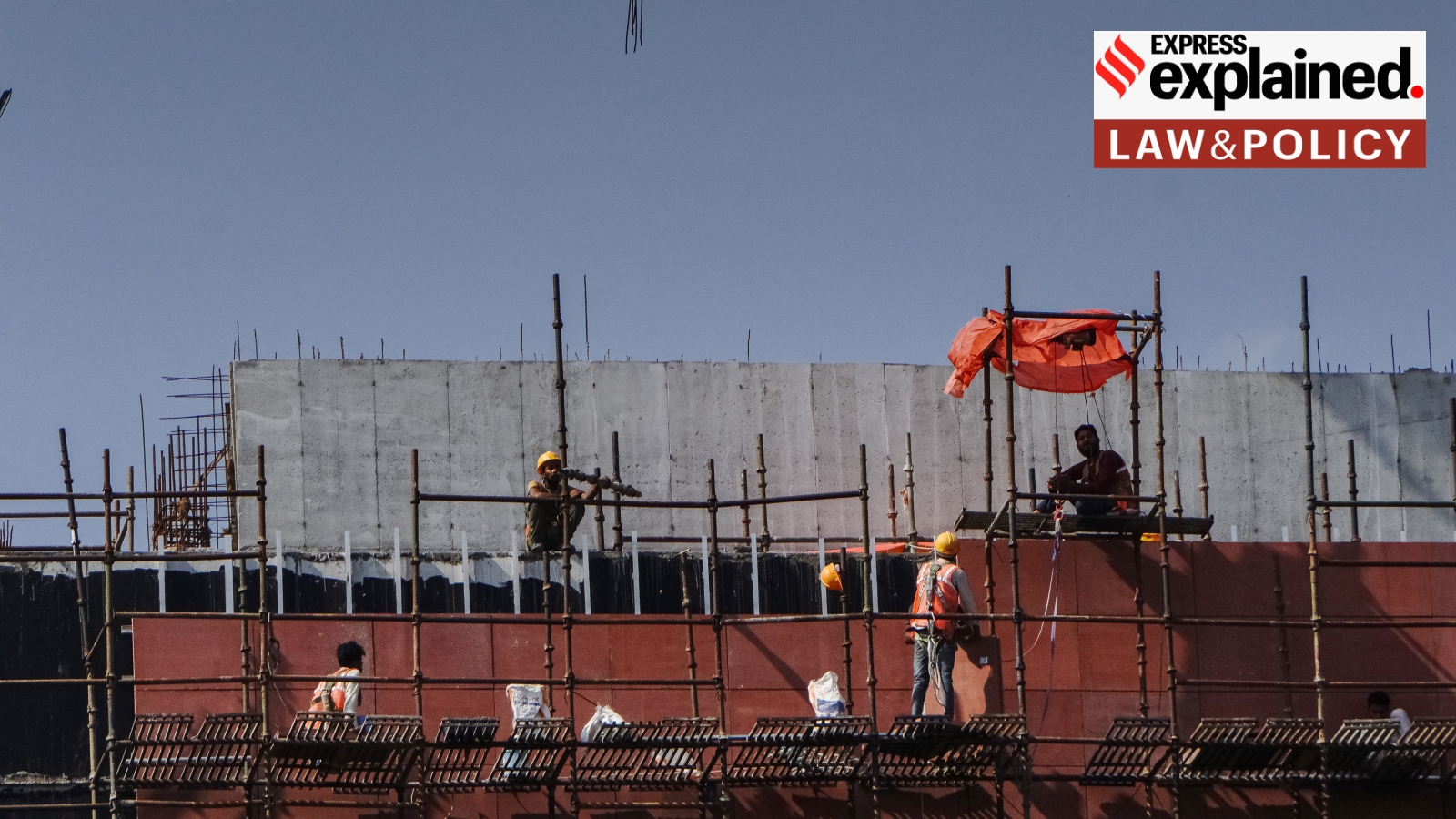
Supreme Court Splits Over ‘Industry’ Definition Under Labour Law

Supreme Court To Rule On ‘Industry’ Definition Today
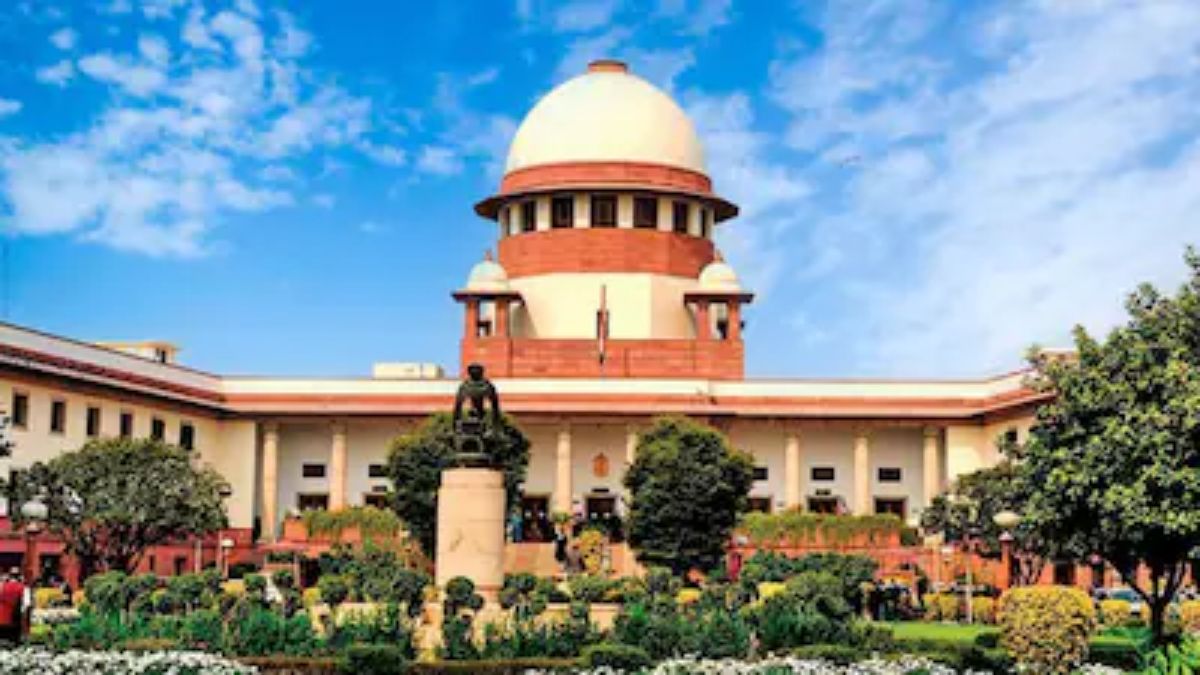
Supreme Court’s industry ruling settles old test, leaves Code questions
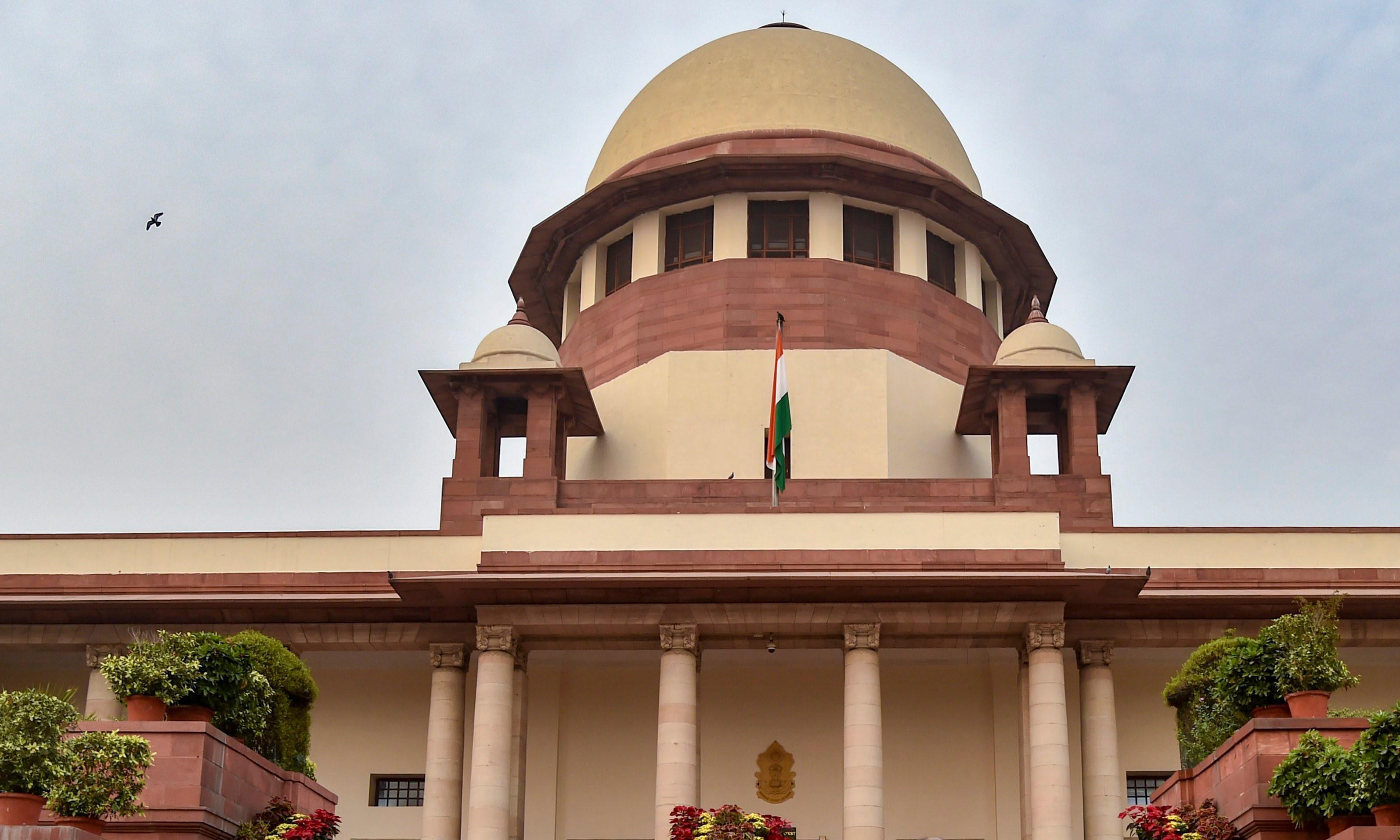
Supreme Court Keeps 1978 Industry Definition Unchanged for Pending Cases
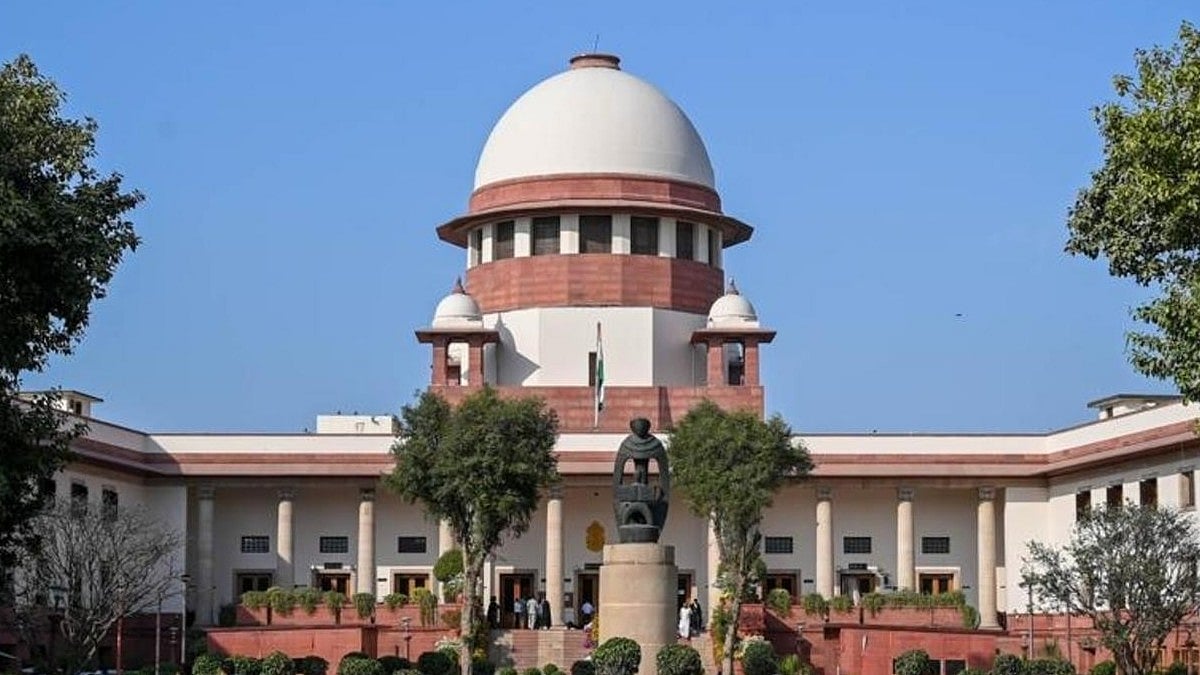
Supreme Court Seeks Replies Over MP Medical Scholarship Dispute

Supreme Court Collegium Recommends New Rajasthan High Court Chief Justice

Indian Judges Back Student Dissent to Strengthen Democracy

Supreme Court Judge Urges Bar to Address Legal Delays
Justice Nagarathna Urges Bar Councils to Rebuild Professional Trust
