1 week ago
Punjab Gets Bamboo Diversification Push With Rs 2.49 Crore

Punjab wants farmers to try growing bamboo alongside or instead of traditional crops.
The Centre has approved Rs 2.49 crore for this plan.
Bamboo will first be planted on more than 857 acres in demonstration plots.
These plots will show farmers how bamboo grows in Punjab.
The government says bamboo can grow in some waterlogged areas and needs less frequent replanting.
Farmers may begin harvesting after about three years.
Officials also hope to build businesses that process bamboo into paper, furniture, packaging and other products.
The main challenge is making sure farmers have buyers and good prices for their bamboo.

The Centre has approved Rs 2.49 crore for Punjab under the National Bamboo Mission for 2026-27.
Punjab will initially establish government demonstration plantations across more than 857 acres.
The proposed varieties are Bambusa nutans, Bambusa tulda and Bambusa balcooa.
Officials say bamboo could help conserve water, reduce soil erosion and provide an alternative to the paddy-wheat cycle.
Punjab plans to develop a complete bamboo value chain, including nurseries, processing, manufacturing and marketing.
- Who
- The Punjab Agriculture Department, the Centre and farmers are involved in the planned bamboo diversification programme.
- What
- Punjab will establish bamboo demonstration plantations and develop bamboo cultivation as a commercial alternative to the paddy-wheat cycle.
- Where
- Across Punjab, on more than 857 acres of earmarked land.
- When
- The funding is for 2026-27; planting is planned during the current pilot, with farmer subsidy support proposed from the next season.
- Why
- To diversify agriculture, address groundwater depletion, use land such as waterlogged areas and riverbanks, and develop a bamboo-based economic chain.
Case for Bamboo
Implementation Concerns
Diversification potential
Case for Bamboo
Punjab agriculture officials say bamboo can provide a commercially viable alternative to the paddy-wheat cycle, conserve water and support longer-term farm income.
Implementation Concerns
An agricultural expert said the Rs 2.49-crore allocation is modest and that the larger challenge is ensuring bamboo moves beyond government demonstration plots.
Market development
Case for Bamboo
The Agriculture Department plans to support the crop from planting material through harvesting, aggregation, processing, manufacturing and marketing.
Implementation Concerns
The article notes that farmers may not sustain the shift without reliable buyers, processing facilities and remunerative prices.
Key facts
- Approved allocation
- Rs 2.49 crore for Punjab under the National Bamboo Mission for 2026-27
- Funding pattern
- 60:40 Centre-state share, including Rs 1.49 crore from the Centre and Rs 99.94 lakh from Punjab
- Initial plantation area
- More than 857 acres in government demonstration plantations
- Proposed varieties
- Bambusa nutans, Bambusa tulda and Bambusa balcooa
- Expected harvesting
- Harvesting is expected to begin around the third year
- Potential income
- A well-established plantation could potentially generate Rs 7-8 lakh per acre, according to the agriculture director
- Existing market
- About 10,000 metric tonnes of bamboo is currently brought into Punjab for industrial use, according to the agriculture director
- Mission coverage
- As of December 2025, the National Bamboo Mission was being implemented in 23 states and one Union Territory
Quotes
Gurjit Singh Brar
Director of Agriculture & Farmers Welfare, Punjab
“Bamboo can be used for pulp and paper, furniture, handicrafts, flooring, panels, construction material, fencing, packaging, baskets and other endless household products with huge demand.”
 indianexpress.com
“The larger objective is to create an entire bamboo‑based economic chain.”
indianexpress.com
Sources
Related news

India Moves to Harness Ecological and Economic Benefits of Bamboo
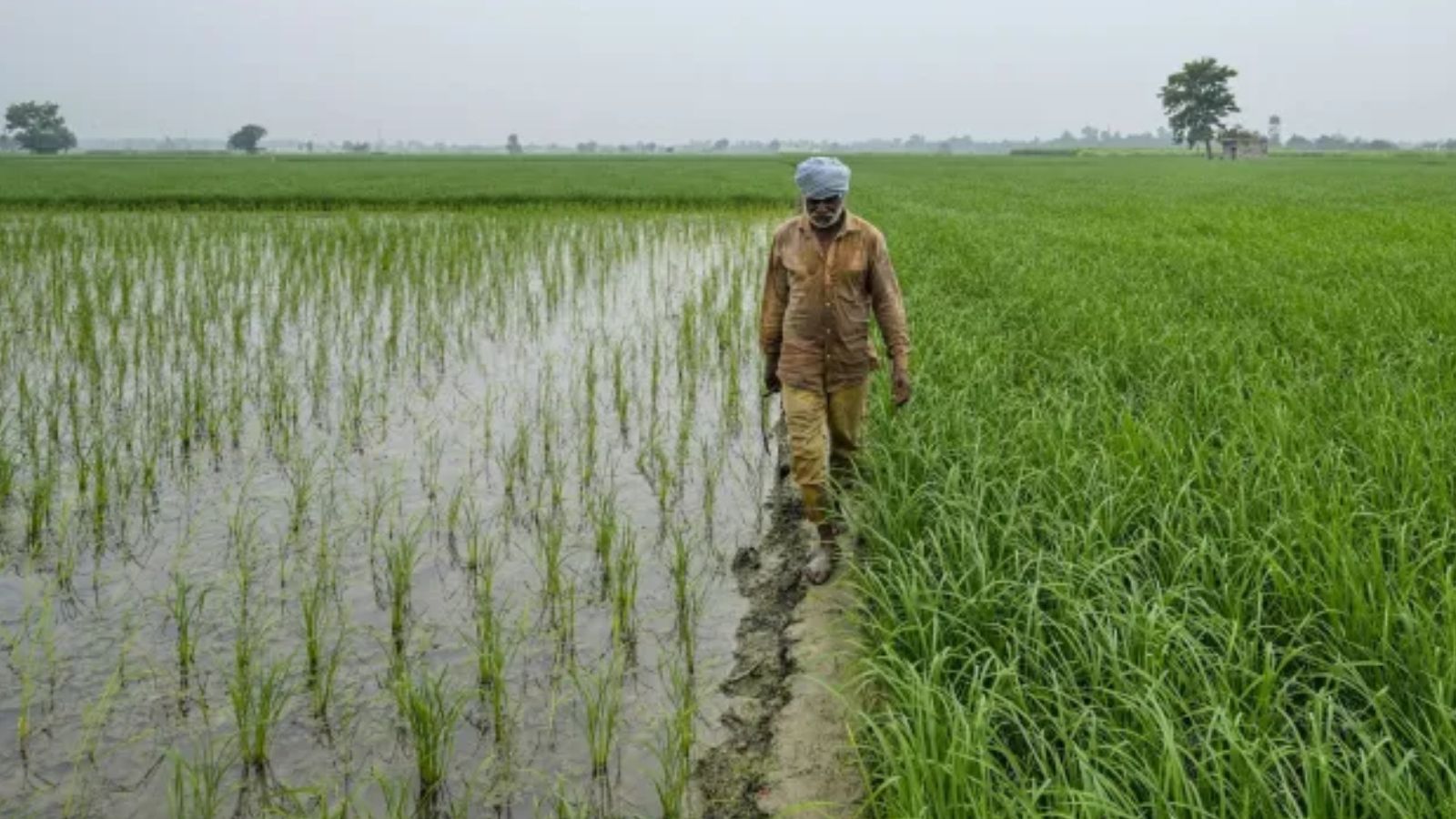
Punjab's paddy area hits all-time high of 32.76 lakh hectares
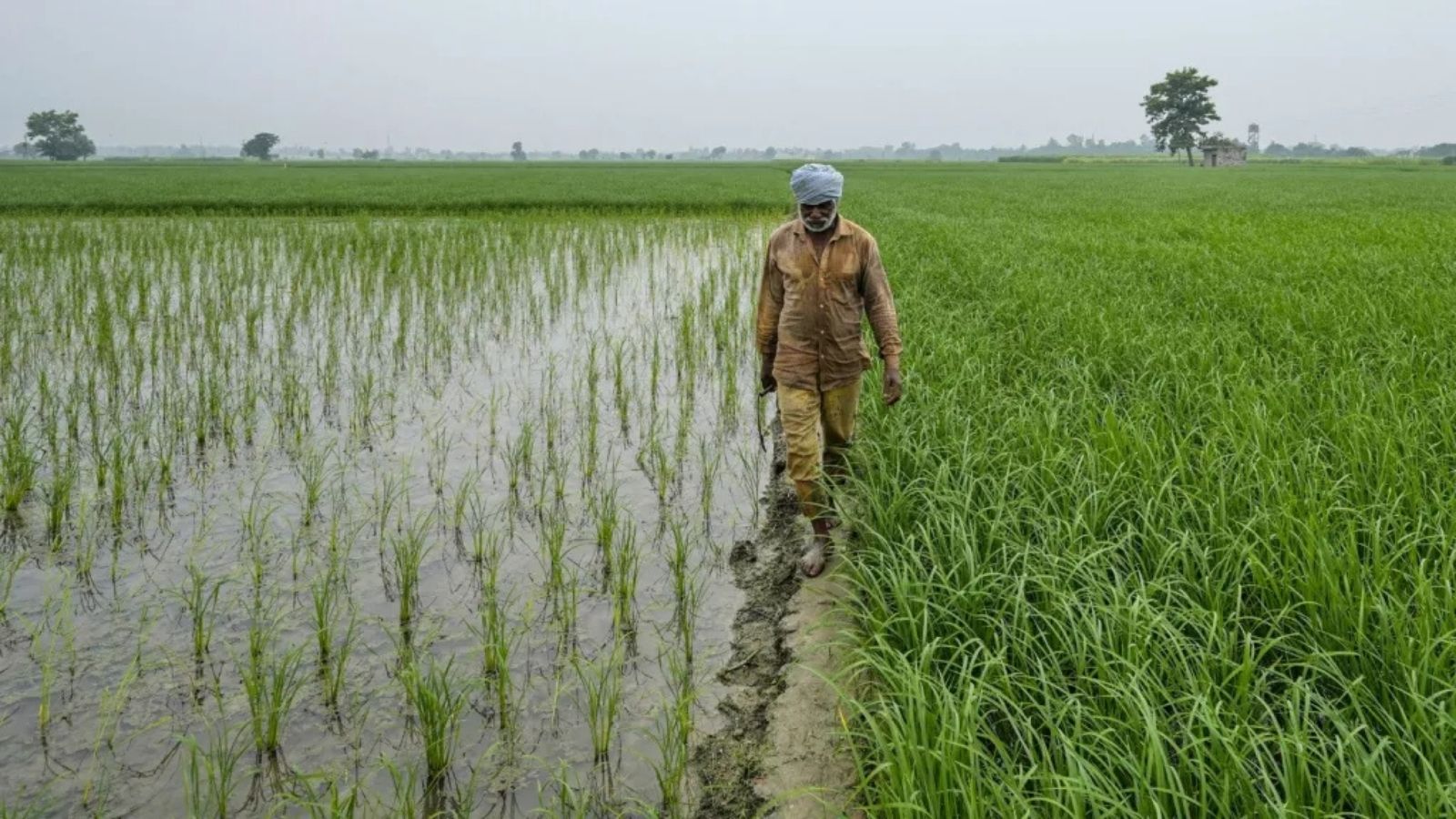
Punjab’s Crop Diversification Plan Falters as Rice Claims 92%

Punjab to expand tree cover, enhance biodiversity through JICA
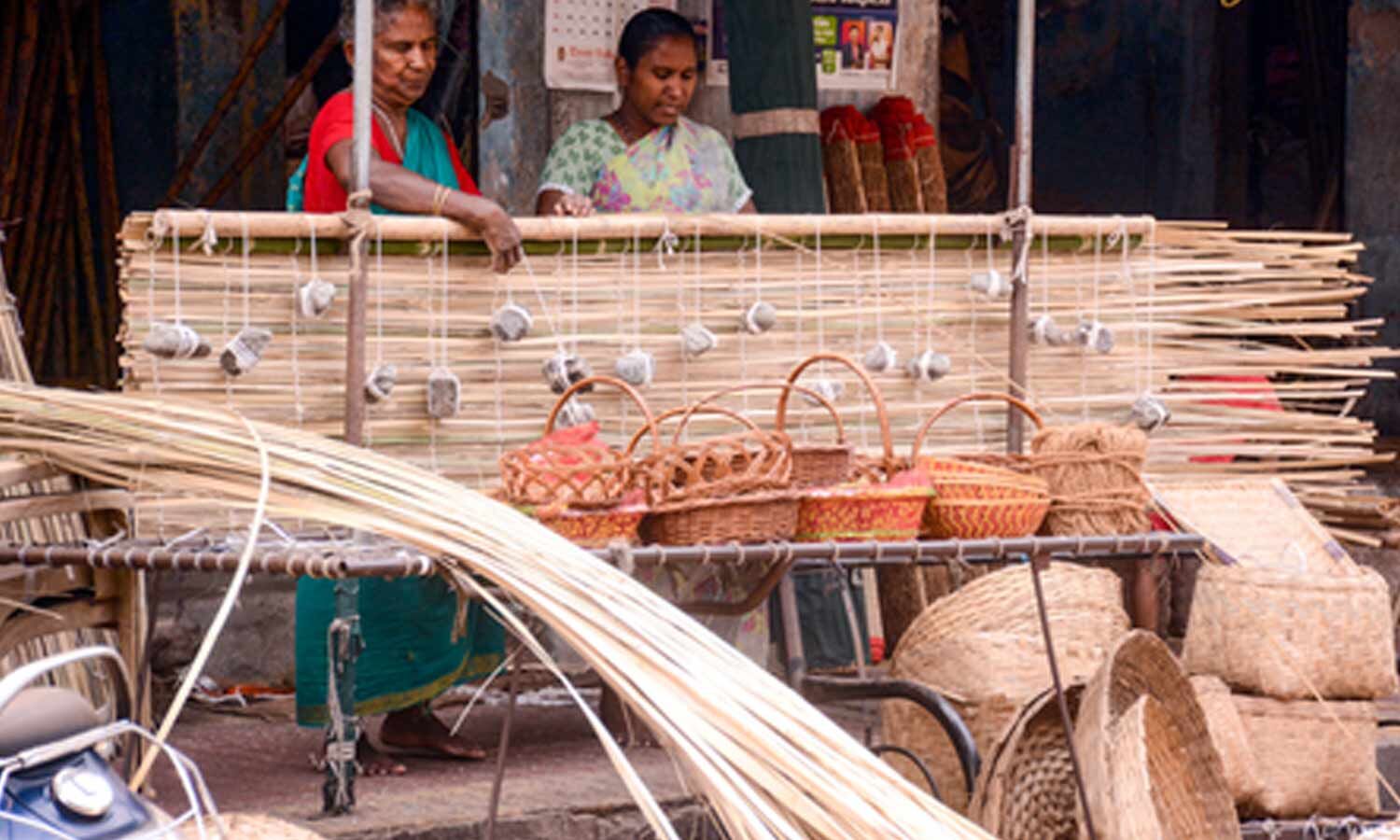
Meghalaya launches bamboo carbon project to restore land, boost incomes

Punjab CM Mann Seeks Wider Campaign to Curb Stubble Burning

Private Hospitals Flag Ayushman Bharat Payment Delays and Claim Deductions
Punjab Announces Statewide Awareness Drive on BC Certificates

NDA Personnel Found Dead On Pune Railway Track; Inquiry Ordered
Bajwa Questions Punjab Government Over Pending Employee DA Arrears
BJP Alleges Punjab Cash-for-Transfer Network, Seeks Mann Resignation