4 days ago
Punjab’s Crop Diversification Plan Falters as Rice Claims 92%
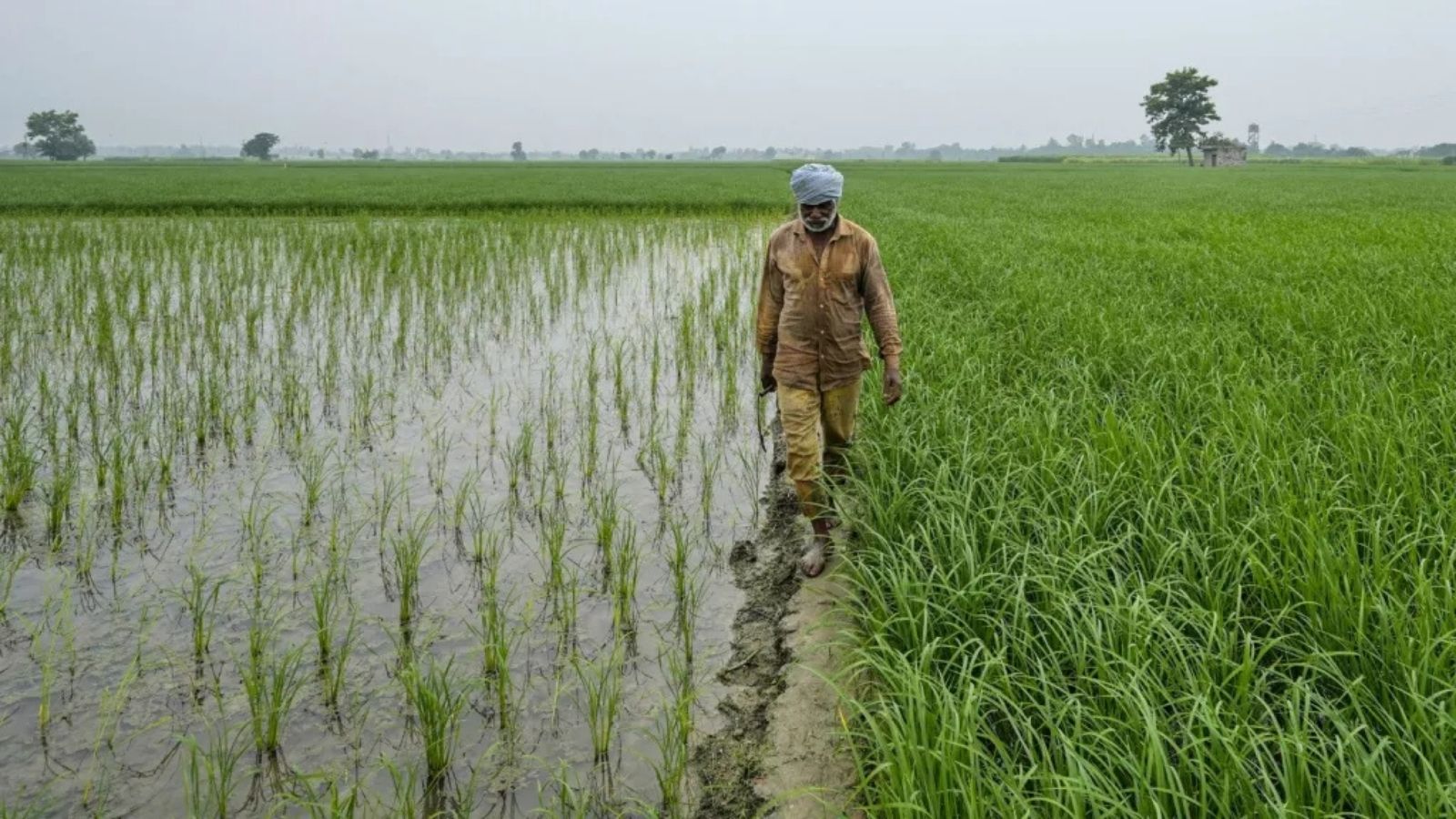
Punjab wants farmers to grow more crops instead of mostly rice.
However, rice now uses more than 92% of the state’s kharif farmland.
Other crops such as cotton, maize and pulses are using less land than before.
Sugarcane has increased only a little.
Farmers say rice is easier to sell because government agencies, markets and storage systems are already organized for it.
Other crops may have higher prices on paper, but farmers are unsure who will buy them.
Officials and farmer leaders say farmers need guaranteed income before they will leave rice.
The heavy focus on rice is also linked to concerns about Punjab’s soil and groundwater.

Rice covered a record 32.86 lakh hectares, or more than 92% of Punjab’s 35.554 lakh hectares of kharif agricultural crop area.
Non-paddy kharif acreage fell from about 7.02 lakh hectares in 2016-17 to 2.69 lakh hectares by 2026-27.
Cotton acreage dropped 72% to 80,000 hectares, while maize fell 25% to about 87,000 hectares.
Kharif pulses declined roughly 81%, while sugarcane acreage rose only modestly from 88,000 to 97,000 hectares.
Farmers and officials said dependable paddy procurement and income security make diversification difficult despite higher MSPs for some alternatives.
- Who
- Punjab’s farmers, farmer leaders, Punjab Agriculture and Farmers Welfare Minister Gurmeet Singh Khuddian, and the Centre are involved in the debate.
- What
- Rice has reached a record share of more than 92% of Punjab’s kharif agricultural crop area, while several alternative crops have declined.
- Where
- Punjab, India.
- When
- The figures concern the 2026 kharif sowing season and compare it with 2016-17; the article also refers to the 2026-27 marketing season.
- Why
- Farmers continue choosing paddy because of dependable procurement, market access and income expectations, while alternatives lack equally assured buyers and prices.
Diversification Advocates
Paddy-Focused Farmers
Need to reduce rice dependence
Diversification Advocates
Punjab officials and farmer advocates say the state must diversify to address soil degradation, groundwater depletion and the need for a more sustainable cropping pattern.
Paddy-Focused Farmers
Farmers say they cannot move away from paddy unless alternative crops provide comparable income security and reliable buyers.
Minimum support prices
Diversification Advocates
Farmer leader Jagmohan Singh says assured MSP for every crop, calculated according to the MS Swaminathan report formula, would encourage diversification.
Paddy-Focused Farmers
Farmers argue that MSP for alternatives is effectively only on paper because procurement and market access are not as dependable as they are for paddy.
Who should bear the cost
Diversification Advocates
Minister Gurmeet Singh Khuddian says the Centre should financially support Punjab because the state helped move India from food deficit to food surplus and now needs help changing its cropping pattern.
Paddy-Focused Farmers
Farmer Pargat Singh says farmers are being asked to save Punjab’s water without a guarantee that their incomes will not fall if they leave paddy.
Key facts
- Rice acreage
- 32.86 lakh hectares in the current kharif season.
- Rice share
- More than 92% of Punjab’s 35.554 lakh hectares of kharif agricultural crop area.
- Non-paddy acreage
- Declined from about 7.02 lakh hectares in 2016-17 to 2.69 lakh hectares by 2026-27.
- Cotton acreage
- Fell from 2.85 lakh hectares to 80,000 hectares, a 72% decline.
- Maize acreage
- Dropped from 1.16 lakh hectares to about 87,000 hectares, a 25% decline.
- Pulses acreage
- Kharif moong, mash or urad, and arhar together fell from roughly 15,000-16,000 hectares to about 3,000 hectares.
- Selected MSPs for 2026-27
- Paddy common: Rs 2,441 per quintal; Grade A paddy: Rs 2,461; maize: Rs 2,410; medium-staple cotton: Rs 8,267.
Quotes
Talwinder Singh
Farmer from Jalandhar who grows paddy on approximately 50 acres.
“For paddy, Punjab has an enormous procurement ecosystem built around government agencies, mandis, rice mills, transport and storage. For many alternative crops, the farmer may have an MSP on paper but still faces the question: Who will buy my crop, and at what price?”
 indianexpress.com
“Punjab’s farmer is making an economic calculation. From the farmer’s perspective, rice continues to offer something that most alternatives cannot match — a relatively dependable combination of yield, procurement and market access.”
indianexpress.com
Sources
Related news
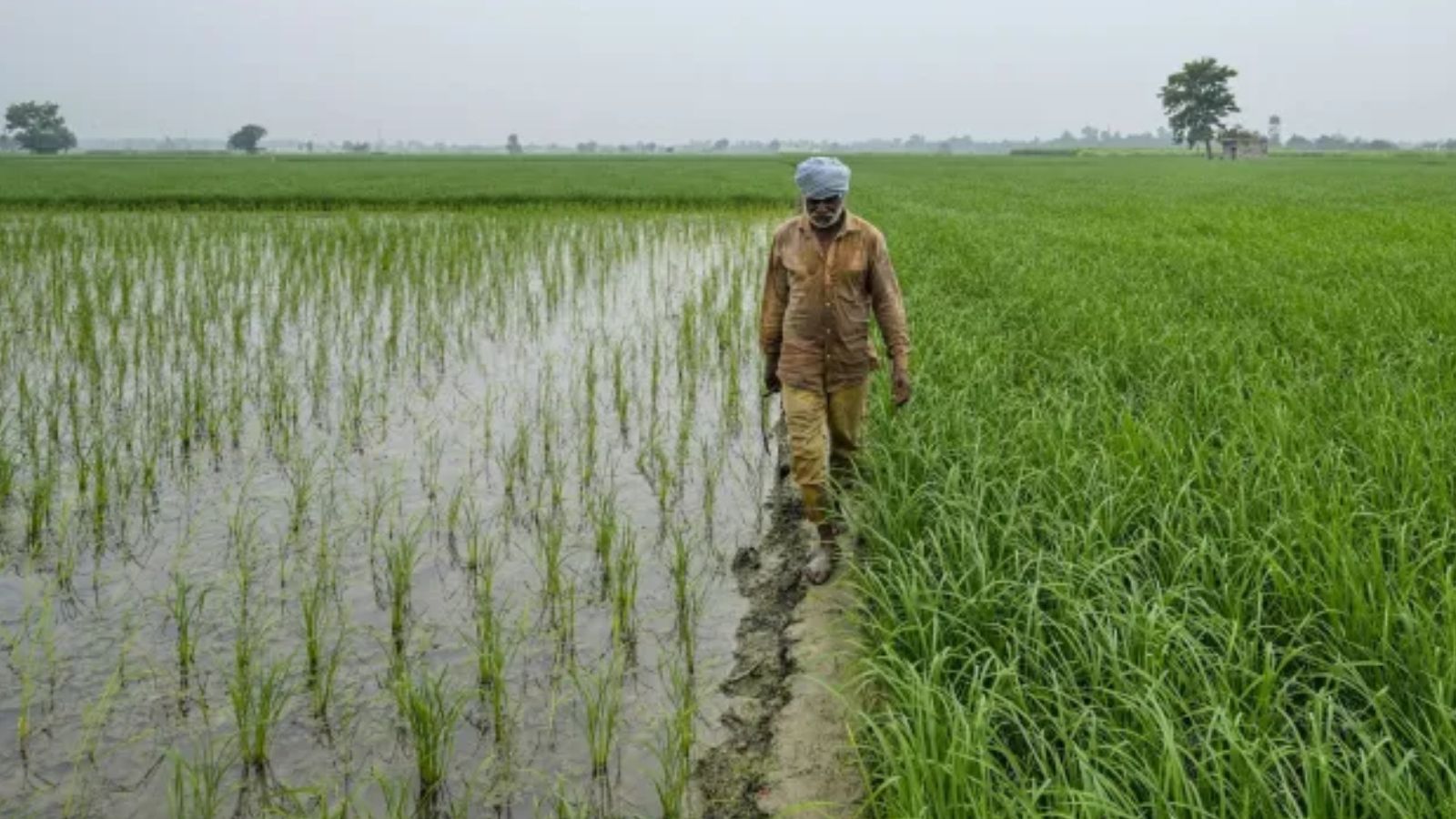
Punjab's paddy area hits all-time high of 32.76 lakh hectares
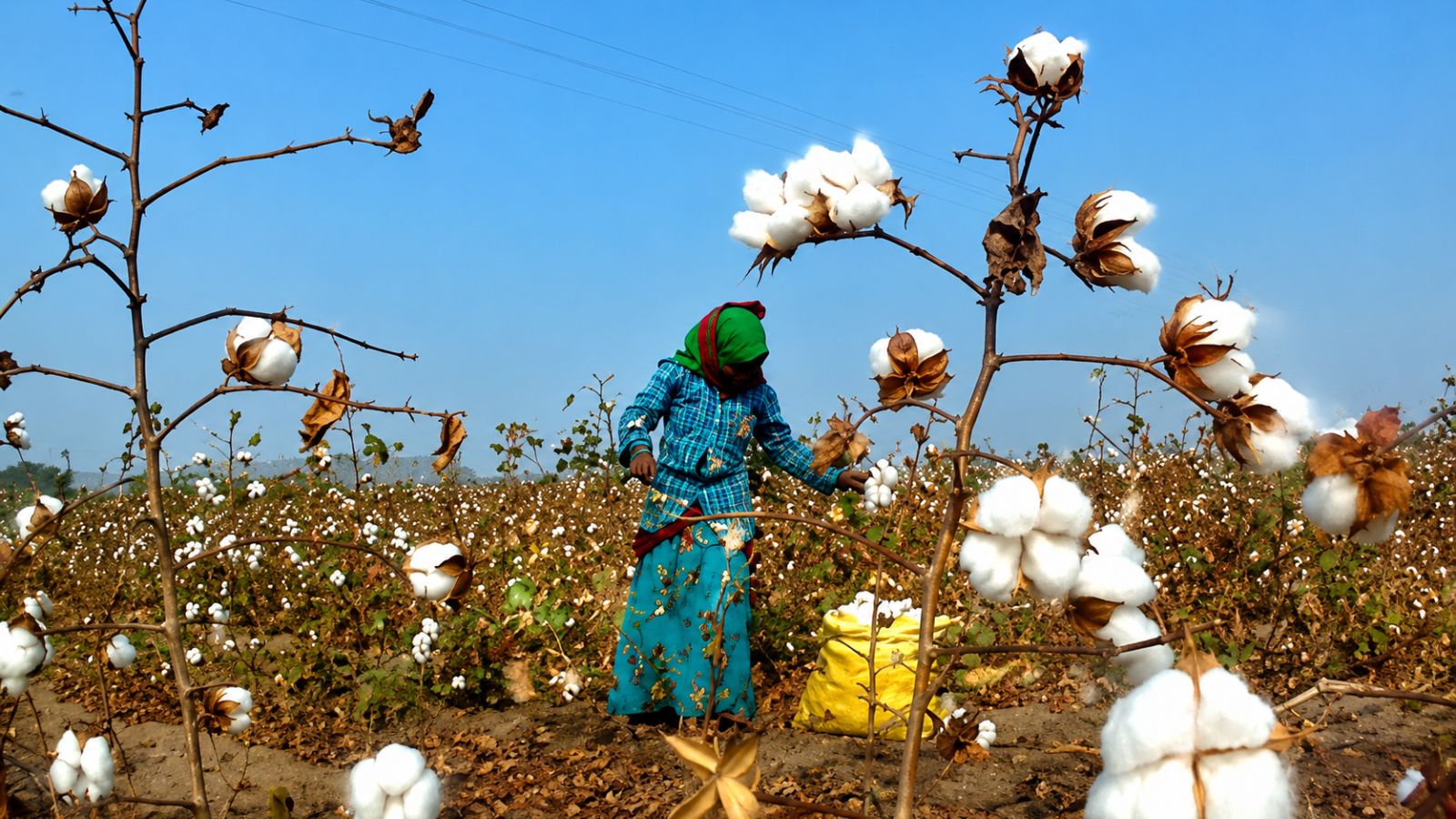
North India Cotton Acreage Falls 23%, Punjab Hit Hardest
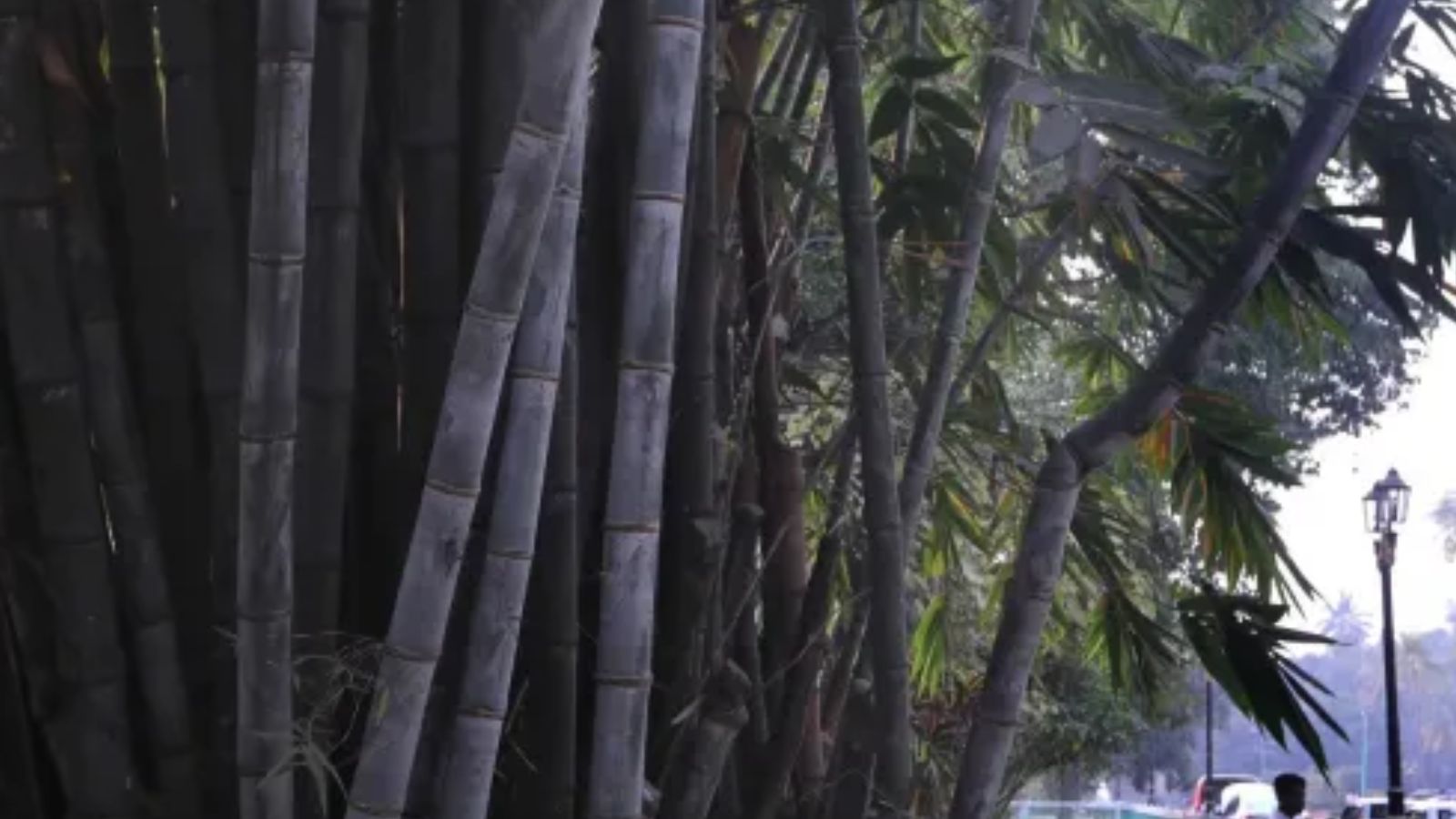
Punjab Gets Bamboo Diversification Push With Rs 2.49 Crore

Madhya Pradesh Paddy Output May Fall as Soybean Harvest Booms

Punjab Politicians Demand Flood Relief in Affected Areas