

2 hrs ago
Supreme Court Protects Conscientious Objectors in Vande Mataram Case

The Supreme Court is considering a case about whether people must sing all six stanzas of Vande Mataram.
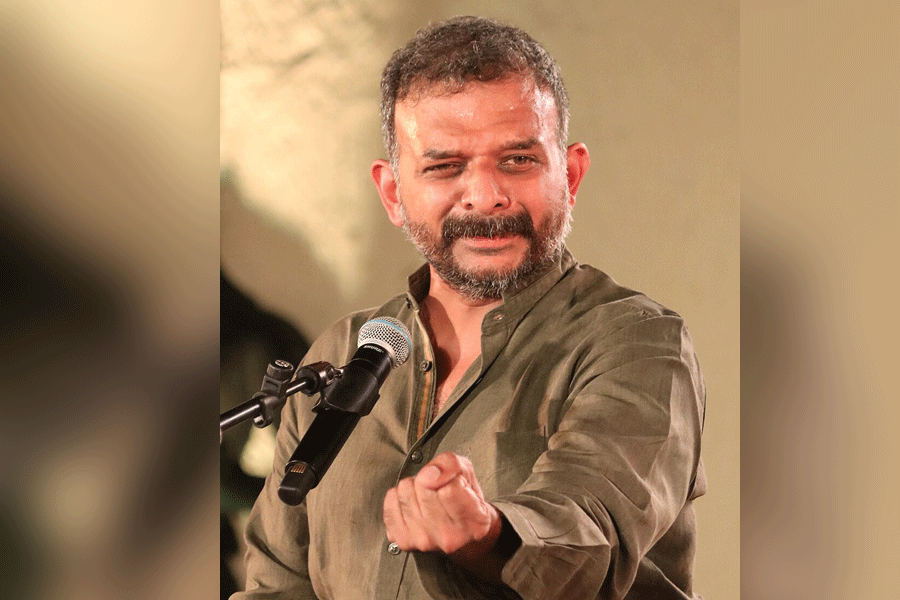
The case was brought by singer T M Krishna.
He says some parts of the song raise questions about India’s secular character.
A new law can punish people who intentionally stop others from singing the national anthem or national song.
The court said someone who refuses to sing because of personal or religious conscience should not be punished.
The judges referred to an older decision that protected children who respectfully declined to sing the national anthem.
The court said the government can decide which song is the national song.
It will focus on protecting people’s rights rather than deciding the song’s official content.

The Supreme Court told the Centre that conscientious objectors should not face punishment for refusing to sing Vande Mataram.
The court referred to its 1986 Bijoe Emmanuel judgment protecting children who respectfully declined to sing the national anthem on grounds of conscience.
Carnatic vocalist T M Krishna is challenging a 2026 amendment requiring the singing of all six stanzas of Vande Mataram.
Krishna’s lawyers argue that the amendment and related directions raise concerns involving religious freedom, conscience, equality, secularism, and free expression.
The Centre opposed issuing notice, while the court said it would examine whether conscientious objectors’ rights are protected without deciding what constitutes the national song.
- Who
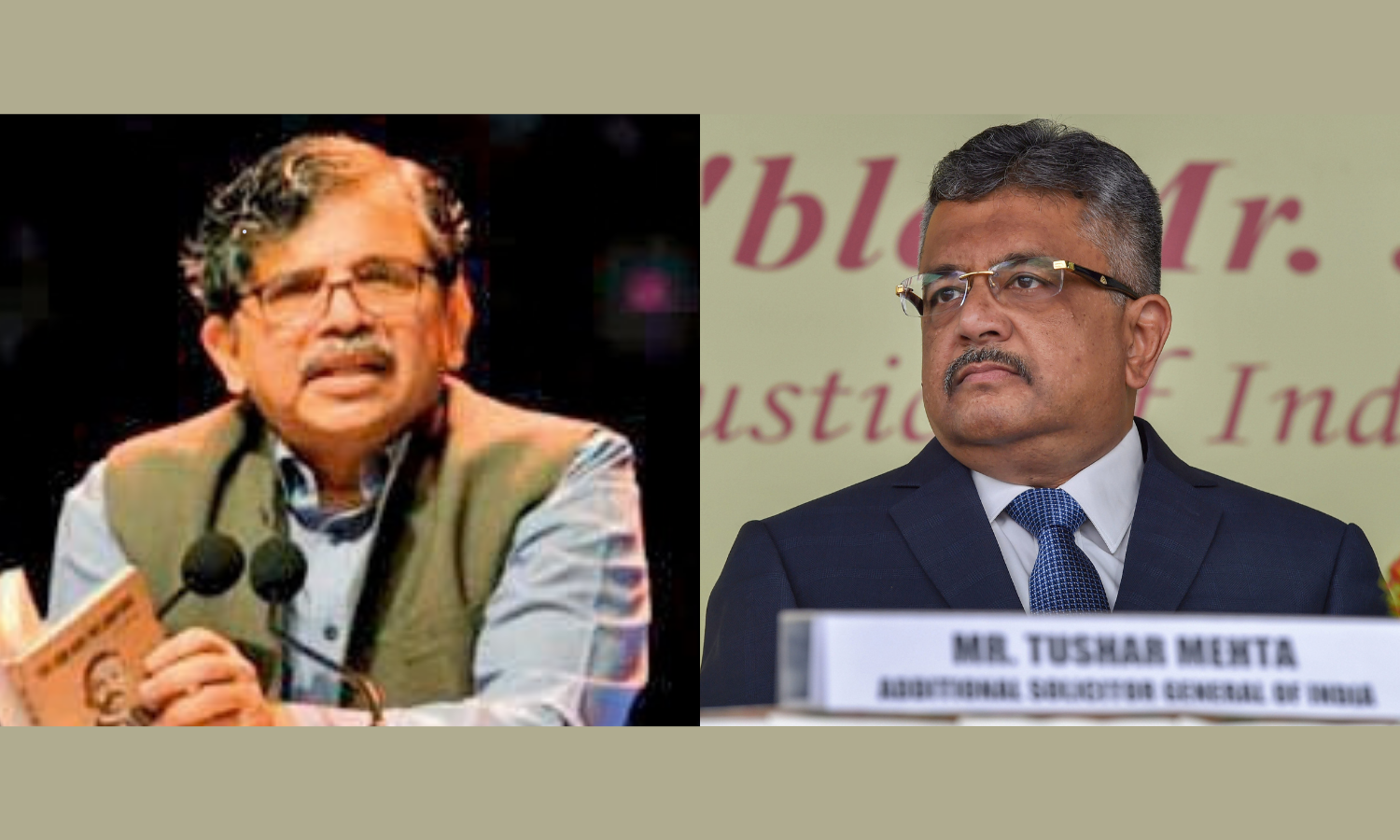
- The Supreme Court, the Centre, Carnatic vocalist T M Krishna, Solicitor General Tushar Mehta, and Krishna’s lawyer S Muralidhar.
- What
- The court considered a challenge to a 2026 amendment and related directions concerning the singing of Vande Mataram.
- Where
- The Supreme Court in New Delhi.
- When
- Tuesday, September 22.
- Why
- Krishna’s petition argues that requiring all six stanzas and applying penal provisions may infringe freedom of conscience, religion, expression, equality, and secularism.
Petitioner’s Concerns
Centre’s Position
Six-stanza requirement
Petitioner’s Concerns
Krishna’s petition challenges treating all six stanzas of Vande Mataram as the official version, arguing that the requirement raises constitutional concerns.
Centre’s Position
The Centre defended the law and opposed issuing notice, with the Solicitor General warning that a notice could sensationalise the issue.
Conscience and religious freedom
Petitioner’s Concerns
Krishna argues that penal provisions affecting refusal to sing raise issues involving freedom of conscience, religion, expression, equality, and secularism.
Centre’s Position
The court said the state may decide national sentiments and the national song, while the Centre argued that secularism should not be interpreted narrowly.
Definition and legal process
Petitioner’s Concerns
Krishna’s lawyer said the amendment does not define “national song,” leaves uncertainty over the relevant version or stanzas, and was enacted without sufficient national consensus.
Centre’s Position
The Solicitor General defended the law-making process and said decisions should follow the constitutional process.
Key facts
- Petitioner
- Carnatic vocalist T M Krishna
- Court position
- A conscientious objector should not face penal consequences for refusing to sing Vande Mataram.
- Legal precedent
- The court cited the 1986 Bijoe Emmanuel judgment protecting respectful refusal to sing the national anthem on grounds of conscience.
- Amended provision
- Section 3 of the Prevention of Insults to National Honour Act, 1971, was amended in 2026.
- Maximum penalty
- Up to three years’ imprisonment, a fine, or both, for intentionally preventing or disturbing singing of the national anthem or national song.
- Contested requirement
- Krishna challenges directions treating the complete six-stanza version of Vande Mataram as the official version and requiring it to precede the national anthem.
- Court’s scope
- The court said it would examine whether conscientious objectors’ rights are protected, not decide what constitutes the national song.
Quotes
Justice Joymalya Bagchi
Supreme Court justice hearing the petition
“I can repeat what I said. One has to go by law. I am not sorry about what I said. I said that is the constitutional way, not what the Naxalite wants. And I am not sorry about it.”
 theprint.in
“We are not inclined to issue notice. But we would expect that the law of the land, as declared by this court in Bijoe Emmanuel, will govern the (amended) Act.”
theprint.in
Sources
Related news

Supreme Court Examines Penalties for Refusing to Sing Vande Mataram
Supreme Court Examines Challenge to Six-Stanza Vande Mataram Mandate
Supreme Court Examines Vande Mataram Law Amid Heated Exchange

Why Jana Gana Mana and Vande Mataram Can Coexist

Karnataka High Court Hears Challenge to Vande Mataram Curbs
Karnataka Court Challenge Targets Two-Stanza Vande Mataram Order

SIT Finds 105 Unauthorised Currency Removals at Ayodhya Temple
Congress Slams Delay in Ram Temple Donation Theft Chargesheet
