1 hr ago
India Bets on Youth to Build Global Semiconductor Giants

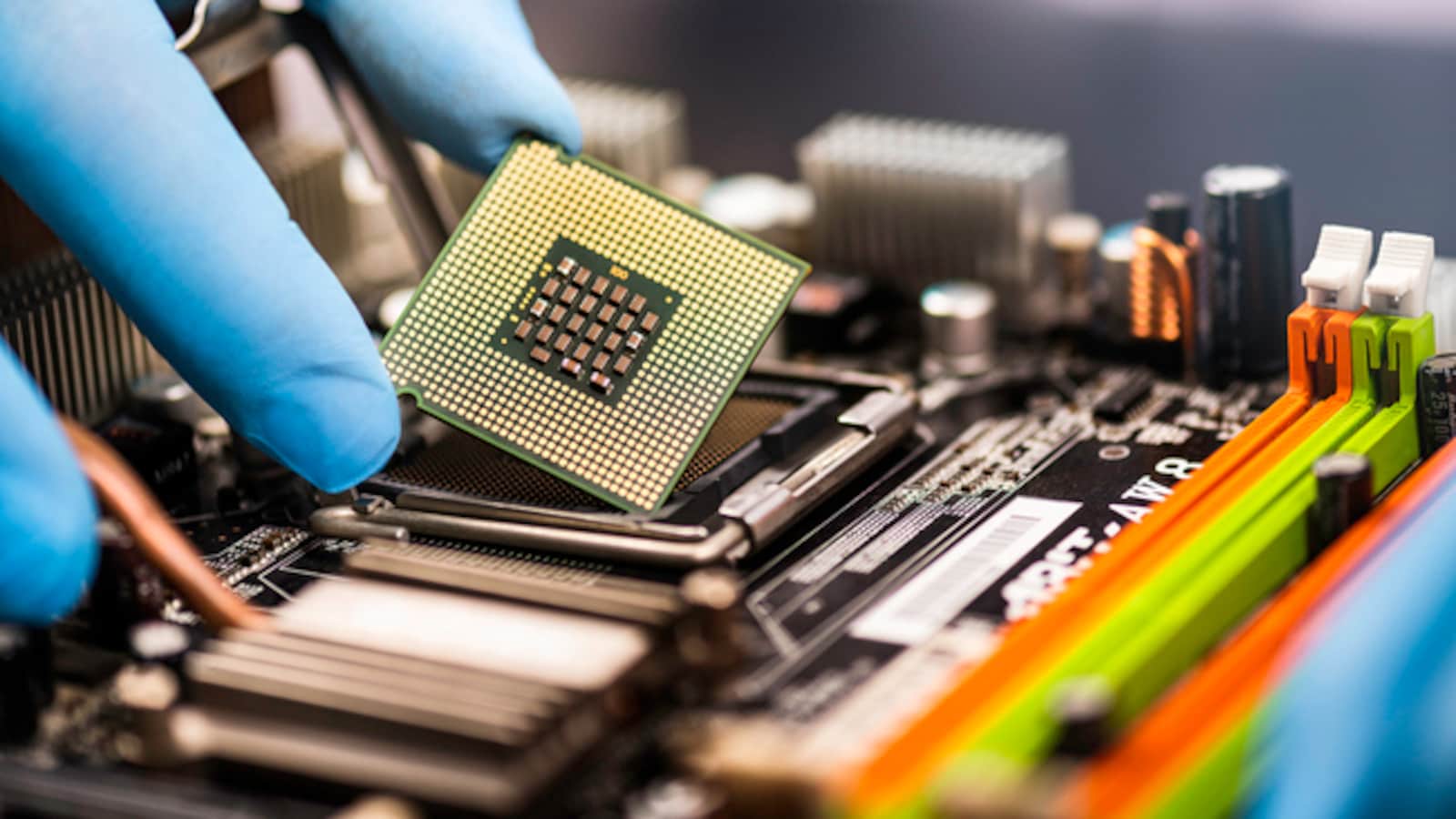
India is trying to become a major maker of computer chips.
The government says five semiconductor units are already producing chips commercially.
Minister Ashwini Vaishnaw believes young Indian entrepreneurs can build companies as important as Qualcomm and Intel.
Foreign companies are also considering large investments in India.
The government wants to develop the whole chip industry, including design, materials, equipment and testing.
It plans to support 200 chip-design startups and train 100,000 technicians.
Many companies and countries took part in the SEMICON India event.
Vaishnaw said India still has much work to do and must be patient.
He also warned that cyberattacks and other disruptions could threaten the industry.

IT Minister Ashwini Vaishnaw said India now has five semiconductor units in commercial production.
He said global confidence in India’s manufacturing capabilities has increased as projects moved from construction to production.
The Semicon 2.0 policy has attracted an estimated USD 11–12 billion in semiconductor investment interest.
India aims to support 200 chip-design startups, train 100,000 technicians and create more than 100,000 jobs.
Vaishnaw warned semiconductor companies and deep-tech startups to prepare for cyberattacks and geopolitical disruptions.
- Who
- IT Minister Ashwini Vaishnaw, Indian semiconductor companies and deep-tech startups, and prospective global investors.
- What
- India is expanding its semiconductor industry and seeking investment, talent and homegrown chip-design companies.
- Where
- India, with the minister’s interview conducted in New Delhi and projects planned across the country.
- When
- September 19; the article also refers to developments over the past four to five years and plans for the next two to three years.
- Why
- To build an end-to-end semiconductor value chain, strengthen India’s manufacturing capabilities and develop globally competitive products.
Growth Optimism
Risks and Caution
India’s semiconductor prospects
Growth Optimism
Vaishnaw said growing investment interest, commercial production and global participation show increasing confidence in India’s chip strategy.
Risks and Caution
Vaishnaw stressed that current progress is only a foundation and that the complex industry requires perseverance, patience and close follow-up.
Future of Indian companies
Growth Optimism
The minister expressed confidence that youth-driven startups will eventually build companies comparable to Qualcomm and Intel.
Risks and Caution
He said long-term success requires differentiated products and stronger Indian design capabilities, rather than simply reproducing existing market solutions.
Industry security
Growth Optimism
India is being viewed by several countries as a trusted semiconductor partner and is attracting new manufacturing and design interest.
Risks and Caution
The industry must prepare for cyberattacks, geopolitical threats and disruptions from countries that may oppose India’s rise in the semiconductor value chain.
Key facts
- Operational units
- Five semiconductor units are in commercial production in India.
- Semicon 2.0 investment interest
- The government estimates USD 11–12 billion in semiconductor investment interest.
- Policy allocation
- Semicon 2.0 is described as a ₹1,27,500-crore policy push.
- Applied Materials plan
- Applied Materials announced a USD 5 billion India plan through 2035.
- SEMICON India participation
- Nearly 600 companies participated in the three-day event.
- Talent target
- The government aims to train 100,000 skilled technicians and create more than 100,000 jobs.
- Startup target
- The government is targeting 200 chip-design startups receiving venture funding.
Quotes

Ashwini Vaishnaw
India’s IT and Electronics Minister
“We should be cognizant of the risks and the challenges which may come from other players. So, I have, very candidly, told the entire industry that be prepared for cyberattacks, be prepared for any other kinds of threats and any other kinds of disruptions that might get created by countries which don't like India to come up in the semiconductor value chain.”
 livemint.com
 theprint.in
“I am sure we will have Qualcomms and Intels coming from India in the coming years, as the younger generation takes over the responsibility of building good products.”
livemint.com
theprint.in
Sources

Related news
Modi Pitches India as Trusted Hub for Chip Manufacturing
India's Semiconductor Push Reaches Export Markets Amid Expansion Plans
India’s Semiconductor Mission Drives Chip Design and Manufacturing Growth
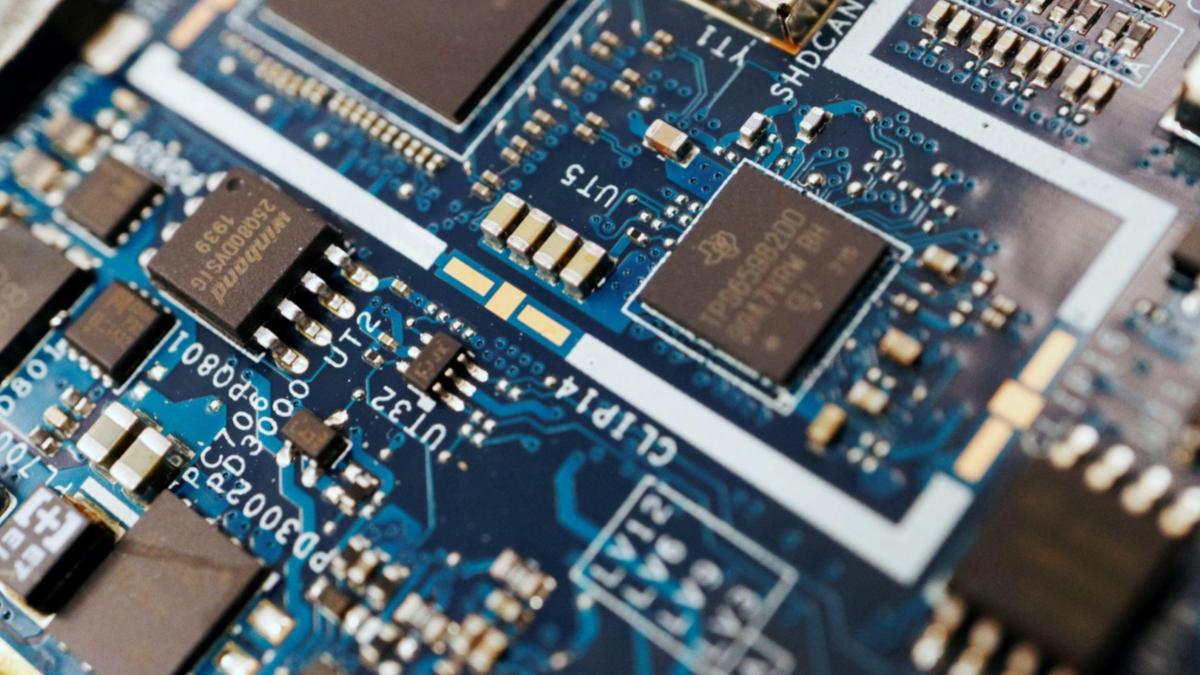
India’s Semicon 2.0 Expands Chip Ecosystem With $12 Billion
India Expands Semicon 2.0 With 100,000 Engineer Target
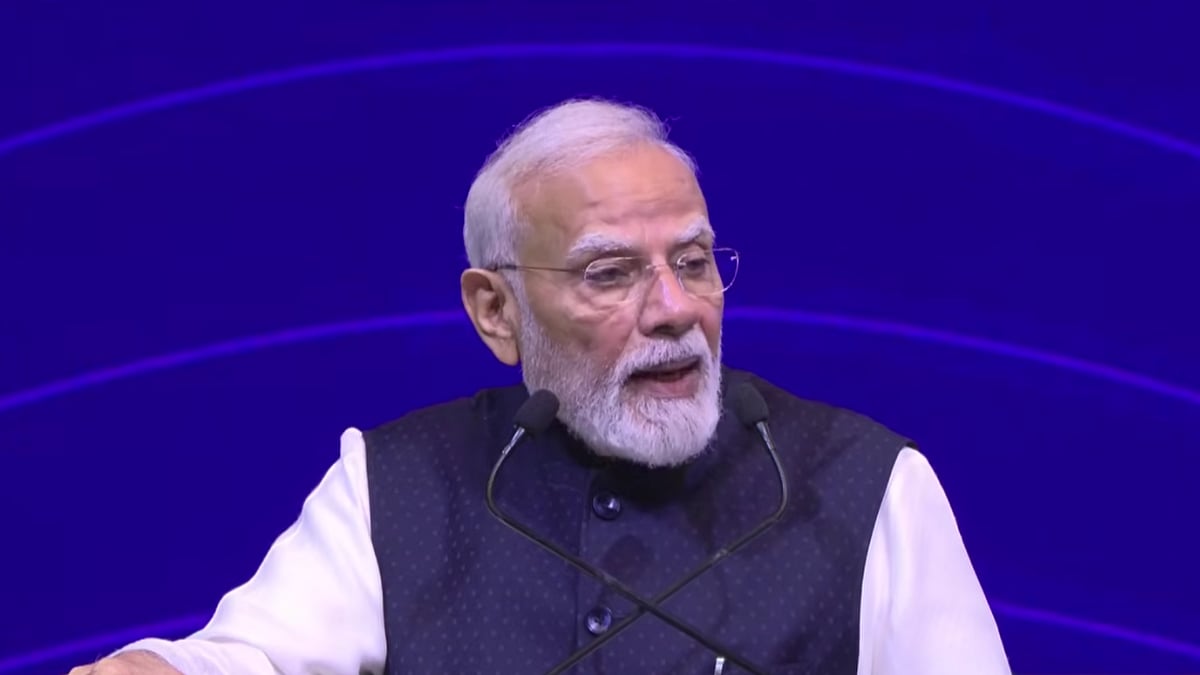
Modi Launches $13.5 Billion Second Phase of Chip Mission

SEMICON India 2026 Highlights Industry Hurdles, Government Promises Action

SEMICON India Day Two Announces 25 Semiconductor Partnerships