

1 hr ago
India's Semiconductor Push Reaches Export Markets Amid Expansion Plans
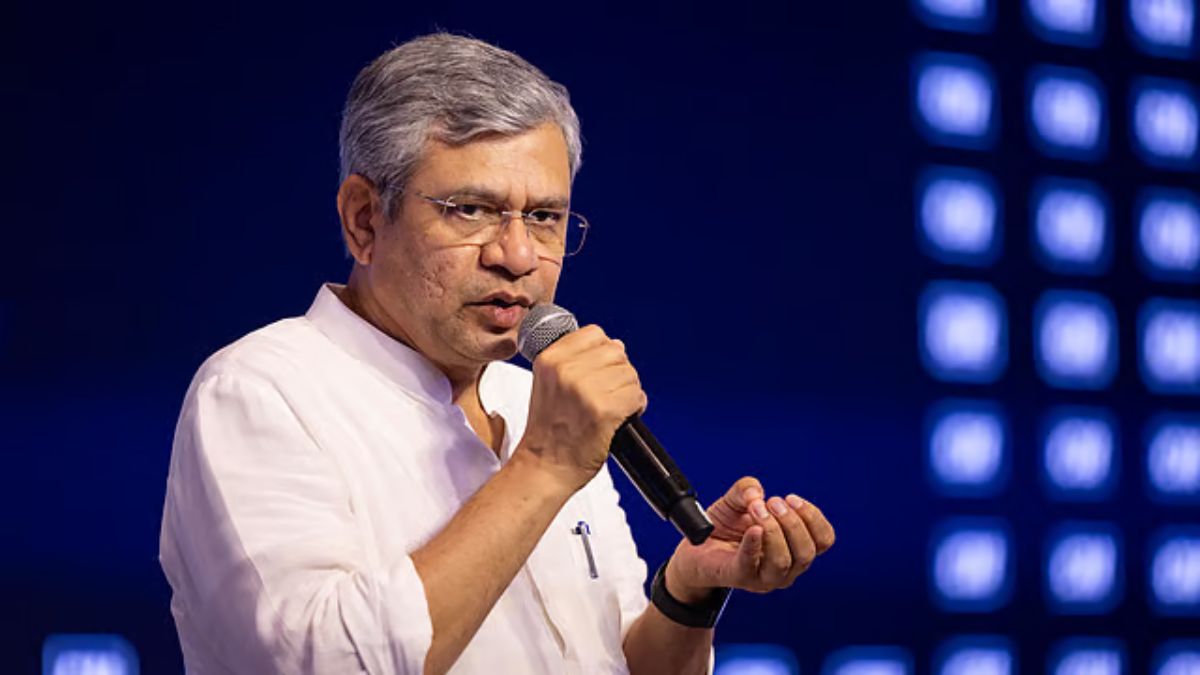
India is beginning to make and design more computer chips at home.
Some of these chips are already being used in products sold to other countries.
These countries include Japan, Germany, Switzerland and China.
The government wants India to make more parts of the chip-making process itself.
This includes designing chips, building equipment and eventually fabricating more chips.
It is also training engineers and giving colleges access to chip-design tools.
A large factory in Dholera is expected to produce its first wafer in 2028.
The minister said India is making strong progress but still faces financial, geopolitical and technical challenges.

India-designed and India-made chips are entering products exported to Japan, Germany, Switzerland and China.
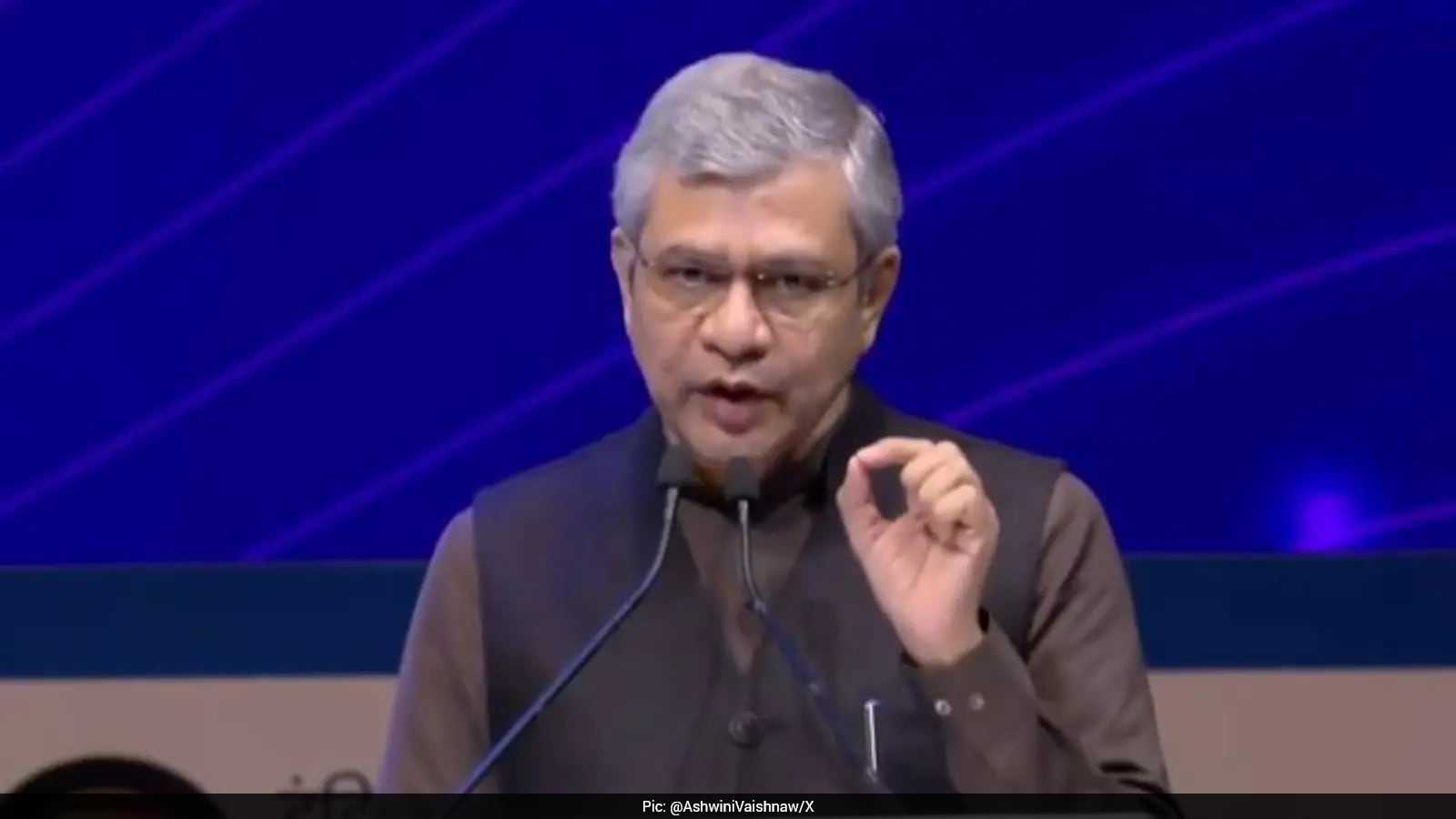
Assembly, testing, marking and packaging units are already exporting to Japan, according to Ashwini Vaishnaw.
The government expects India’s semiconductor ecosystem to expand from packaging into design, equipment and fabrication.
Under Semicon 2.0, the focus will broaden from chip design to system design and workforce development.
The first wafer from Tata Electronics’ Dholera fab is expected in 2028, with more fabs anticipated.
- Who
- India’s semiconductor industry and the government, represented by Electronics and IT Minister Ashwini Vaishnaw.
- What
- India-designed and India-made chips are beginning to enter products for export, while the country expands its semiconductor ecosystem.
- Where
- Across India, including semiconductor operations in Dholera, Gujarat; the products are being exported to markets including Japan, Germany, Switzerland and China.
- When
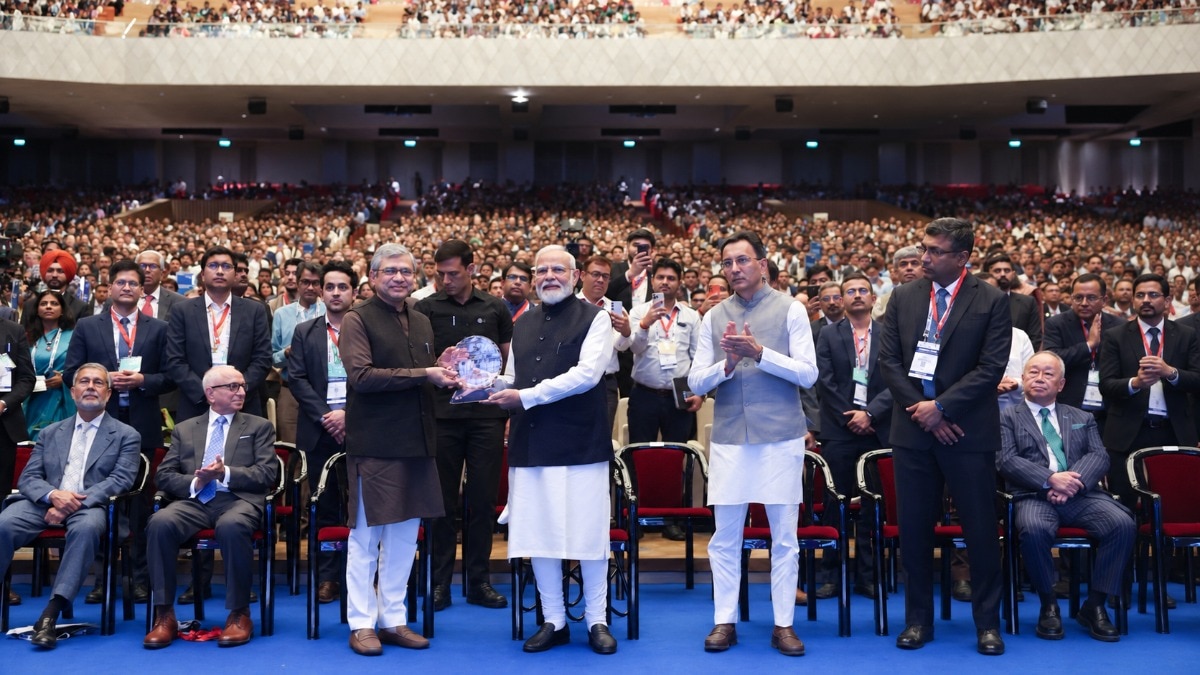
- The developments were discussed at Semicon India 2026; the first wafer from the Dholera fab is expected in 2028.
- Why
- The government aims to build an end-to-end semiconductor ecosystem covering design, packaging, equipment, fabrication and electronic systems for domestic and global markets.
Expansion Optimism
Risks and Constraints
India’s semiconductor outlook
Expansion Optimism
Ashwini Vaishnaw said India is approaching “escape velocity,” with exports already beginning and many more fabs expected beyond the Dholera project.
Risks and Constraints
Vaishnaw cautioned that India still has a long way to go and faces risks from global debt, geopolitical changes, investment uncertainty and the complexity of building the industry.
Building the ecosystem
Expansion Optimism
The government says India’s design capabilities, engineering talent and trusted status can attract global semiconductor activity and support end-to-end production.
Risks and Constraints
The industry will require continued cooperation among government, companies and academia, along with faster approvals, upskilling and stronger quality capabilities.
Key facts
- Speaker
- Ashwini Vaishnaw, India’s Electronics and IT Minister
- Export markets mentioned
- Japan, Germany, Switzerland and China
- Training progress
- About 70,000 design engineers have been trained against a 10-year target of 85,000
- College access
- Around 400 engineering colleges have received access to industry electronic design automation tools
- Dholera fab
- The first wafer is expected in 2028
- Equipment indigenisation
- Lam Research has indigenised a complex semiconductor equipment process in India, reportedly its first such effort outside the United States
- Next programme focus
- Semicon 2.0 is expected to expand from chip design to system design
Quotes

Ashwini Vaishnaw
India’s Electronics and IT Minister
“There would be many made in India and designed in India chips end-to-end.”
 financialexpress.com
“The biggest strength India has is the design capability.”
financialexpress.com
Sources
Related news
Modi Pitches India as Trusted Hub for Chip Manufacturing
India Expands Semiconductor Mission to Build Chips and Talent
India Builds Semiconductor Ecosystem From Chips to Fabs
India’s Semicon 2.0 Expands Chip Ecosystem With $12 Billion
Modi Launches $13.5 Billion Second Phase of Chip Mission
India Attracts $12 Billion in New Chip Investment Pledges
Tata Electronics Expands Semiconductor Ecosystem With 16 Partnerships
India Expands Global Semiconductor Goals With Semicon 2.0
Vaishnaw Says AI Benefits Require Regulation for User Safety
