2 hrs ago
India’s Semicon 2.0 Expands Chip Ecosystem With $12 Billion
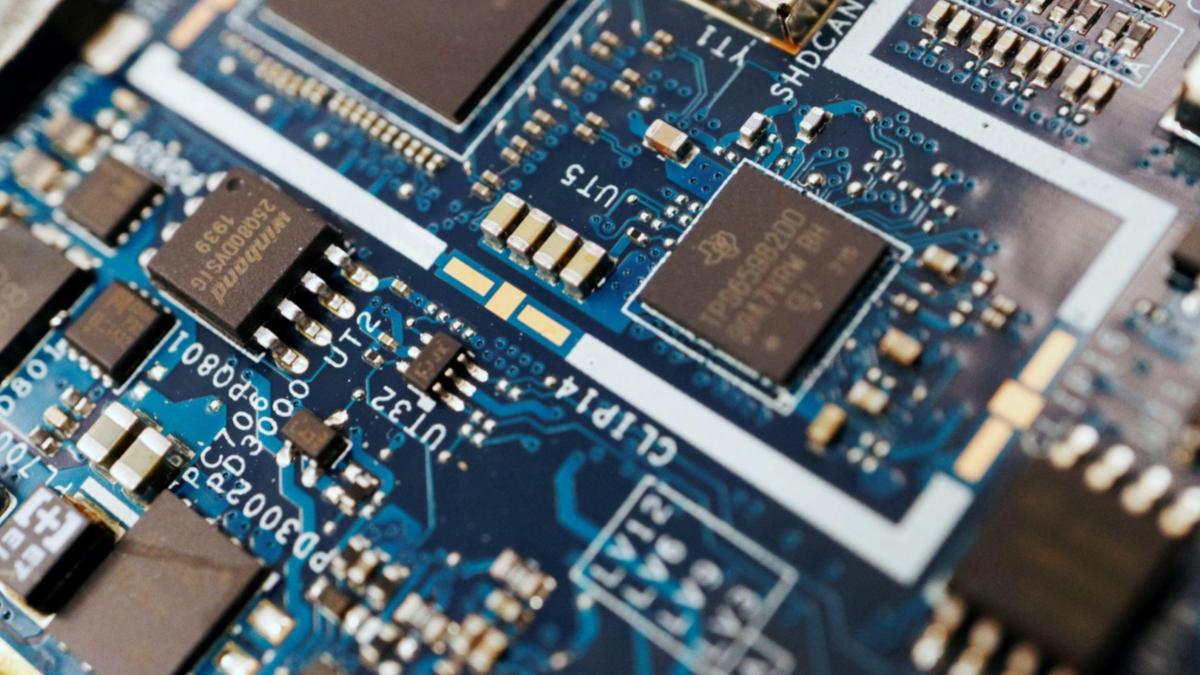
India is beginning a new phase of its plan to build a semiconductor industry.
Semiconductors are tiny components used in many electronic devices.
The new plan, called Semicon 2.0, covers six parts of the industry instead of focusing only on factories.
These parts include chip design, factory equipment, materials, packaging, research, and worker training.
Companies have proposed investing about $11–12 billion in the programme.
Applied Materials and Lam Research have also announced major plans in India.
Tata Electronics is working with other companies to create suppliers for its chip factory in Gujarat.
The government hopes the programme will create close to one lakh jobs and make India’s chip industry more self-reliant.

Semicon 2.0 has attracted investment proposals worth about $11–12 billion across India’s semiconductor industry.
The programme has six pillars: chip design, machinery and materials, fabrication, advanced packaging, research, and talent development.
Applied Materials committed $5 billion over the next decade, while Lam Research plans to invest about Rs 10,000 crore.
Tata Electronics is building a supplier network for its semiconductor fabrication plant in Dholera, Gujarat.
The Rs 1.27 lakh crore programme could create close to one lakh jobs and train more than 100,000 technicians over five years.
- Who
- The Indian government, led in this initiative by IT and Electronics Minister Ashwini Vaishnaw, along with semiconductor companies and academic institutions.
- What
- India is implementing Semicon 2.0, a six-pillar programme to expand its semiconductor ecosystem and attract about $11–12 billion in investment proposals.
- Where
- India, including the planned semiconductor hub and supplier network in Dholera, Gujarat.
- When
- The proposals are expected over the next two to three years; Semicon 2.0 was approved in July, and the strategy was discussed at SEMICON India 2026.
- Why
- To expand capabilities across chip design, manufacturing, equipment, materials, packaging, research, and skilled talent.
Key facts
- Programme
- Semicon 2.0
- Government outlay
- Rs 1.27 lakh crore
- Investment proposals
- About $11–12 billion, or roughly Rs 1 lakh crore
- Programme pillars
- Six: design, machinery and materials, fabrication, advanced packaging, research, and talent
- Potential employment
- Close to one lakh jobs across the semiconductor ecosystem
- Technician training target
- More than 100,000 technicians over five years
- Earlier programme progress
- Semicon 1.0 approved 12 semiconductor projects, three of which have entered commercial production
Quotes

Ashwini Vaishnaw
India’s IT and Electronics Minister
“The investment numbers that we are seeing today are of the order of Rs 1 lakh crore, or about $11-12 billion. Many of them don’t want us to take their names, but they will make those investment announcements after approvals from their board and shareholders.”
 financialexpress.com
“Semicon 1.0 was all about setting the foundation, making sure that we learn to walk. And Semicon 2.0 is more about getting the ecosystem in place.”
financialexpress.com
Sources

Related news

Tata and Applied Materials deepen India’s semiconductor expansion plans

India Expands Semicon 2.0 With 100,000 Engineer Target

SEMICON India Charts India’s Semiconductor Ecosystem, Chip by Chip

SEMICON India 2026 Showcases India’s Push for Resilient Chip Ecosystem
India’s Semiconductor Industry Moves Into Semicon 2.0 Growth Phase

Vaishnaw Says AI Benefits Require Strong User-Safety Regulation
India’s Semicon 2.0 Attracts Up to $12 Billion