1 week ago
Untreated Dyeing Wastewater Continues Polluting Nagari’s Water Sources
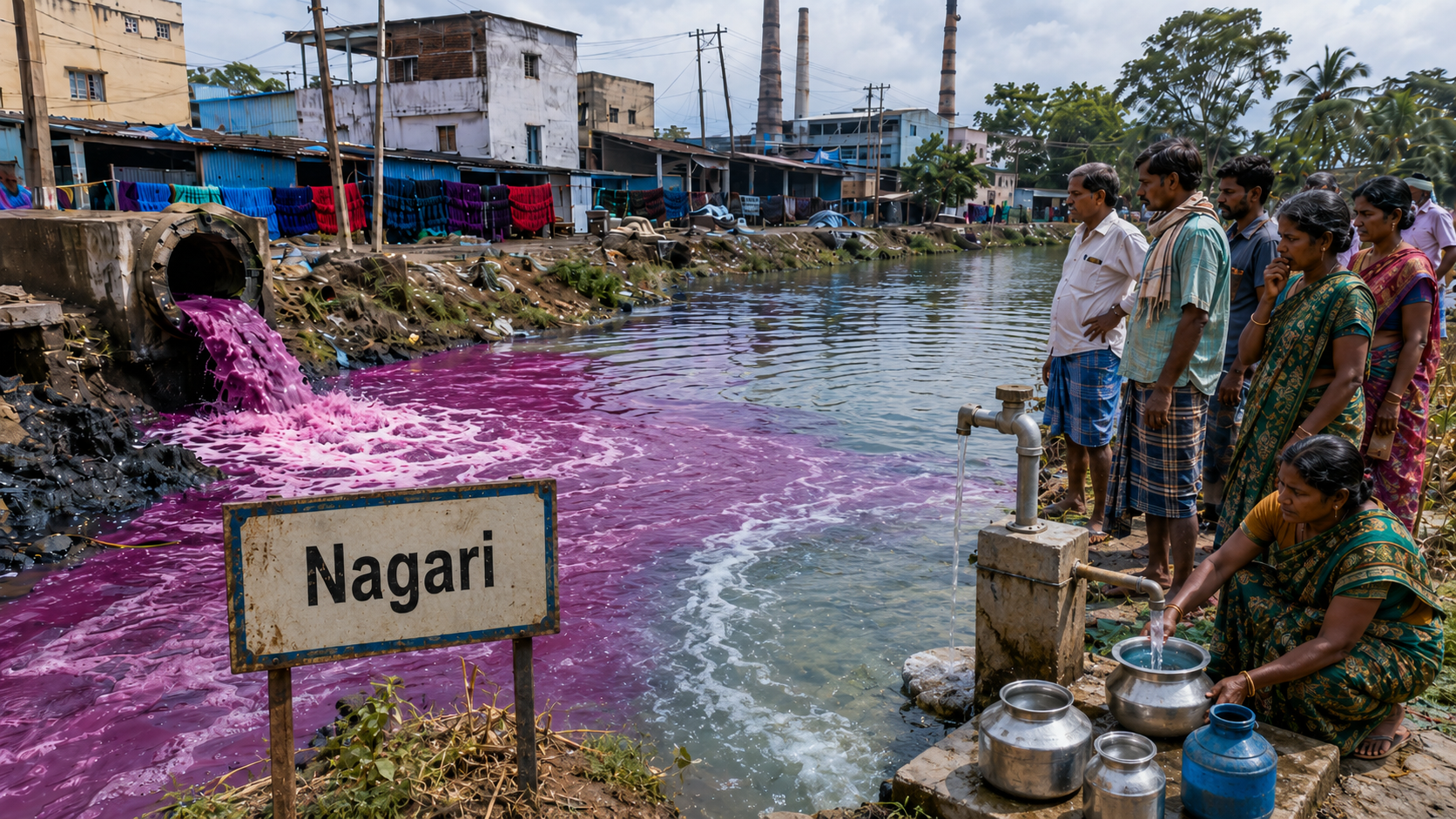
Yarn-dyeing units in Nagari produce wastewater containing chemicals.
Much of this water is reportedly released into open areas and drains without proper treatment.
It can then reach tanks and groundwater used by nearby villages.
People in 14 villages are worried about drinking water and farming.
Some farmers have stopped cultivating land because they are concerned about water quality.
A treatment plant built with government funding did not provide a lasting solution and is now unused.
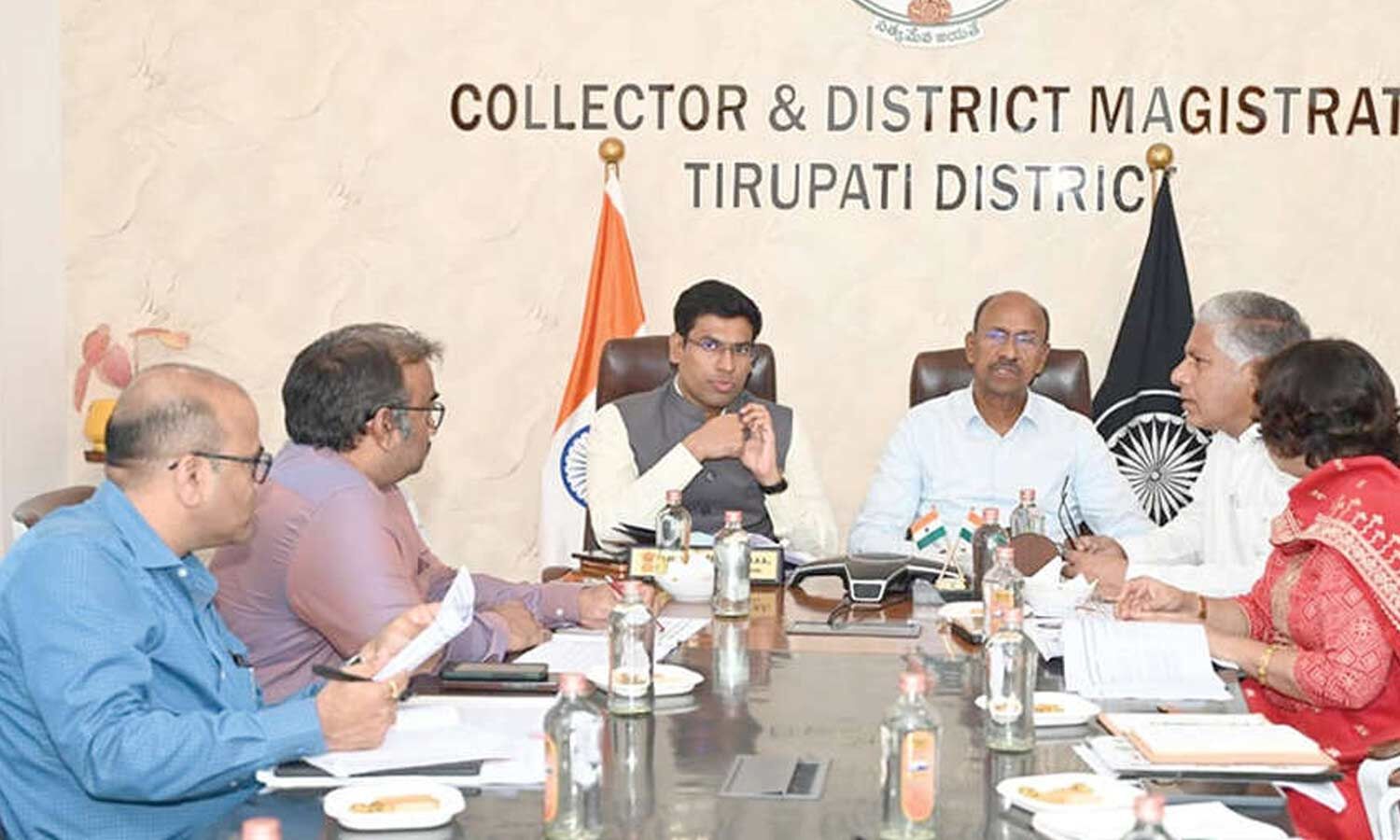
Officials have discussed moving the dyeing units and building better treatment facilities.
Weavers say the units provide jobs and should be supported with a working plant instead of being closed.

Untreated wastewater from yarn-dyeing units is polluting water sources around Nagari.
The pollution is reported to affect 14 villages and make drinking and irrigation water difficult to access.
Industries are estimated to generate about 36 lakh litres of wastewater daily.
A ₹13.13-crore Common Effluent Treatment Plant operated for about five years before becoming defunct.
Residents want a permanent solution, while weavers say functioning treatment infrastructure would allow the industry to continue.
- Who
- Residents of villages around Nagari, farmers, dyeing-unit operators, officials, political leaders, and the Powerloom Weavers Welfare Association.
- What
- Untreated wastewater from yarn-dyeing units is polluting local tanks, groundwater sources, and other water bodies.
- Where
- Nagari and surrounding villages, including areas across three mandals in the constituency.
- When
- Residents say the problem has continued for several years; a treatment plant built before 2014 later operated for about five years before becoming defunct.
- Why
- Wastewater is being discharged without adequate treatment, while the existing treatment plant is unused and proposed relocation and infrastructure plans have not yet been implemented.
Residents and Farmers
Weaving Industry Representatives
Water quality and public health
Residents and Farmers
Residents say polluted water sources have made people hesitant to use local water for drinking and have created difficulties for irrigation.
Weaving Industry Representatives
Industry representatives acknowledge the need for treatment but argue that the units can operate without causing pollution if adequate infrastructure is provided.
Future of dyeing units
Residents and Farmers
Residents and local stakeholders support a permanent solution, including moving units away from residential areas and protecting water sources.
Weaving Industry Representatives
The Powerloom Weavers Welfare Association says shifting or closing the units is not enough because dyeing provides employment to several families; it wants a properly functioning Common Effluent Treatment Plant.
Key facts
- Affected villages
- The problem is estimated to affect 14 villages.
- Estimated wastewater
- About 36 lakh litres are generated daily by industries in the area.
- Treatment plant cost
- The Central government spent around ₹13.13 crore on a Common Effluent Treatment Plant before 2014.
- Plant status
- The plant remained unopened for seven years, operated for about five years, and is now defunct and in disrepair.
- Agricultural impact
- Tanks in three mandals have reportedly been affected, and some farmers have avoided cultivation.
- Proposed response
- Officials and political leaders have discussed shifting dyeing units and allotting land near Mangadu and PKR Puram.
Quotes
R. Gunasekhar
Resident of Vinayagapuram concerned about water contamination
“Earlier, we could depend on local water sources, but now many people hesitate to use the water for drinking. The government should find a permanent solution.”
 deccanchronicle.com
Powerloom Weavers Welfare Association representative
Representative of an association representing powerloom weavers
“Dyeing provides employment to several families and shifting or closing down the units is not a solution. We need a properly functioning CETP to treat the wastewater. With the required infrastructure, the units can operate without causing pollution.”
deccanchronicle.com
Sources
Related news

Jojari River Pollution Ravages Rajasthan Villages as Court Orders Protection
Polluted Water Kills Fish in Hyderabad’s Durgam Cheruvu

Coimbatore farmers allege casting unit pollution damaging crops, groundwater

Alwal Residents Report Sewage-Contaminated Drinking Water for Nearly Month

Faridabad to Build Three CETPs to Curb Yamuna Pollution

SVIMS to Open Eight-Bed Paediatric ICU in Tirupati
Naidu Orders Speedy Construction of 5,000 Temples in Andhra Pradesh

ACB Raids TTD Deputy EO Lokanatham in DA Case

Spice Lounge Launches Food Division, Targets ₹1,200 Crore Revenue
Railway Announces Charlapalli–Tiruchanur Special Trains for September Rush